Washington DC has some of the best museums in the world and they’re free, which is a genuinely remarkable thing.
It’s also why most visitors spend three days indoors, come out blinking, and go home having seen a city entirely through its exhibition halls.
There’s a real place here with neighbourhoods, parks, markets and a food scene that’s got seriously good. Here’s the version of DC that isn’t a museum.
Walk the Memorials at Night
This is the single best thing to do in DC and it’s free and almost everyone does it at the wrong time.
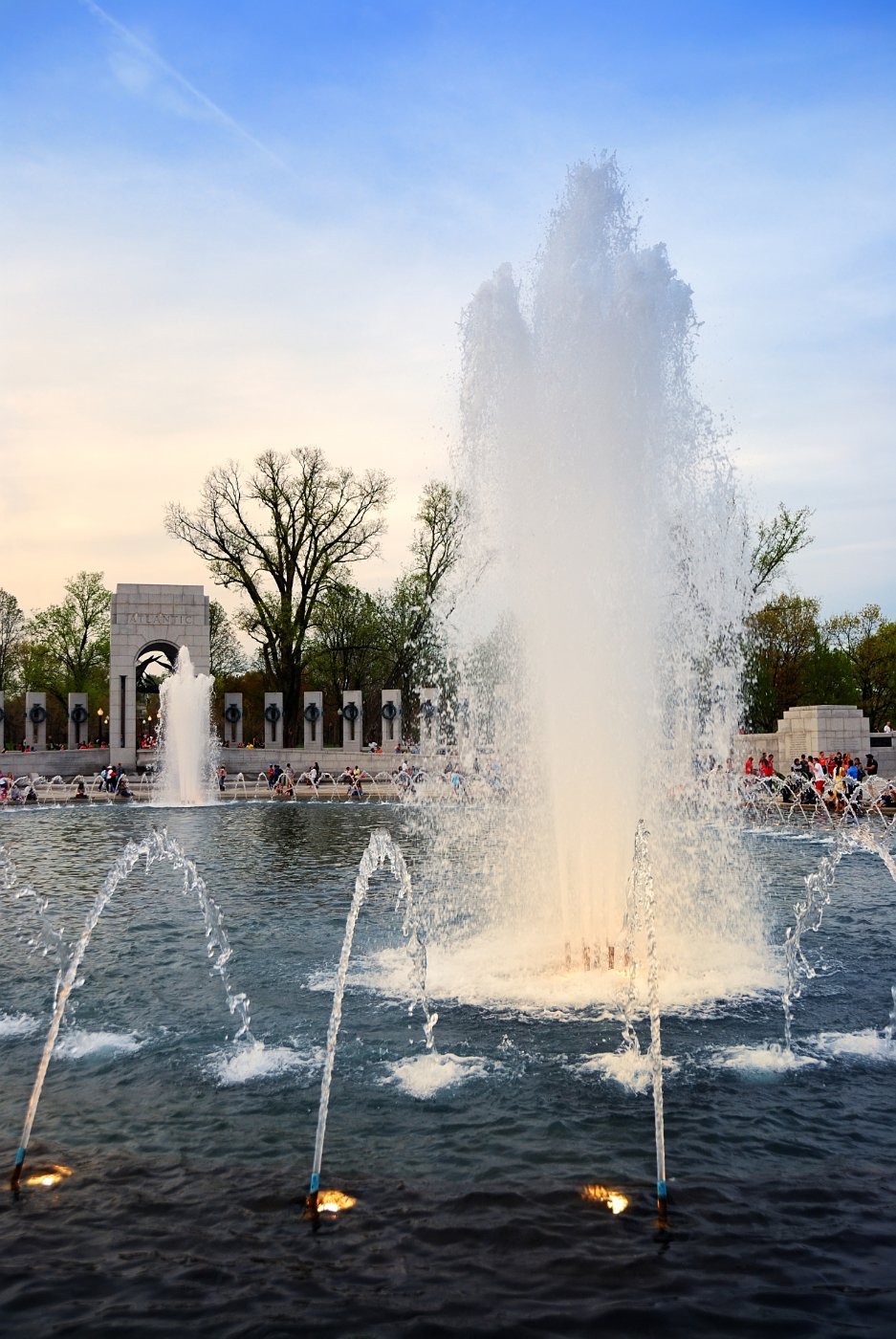
The memorials on and around the Mall are open 24 hours, lit, and staffed by rangers until late. At 10pm on a summer evening you’ll have the Lincoln Memorial nearly to yourself, with the Reflecting Pool and the Washington Monument lined up in front of you.
The Vietnam Veterans Memorial is far more affecting in low light. The Korean War Memorial’s steel figures are genuinely eerie at night. The FDR Memorial is a series of outdoor rooms with waterfalls.
Start at the Lincoln and work east. Allow two hours. Wear proper shoes, the Mall is much bigger than it looks on a map.
The Tidal Basin, Any Season
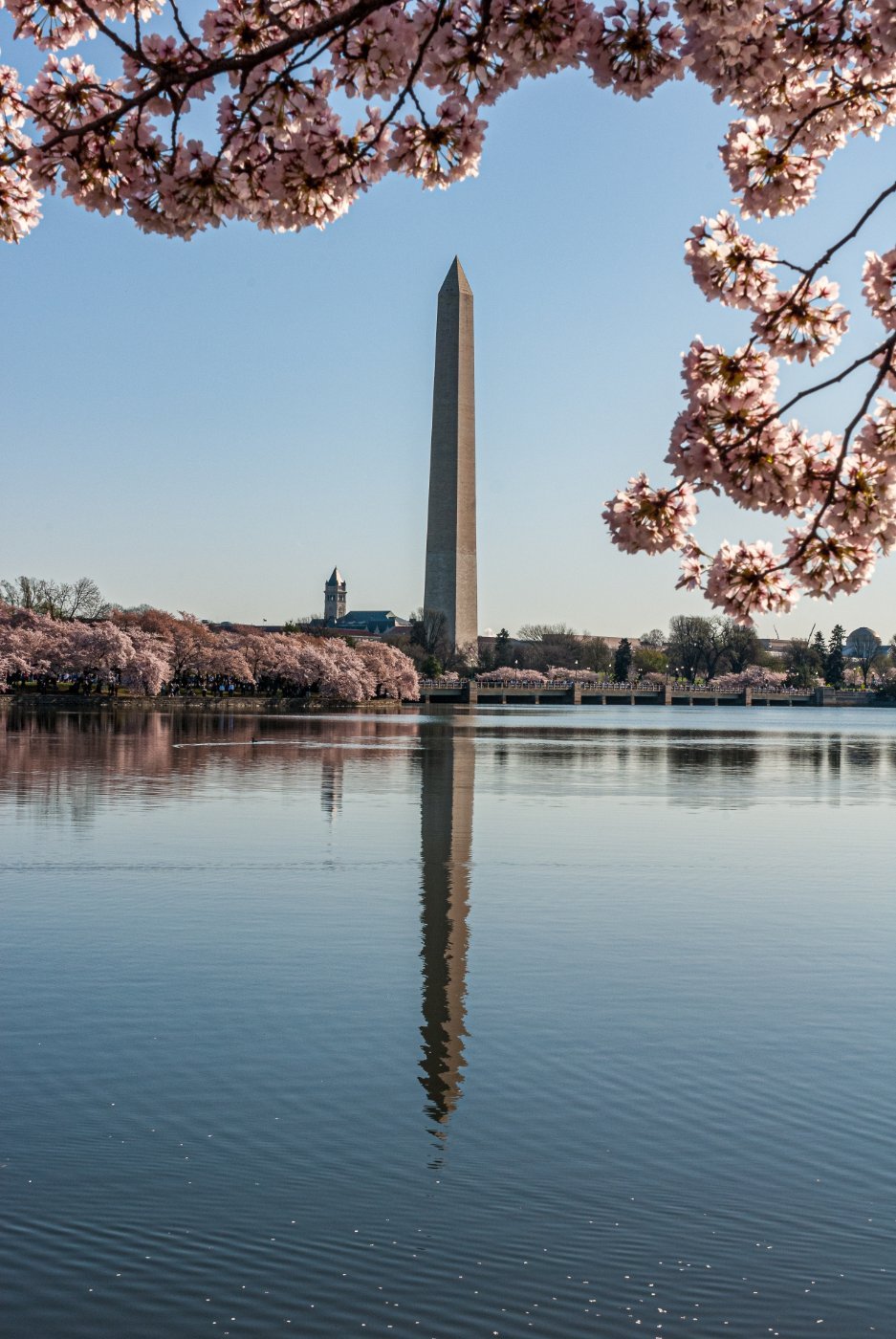
Everyone knows about the cherry blossoms, which last about two weeks in late March or early April and bring absurd crowds.
The 2.1 mile loop around the water is worth walking any time of year. It takes in the Jefferson Memorial, the FDR Memorial and the Martin Luther King Jr Memorial, and there’s a paddle boat rental if you want to be on the water.
If you are here for the blossoms, go at sunrise. By nine it is genuinely difficult to move.
▶ Watch This Before You Go
Georgetown, and the Canal
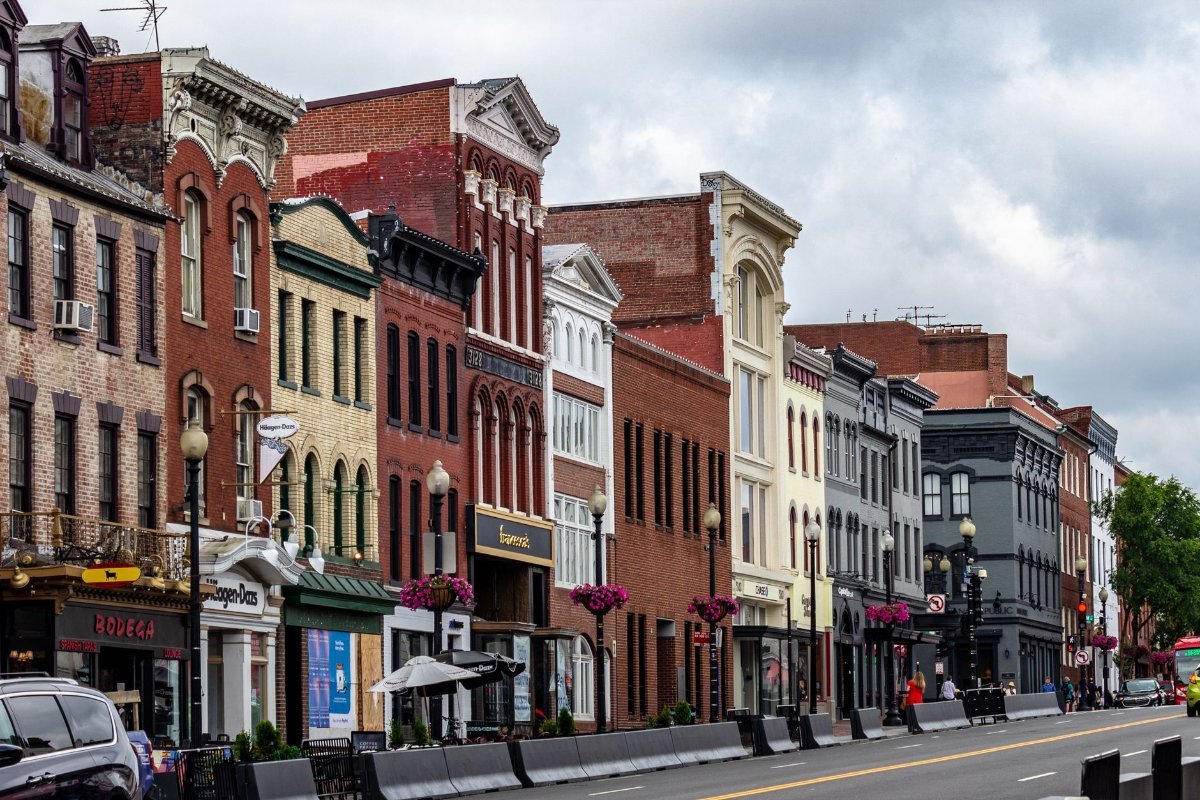
The oldest neighbourhood in the city, predating the capital itself, with brick townhouses and cobbled streets running down to the Potomac.
M Street and Wisconsin Avenue are the shopping streets and they’re fine. The better move is the C&O Canal towpath, which starts here and runs 184 miles to Cumberland, Maryland.
Walk or cycle a few miles of it and the city disappears within minutes. There are lock keepers’ houses and a genuine sense of the 1830s.
The Exorcist steps are here too, a steep flight between Prospect Street and M Street, and people run them for exercise, which seems disrespectful to the film.
Eastern Market and Capitol Hill
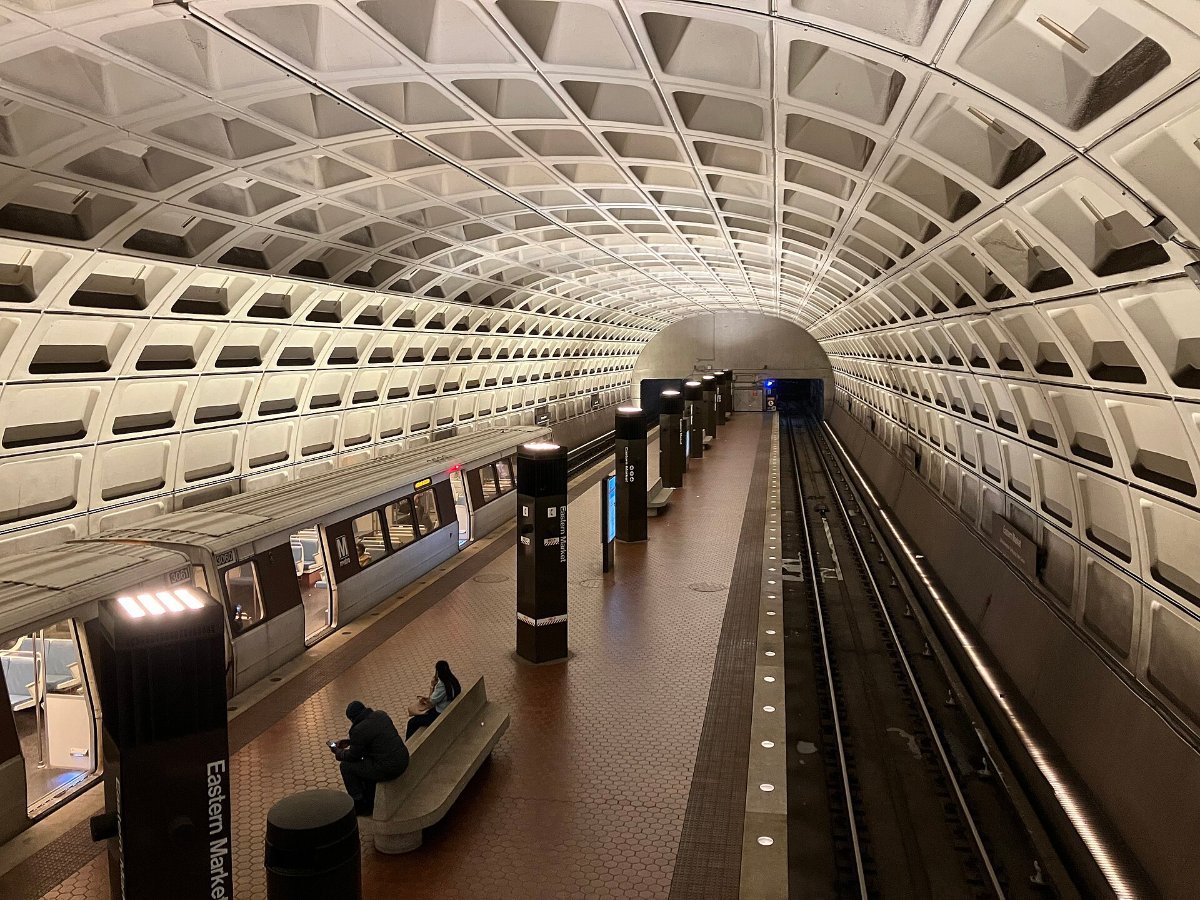
A brick market hall from 1873 on Capitol Hill, with butchers, bakers and produce inside and a big weekend flea market outside.
Saturday morning is the time. The blueberry buckwheat pancakes at the lunch counter have a queue and deserve it.
The residential streets around it are among the prettiest in the city, all coloured row houses, and the neighbourhood feels lived in rather than governmental.
Barracks Row nearby has good restaurants and is where people who work on the Hill actually eat.
Rock Creek Park
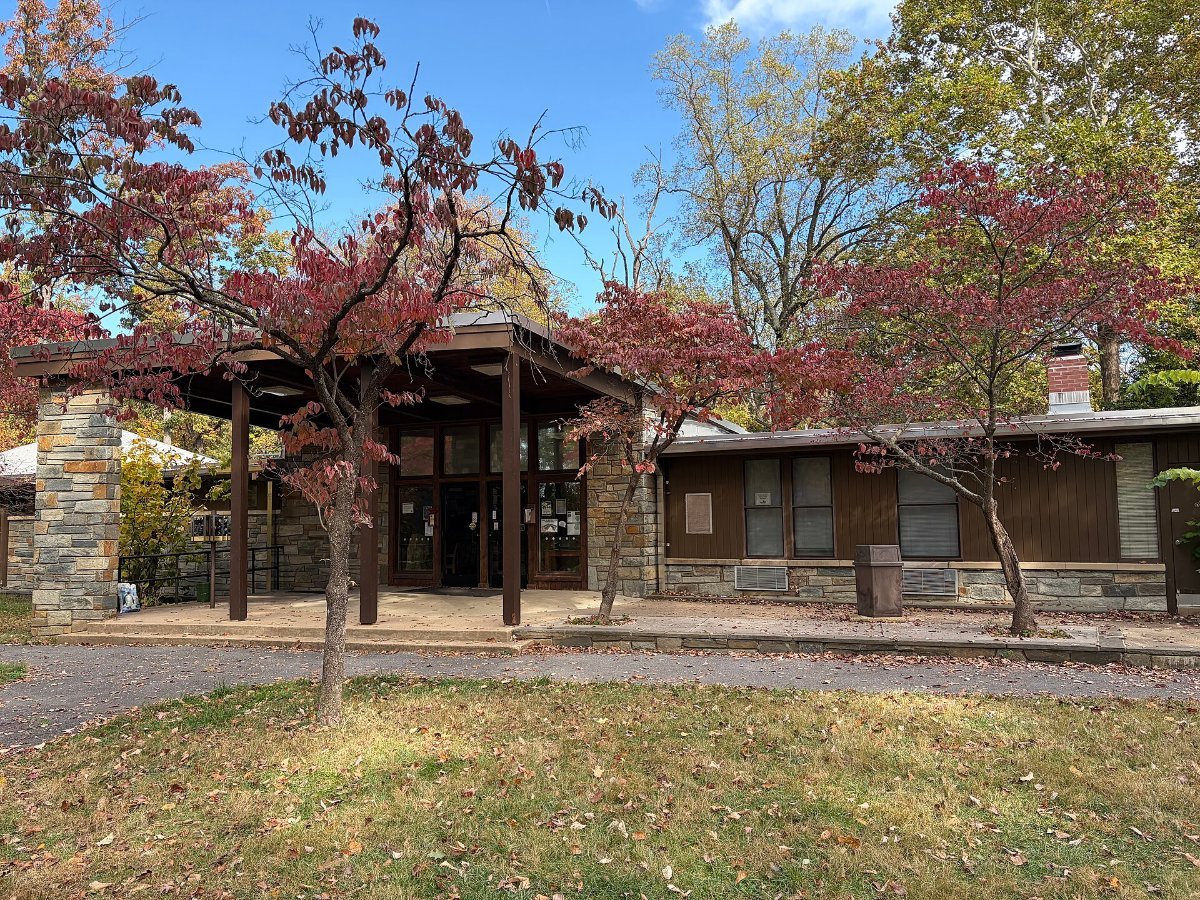
1,754 acres of wooded valley running right through the middle of DC, twice the size of Central Park and about a tenth as busy.
There are 32 miles of trails, a Civil War fort, a nature centre and a planetarium. Beach Drive is closed to cars at weekends and becomes a cycling and running route.
You can be on a proper forest trail twenty minutes from the White House, which is not a sentence that applies to many capital cities.
The Neighbourhoods Worth an Evening
DC’s food scene has changed enormously in the past fifteen years and almost none of it is downtown.
Shaw and the U Street corridor have the history, including Ben’s Chili Bowl since 1958, and the new restaurants. Ethiopian food here is exceptional, since DC has the largest Ethiopian community in the country.
Adams Morgan is the late-night one. H Street NE has a streetcar and a lot of small bars. Union Market north east is a food hall in an old warehouse district.
Half smokes are the local dish: a half pork, half beef sausage with chilli on top. Order one at Ben’s and don’t overthink it.
Cross the River
Arlington National Cemetery is technically in Virginia and it’s a short metro ride. The Changing of the Guard at the Tomb of the Unknown Soldier happens every hour, or every half hour in summer, and it’s precise to a degree that’s hard to describe.
Old Town Alexandria is 20 minutes further south, an 18th century port town with a waterfront and cobbled streets. It’s a genuinely lovely half day and most DC visitors never go.
The Netherlands Carillon next to Arlington gives you the best skyline view of the city, free, and hardly anyone is there.
Watch the Government Happen
Not a museum and genuinely interesting. When Congress is in session you can watch from the public galleries, and international visitors can get passes from the appointment desks.
The Supreme Court hears oral arguments on set days from October to April and the public queue is free. Even the building itself is open to walk into on non-argument days.
The Library of Congress reading room is one of the most beautiful interiors in America and requires only a free reader card, which takes twenty minutes to get.
Practical Things
The Metro is clean, easy and goes everywhere you need. Get a SmarTrip card. Rush hour fares are higher, so travel off-peak if you can.
DC is walkable in the core and the Mall is deceptive. It’s two miles from the Capitol to the Lincoln Memorial, which people discover the hard way in August humidity.
Speaking of which: DC summers are hot and extremely humid. Spring and autumn are far better, and October in particular is close to perfect 🙂
Common Questions
How many days do you need in Washington DC? Three for a first visit, four if you want neighbourhoods as well as monuments.
Are the memorials free? Yes, all of them, and they’re open around the clock. So are the Smithsonian museums.
When do the cherry blossoms bloom? Usually late March to early April, with peak lasting only a few days. The National Park Service publishes a forecast each year.
Is DC walkable? The Mall and downtown yes, though distances are longer than they look. Use the Metro between neighbourhoods.
What’s the best free thing that isn’t a museum? The memorials at night, without much competition.