You’ve decided to travel on your own. Then you start looking at group tours and wonder whether that counts, or whether it’s cheating, or whether it’s actually the sensible thing to do.
It’s a real question and the answer isn’t the same for everyone. A group tour is still solo travel, in the sense that you booked it alone and you’ll be with strangers.
Here’s an honest comparison, and a middle option that a lot of people miss.
What a Group Tour Actually Gives You

Structure. Somebody else has worked out the transport, the hotels, the order of the days and what happens if something goes wrong.
That sounds minor and it isn’t, because decision fatigue is the thing that grinds down first-time solo travellers. Every meal, every train, every evening is a choice you make alone.
You also get built-in company. You’re eating dinner with people rather than deciding whether you can face a restaurant.
And you get access. Some places, particularly in remote areas, are genuinely hard to reach independently, and a tour bus solves that in an afternoon.
What It Costs You
Money, first. Group tours carry a real premium over doing the same route yourself, sometimes 50 to 100 percent, and there’s often a single supplement on top for your own room.
Freedom, second. You will be in the museum you didn’t want to see, and you will leave the town you loved on schedule.
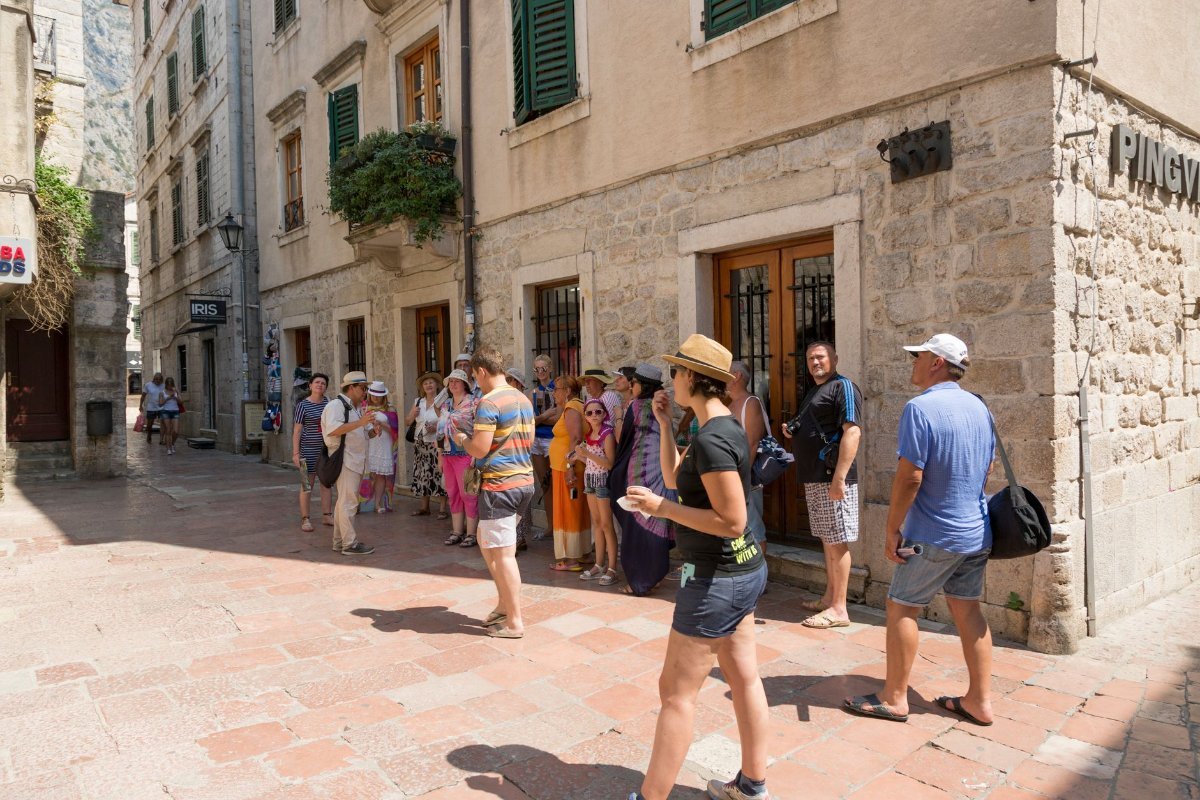
And a certain kind of experience. Moving as a group of eighteen changes how a place responds to you. Locals treat a tour group differently from a person on their own, and the difference is not small.
You also don’t build the confidence. If the point of the trip is proving to yourself you can do it, a tour partly does it for you.
▶ Watch This Before You Go
What Going Alone Gives You
Total control. You change your plans on a whim, stay an extra day, skip the cathedral, sleep until eleven.
It’s much cheaper, obviously. And you meet more people, which sounds backwards until you’ve done it. In a group you talk to your group. Alone, you talk to whoever’s there.
The confidence is the real prize. There is a specific feeling on about day three of a solo trip when you realise you’ve been handling everything and it’s been fine, and that feeling doesn’t come from a coach.
What It Costs You
Effort. You are the planner, the navigator, the problem-solver and the entertainment.
Some loneliness, honestly. Not constant, but there are evenings, and pretending otherwise doesn’t help anyone.
And a bit more risk. Nobody notices if you don’t come back from the hike, which is why the safety habits matter more.
The Honest Test
Ask yourself which of these is actually stopping you.
If it’s logistics, unfamiliar languages, complicated transport, not knowing how anything works, then a tour genuinely solves your problem.
If it’s the fear of being alone with yourself, a tour postpones the thing rather than solving it. You’ll come home having had a nice holiday and still not knowing whether you can travel alone.
Neither answer is wrong. But be honest about which one you’re buying 🙂
Where Tours Genuinely Win
Destinations with real logistical difficulty: parts of central Asia, overland routes in Africa, Antarctica, the Galapagos, trekking permits in Bhutan or parts of Nepal.
Trips where safety is a serious factor, such as high-altitude trekking or desert crossings.
Short trips where you have eight days and no appetite for losing one to a missed connection.
And if you’re nervous about age, a lot of tours skew older, and plenty of people travelling solo in their 50s, 60s and 70s use them for exactly that reason.
Where Independent Wins
Western Europe, Japan, most of the US, Australia, New Zealand. Good infrastructure, English widely spoken or easily navigated, and independent travel is straightforward and much cheaper.
Any trip longer than about three weeks, where a tour becomes very expensive and you’d want to slow down anyway.
City trips generally. A guided tour of a walkable city is mostly paying someone to walk you to places you could have found.
The Middle Option Nobody Mentions
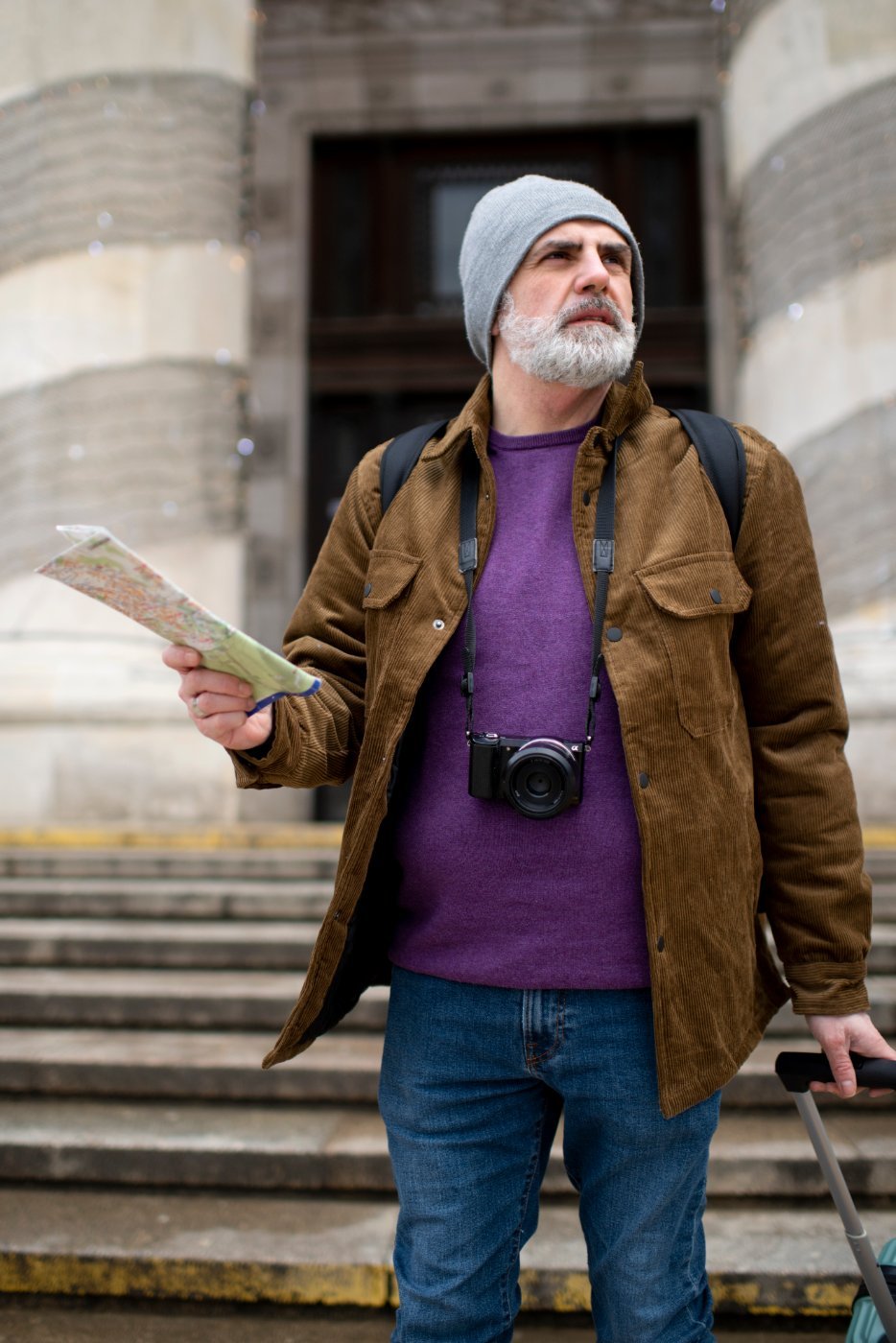
You don’t have to pick. This is the bit that gets missed.
Travel independently and buy individual days. A cooking class in Bologna, a walking tour on your first morning, a guided hike, a day trip to somewhere awkward to reach.
You get the structure and the company exactly when you need them, at a fraction of the cost, and you keep the freedom the rest of the time.
Free walking tours in most European cities are a particularly good first-morning move. Two hours, you learn the layout, you tip what you think it’s worth, and you’ll often end up at lunch with someone from the group.
Small group tours of six to twelve people are the other middle ground. More expensive per head than the big coach operators, far more flexible, and much easier to actually talk to people.
Questions to Ask Before Booking a Tour
How many people? Under twelve feels different from thirty-plus.
What’s the average age and the typical solo percentage? Operators will tell you if you ask, and it varies enormously.
Is there a single supplement, and is there a share-a-room option to avoid it?
How much free time is built in? A good itinerary leaves afternoons open. A bad one lists nine things a day.
What’s actually included? Some tours quote a low headline price and then most meals and every excursion are extra.
Common Questions
Is a group tour still solo travel? Yes. You booked alone, you’ll be with strangers, and most tour groups have a high proportion of solo travellers.
Which is cheaper? Independent, almost always, often by a wide margin once you add the single supplement.
Will I meet people on a tour? Yes, and easily. You’ll meet fewer locals, though, and more fellow tourists.
What if I book a tour and hate the group? It happens. Smaller groups reduce the risk, and a tour with plenty of free time lets you take yourself off for an afternoon.
What’s the best first solo trip? Independent, somewhere easy, for four or five days, with one or two organised activities booked in. That’s the combination that builds confidence without being daunting.