Milan gets a rough deal from travellers. It’s the city people fly into on the way to the lakes, give a day to, and write off as grey, businesslike and not proper Italy.
Some of that’s fair. It was heavily bombed in the war, rebuilt fast, and it does not look like Florence.
But it has the most extraordinary cathedral in Italy, a Leonardo mural you need to book months ahead for, and an aperitivo culture that beats anywhere in the country. Two days done right and you’ll change your mind.
The Duomo, and Going Up It
Take the obvious thing first, because it’s genuinely one of the great buildings on earth.
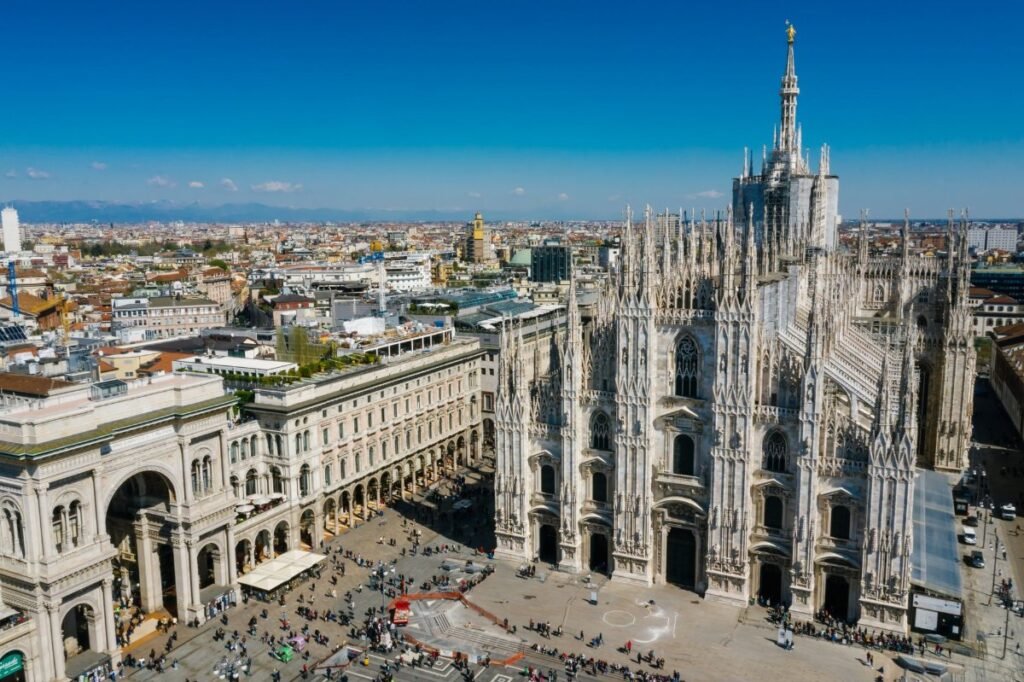
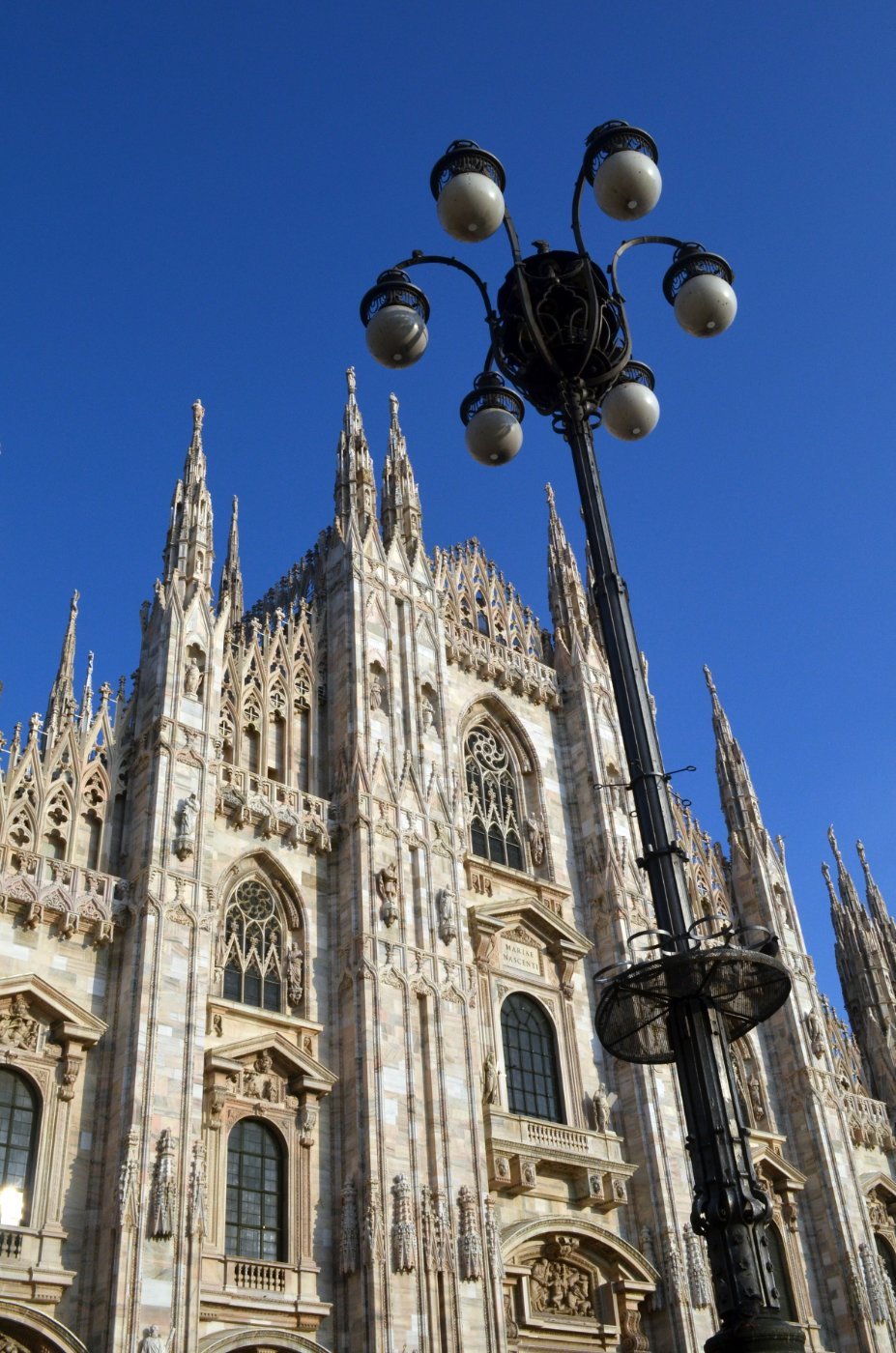
The Duomo took nearly 600 years to build, has 135 spires and something like 3,400 statues, and is made of pink-white Candoglia marble that changes colour through the day.
The crucial thing, and the bit people skip: go up onto the roof. You walk among the spires and flying buttresses, on the actual roof of the cathedral, with the Alps visible on a clear day. It is the best thing in Milan.
Buy the ticket that includes lift access to the terraces, book online with a time slot, and dress for a church, meaning shoulders and knees covered.
The Galleria Next Door
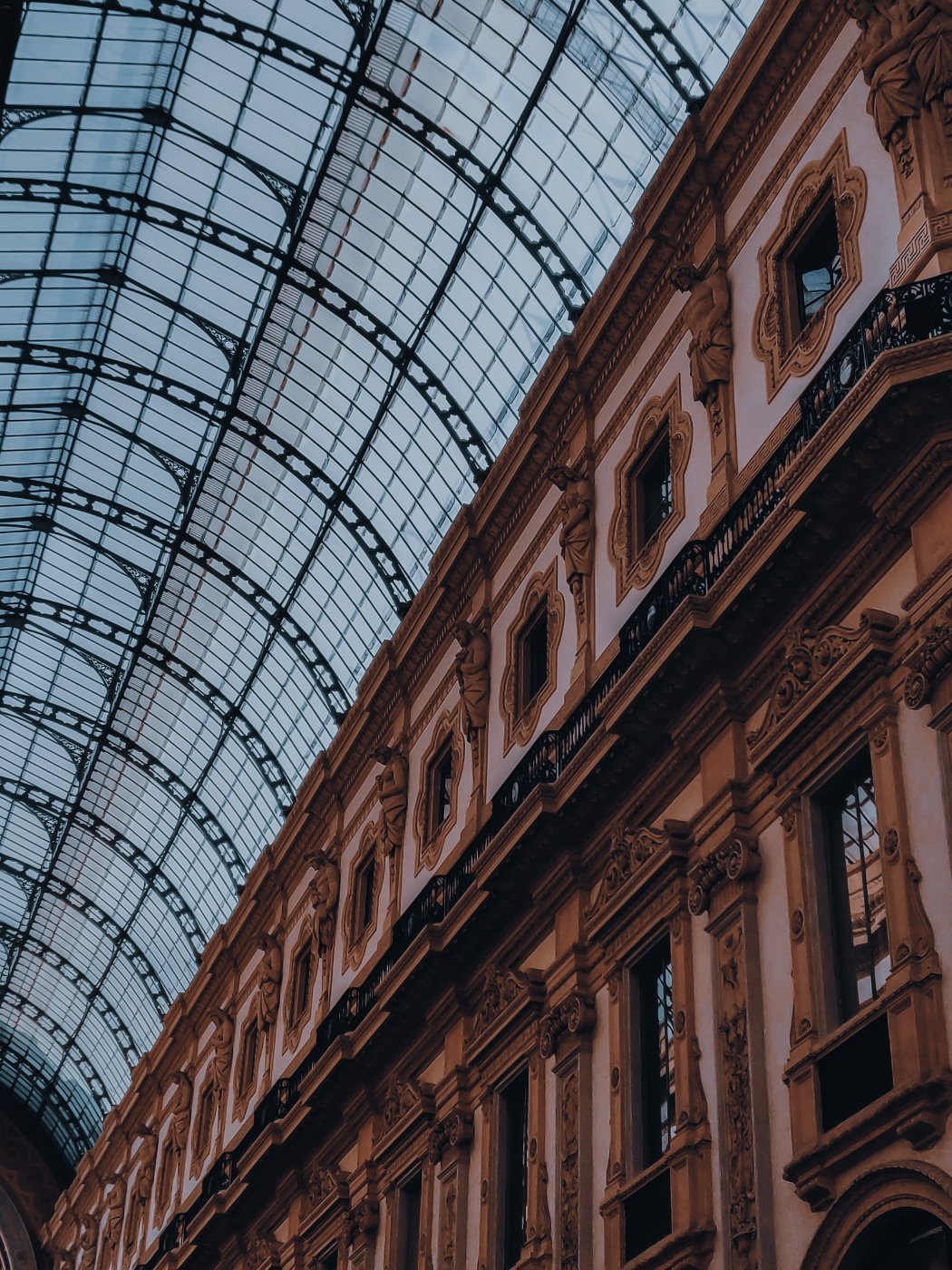
The Galleria Vittorio Emanuele II opened in 1877 and is essentially the world’s most beautiful shopping centre: a glass-roofed arcade in the shape of a cross, with mosaic floors and four-storey facades.
It costs nothing to walk through and it takes ten minutes. The shops are Prada and Louis Vuitton and you needn’t go in.
There’s a mosaic bull on the floor and the tradition is to spin on your heel on it for luck. There is a permanent small hole where the bull’s, ah, dignity used to be. Everyone does it.
▶ Watch This Before You Go
The Last Supper, Booked Months Ahead
Leonardo’s mural is in the refectory of Santa Maria delle Grazie and this is the one thing that genuinely requires planning.
Only 35 people go in at a time, for 15 minutes, and tickets are released a few months in advance and sell out within hours. Set a reminder for the release date.
If you miss it, official guided tours sometimes hold blocks of tickets at a markup. Worth it, in my opinion, because it’s remarkable in person in a way reproductions do not convey.
It’s also very faded, because Leonardo experimented with a technique that started deteriorating within twenty years. Know that going in.
Sforza Castle and the Park
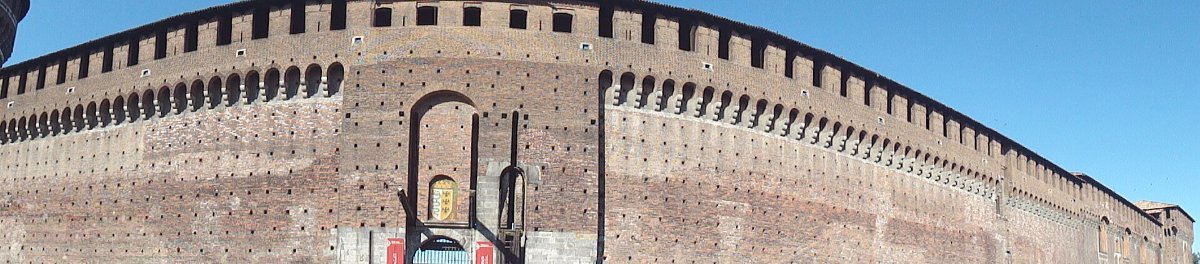
A big red-brick fortress at the top of the centre, once the seat of the dukes of Milan, now a set of museums around courtyards you can walk into free.
The main draw inside is Michelangelo’s Rondanini Pieta, his last sculpture, unfinished when he died. It’s in its own room and it’s extraordinary and quiet.
Behind the castle, Parco Sempione is the city’s central park, and Milan needs it. It’s where the city relaxes.
Aperitivo, Which Milan Invented
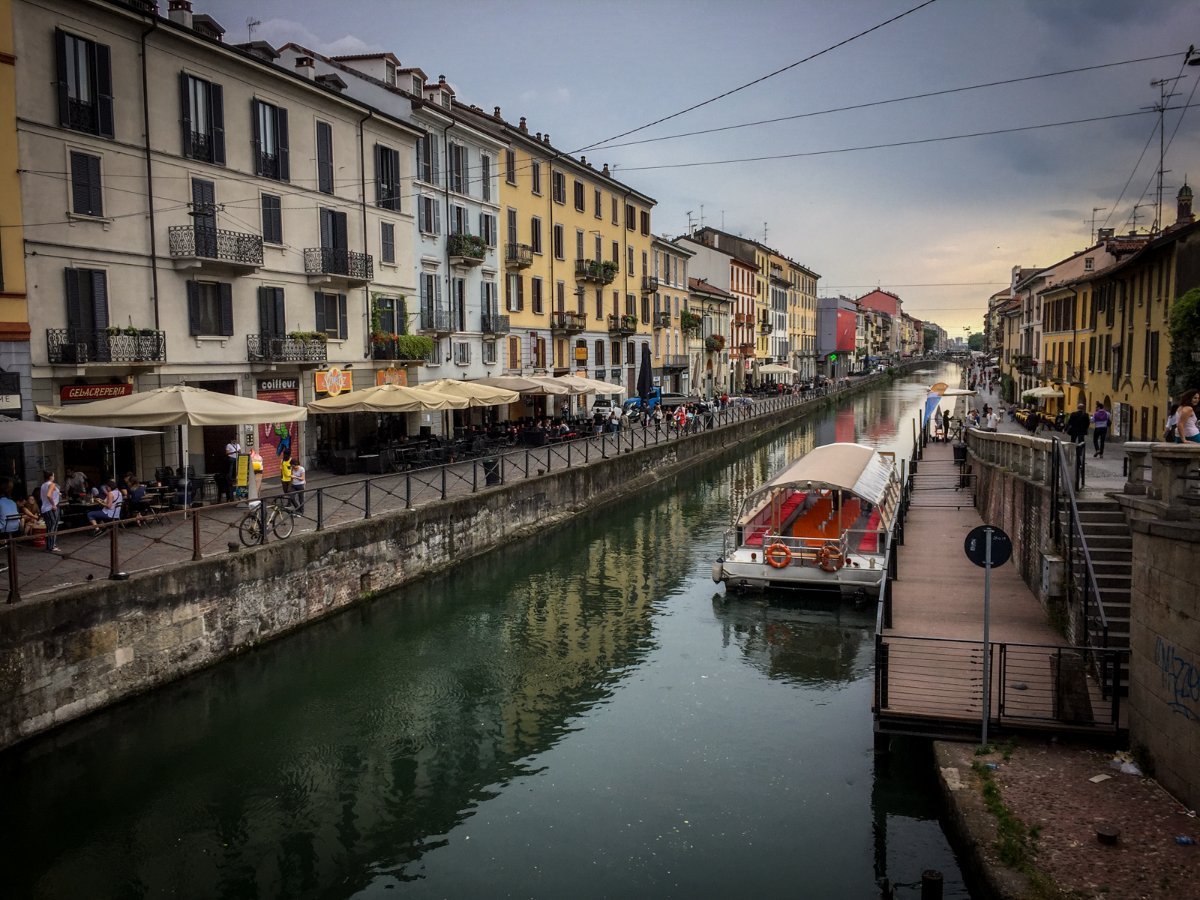
This is the reason to be in Milan in the evening and it’s a proper institution here rather than a marketing idea.
From about six, you buy a drink at a price that seems high, and food comes with it. In Milan that often means a full buffet, and in some places it’s effectively dinner.
The Navigli, the canal district in the south, is where this happens at scale. Two canals lined with bars, everyone outside, and it runs late.
Brera is the smarter version, all narrow streets and galleries. Porta Nuova and Isola are the modern glossy version under the new towers.
Order a Negroni Sbagliato. It was invented in Milan, by accident, when a bartender reached for prosecco instead of gin.
Where Milan Actually Feels Good
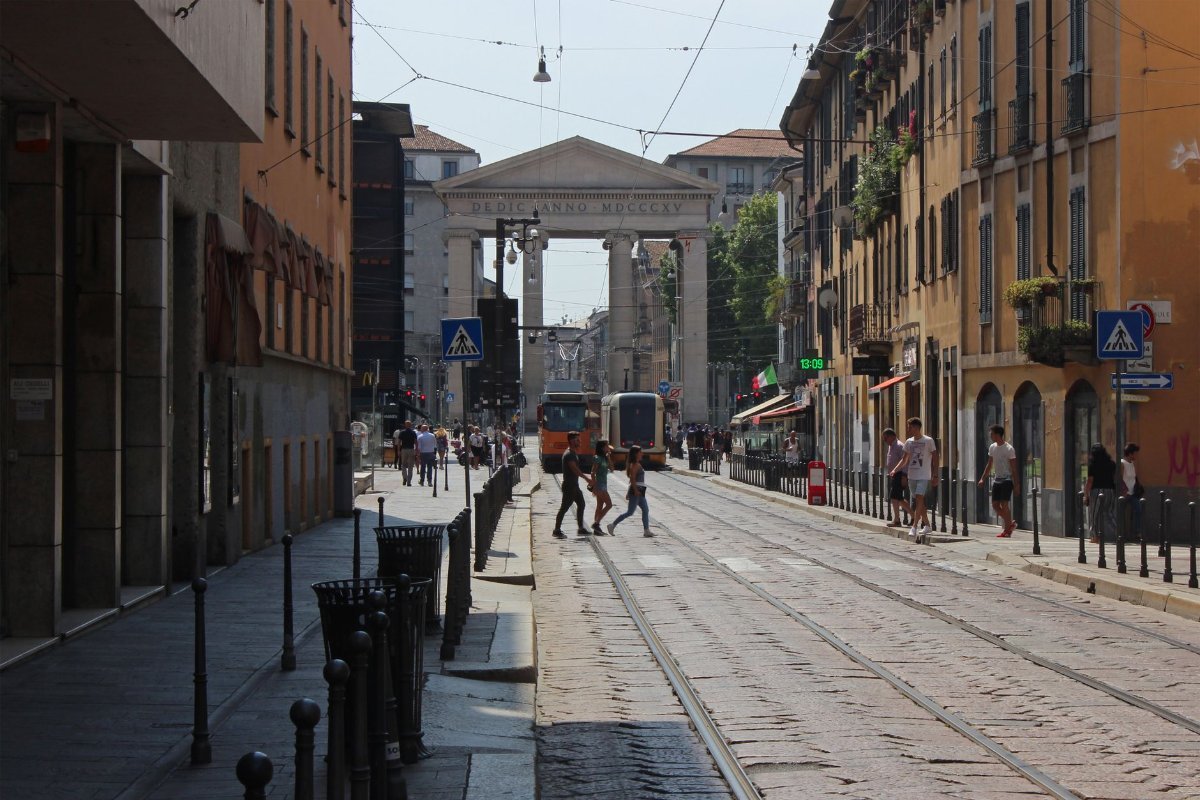
Brera is the neighbourhood I’d send anyone to. Cobbled streets, the art academy, small restaurants and the Pinacoteca di Brera, which is a genuinely first-rank gallery that half the visitors to Milan don’t know exists.
Isola and Porta Nuova show the other Milan: the Bosco Verticale, two residential towers covered in 900 actual trees, and the redeveloped business district around them. It’s the only part of Italy that looks forward rather than back.
The Cimitero Monumentale is a cemetery full of extravagant sculpture and mausoleums by serious artists. Free, quiet, and one of the most interesting hours in the city.
What to Skip
The designer shopping, unless that’s specifically your thing. The Quadrilatero della Moda is four streets of very expensive boutiques and it’s fine to walk past.
The queue for the Duomo without a pre-booked ticket. It’s long and entirely avoidable.
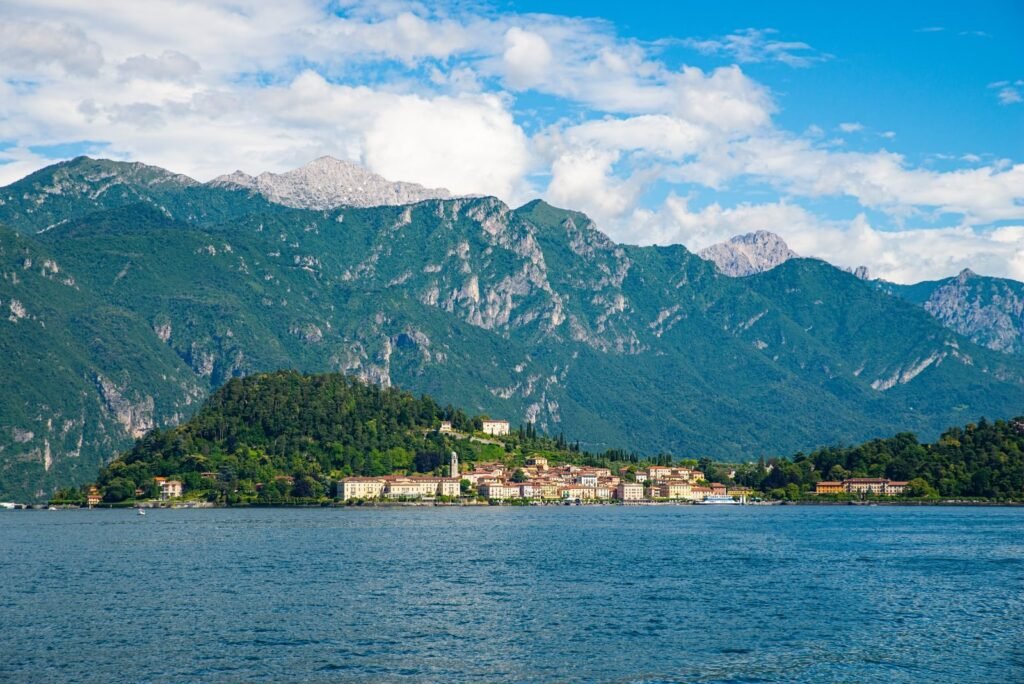
Trying to fit the lakes into the same day. Como is an hour by train and deserves a full day of its own, not an afternoon.
And honestly, a third day, unless you’re using Milan as a base. Two days covers it well :/
Eating in Milan
Milanese food is northern, rich and butter-based rather than olive oil. Risotto alla milanese is yellow with saffron. Cotoletta is a breaded veal cutlet, bone in, the size of a plate. Ossobuco is braised veal shank.
Panettone comes from here, and in December the city is full of it.
Milan also has the best international food in Italy by a distance, being the most cosmopolitan city in the country. If you’ve had a fortnight of pasta, this is where you break.
Practical Things
The metro is excellent, cheap and easy, with four lines covering everything in this article.
Malpensa airport is 50 minutes out by train. Linate is much closer, about 15 minutes on the metro. Bergamo, confusingly marketed as Milan, is an hour away by coach.
Milan is the best rail hub in northern Italy. Como in an hour, Turin in an hour, Venice in two and a half, Bologna in an hour.
August is dead. Genuinely, much of the city closes and residents leave. Avoid it if you can.
Common Questions
Is Milan worth visiting? Yes, for two days. The Duomo roof, the Last Supper and the aperitivo culture justify it on their own.
How far ahead should I book the Last Supper? Two to three months, and set a reminder for the ticket release. It sells out in hours.
How many days do you need in Milan? Two. Three if you’re day-tripping to Lake Como or Bergamo.
Is Milan expensive? It’s the most expensive city in Italy for hotels, though aperitivo is genuinely good value for what you get.
Is Milan a good base for northern Italy? An excellent one. The rail connections beat anywhere else in the region.