Portland for First-Timers: What to See, Eat, and Skip
Portland spent about a decade being the punchline of a sketch show and another few years in the news for reasons the city would rather forget. Both of those are now out of date.
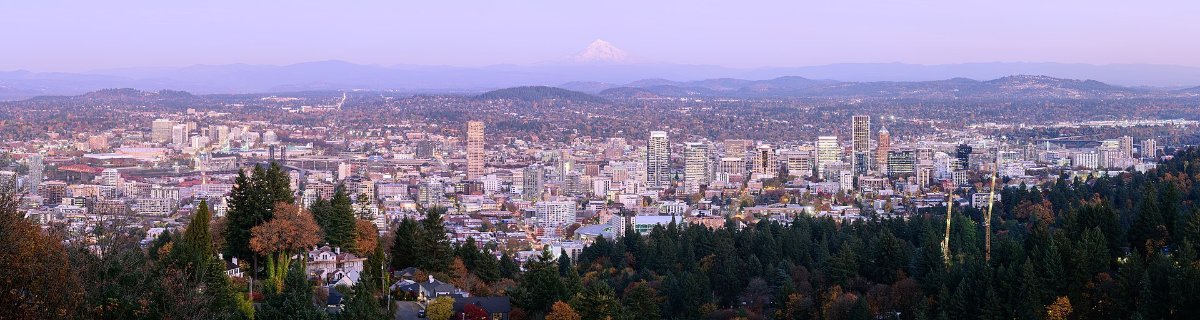
In this guide
What’s actually here: no sales tax, the best bookshop on earth, more food carts than anywhere in America, and a volcano visible from the end of a lot of streets.
Here’s a first-timer’s version, including the bits I’d skip.
Eat From the Carts
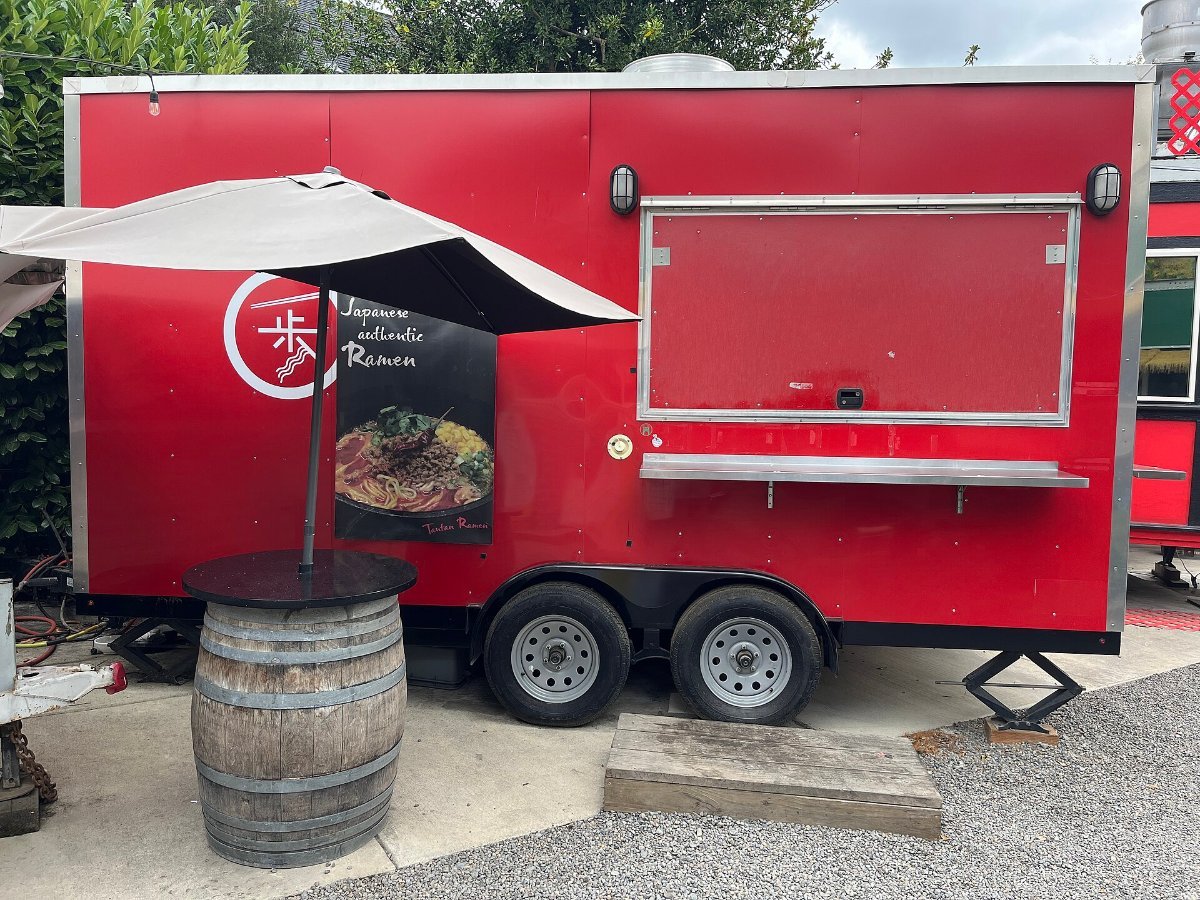
Portland’s food carts aren’t the trucks you get elsewhere. They’re permanent, they cluster in pods on car parks, and there are several hundred of them.
The pods are the point. A dozen kitchens around a shared seating area, so a group can eat Thai, Georgian, Mexican and Ethiopian at the same table. Prices are a fraction of a restaurant.
Good pods: Prost Marketplace on Mississippi, Cartopia on Hawthorne, Hawthorne Asylum. Most are open late.
The downtown pods that used to be famous have largely dispersed to the neighbourhoods, so don’t go looking for the ones in ten-year-old guidebooks.
Powell’s City of Books
An entire city block, four floors, over a million books, new and used shelved together on the same shelf. It’s the largest independent bookshop in the world and it’s genuinely a landmark rather than just a shop.
They give you a map at the door. You will need it, and you will still get lost, and that’s fine.
The Rare Book Room upstairs is free to walk into and has things worth five figures sitting behind glass.
Budget two hours. Everyone says one and everyone is wrong.
The Japanese Garden
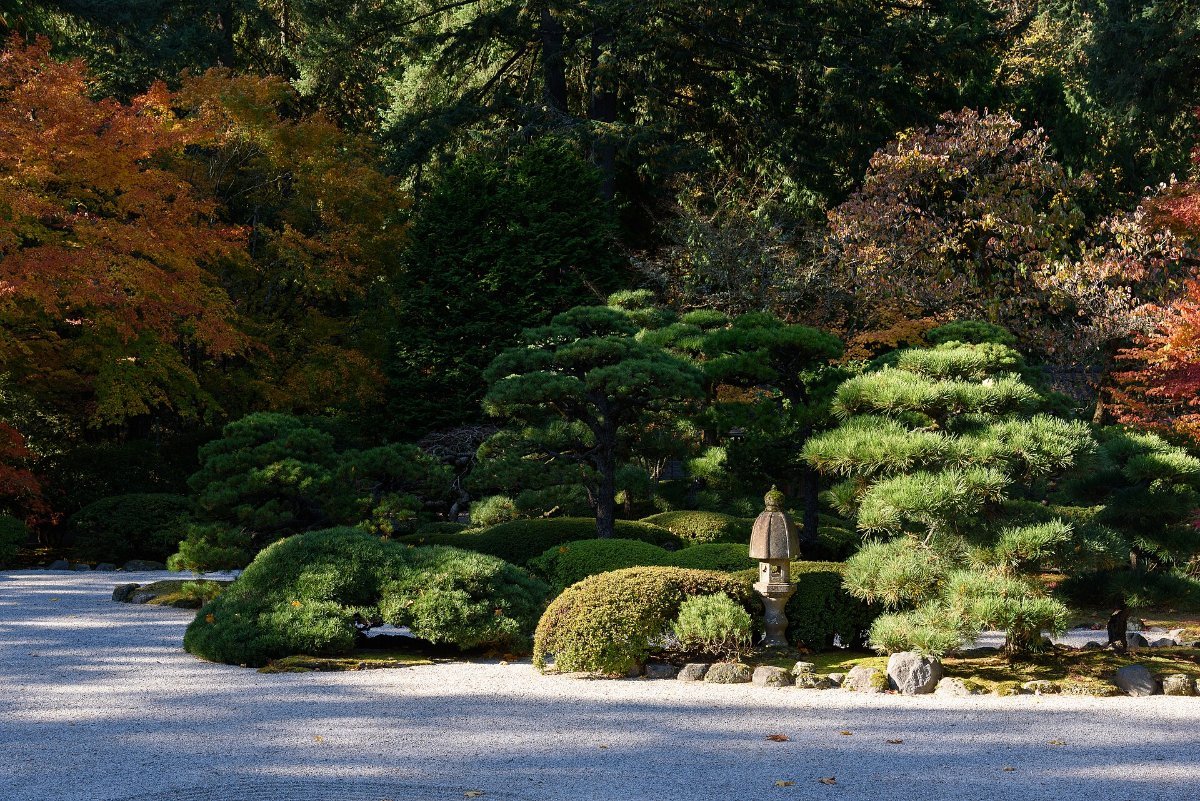
Up in Washington Park in the west hills, and widely considered the most authentic Japanese garden outside Japan.
Five and a half acres of eight garden styles, a tea house, and a view over the city to Mount Hood from the terrace on a clear day.
It costs a fair bit and it’s worth it. Go on a weekday morning, and honestly go in the rain, which is when a Japanese garden looks its best and everyone else stays home.
The International Rose Test Garden next door is free, has 10,000 rose bushes and peaks in June. Portland is called the Rose City for a reason.
▶ Watch This Before You Go
Walk the Bridges
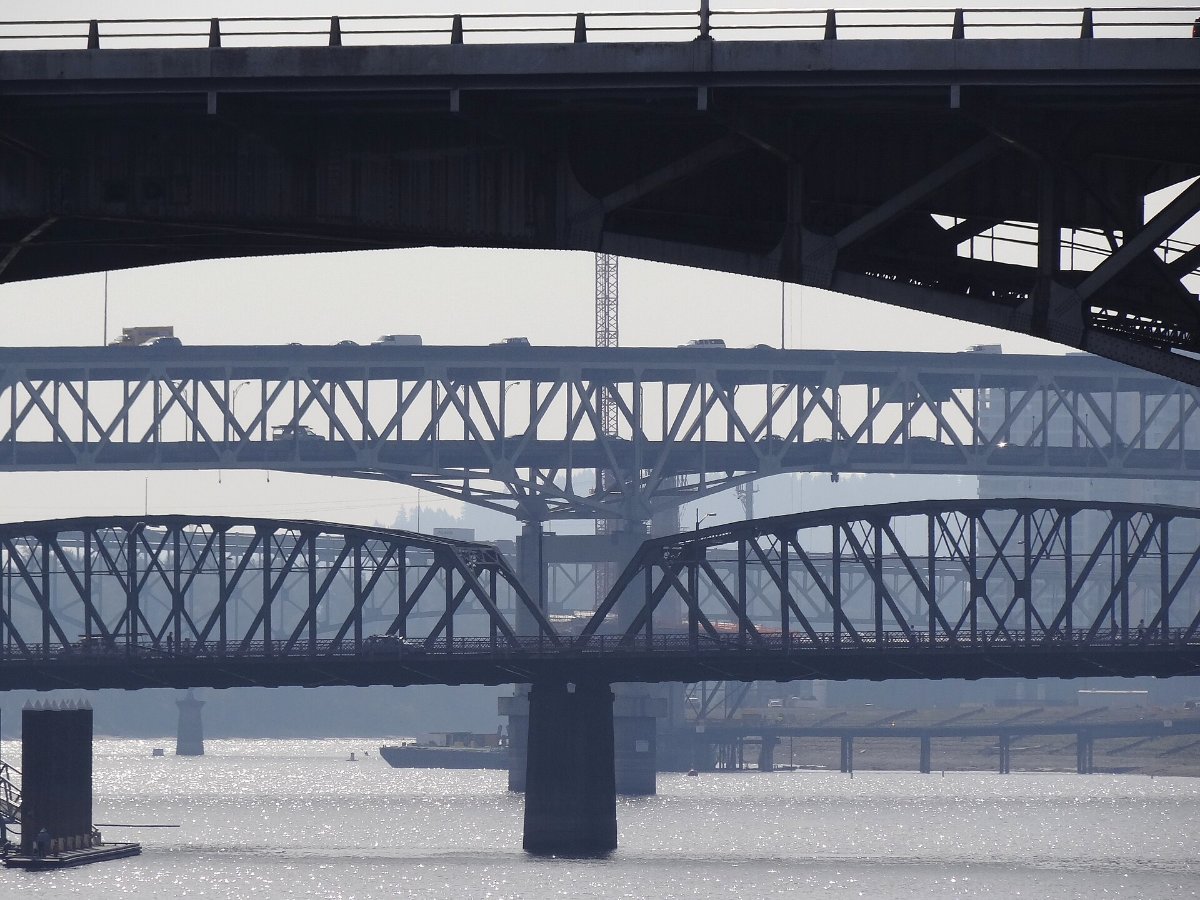
The Willamette splits the city and twelve bridges cross it, several of which lift or swing to let ships through.
Tilikum Crossing is the newest and carries trains, buses, bikes and pedestrians, but no cars at all, which is very Portland. The Steel Bridge has a lower deck for walking and cycling.
The Eastbank Esplanade runs along the water and loops back over the bridges, about three miles total, and it’s the best free hour in the city.
Get an Aerial Tram ride too. It runs from the south waterfront up to the hospital on the hill, costs very little, and the view is excellent.
The Neighbourhoods Worth Your Time
Portland is a city of neighbourhoods and downtown is the least interesting part of it. This surprises people who booked a downtown hotel.
Alberta Arts on the north east side has galleries, murals and good food. Mississippi Avenue nearby is similar and slightly smarter.
Hawthorne and Division on the south east are the classic Portland strips, vintage shops, bars, bookshops. Nob Hill in the north west is the smart one.
Sellwood is the quiet one with the antique shops and it has a proper old amusement park on the river.
Coffee and Beer, Since You Asked
Portland has around 70 breweries in the city limits, more than almost anywhere. The scene here is older than most, and it leans hoppy.
Coffee is taken very seriously and it predates the current wave. Stumptown started here in 1999 and half the independents in the city trained there.
Both are cheap by big-city standards, and neither requires you to know anything. Order and enjoy.
The Columbia River Gorge
Thirty minutes east and the landscape changes completely. The Columbia cut a gorge through the Cascades and left basalt cliffs with waterfalls dropping off them.
Multnomah Falls is the famous one, 620 feet in two tiers with a footbridge across the middle. It needs a timed permit in summer, so book.
The Historic Columbia River Highway links a run of smaller falls with far fewer people. Latourell, Bridal Veil, Wahkeena, all a short walk from the road.
Vista House at Crown Point gives you the whole gorge in one view for zero effort.
Mount Hood
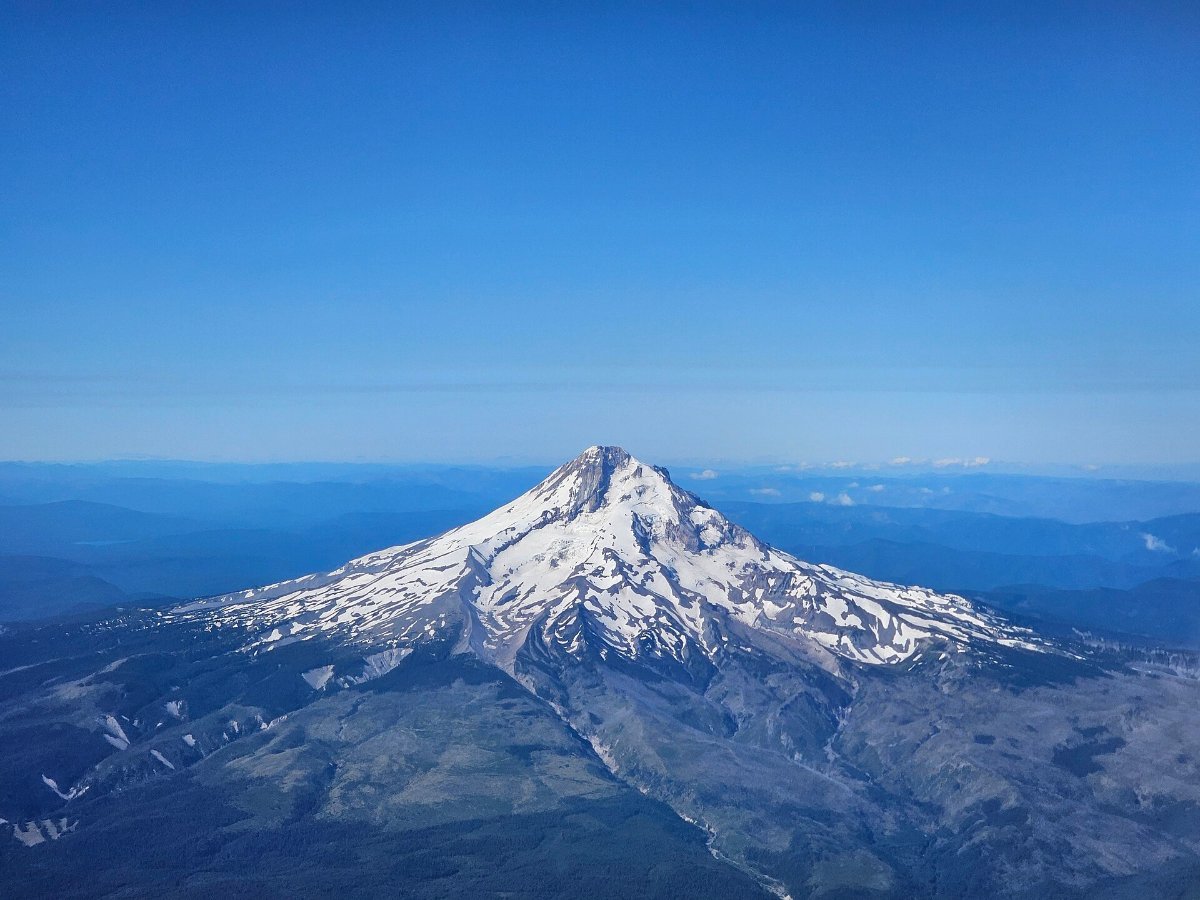
11,249 feet, an hour and a half east, and visible from the city on any clear day.
Timberline Lodge at 6,000 feet was built by hand in the 1930s and used as the exterior of the hotel in The Shining. You can stay, or just walk in and look at the woodwork.
It’s the only place in North America with year-round lift-served skiing, on the glacier, which is why you’ll see people with snowboards in August.
Trillium Lake is the postcard: the mountain reflected perfectly in the water, twenty minutes from the lodge.
What to Skip
The downtown core, mostly. It’s been slow to recover and there’s little there for a visitor that the neighbourhoods don’t do better.
Voodoo Doughnut. Long queue, mediocre doughnut, and every local will tell you to go to Blue Star instead. They’re right.
Driving, if you can avoid it. Portland’s transit is decent, the city is flat and bikeable, and parking downtown is a faff :/
When to Go
July to September, without much argument. Dry, mid twenties, and it barely rains at all in those months, which contradicts the entire reputation.
The rest of the year is grey and drizzly from October to June, with about 155 rainy days. It’s rarely heavy, and it’s relentless.
June is roses. Late September is quiet and still warm. Winter is cheap and you’ll want a coat and low expectations.
Common Questions
How many days do you need in Portland?
Three for the city and neighbourhoods. Four or five with the Gorge and Mount Hood.
Is Portland walkable?
The centre and individual neighbourhoods yes, and they’re small blocks. Between neighbourhoods you’ll want a bike, bus or train.
Is there really no sales tax?
Correct. Oregon has none, so the price on the label is the price you pay. It makes a noticeable difference on bigger purchases.
Do I need a car?
Not for the city. Yes for the Gorge and Mount Hood unless you take a tour.
Portland or Seattle?
Seattle for water, mountains and a bigger city. Portland for food, books, beer and a slower pace. They’re three hours apart, so do both if you can.