Olympic is three parks in one and that’s not marketing, it’s the actual problem you have to plan around.
There’s a glaciated mountain range in the middle, a temperate rainforest on the west side, and 70 miles of wild Pacific coast. They’re hours apart and there is no road through the middle of the park. None. You drive around the outside on Highway 101.
Three days works if you accept that and split it properly. Here’s how.
The Layout, Because It Trips Everyone Up
The park is a rough circle of wilderness in the middle of the Olympic Peninsula, with roads poking in from the edges like spokes and stopping.
That means every destination is an in-and-out drive from the ring road. You cannot cut across. People look at a map, see Hurricane Ridge and the Hoh close together, and lose half a day finding out otherwise.
Port Angeles on the north coast is the practical base for days one and two. Forks on the west side works for day three, and yes, it’s the Twilight town, which the town has monetised with total commitment.
Allow more driving time than the map suggests. It’s slow, winding road with logging trucks.
Day 1: Hurricane Ridge
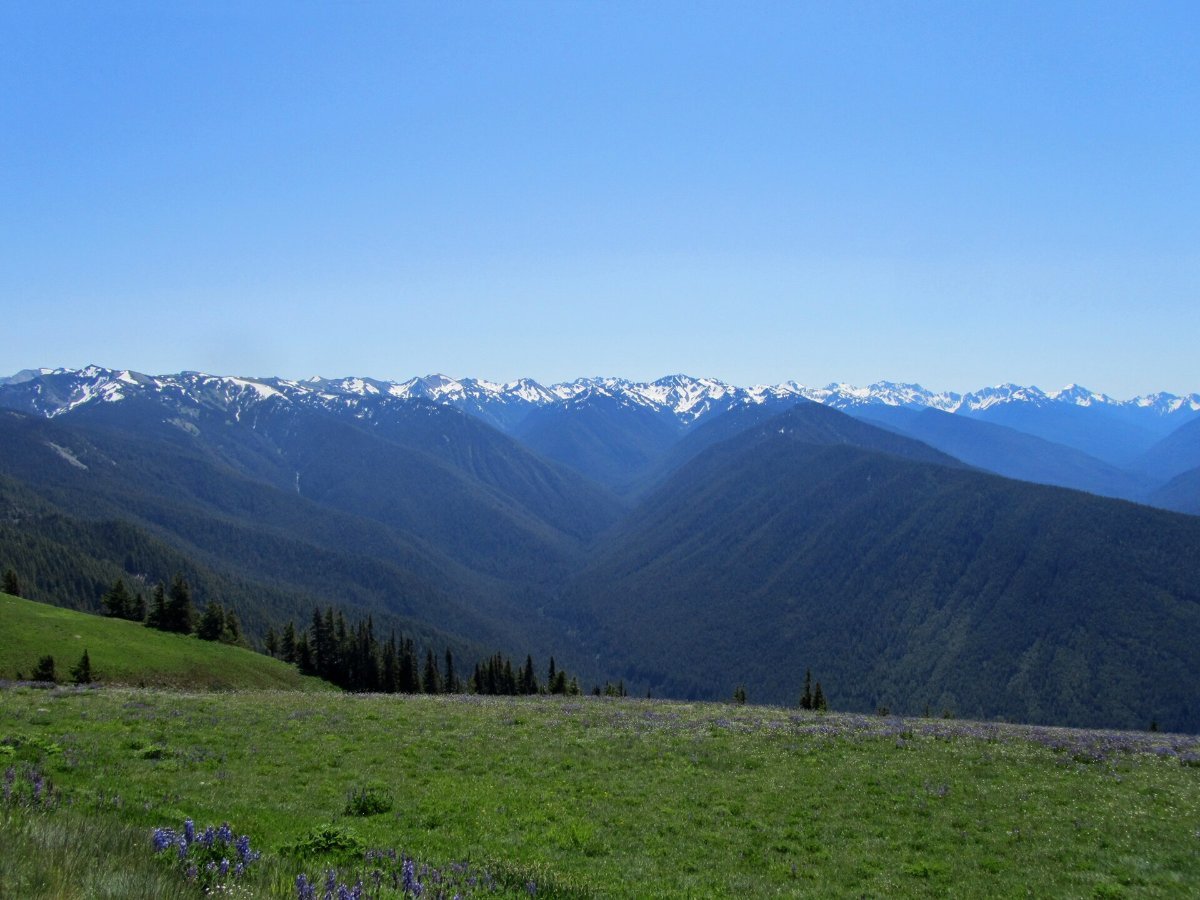
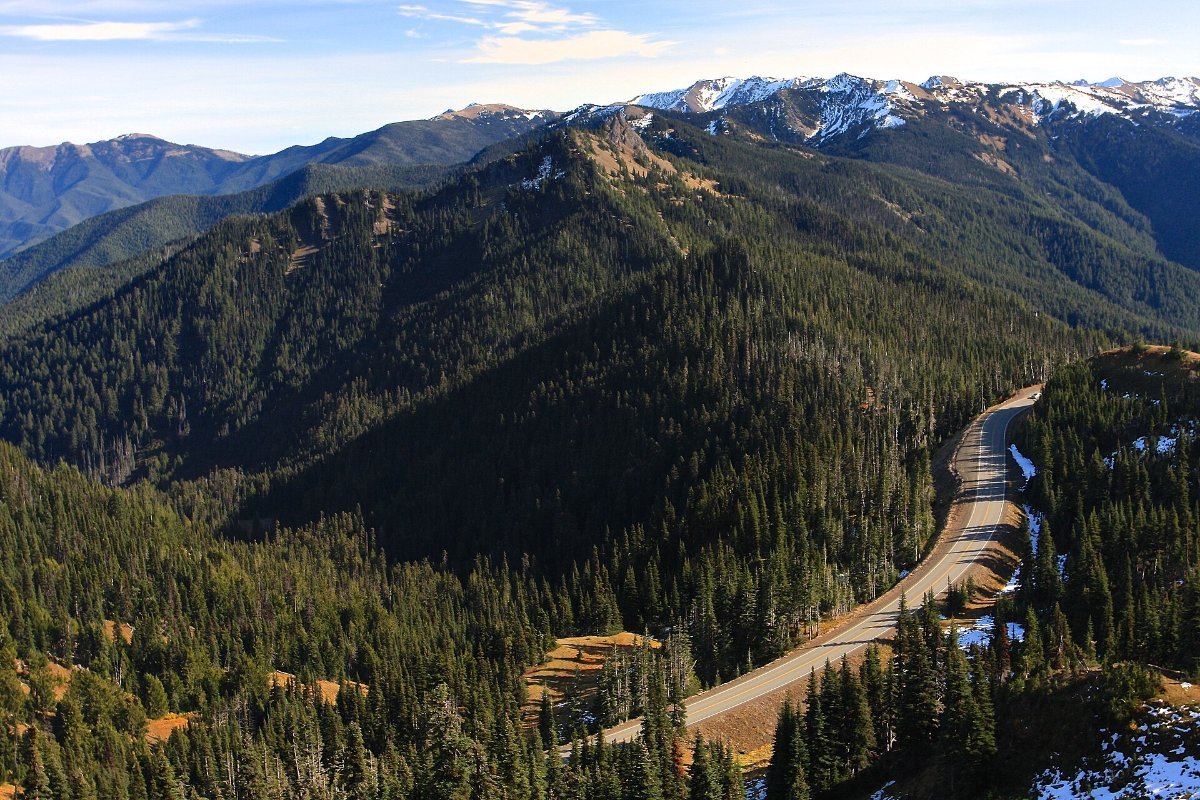
Seventeen miles up from Port Angeles and you’re at 5,242 feet looking straight across at glaciated peaks with nothing in between.
On a clear day it’s one of the great mountain views in America and it takes forty minutes of driving to reach. There are meadows, short trails and deer that are completely unbothered by people.
The Hurricane Hill trail is 3.2 miles round trip, paved for much of it, and gets you a 360 degree view including Vancouver Island.
Check conditions first. The road closes for snow well into spring, and the ridge sits in cloud a lot. If it’s socked in, go to Lake Crescent instead and come back tomorrow.
Day 1, Afternoon: Lake Crescent
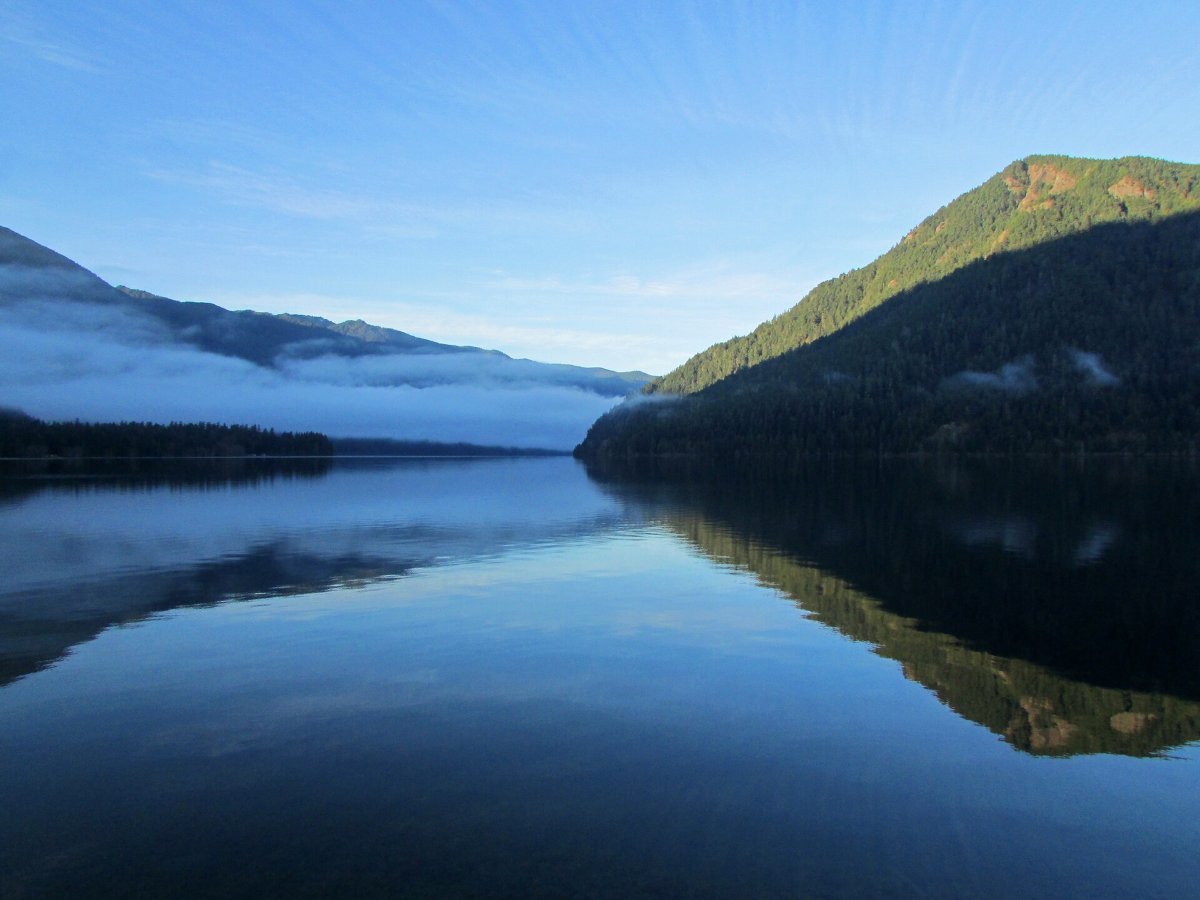
A glacially carved lake 600 feet deep with water so low in nitrogen that almost no algae grows, which makes it an intense blue.
Marymere Falls is an easy 1.8 mile walk through old growth from the lakeside to a 90 foot waterfall. Good for all ages.
The Spruce Railroad Trail runs along the north shore on an old rail bed, flat and mostly paved, past the Devil’s Punchbowl where people swim in summer if they’re brave about cold water.
Lake Crescent Lodge has been there since 1915 and does a decent lunch on the lawn.
▶ Watch This Before You Go
Day 2: The Hoh Rain Forest
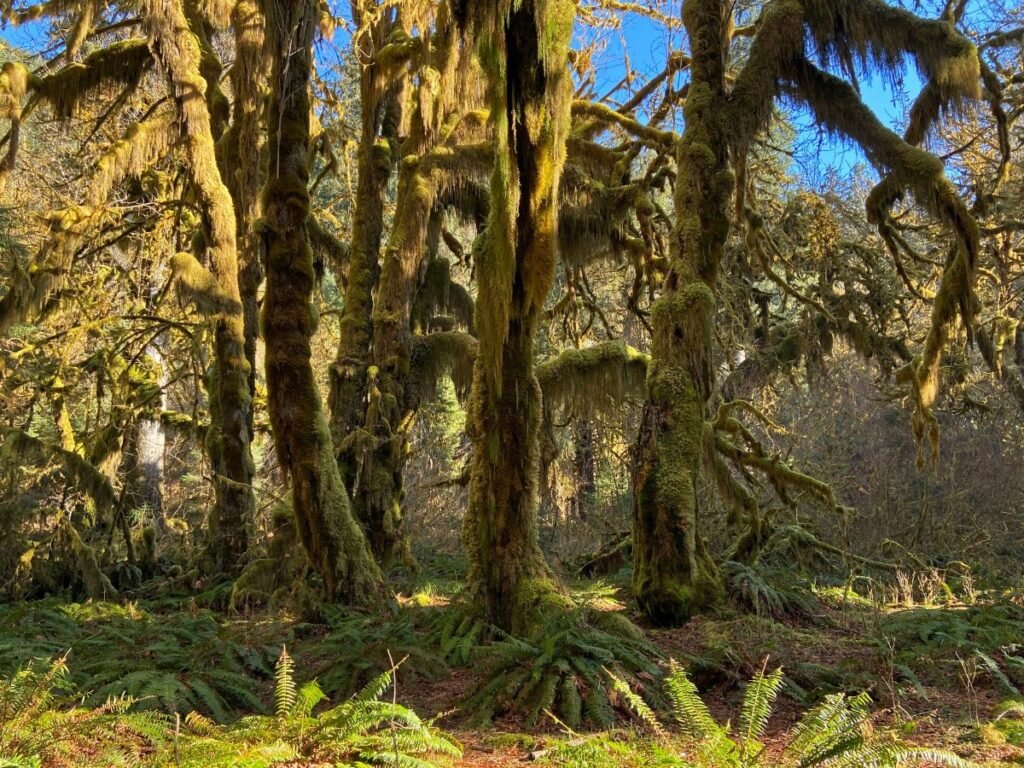
One of the largest temperate rainforests left in the northern hemisphere, receiving up to 14 feet of rain a year.
Everything is covered in moss. Sitka spruce and western hemlock 300 feet tall, club moss hanging in curtains, nurse logs with new trees growing out of them in a straight line. It genuinely looks unreal.
Hall of Mosses is 0.8 miles and flat, and it’s the one everyone does. Spruce Nature Trail is 1.2 miles and quieter. Both start at the visitor centre.
It’s a long drive from Port Angeles, roughly two hours each way. Leave early, and note the road in can queue badly in summer with a limited car park.
Go in the rain if it rains. It’s a rainforest, that’s the correct weather, and it looks better wet.
Day 2, Late: Sol Duc
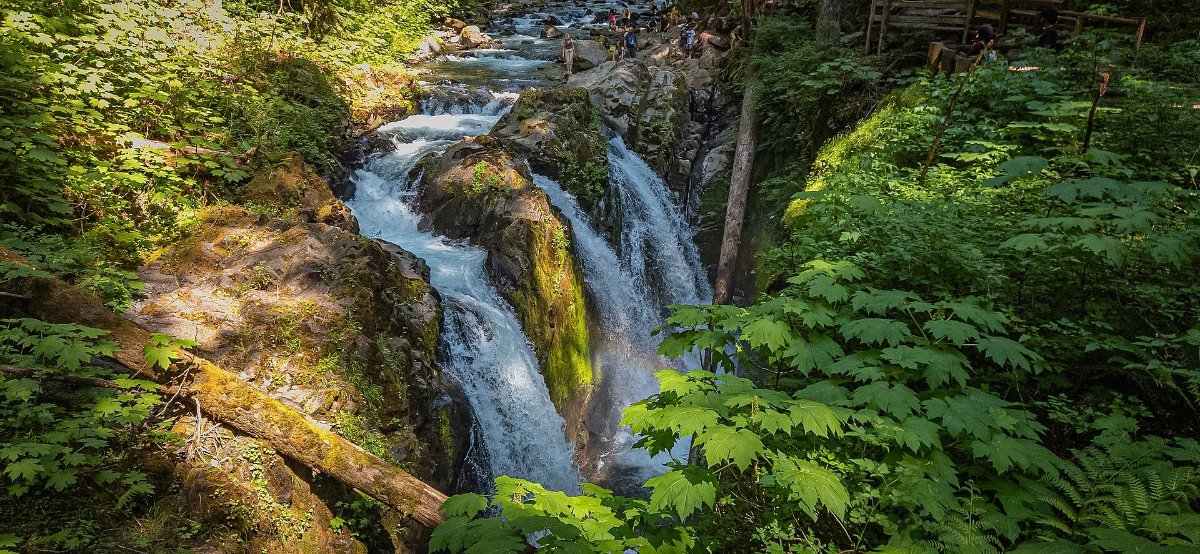
On the way back, Sol Duc Falls is a 1.6 mile round trip through forest to a waterfall that splits into three or four channels dropping into a narrow gorge, with a footbridge right across it.
It’s probably the best short walk in the park.
Sol Duc Hot Springs Resort has mineral pools you can pay to use for the day. After two days of walking that’s a very reasonable idea.
Day 3: The Coast
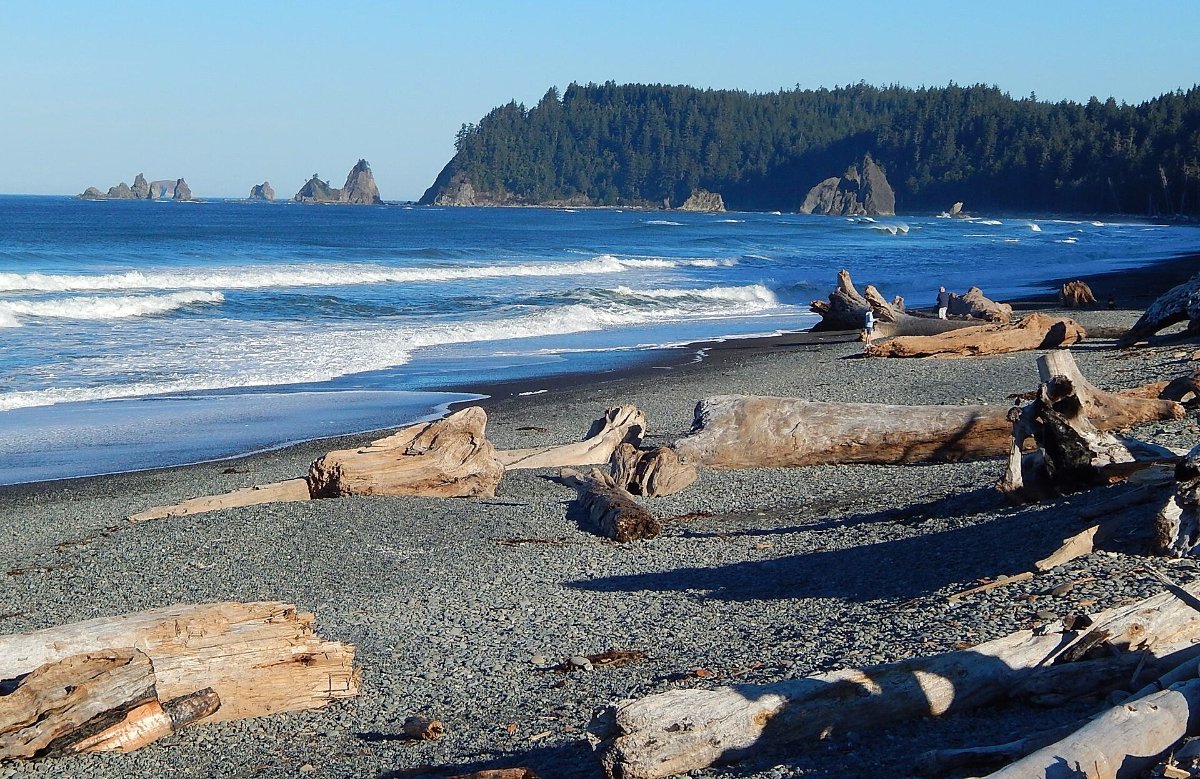
Completely different again. Wide grey beaches, enormous drift logs, sea stacks standing offshore, and usually mist.
Rialto Beach is the easiest to reach and the most dramatic. Walk 1.5 miles north to Hole-in-the-Wall, a sea arch you can walk through at low tide. Check the tide table before you go, people get cut off.
Ruby Beach further south has the best sea stacks and a short walk down from the car park.
Second Beach and Third Beach near La Push need a short forest walk and reward it with far fewer people.
Tide pools at low tide are excellent here: anemones, sea stars, crabs. Again, tide table, it’s the whole game.
What You’ll Miss in Three Days
The Quinault rainforest in the south, which is quieter than the Hoh and arguably as good. Staircase in the south east. Cape Flattery, technically outside the park, which is the most north westerly point in the lower 48 and stunning.
The interior is genuine wilderness with no roads, reached only on multi-day hikes. That’s where the real park is, and it takes a week.
If you have a fourth day, add Quinault and Cape Flattery.
Practical Things
Entry is 30 dollars per vehicle for a week, or use an America the Beautiful pass.
There is barely any phone signal anywhere in the park. Download maps before you set off, and tell someone your plan.
Fuel up in the towns. Petrol stations on the west side are sparse and shut early.
Bring waterproofs whatever the forecast says. This is the wettest place in the continental United States and it does not care about your plans :/
When to Go
July to September is the dry season and by far the best window, with Hurricane Ridge road reliably open and the trails clear.
Late spring is green and wet with waterfalls at full power. Autumn is quiet and moody. Winter closes the high roads and turns the coast wild, which some people love.
Even in August, pack a fleece for the coast. It’s frequently ten degrees cooler than inland and foggy.
Common Questions
How many days do you need for Olympic National Park? Three covers the mountains, rainforest and coast. Four or five lets you slow down and add Quinault.
Can you drive through Olympic National Park? No. There’s no road through the middle. You circle the peninsula on Highway 101 and drive in on spur roads.
Where should I stay? Port Angeles for the north and east, Forks or Kalaloch for the coast and rainforest. In-park lodges book out far ahead.
Is Hurricane Ridge open all year? No. The road closes in winter and reopens with the snowmelt, often only at weekends in the shoulder months. Check before driving up.
Can you do it as a day trip from Seattle? You can reach Hurricane Ridge and Lake Crescent in a very long day via the ferry. The rainforest and coast are too far.