This is the decision that shapes an Amalfi Coast trip more than any other, and most people make it based on which town looked best on Instagram.
Which is how you end up carrying a suitcase up 200 steps in August, or staying somewhere lovely and quiet and then spending two hours a day on a bus.
Here’s what each town is actually like to stay in.
Positano: The Postcard, With Steps
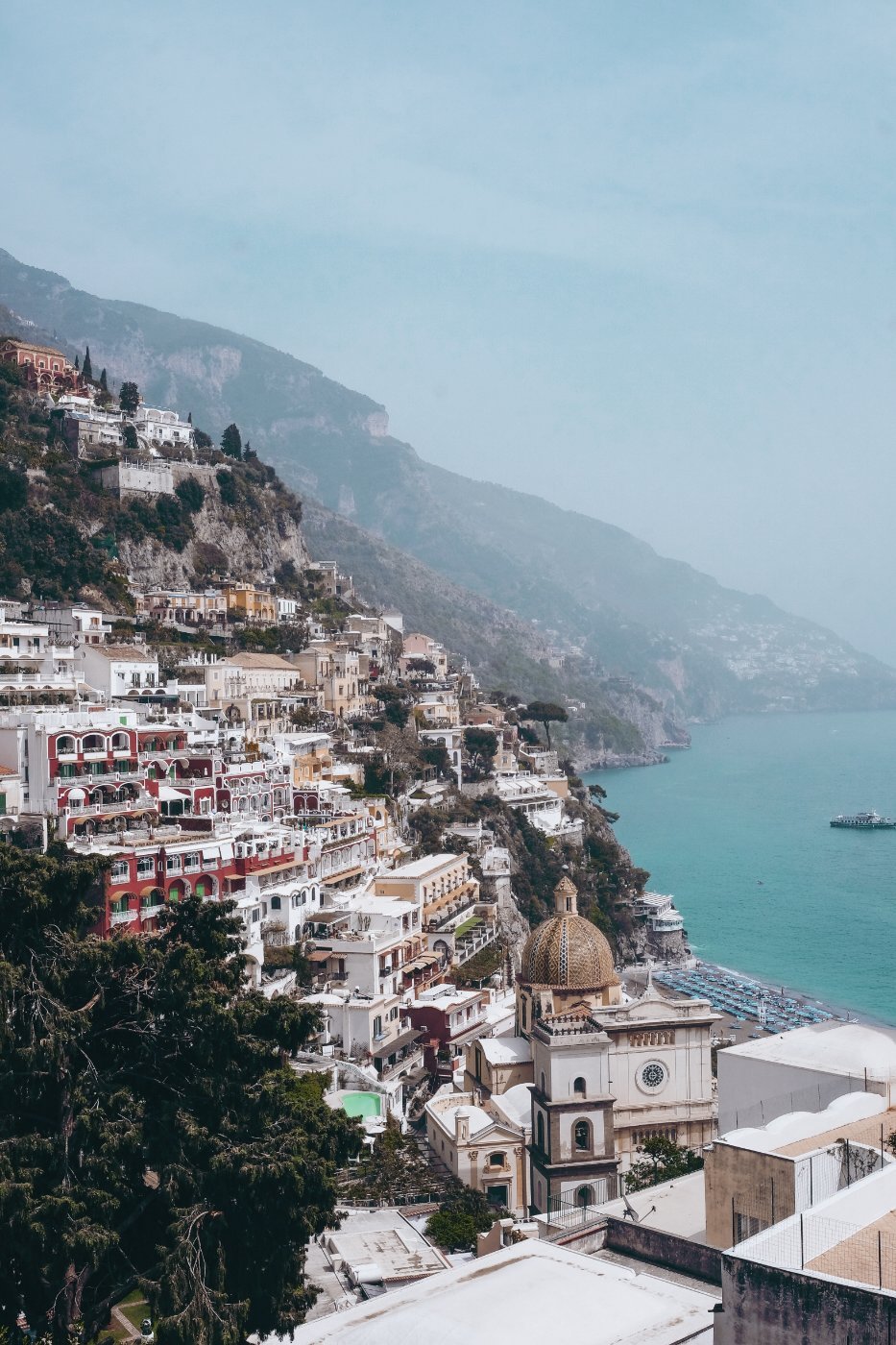
The one everyone pictures. Pastel houses stacked vertically up a cliff above a grey pebble beach, with a domed church in the middle.
It is genuinely as beautiful as the photos. It is also built on a near-vertical slope, and that single fact governs everything about staying there.
There are no roads through most of the town, only stepped lanes. Your hotel may be 200 steps below the bus stop or 200 above the beach, and both directions hurt. Taxis can only reach a few points.
Stay here if: you want the view above everything else, you’re reasonably mobile, and you’re travelling light.
Avoid if: you have heavy luggage, mobility issues, small children in a pushchair, or you plan to move around the coast daily.
Positano, the Money Side
It’s the most expensive town on the coast by a clear margin, in both rooms and restaurants.
Beach clubs on Spiaggia Grande charge properly for a lounger and umbrella. The free section is small and crowded. Fornillo beach round the headland is quieter and cheaper.
You are paying for the setting, and if the setting is the point of your trip then it’s a fair trade. Just go in knowing.
▶ Watch This Before You Go
Amalfi: The Practical Choice
The town the coast is named after, and the transport hub for the whole thing. Every bus route and every ferry passes through here.
That’s the argument, and it’s a strong one. If you want to see Positano, Ravello, Capri and Pompeii without a car, staying in Amalfi makes each of those a simple out-and-back rather than a two-connection expedition.
The town itself is flatter than Positano, built in a valley rather than on a cliff, which means you can wheel a suitcase. The cathedral with its striped facade and long staircase is genuinely striking.
It’s also more of a working town, slightly less picture-perfect, and noticeably cheaper. Day-trippers fill it from ten until five and then it empties.
Stay here if: you want to move around a lot, you want value, or you have luggage.
Ravello: The Quiet One
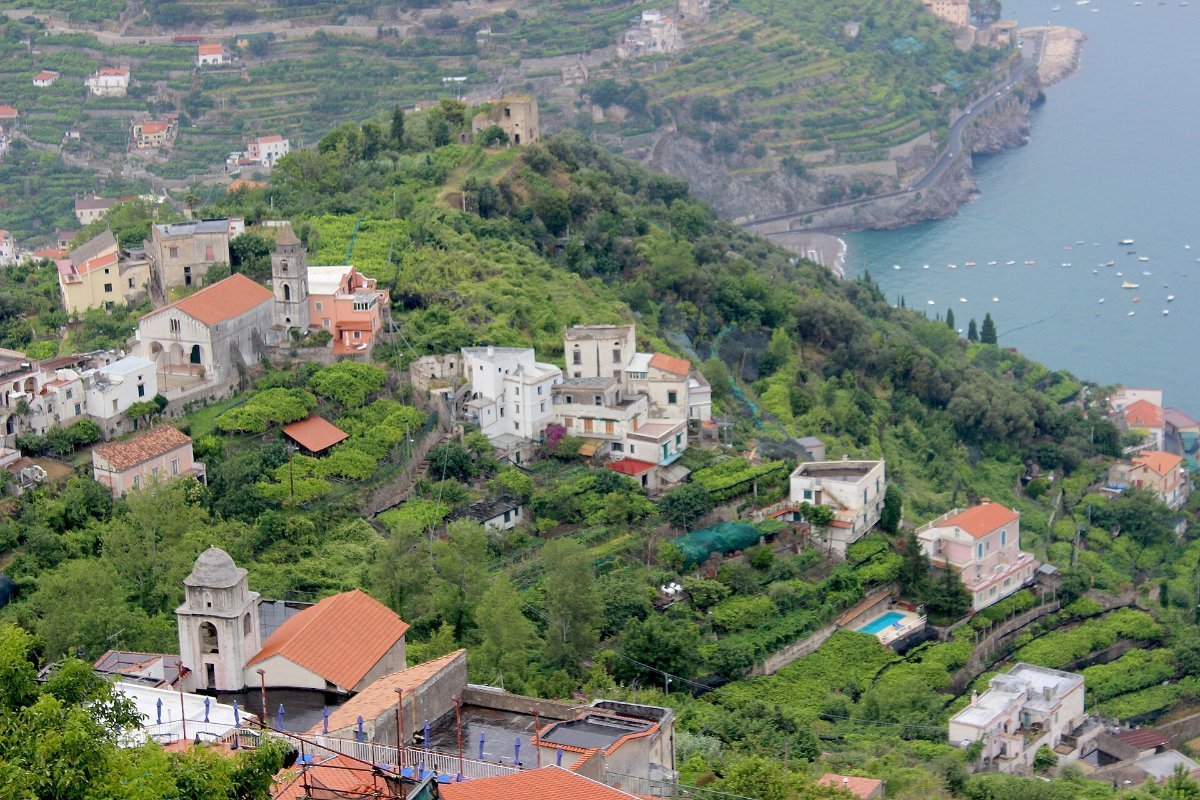
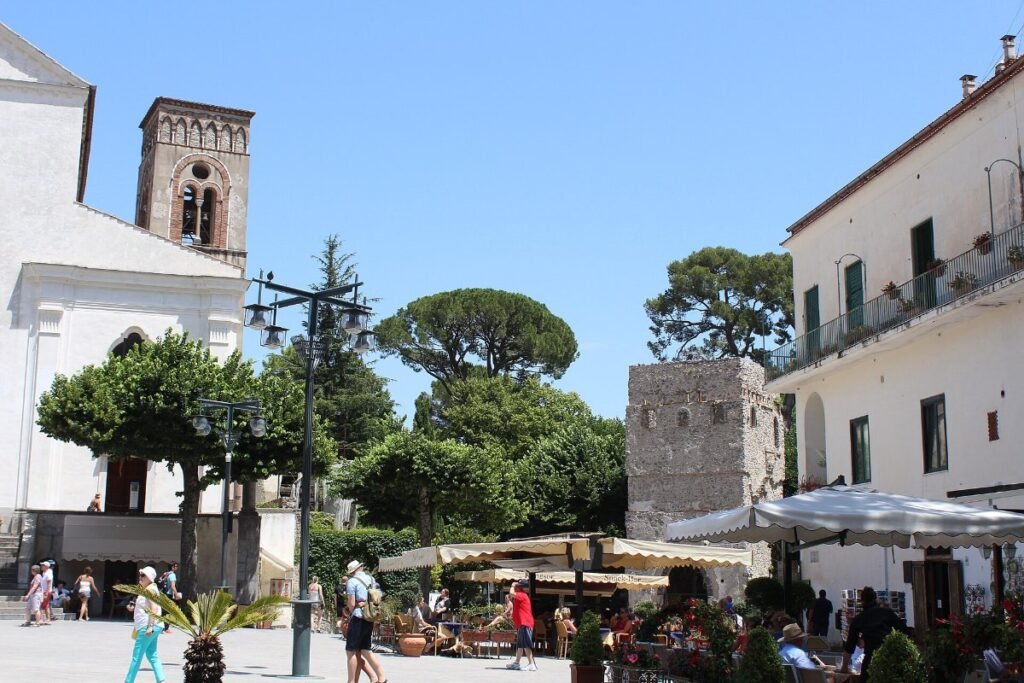
350 metres above the coast, up a switchback road, and completely different in character from everywhere below.
Cooler, quieter, greener, and the views are the best on the entire coast. Villa Rufolo and Villa Cimbrone have gardens with terraces looking straight down the coastline, and the Terrace of Infinity is exactly the sort of thing that stops conversation.
There’s a summer music festival with concerts on a stage cantilevered over the drop.
The catch: you’re not on the sea. Getting to a beach means a bus down and a bus back, and the last one is earlier than you’d like. Nightlife is a couple of restaurants and then bed.
Stay here if: you want peace, gardens and views, and you’re happy to be above the action rather than in it. It suits a longer, slower trip.
The Ones Nobody Considers
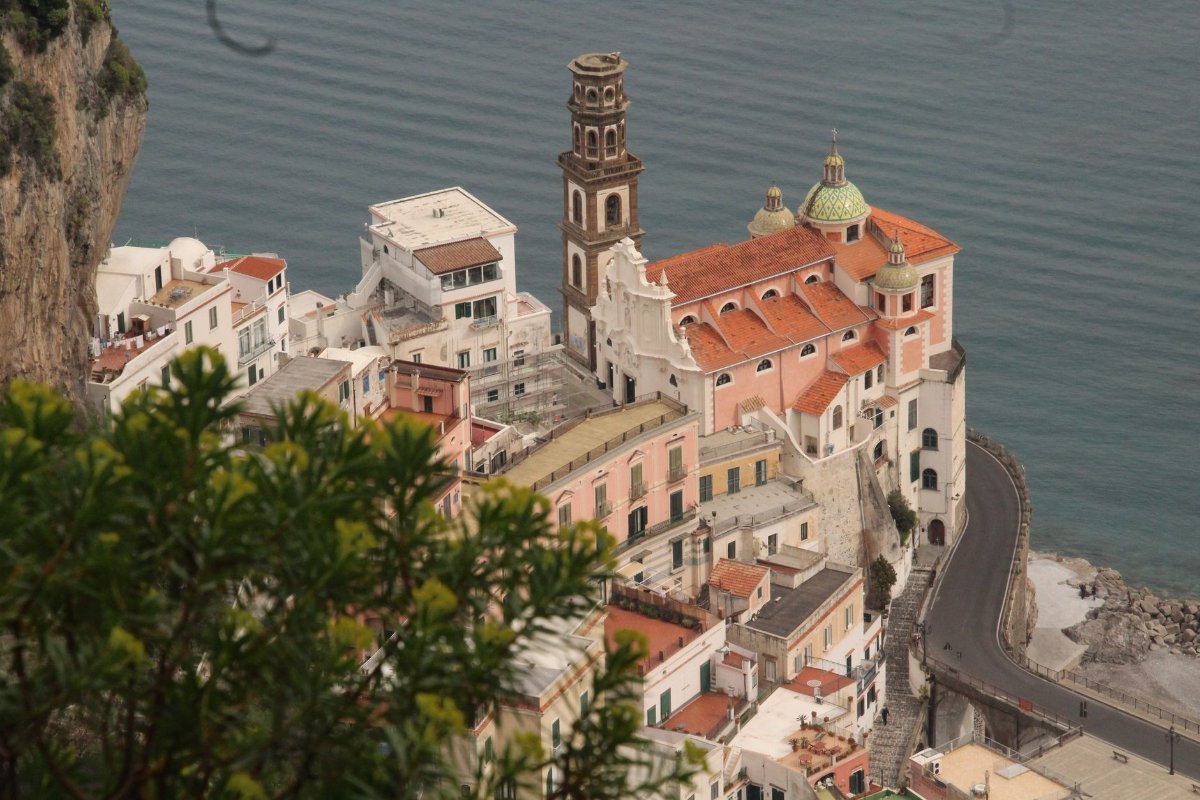
Praiano sits between Positano and Amalfi, on the bus route, with a fraction of the crowds and prices maybe 30 percent lower. It has the best sunsets on the coast because of the way it faces. My pick for value.
Atrani is a five minute walk from Amalfi round the headland, tiny, and almost entirely residential. About 800 people. You get Amalfi’s transport links and none of its day-trippers.
Minori and Maiori further east have actual sandy beaches, which the rest of the coast largely lacks, and they’re where Italian families stay.
Conca dei Marini is small and quiet with a lovely fjord-like inlet.
Sorrento, Which Isn’t Really the Amalfi Coast
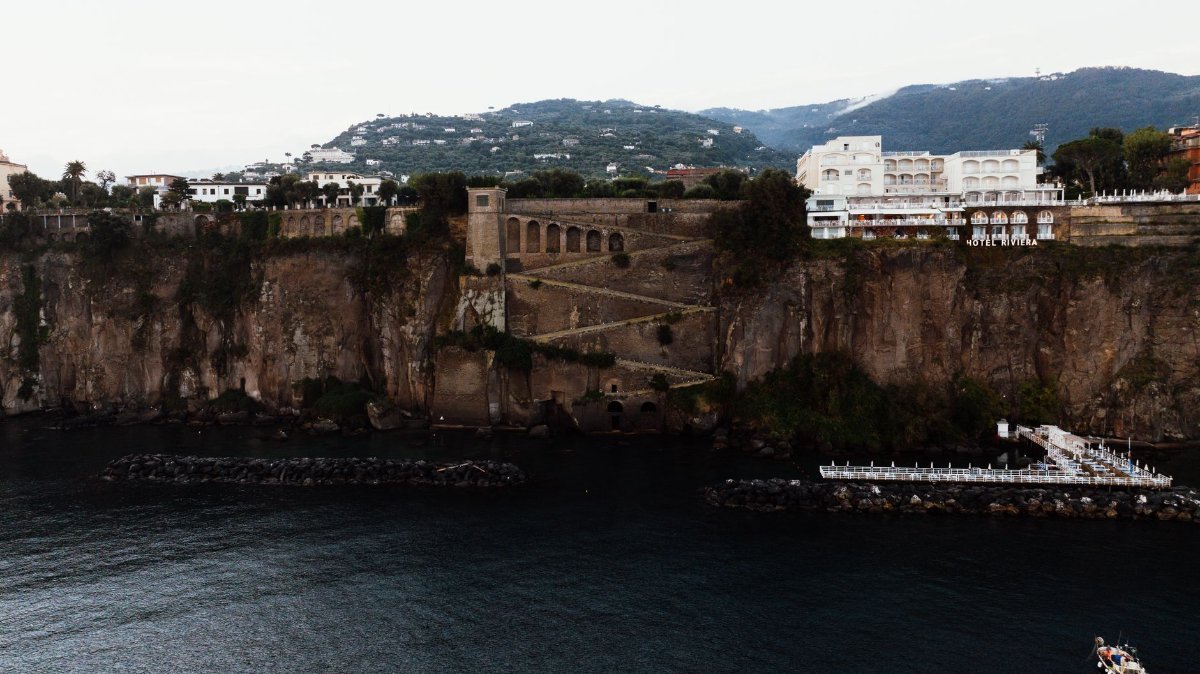
Worth being clear: Sorrento is on the other side of the peninsula, facing Naples rather than the Amalfi side. It is not on the Amalfi Coast.
It’s also the most practical base of all, and plenty of people should choose it. It has a train to Naples and Pompeii, ferries to Capri and Positano, buses along the coast, far more hotels, and prices well below Positano.
It’s a proper town with flat streets, and it’s easy with children or luggage.
The trade: you’re 40 to 60 minutes from Positano by bus, and Sorrento itself is pleasant rather than spectacular. There’s no real beach, just platforms on the rocks.
Stay here if: it’s your first visit, you want day trips in several directions, or the Positano prices made you wince 🙂
Quick Answers by Trip Type
First visit, want to see everything: Sorrento or Amalfi.
Honeymoon or special occasion, budget flexible: Positano, or Ravello if you prefer quiet to glamour.
Family with children: Sorrento, Minori or Maiori, for flat ground and sand.
Value without sacrificing the setting: Praiano or Atrani.
Longer stay, slow pace: Ravello.
Practical Things That Affect the Choice
Ask your hotel how many steps there are from the nearest road, and whether they help with luggage. In Positano this is not a small question.
Check whether the ferry serves your town. Positano, Amalfi, Minori, Maiori and Sorrento all have ferry stops. Ravello and Praiano do not, which changes your options in summer.
Minimum stays of three or more nights are common in high season, particularly in Positano.
Parking, if you’ve hired a car, runs 30 euros a day or more in the main towns. This is one of the strongest arguments for not hiring one at all.
Common Questions
Which town is best on the Amalfi Coast? Positano for the view, Amalfi for practicality, Ravello for peace. Praiano is the value pick between them.
Is Positano worth the extra money? If the setting is the reason you’re going, yes. If you want to explore the whole coast, your money goes further elsewhere.
Should I stay in Sorrento instead? For a first visit with lots of day trips, genuinely yes. It’s cheaper, flatter and better connected.
How many nights do I need? Four minimum. Transport is slow, and two nights leaves you no time at all.
Is Ravello too far from the sea? For a beach holiday, yes. For a scenic, restful trip, it’s the best base on the coast.