Mallorca has a reputation problem. Say the name in Britain or Germany and people picture Magaluf or Arenal — high-rise hotels, all-inclusive wristbands, sunburn.
That’s about 5% of the island. The other 95% has a UNESCO-listed mountain range, medieval hill villages, an old town in Palma that rivals any in Spain, and coves you can only reach on foot.
The Serra de Tramuntana is the reason to come
A mountain range running 90km along the northwest coast, UNESCO World Heritage listed for its cultural landscape — dry-stone terraces, olive groves and water systems built over a thousand years.
The Ma-10 road runs the length of it and is one of the great drives in Europe. Hairpins, tunnels, sudden drops to the sea. It’s also popular with cyclists — professional teams train here in winter — so expect to be sharing.
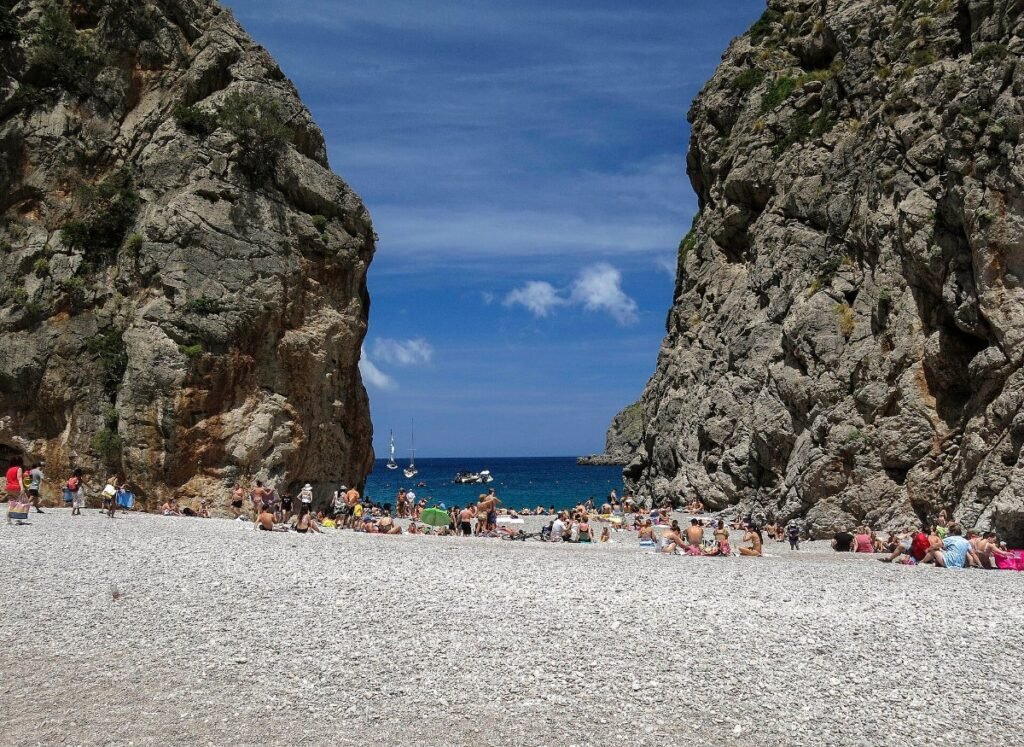
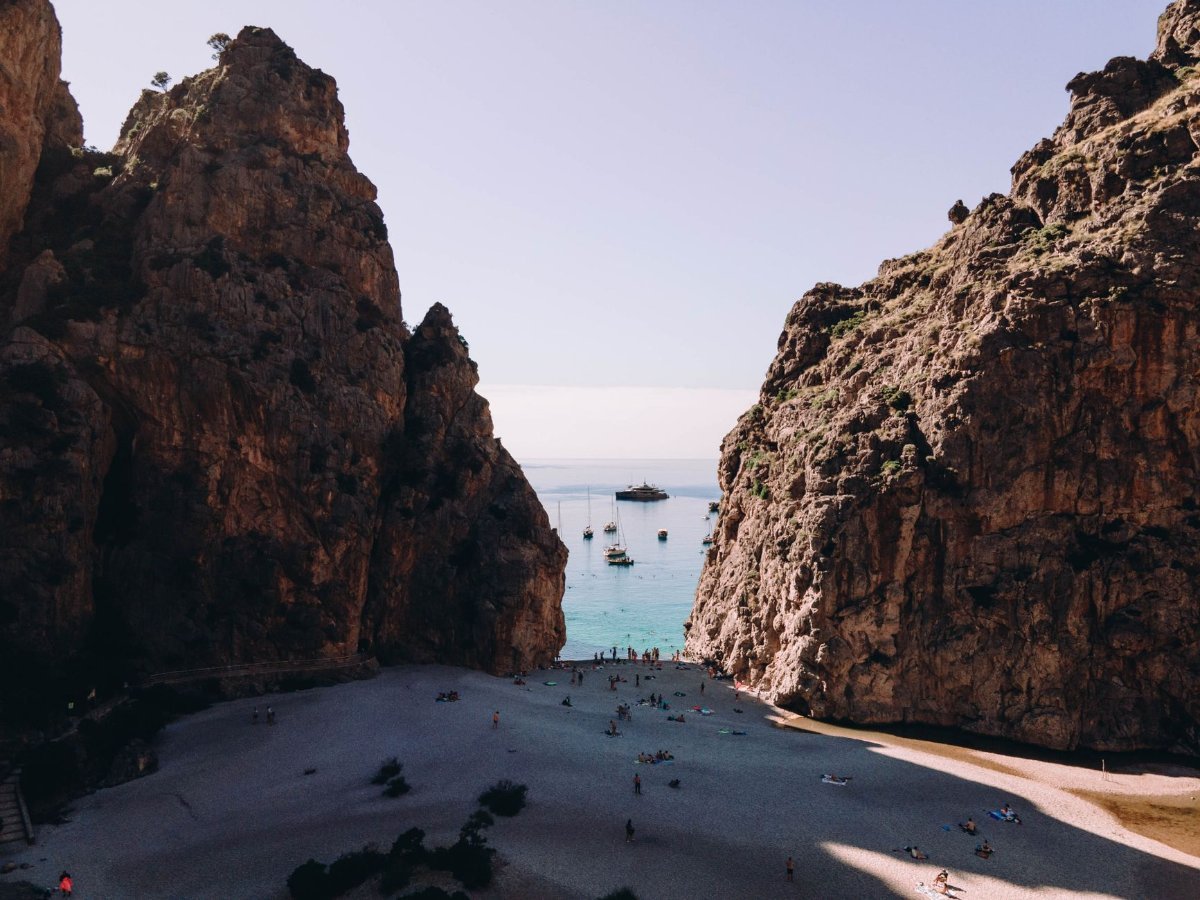
Don’t just drive it. Stop at Sa Calobra, reached by a road that famously loops under itself in a full 270-degree turn, and walk into the Torrent de Pareis gorge.
The villages worth your time
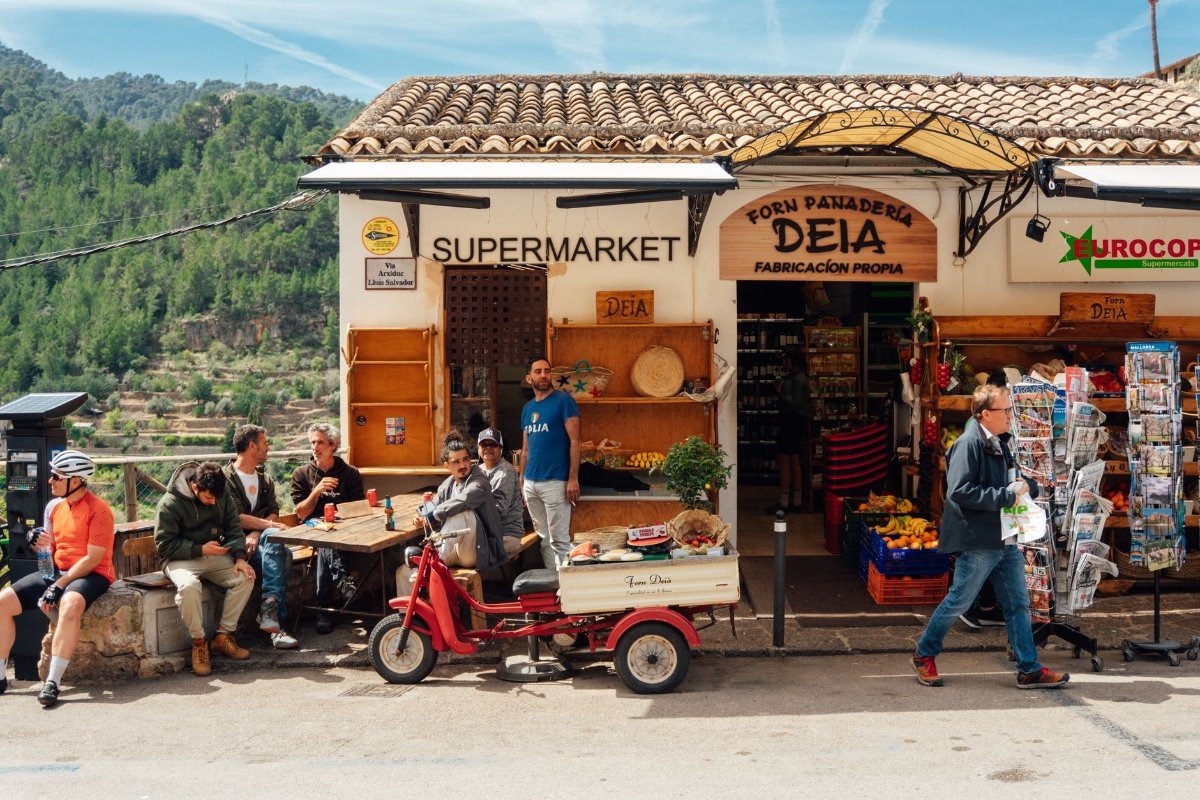
Deià — stone houses stacked on a hillside above the sea, an artists’ and writers’ colony since Robert Graves moved here in 1929. His house is a museum. Small, expensive, genuinely beautiful.
Valldemossa — Chopin and George Sand spent a miserable rainy winter here in 1838 and it’s been famous ever since. The Carthusian monastery is the sight. Very pretty, very busy at midday.
Sóller — an old town in a valley of orange groves, connected to Palma by a wooden train from 1912 that rattles through the mountains, and to the port by an equally old tram. The train is touristy and worth it anyway.
Fornalutx — regularly called the prettiest village in Spain. Steep stone streets, almost no cars, about 700 people.
Pollença — 365 steps up to a calvary chapel, a good Sunday market, and a much more local feel than the coastal resorts nearby.
Palma deserves two days on its own
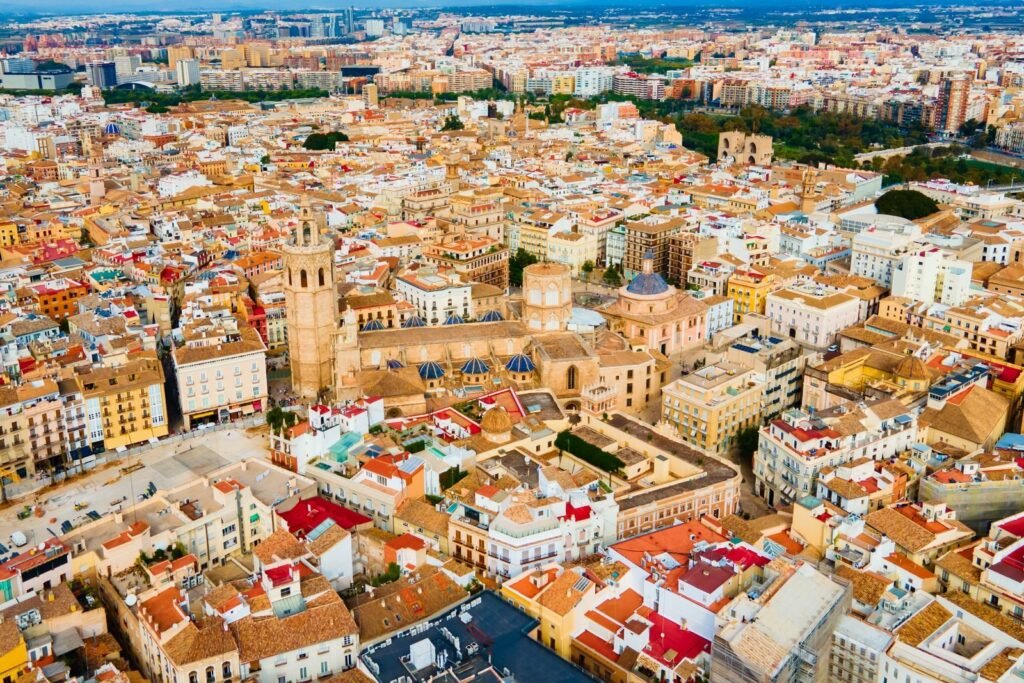
People treat Palma as an airport with a city attached. It’s a proper Mediterranean capital with 400,000 people.
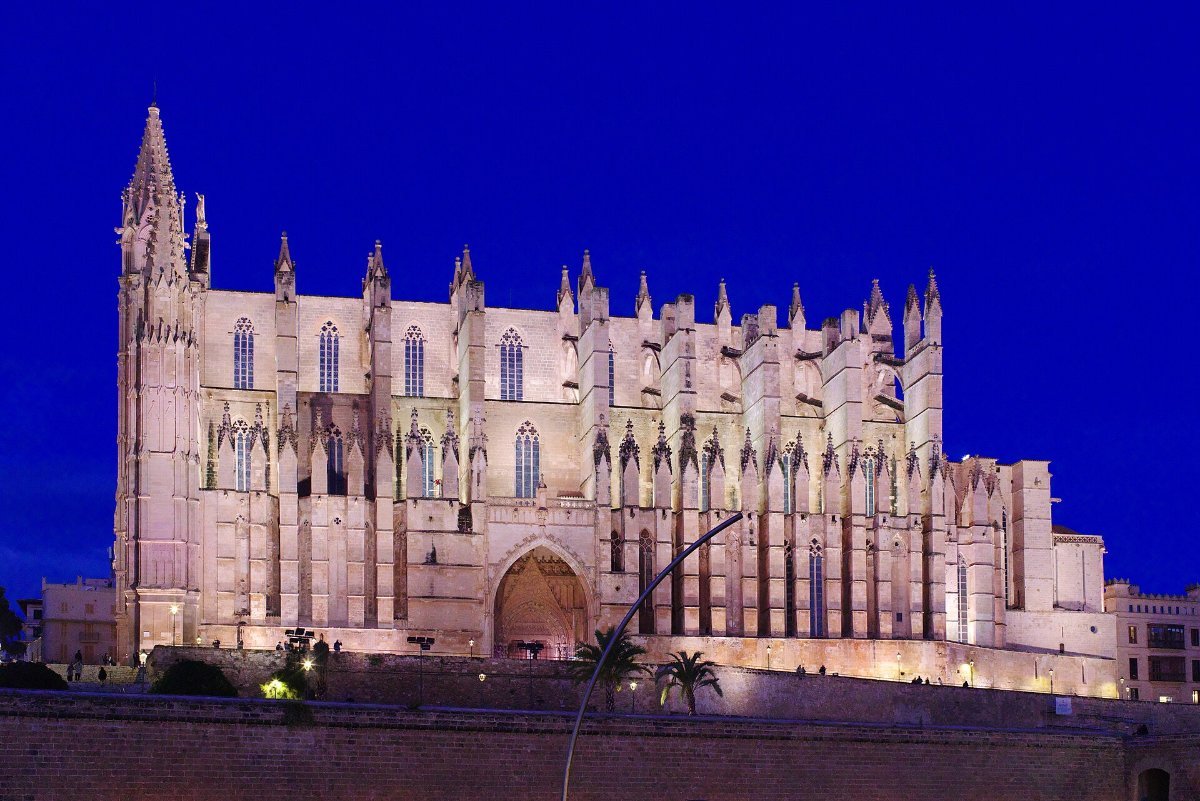
La Seu, the cathedral, sits right on the seafront and is enormous — one of the tallest Gothic naves in Europe, with a rose window 13 metres across and interior work by Gaudí and Miquel Barceló. Twice a year in early February and November, light through the rose window projects onto the wall below the opposite window in an alignment people travel for.
The old town behind it is a maze of Arab-era lanes, courtyards and small squares. The Arab Baths are one of the few physical remnants of Muslim Mallorca.
Santa Catalina is the neighbourhood to eat in — a covered market and the best concentration of restaurants on the island.
The waterfront at Portixol and Molinar is where locals walk and swim.
▶ Watch This Before You Go
The coves, and how to reach them
Mallorca’s calas are the good version of its beaches — small coves with turquoise water between pine-covered cliffs.
Cala Deià — pebbly, dramatic, a couple of restaurants on the rocks.
Cala Torta and Cala Mesquida in the northeast — wilder and less developed.
Es Trenc in the south — a long white sand beach in a protected area that looks Caribbean and has almost no buildings.
Sa Calobra — spectacular and heavily visited, so go early or take the boat from Port de Sóller.
A lot of the best ones need a walk down a path and a walk back up. That’s the filter, and it works.
Eating
Mallorcan food is its own thing, not generic Spanish.
Sobrassada — a soft spreadable cured sausage with paprika, on bread with honey.
Ensaïmada — a spiral pastry dusted with icing sugar, eaten for breakfast, and sold at the airport in enormous boxes.
Pa amb oli — bread rubbed with tomato and olive oil, the default snack.
Tumbet — layered aubergine, potato and pepper. The vegetarian standard.
Frit mallorquí — fried offal, potatoes and peppers. Excellent if you’re up for it.
Local wines from Binissalem and Pla i Llevant are good and rarely exported, so drink them here.
When to go
April to June — the best window. Wildflowers, hiking weather, sea warm enough by June, and prices well below peak.
September and October — warm sea, thinning crowds, excellent.
July and August — hot, packed, expensive. The Tramuntana is still fine early in the morning.
November to March — many coastal hotels close, but the almond blossom in late January and February is a genuine event and the island is empty.
Practical bits
Hire a car. Public transport reaches Palma, Sóller and the main towns, but the mountain villages and the coves need driving.
Book the car early for summer — the island runs out, and prices go absurd.
Base yourself in two places if you can: Palma for the city, and somewhere in the Tramuntana (Sóller or Pollença) for the mountains. Driving back to Palma every evening wastes the best hours.
Roads in the Tramuntana are narrow with blind bends and cyclists. Take them slowly.
One more thing worth being aware of, because it shapes how you’ll be received. Mallorca has had a serious public argument in recent years about mass tourism, housing costs and water, with large protests in Palma and a lot of local frustration aimed at the volume of visitors rather than at visitors themselves. Renting outside the resort strips, eating in local places and going off-season are all genuinely appreciated here, and they also happen to give you a better trip.
FAQ
How long do I need? Five to seven days to see the island properly. Three if you’re picking one region.
Is it expensive? Less than Ibiza, more than mainland Spain. Deià and Palma’s better restaurants are pricey; everywhere else is reasonable.
Can I avoid the party resorts entirely? Completely. They’re concentrated in a small area southwest of Palma. Stay anywhere else and you’ll never see them.
Is it good for hiking? Very. The GR221 dry-stone route runs the length of the Tramuntana over about eight days with refuges along the way.
What about the other islands? Menorca is quieter and flatter with better beaches. Ibiza is more than clubs but you have to work at it. Ferries connect all three.