
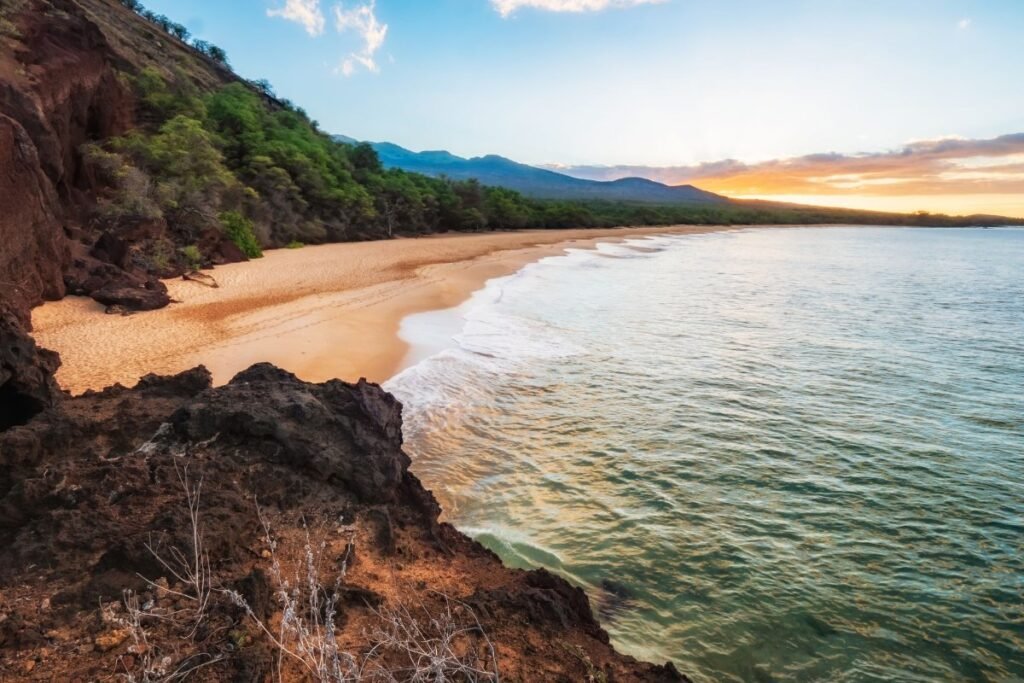
The Road to Hana is 103 kilometres, has 620 curves and 59 bridges, and takes about two and a half hours to drive if you don’t stop. Nobody doesn’t stop. Realistically you’re looking at 10 to 12 hours.
It’s also the trip most likely to be ruined by bad planning on the whole island. Here’s how to do it without spending the day in a queue of rental cars.
The single most important thing: book Waianapanapa
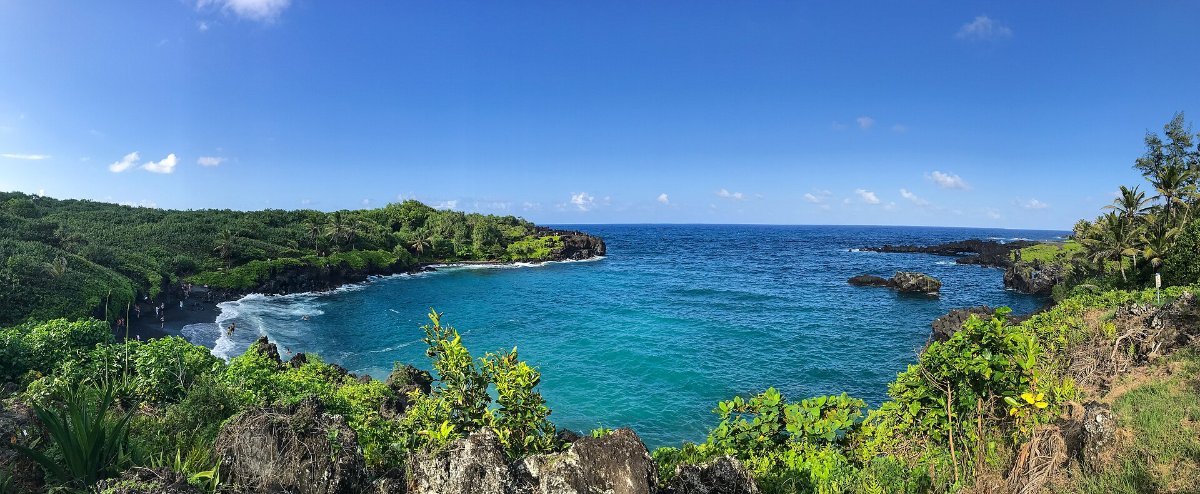
Waianapanapa State Park — the black sand beach, the one in every photo of this drive — now requires an advance reservation for non-residents. It has timed entry slots and they sell out.
Book it at the Hawaii state parks site as soon as you know your dates. Then build the rest of your day around whatever slot you got, because you can’t move it and turning up without one means being turned away.
This catches out an enormous number of people. Don’t be one of them.
Leave at 6:30am. Earlier if you can face it.
The road is single-lane in long stretches with one-way bridges, and by 9am there’s a continuous line of cars. Being 90 minutes ahead of that line changes the entire day.
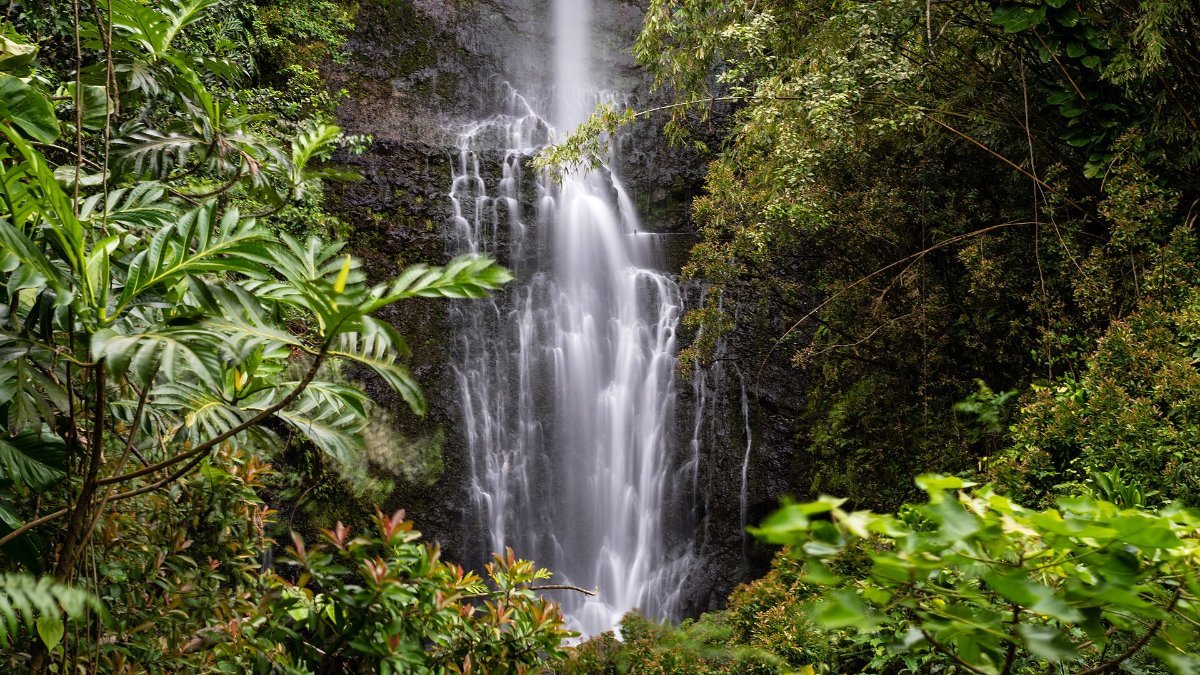
You also get the waterfalls before the tour vans, and parking exists at the popular stops, which after about 10am it does not.
Fill the tank in Paia before you go. There’s essentially no fuel between there and Hana, and what exists in Hana is expensive and sometimes closed.
Paia is worth twenty minutes in its own right, incidentally. It’s an old sugar-mill town turned surf town, the coffee is good, and it’s the last place you’ll see anything resembling a normal shop for the rest of the day. Grab breakfast there rather than eating at the hotel and you’ll be on the road before the crowd without having skipped a meal.
The stops actually worth making
There are dozens. You cannot do all of them. These are the ones I’d defend:
- Twin Falls (mile 2) — first stop, easy walk, gets crowded fast. Go early or skip.
- Ke’anae Peninsula (mile 16) — lava rock coastline, huge waves, and Aunty Sandy’s banana bread, which is genuinely as good as everyone says.
- Upper Waikani Falls (mile 19) — the “Three Bears” falls, visible from the road.
- Wailua Falls (mile 45) — roadside, dramatic, no hiking required.
- Waianapanapa (mile 32) — the black sand beach. Your booked slot.
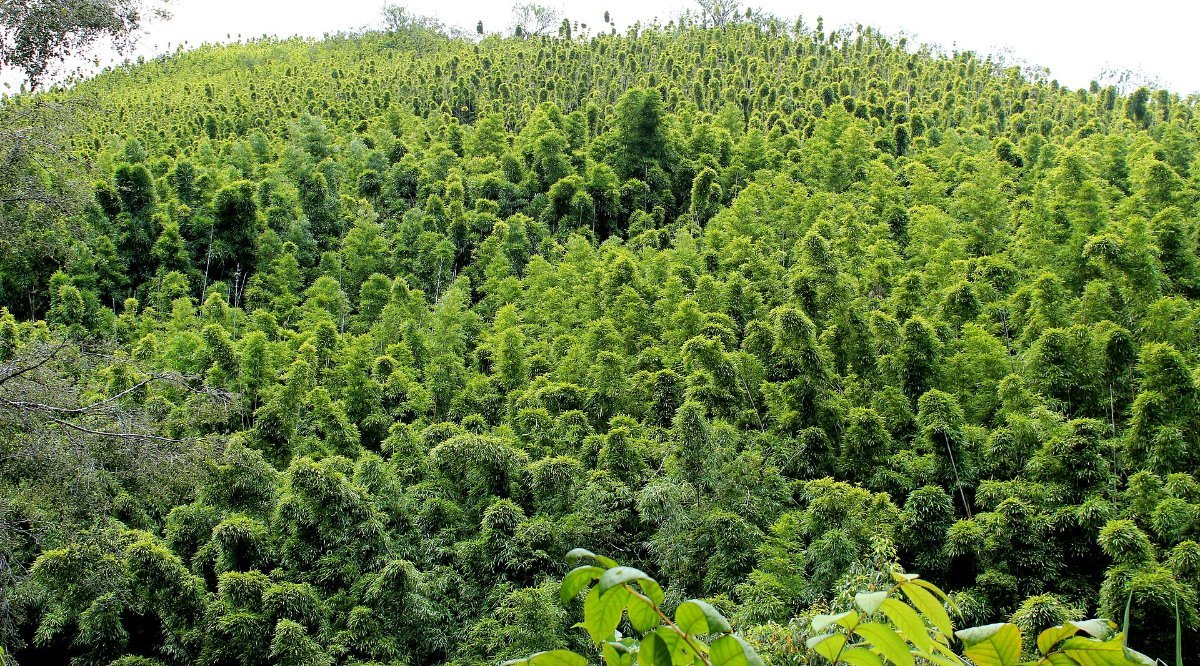
- Pipiwai Trail (mile 42, past Hana) — 6.5km return through a bamboo forest to a 122-metre waterfall. The best hike on the drive by a distance.
Hana itself is not the point
People are often disappointed by Hana. It’s a small quiet town with a general store, a couple of places to eat and not much else. That’s rather the point — it’s one of the last genuinely rural Hawaiian communities.
The good stuff is past it. The Pipiwai Trail and the Pools of Ohe’o are in the Kipahulu district of Haleakala National Park, about 20 minutes beyond Hana. If you turn around at Hana you’ve missed the best part.
Note that the Pools of Ohe’o (sometimes called the Seven Sacred Pools) are frequently closed to swimming due to flash flood and rockfall risk. Check before you count on it.
▶ Watch This Before You Go
The back road question
You can continue past Kipahulu and loop back around the south side of Haleakala rather than driving the whole thing in reverse. It’s spectacular, dry, wide-open country and completely different from the rainforest side.
The catch: parts are unpaved, narrow and exposed, and most rental agreements technically prohibit it. If something happens out there, you may not be covered.
Realistically many people do it and it’s usually fine in dry conditions. But read your rental agreement and make your own decision rather than taking a blog’s word for it. In wet weather, don’t.
The genuine argument for the back road is that it saves you re-driving 620 curves you’ve already done, at the end of a long day, when you’re tired. That’s not a small consideration. The argument against is that it’s remote enough that a puncture becomes a serious problem rather than an inconvenient one. Decide before you set off, not at 4pm in Kipahulu when you’re knackered.
Practical things that matter
Motion sickness is real on this road. 620 curves is a lot of curves. If anyone in the car is prone to it, they should sit in front and take something an hour before you leave.
Bring cash. Roadside fruit stands and banana bread stops are often cash-only or honour-system.
Pack food and water for the whole day. Options are limited and you’ll be hungry at inconvenient moments.
Download offline maps. Signal disappears for long stretches.
Don’t stop in the middle of the road for a photo. This sounds obvious. It happens constantly and it’s how accidents occur on blind curves.
Be a decent guest
People live along this road. The residents of Ke’anae and Wailua are dealing with hundreds of cars a day through what is effectively their front garden.
Don’t park in driveways. Don’t wander onto private land for a photo. Don’t trespass to reach a waterfall that isn’t a marked stop — several are on private or sacred land, and the “hidden gem” ones on social media are frequently exactly that.
Buy the banana bread. Tip the fruit stand. It’s the least you can do for driving through.
It’s also worth saying plainly that this drive means something different to the people who live along it than it does to visitors. Ke’anae and Wailua are taro-farming communities on land that has been worked by the same families for generations, and several of the sites along the road are culturally significant rather than merely scenic. You don’t need to know the whole history to be respectful, but knowing that much changes how you move through it.
FAQ
Should I do a tour instead of driving? If anyone in your group gets carsick or you don’t want to drive 10 hours, yes. Guided vans handle the road and you get commentary. You lose flexibility on timing.
Can I do it in a normal rental car? Yes, the main road is fully paved and fine in any car. Only the back road needs consideration.
Is it worth staying overnight in Hana? Genuinely yes if you can. You get the far end without the time pressure and Hana in the evening with no day-trippers is lovely. Accommodation is limited and pricey.
What’s the best time of year? Any, really. April to May and September to October have the best balance of weather and crowds. It rains on this coast year-round — that’s why it looks like that.
How many stops should I plan? Six to eight. Any more and you’re rushing all of them.
Are there toilets? At Waianapanapa, Hana, and Kipahulu. Long gaps between. Plan accordingly.