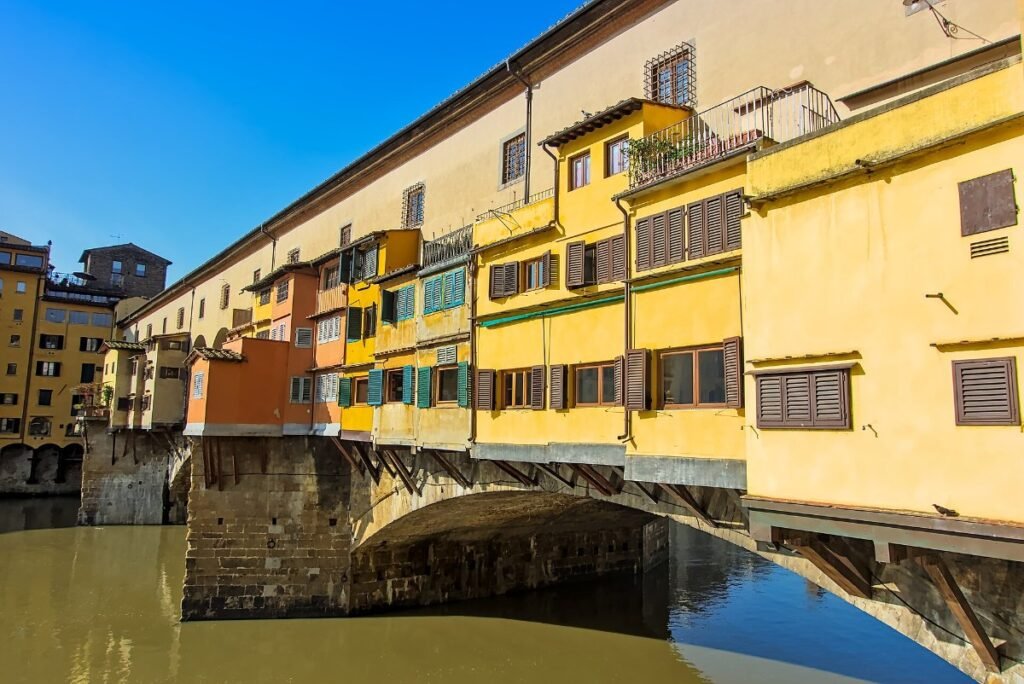

The hostel-or-hotel question gets answered badly because people answer it as a money question. It mostly isn’t. It’s a question about whether you want to meet people, and how much you’re willing to trade for it.
I’ve done both extensively, sometimes in the same week, and here’s the honest breakdown.
The money part, quickly
A dorm bed in Europe runs €25 to €45 a night. A private room in the same hostel is €60 to €90. A mid-range hotel room is €90 to €160.
Over two weeks, that’s roughly €490 in a dorm versus €1,750 in a hotel. Which sounds decisive until you remember that hostels almost always include a kitchen, and cooking even half your breakfasts and dinners saves another €200 or so.
So on pure cost, hostels win by a mile. Nobody’s arguing about that. The interesting question is everything else.
Worth flagging one distortion in those numbers though. Hostel prices swing far harder with season and city than hotel prices do. A dorm bed in Lisbon in November is €18; the same bed in August is €55. Hotels move too, but nowhere near as violently. So if you’re travelling off-season the gap widens dramatically in the hostel’s favour, and if you’re travelling in peak August the gap narrows enough that it’s worth actually checking rather than assuming.
What hostels are genuinely better at
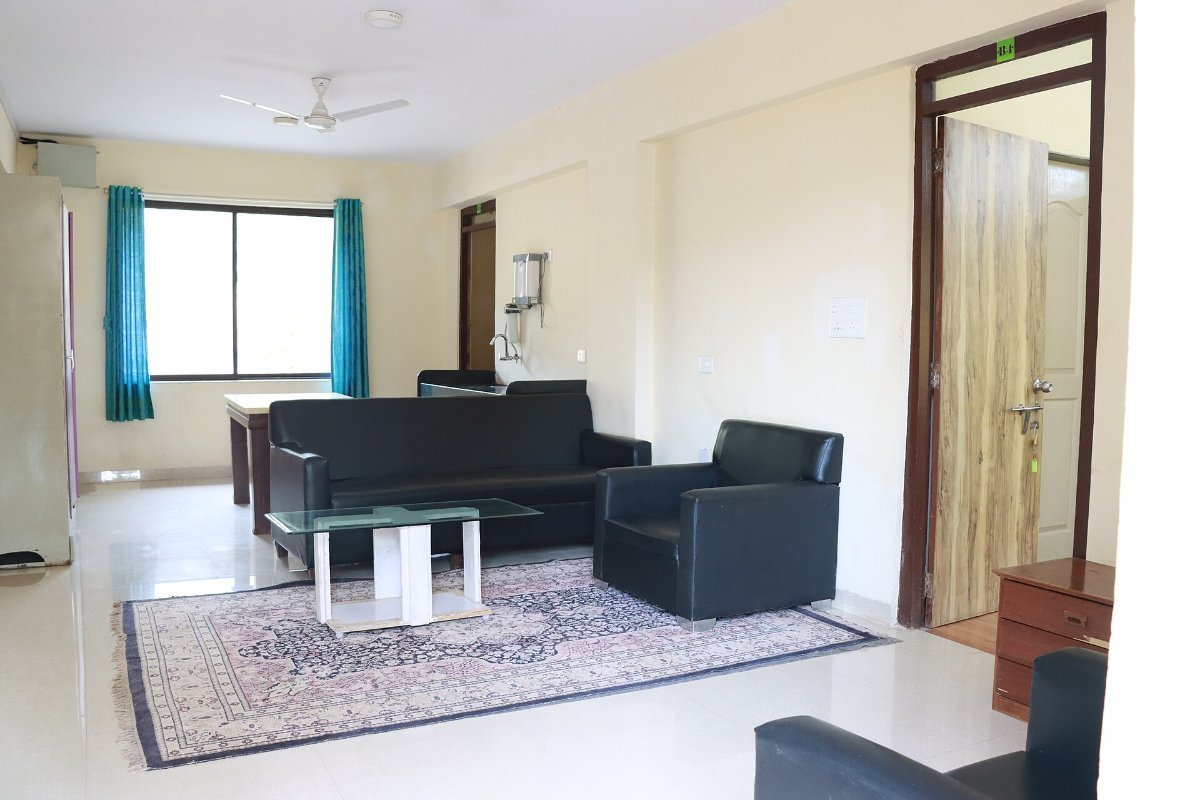
Meeting people. This is the whole thing. Solo travel in hotels can be quite lonely in a way people don’t anticipate — you eat alone, you sightsee alone, and days go by where you have no real conversation. Hostels solve that structurally. There’s a common room, there are people in it, and everyone there is also travelling alone.
Information. Hostel staff are usually travellers themselves and will tell you which tour is a rip-off. Hotel concierges get commission.
Location. Hostels tend to be central because that’s what backpackers want. Cheap hotels tend to be near stations or out of town.
Free stuff. Walking tours, pub crawls, breakfast, a kitchen, laundry. It adds up.
What hotels are genuinely better at
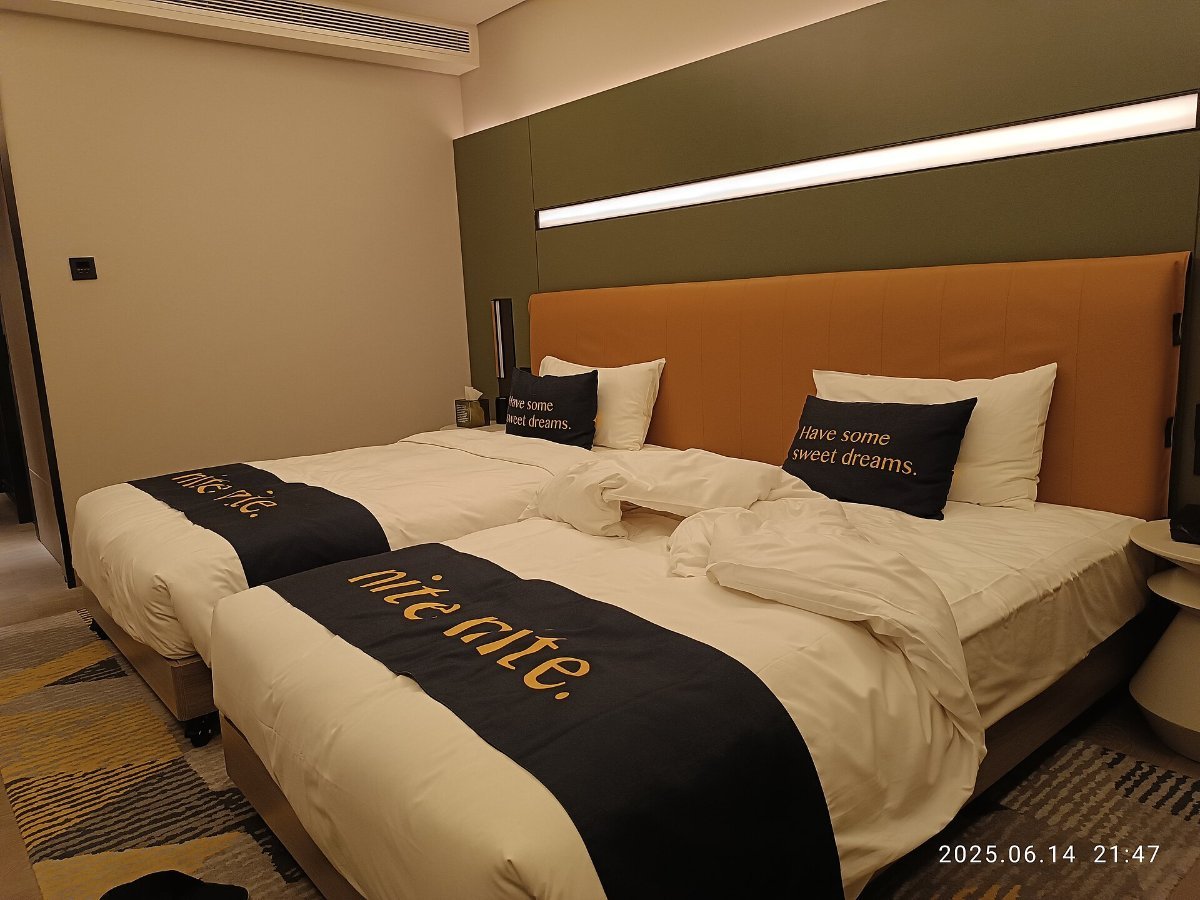
Sleep. Obvious but underrated. A dorm has someone rustling a plastic bag at 3am, someone’s alarm at 5:30, someone coming in drunk at 2. Earplugs help. They don’t fix it.
Security. Your stuff is behind a door only you can open. Most hostels have lockers, but you’ll need your own padlock and you’ll think about it more than you’d like.
Working. If you’re travelling and working, a dorm is close to unusable. There’s no desk, no quiet, and calls are impossible.
Being over about 35. This isn’t a hard rule and plenty of older travellers love hostels. But the median dorm age is around 22 to 28 and the social scene is calibrated to that. IMO if you’re 40 and want conversation rather than a pub crawl, you’ll have a better time in a smaller boutique hostel or a guesthouse.
▶ Watch This Before You Go
The option most people miss
Private rooms in hostels. You get your own door, your own bed, usually a shared bathroom, and full access to the kitchen and common room.
Cost sits roughly halfway between a dorm and a hotel, and you get the social side without the sleep sacrifice. For solo travellers who want to meet people but also want to function, this is the correct answer more often than either extreme.
Book these early though — hostels usually only have a handful of private rooms and they go first.
There’s a related option in southern Europe and Latin America that barely gets mentioned in English-language travel writing: the family-run guesthouse, the pensión or pousada. Cheaper than a hotel, quieter than a hostel, and the owner will often be the single best source of local information you’ll find anywhere. No common room, so it’s not a social fix, but for value and for actually being somewhere rather than in an international bubble, they’re hard to beat.
How to pick a good hostel
Read the reviews for the word “quiet” or the word “party”. Hostels self-select hard and you want to know which one you’re walking into.
Check dorm size. A 4 or 6-bed dorm is a completely different experience from an 18-bed. Pay the extra €5.
Look for: lockers big enough for a backpack, a kitchen, 24-hour reception, and free sheets. Sheets not included is a small red flag about everything else.
Female-only dorms exist in most hostels and are usually the same price. Plenty of women prefer them, and there’s no downside if you do.
Avoid anywhere with a bar as its main feature unless a bar as its main feature is what you want.
A rough decision rule
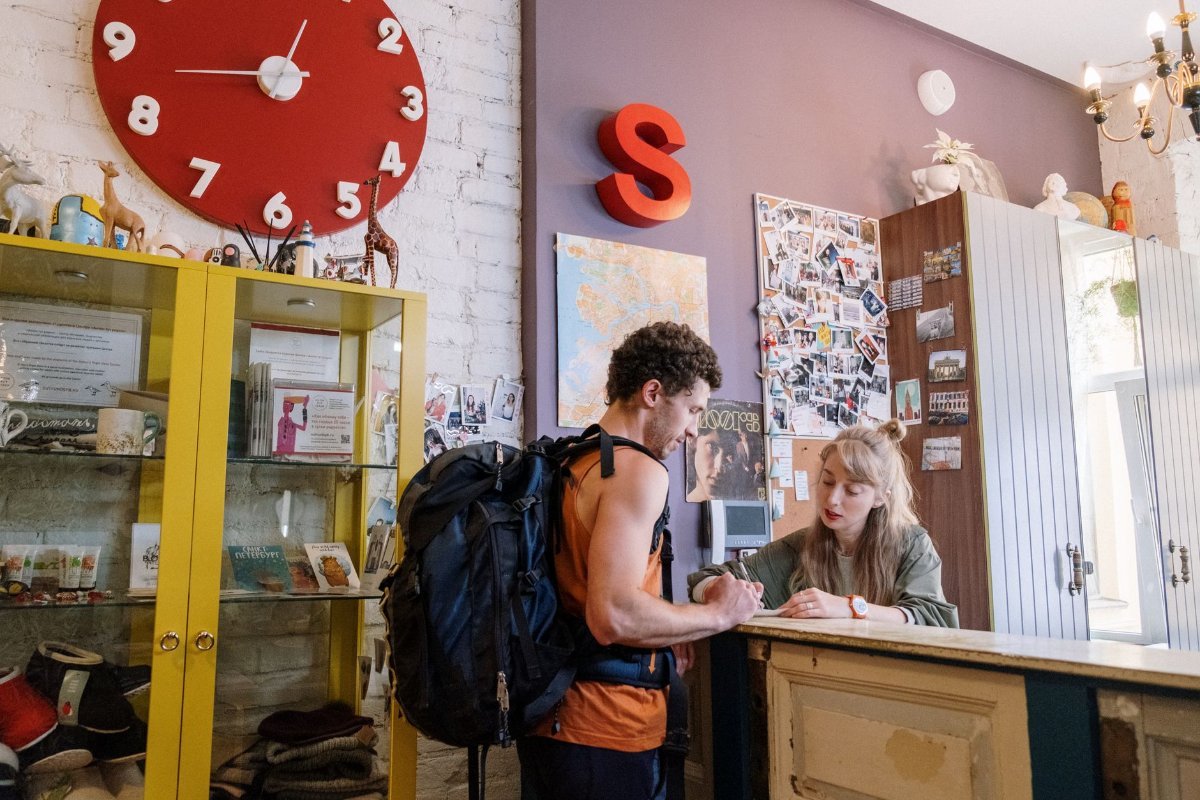
- First solo trip, want to meet people — hostel dorm, 4 to 6 beds, non-party.
- Working while travelling — hotel or hostel private room. A dorm will not work.
- Trip under 5 days in an expensive city — hostel, the savings are meaningful and you won’t be there much.
- Long trip, need to pace yourself — mix them. Dorms in social cities, a hotel every fourth or fifth night to reset.
- Light sleeper who values sleep above all — hotel. Be honest with yourself about this one.
Things nobody tells you about dorms
Take the bottom bunk if you can. Getting down a ladder at 4am in the dark is worse than it sounds.
Pack a small torch or use your phone on low brightness. Turning the main light on is the single fastest way to be hated.
Do your packing the night before if you have an early flight. Rummaging in a plastic bag at 5am is the crime everyone commits once.
Bring earplugs and an eye mask. Not optional. €5 for a decent pair transforms the experience.
Shower flip-flops. Just get them.
And a small thing that makes an outsized difference: say hello to your dorm on the first evening. Just that. Most people sit on their bunk staring at a phone waiting for someone else to break the ice, and the whole room stays silent for three days as a result. Twenty seconds of mild awkwardness is the entire price of admission to the thing you booked a hostel for.
FAQ
Are hostels safe? Generally yes, and in some ways safer than a hotel because there are always people around. Use the locker, bring a padlock, don’t leave a laptop on your bed.
What’s the age limit? Most have none. A few party hostels cap at 35 to 40, which will be stated on the booking page.
Can couples stay in hostels? Yes, in private rooms or in mixed dorms. Perfectly normal.
Is breakfast usually included? Often, but it’s usually bread, jam and cereal. Fine, not exciting.
Do I need to book ahead? In summer, yes, a week or two. Off season you can often walk in and save money doing it.
What about Airbnb? Good for longer stays and groups. For solo travel under a week it’s usually more expensive than a hostel private room and gives you none of the social side.