I live in Spain, so this is written from the inside rather than from a fortnight’s holiday.
The short version: Spain is one of the easiest countries in Europe for a woman travelling alone, and the things that make it easy are not the things people usually list.
Here’s what it’s actually like day to day.
The Safety Picture, Honestly
Spain has consistently low violent crime by European and global standards, and that holds for women travelling alone.
The real risk is theft, and specifically pickpocketing and bag snatching in Barcelona, Madrid and Seville. It’s organised, it’s skilled and it targets tourists rather than women particularly.
Practical version: bag across your body and in front of you, nothing in back pockets, phone not in your hand while you look at a map on a busy street. Be alert on the Barcelona metro, around Las Ramblas, on the Madrid metro near Sol, and at any station.
The Barcelona beach area and the streets around Las Ramblas at 3am are the places I’d tell anyone, any gender, to take a taxi.
The Late Night Thing That Surprises People
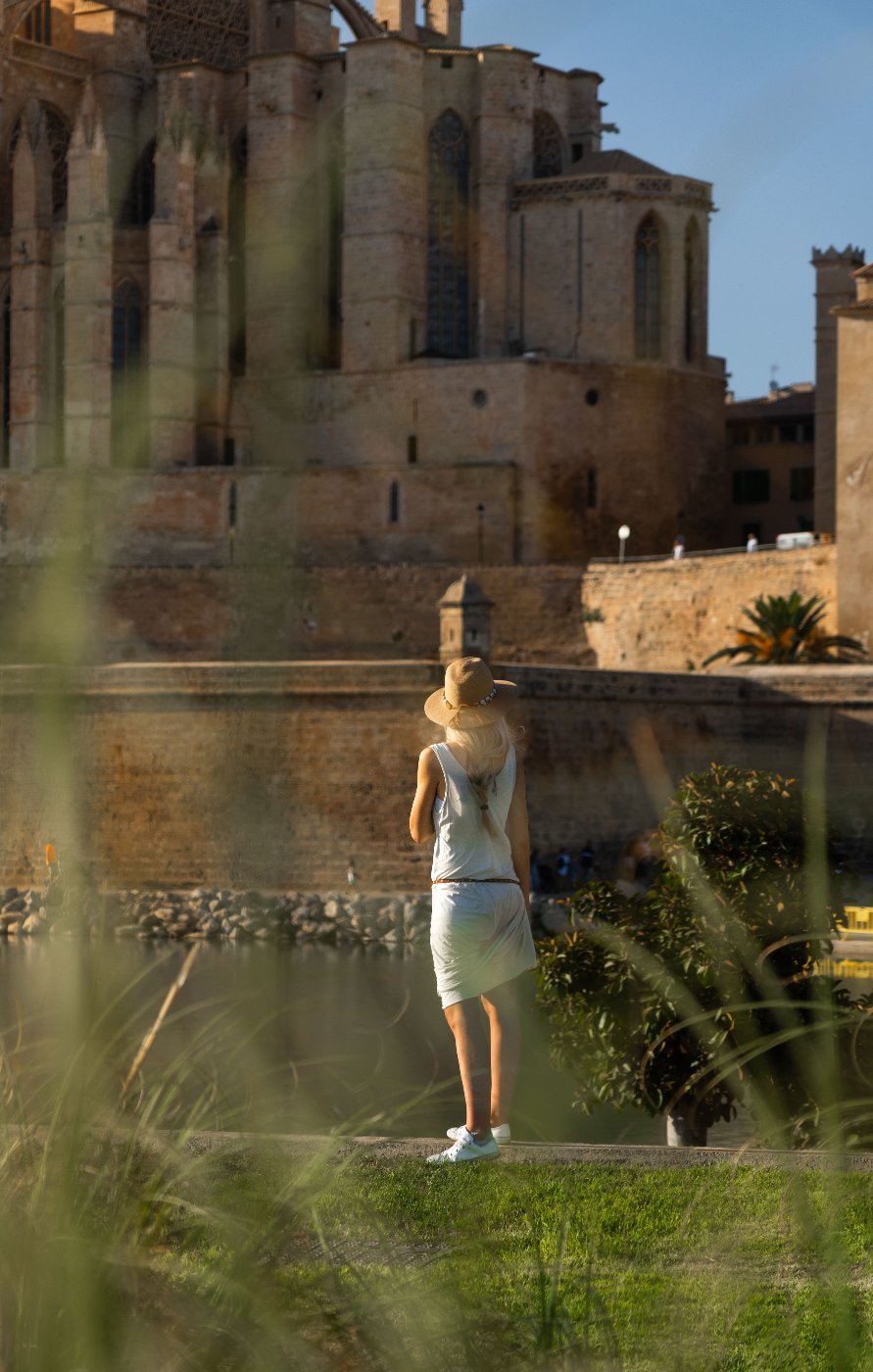
Spain runs late, and this is genuinely the thing that changes how safe a place feels.
Dinner starts at 9 or 10pm. Families with small children are in restaurants at 11. The streets are full of people until well past midnight, and not just people who’ve been drinking.
Walking back to your accommodation at 1am in a Spanish city centre usually means walking past couples, grandparents and teenagers eating ice cream. That’s a very different feeling from an empty street at 11pm in a northern European city.
It’s the single biggest reason women report feeling comfortable here. Busy streets are safer streets, and Spanish streets are busy very late.
▶ Watch This Before You Go
Attention, and How Much There Is
You will get more verbal attention than in northern Europe. Comments in the street, mostly from older men, mostly harmless, occasionally tiresome.
It’s noticeably more common in the south, Seville, Malaga, Cadiz, than in Madrid, Barcelona, Valencia or the north.
What works: don’t engage, keep walking, don’t feel obliged to smile or reply. A flat “no” is understood and complete. Nobody expects a conversation.
Persistent following is rare, and if it happens, walk into a bar or shop. Spanish bar staff will deal with it without you having to explain much.
Being honest: it’s a low-grade irritation rather than a safety issue, and it is worse in some places than others.
Eating Alone, Which Is Genuinely Fine
This is where Spain beats almost everywhere for a solo traveller.
The bar counter is the answer. Ordering a drink and a plate of something standing at the bar is completely normal for anyone at any hour, and nobody looks twice.
Tapas culture means small portions and moving between places, which suits eating alone perfectly. You’re not committing to a two-hour table for one.
Menu del dia at lunch, roughly 12 to 16 euros for three courses with a drink, and the dining rooms are full of people eating on their own.
The only awkward meal is a formal dinner for one at 10pm, and you can simply not do that.
Where I’d Send a First-Timer
Valencia. Big enough to be anonymous, small enough to walk, on the sea, cheaper than Madrid or Barcelona, and with a genuinely relaxed feel. My first recommendation for almost anyone.
Madrid. Real capital city, huge, and a woman alone is completely invisible in the good sense. Excellent transport, endless free things to do, and the safest-feeling big city in the country in my experience.
San Sebastian and the north. Pintxos bars are designed for standing and eating alone, the Basque coast is beautiful, and it’s greener and cooler than the south.
Granada, for the Alhambra and because bars still give free tapas with every drink, which makes eating alone almost free.
Seville is stunning and gets the most street attention of the big cities. Worth going, worth knowing.
Where to Be More Careful
Barcelona for theft specifically. It has a genuine, well-organised pickpocketing problem and tourists are the target. Nothing about it is dangerous, but people lose phones and wallets constantly.
The party coasts in summer. Benidorm, Magaluf, Ibiza’s San Antonio. Not unsafe as such, and the drinking culture there is heavy and imported and changes the atmosphere late at night.
Practical Things That Help
Learn some Spanish. Even a little transforms how people treat you, and outside the tourist centres English is patchy. It also means you can ask for help clearly, which matters.
Stay central. Spanish cities are safe but paying a bit more to be in the old town means walking home rather than working out a night bus.
Use official taxis or Cabify and Uber in the big cities. Both are cheap by northern European standards.
Know that August is dead in the cities and everyone is at the coast. If you want atmosphere, avoid it.
And note the siesta is real in smaller towns. Between roughly 2 and 5pm things shut, including some tourist offices, and a solo traveller with no plan can find a whole afternoon closed 🙂
Meeting People
Free walking tours in every city, and they’re the easiest first-morning social move anywhere in Spain.
Cooking classes, flamenco with a small group, day trips to nearby towns. Spanish social life happens outdoors and in groups, so joining something is much easier than starting a conversation cold.
Hostels with private rooms exist in every city here and are a good middle ground if you want your own space plus a bar downstairs.
Common Questions
Is Spain safe for solo female travellers? Yes, and it’s among the easier countries in Europe. Theft is the real risk, not violence.
Which Spanish city is best for a first solo trip? Valencia for size, cost and the sea. Madrid if you want a big anonymous capital.
Will I get harassed? You’ll likely get some verbal comments, more so in the south. It’s usually low-grade and stops if you keep walking.
Is it safe to walk at night? In city centres, generally yes, and the streets stay busy far later than in northern Europe. Take a taxi from quiet areas or late-night beach districts.
Do I need Spanish? You’ll manage without in tourist areas, and you’ll have a far better trip with even basic Spanish.