Barcelona has a reputation as an affordable Mediterranean city and that reputation is roughly a decade out of date.
It is still cheaper than London, Paris, Amsterdam or Dublin. It is no longer cheaper than Madrid on rent, and it is a long way off Valencia.
Here’s what it actually costs, and where the money goes that people don’t budget for.
Rent, and the Housing Problem
This is the number that decides everything, and Barcelona’s rental market is genuinely difficult.
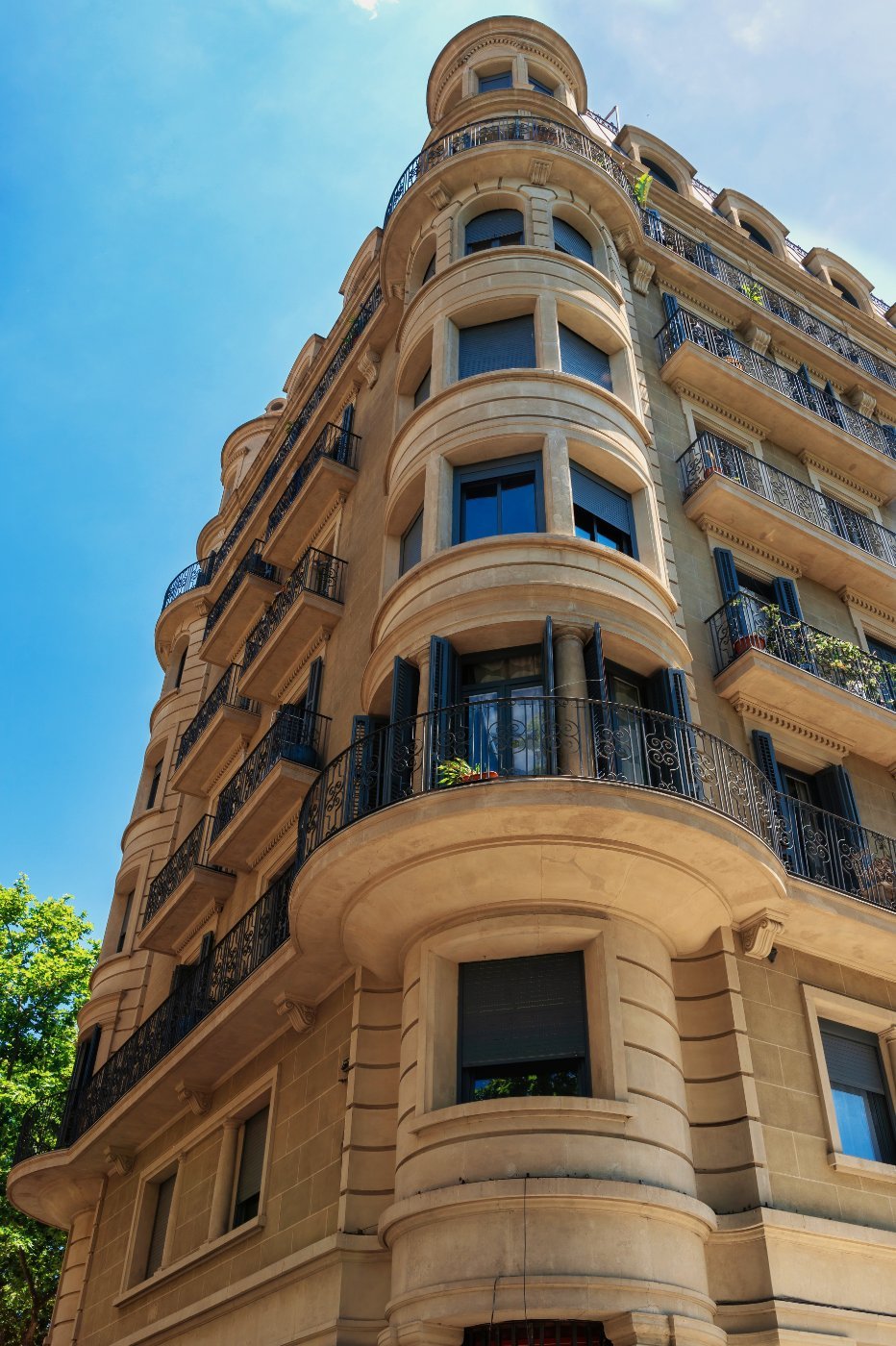
Rough monthly figures for an unfurnished one-bedroom flat: central and desirable, meaning Eixample, Gracia, Gothic Quarter or El Born, runs around 1,100 to 1,600 euros. One ring out, in Poble Sec, Sant Antoni or Poblenou, roughly 950 to 1,300. Further out, in Sants, Horta or Nou Barris, around 800 to 1,050.
A room in a shared flat is typically 500 to 800.
Supply is the real issue. Barcelona has restricted tourist licences and introduced rent controls in stressed areas, and the market is still extremely tight. Good flats go within days and landlords can afford to be selective.
What Landlords Will Ask For
Budget for a large upfront sum. Typically one month in advance, one or two months as a deposit, and often an agency fee of one month plus VAT.
That’s frequently three to four months’ rent before you have keys.
They will also want proof of income at around three times the rent, a work contract, and sometimes a Spanish guarantor. Getting a flat without a Spanish contract is genuinely hard, and this is where remote workers hit a wall.
Many people start in a shared flat or a mid-term furnished rental for the first few months and look properly once they’re on the ground.
▶ Watch This Before You Go
Utilities and Bills
Electricity is the expensive one, as it is across Spain. Budget 60 to 120 euros a month, spiking in winter and in August.
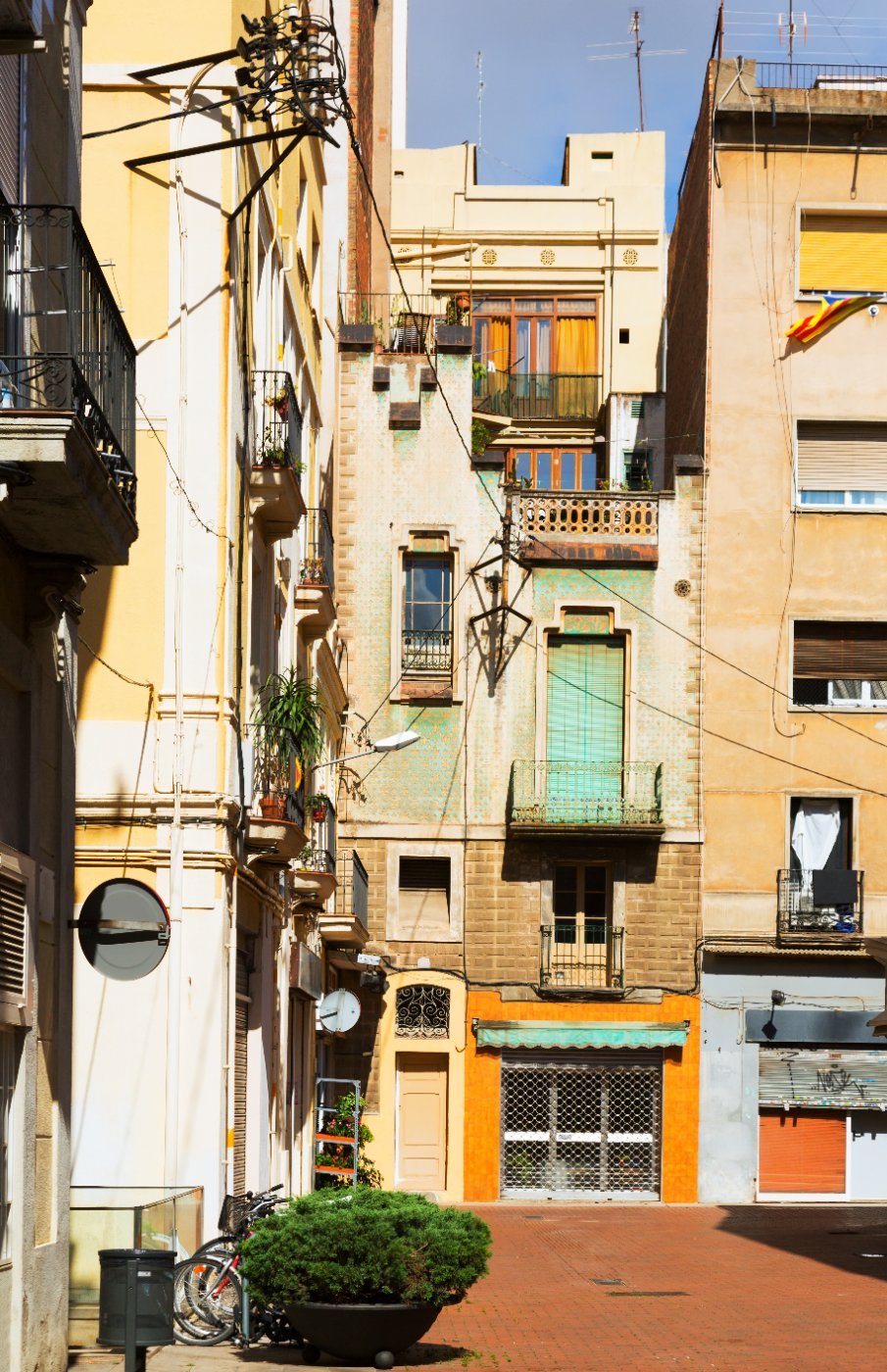
Barcelona flats are typically old, poorly insulated and often have no central heating, which people from northern Europe find genuinely surprising in January.
Gas, if you have it, adds 25 to 50 in winter. Water is cheap, roughly 25 to 40. Fibre internet runs 30 to 45. Mobile with plenty of data is 10 to 20.
Community fees usually sit with the landlord in a rental, but check the contract.
Food and Eating Out
Groceries for one person run roughly 200 to 300 euros a month at Mercadona, Lidl or Consum. The public markets, including La Boqueria, are better quality and mixed on price, with the tourist-facing stalls charging accordingly.
Menu del dia at lunch is 13 to 18 euros in Barcelona now, up meaningfully in the last few years and higher than Valencia or Seville.
Dinner out at a normal neighbourhood restaurant with wine runs 30 to 45 euros a head. A cana of beer is 2.50 to 4 depending on the barrio, and tourist-zone prices are noticeably higher.
Coffee standing at the bar is 1.50 to 2. Sitting on a terrace on a main square, double that.
Transport
Barcelona’s transport is excellent and cheap, which offsets some of the rent.
The T-usual monthly card for zone 1 is around 22 euros for unlimited travel, which is remarkable value. The T-casual ten-journey card is about 12.
Metro, bus, tram and the local trains all connect, and the metro runs all night on Saturdays.
Bicing, the city bike scheme, is about 50 euros a year for residents. Most people in the centre do not own a car, and with the low-emission zone restrictions there’s little reason to.
Healthcare
If you’re employed and paying social security, public healthcare is free at the point of use and Catalonia’s system is well regarded.
On a non-lucrative or digital nomad visa you need private cover, which runs 50 to 120 euros a month depending on age and policy.
Plenty of residents with public access still keep cheap private insurance to skip specialist waiting times.
A Realistic Monthly Budget
Single person, one-bedroom flat one ring out from the centre, living comfortably but not lavishly:
Rent 1,100. Utilities and internet 160. Groceries 260. Eating and drinking out 280. Transport 22. Phone 15. Gym 45. Insurance 70. That comes to roughly 1,950 euros a month.
Sharing a flat brings that down to about 1,400. A couple in a one-bedroom lands around 2,700 to 3,000 combined.
Comfortable for one person starts around 2,300 a month. Under 1,600 means a shared flat and real discipline.
Barcelona vs Madrid vs Valencia
Barcelona and Madrid are now broadly comparable on rent, with Barcelona sometimes higher for equivalent central space and a tighter market.
Valencia is roughly 25 to 35 percent cheaper on rent, is on the sea, and is the reason so many people who considered Barcelona ended up there instead.
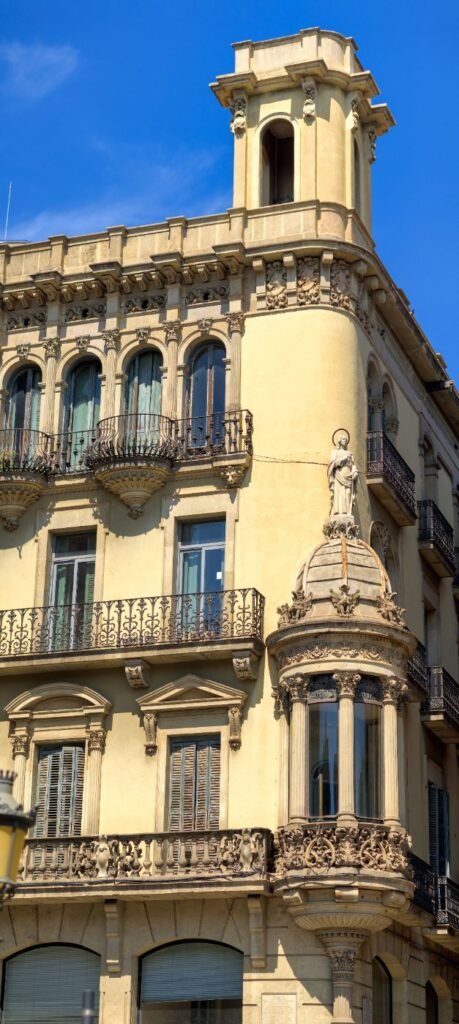
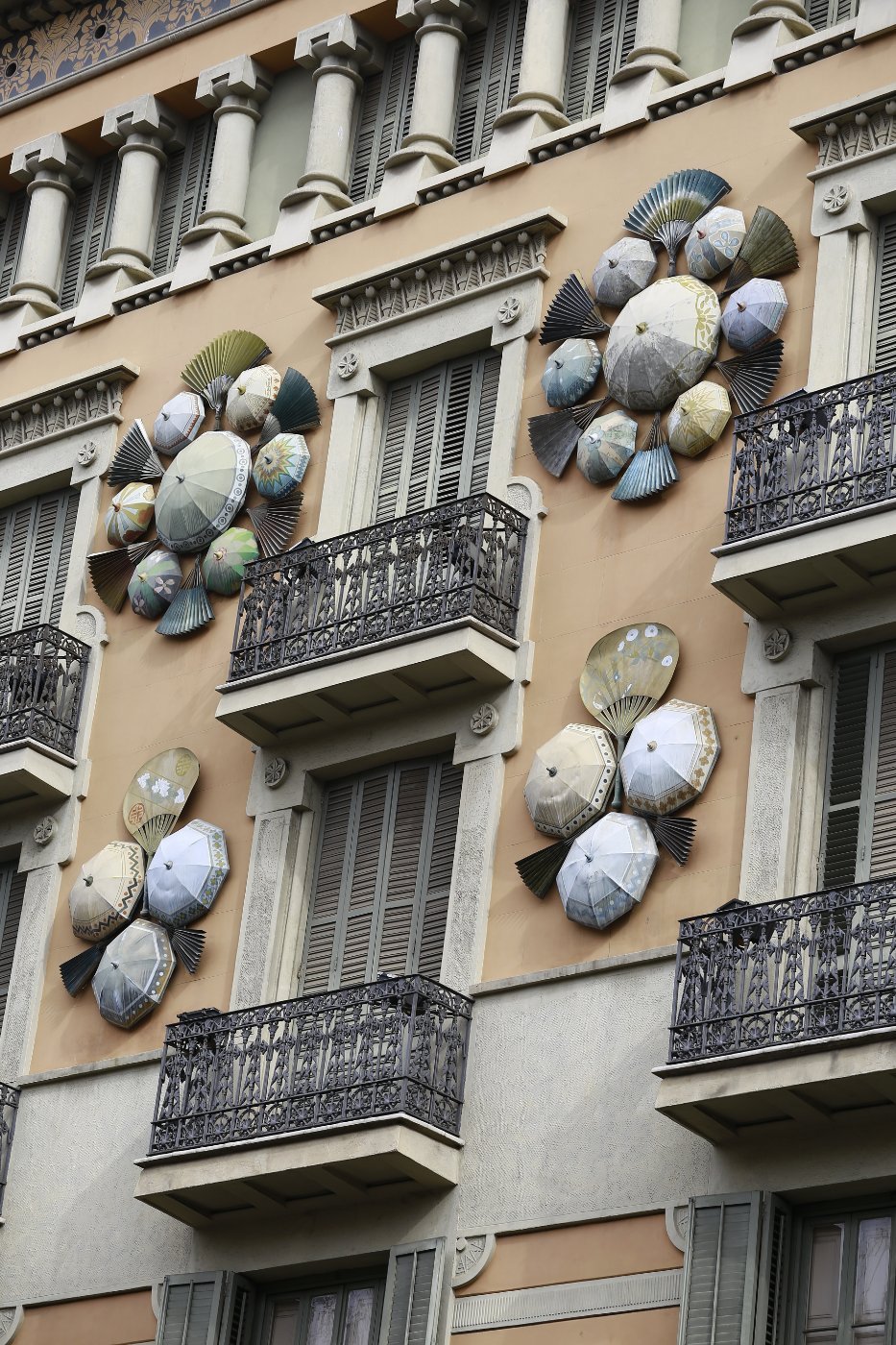
What Barcelona buys you: the sea and the mountains within the city, the best architecture in Spain, the largest international community, and excellent transport. It’s a genuinely world-class city and it charges accordingly.
Things That Catch People Out
Tourist crowds are not just an aesthetic issue. They affect rents, restaurant prices and how the city feels in the centre in summer. Living in the Gothic Quarter sounds romantic and is loud year round.
Catalan. It’s co-official and it’s used in schools, public administration and a lot of daily life. You can live here on Spanish, and integrating properly means engaging with Catalan.
Local salaries are low relative to the cost. If you’re earning locally rather than remotely, the maths is much tighter than the price list suggests :/
Bureaucracy: NIE, empadronamiento, social security, bank account. Budget several hundred euros and a lot of appointments, or pay a gestor.
Common Questions
How much do you need to live in Barcelona? Around 1,950 euros a month for a comfortable single life in a one-bedroom flat, or about 1,400 sharing.
Is Barcelona cheaper than Madrid? No longer, really. They’re broadly comparable, and Barcelona’s rental market is tighter.
What’s the cheapest area to live? Sants, Horta-Guinardo, Nou Barris and parts of Sant Andreu, all metro-connected and well below central prices.
Do I need a car? No. Transport is excellent and cheap, and the low-emission zone makes driving a nuisance.
Can you live in Barcelona on 1,500 euros a month? In a shared flat, cooking most meals, yes. In your own place it is very tight.