

Europe on a budget sounds like a contradiction to a lot of first-time travelers, since the continent’s reputation for expensive cities and pricey train tickets scares people into thinking it’s out of reach. That reputation isn’t entirely wrong, but it’s also not the full picture.
Here’s a realistic breakdown of what budget travel across Europe actually costs, region by region.
None of these numbers assume luxury or true backpacker-poverty extremes. This is the comfortable-but-frugal middle ground most budget travelers actually want.
Western Europe: The Expensive Baseline
Countries like France, Germany, and the Netherlands sit at the higher end of Europe’s budget spectrum, with $70-100 per day covering hostels, cheap eats, and modest sightseeing. Major cities like Paris and Amsterdam push that number higher if you’re not careful about accommodation choices.
Free walking tours and museum days genuinely help stretch a Western Europe budget further than most people expect. Picnic lunches from grocery stores instead of restaurant meals make an enormous difference over a multi-week trip too.
Eastern Europe: Where Your Money Stretches Furthest
Poland, Hungary, Romania, and the Balkans deliver genuinely comparable experiences to Western Europe at a fraction of the cost. Budget $35-55 per day here for comfortable hostel stays, real meals out, and regular sightseeing without constant penny-pinching.
Is Eastern Europe actually as beautiful and interesting as the pricier west? Genuinely, yes, and often more so, since the crowds run thinner and the historic centers feel less overrun by tourism.
Southern Europe: The Sweet Spot
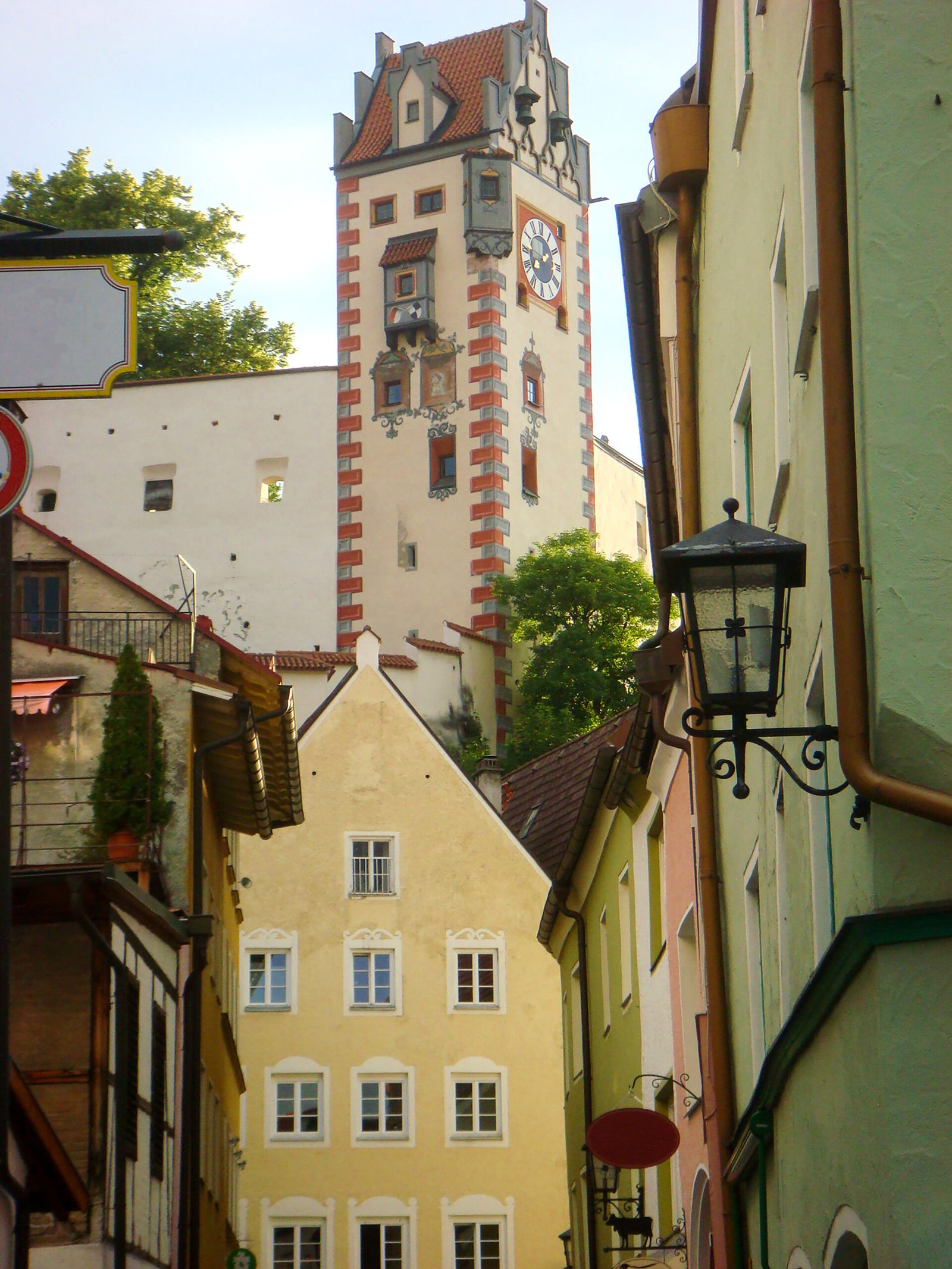
Portugal, Spain, Greece, and parts of Italy occupy a genuine middle ground, offering incredible food and culture at costs below Western Europe’s premium. Expect $50-75 per day for a comfortable budget trip through this region, varying by season and specific country.
Portugal specifically tends to run cheaper than Spain or Italy for comparable quality, making it a smart entry point for first-time budget travelers to the region.
A few practical things that shape your actual daily spend anywhere in Europe:
- Accommodation type matters more than almost any other factor, since hostels versus budget hotels create a huge cost gap
- Season swings prices dramatically, with shoulder season often cutting costs by 30% or more versus peak summer
- Cooking versus eating out for even half your meals meaningfully reduces daily spend
- Transportation choices between trains, buses, and budget flights create real cost differences depending on route
- Alcohol spending specifically adds up faster than most travelers expect, especially in nightlife-heavy destinations
Getting Between Countries Without Overspending
Budget airlines like Ryanair and Wizz Air make intra-European flights genuinely cheap if you book ahead and pack light enough to avoid baggage fees. Watch the fees carefully, since these airlines make their real money on add-ons that can double your fare if you’re not paying attention.
Trains remain the classic European travel method, and booking advance tickets rather than walking up to the counter saves real money on longer routes. Buses run even cheaper than trains for many routes, trading speed for savings in a way that often makes sense for budget travelers.
Accommodation Strategies That Actually Save Money
Hostels remain the backbone of budget European travel, and private rooms within hostels often cost barely more than dorm beds while delivering meaningfully more comfort. Booking directly through hostel websites sometimes beats the big booking platforms once you account for service fees.
Real talk, a few nights in a private hostel room genuinely beats a shared dorm for anyone who values sleep, and the price difference is often smaller than people assume before checking.
Food Costs and How to Actually Control Them
Grocery store meals and street food consistently beat restaurant dining for both cost and often quality, especially in tourist-heavy areas where restaurant prices inflate near major sights. Lunch specials at sit-down restaurants frequently offer better value than the same menu items at dinner.
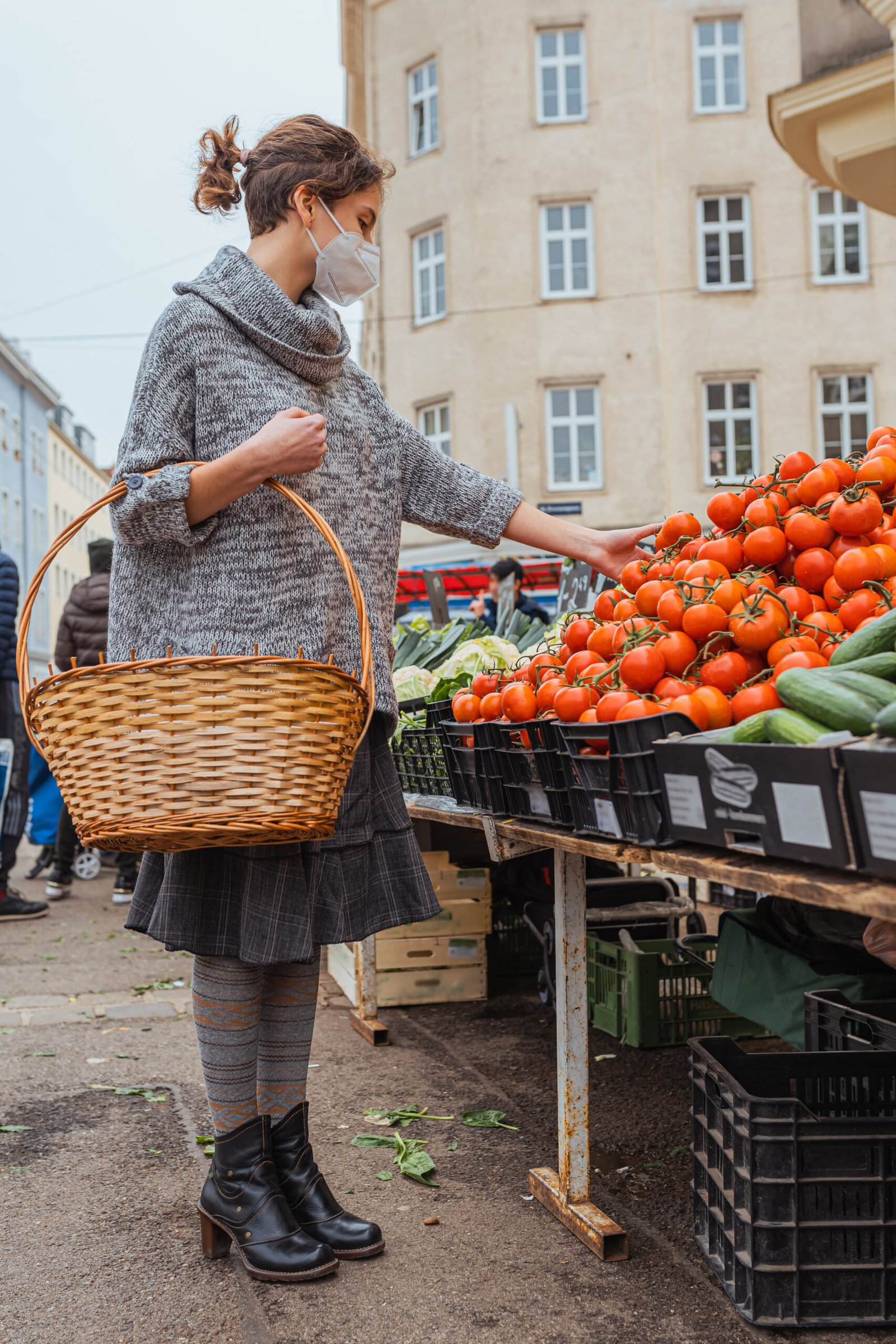
Markets in cities like Barcelona, Budapest, and Bologna deliver genuinely excellent food at prices well below restaurant equivalents. Building at least one market visit into every city stop pays off both financially and culturally.
What Actually Blows Budgets on European Trips
Alcohol, paid attractions booked without comparison shopping, and impulsive taxi rides instead of public transit are the three biggest budget killers on most European trips. Set a rough daily spending target and track it loosely, since even casual awareness prevents the slow bleed of small overspends.
Souvenir shopping near major tourist sites specifically tends to cost far more than the same items found in regular shops a few blocks away. IMO this is one of the most avoidable budget leaks on any European trip. 😅
Realistic Multi-Country Trip Costs
A three-week trip mixing Western, Southern, and Eastern Europe averages out to roughly $55-70 per day once you blend the expensive and cheap stretches together. This assumes hostel accommodation, a mix of cooking and eating out, and regular use of budget transportation.
Longer trips actually reduce your average daily cost, since you learn the money-saving patterns of each region and get better at avoiding tourist-trap spending as you go.
Free and Nearly Free Activities Worth Prioritizing
Free walking tours, running on a tip-based model, exist in nearly every major European city and deliver genuinely excellent context for a fraction of a paid tour’s cost. Many major museums offer free entry on specific days or evenings, worth researching before you commit to full-price tickets.
Simply wandering historic centers, parks, and waterfronts costs nothing and often delivers the most memorable moments of an entire trip regardless of budget level.
Currency and Payment Considerations
Not all of Europe uses the euro, and countries like Hungary, Czech Republic, Poland, and the UK use their own currencies with generally favorable exchange rates for budget travelers. A no-foreign-transaction-fee card genuinely pays for itself within the first few purchases of any multi-country trip.
Withdrawing larger amounts of cash less frequently, rather than small amounts constantly, typically reduces the ATM fees that quietly eat into tight budgets.
Packing Light to Avoid Hidden Fees
Traveling with just a carry-on saves real money across an entire European trip, since budget airline baggage fees can genuinely rival the cost of the flight itself. A 40-liter backpack works well for most multi-week trips, forcing the kind of minimal packing that also makes moving between cities far less exhausting.
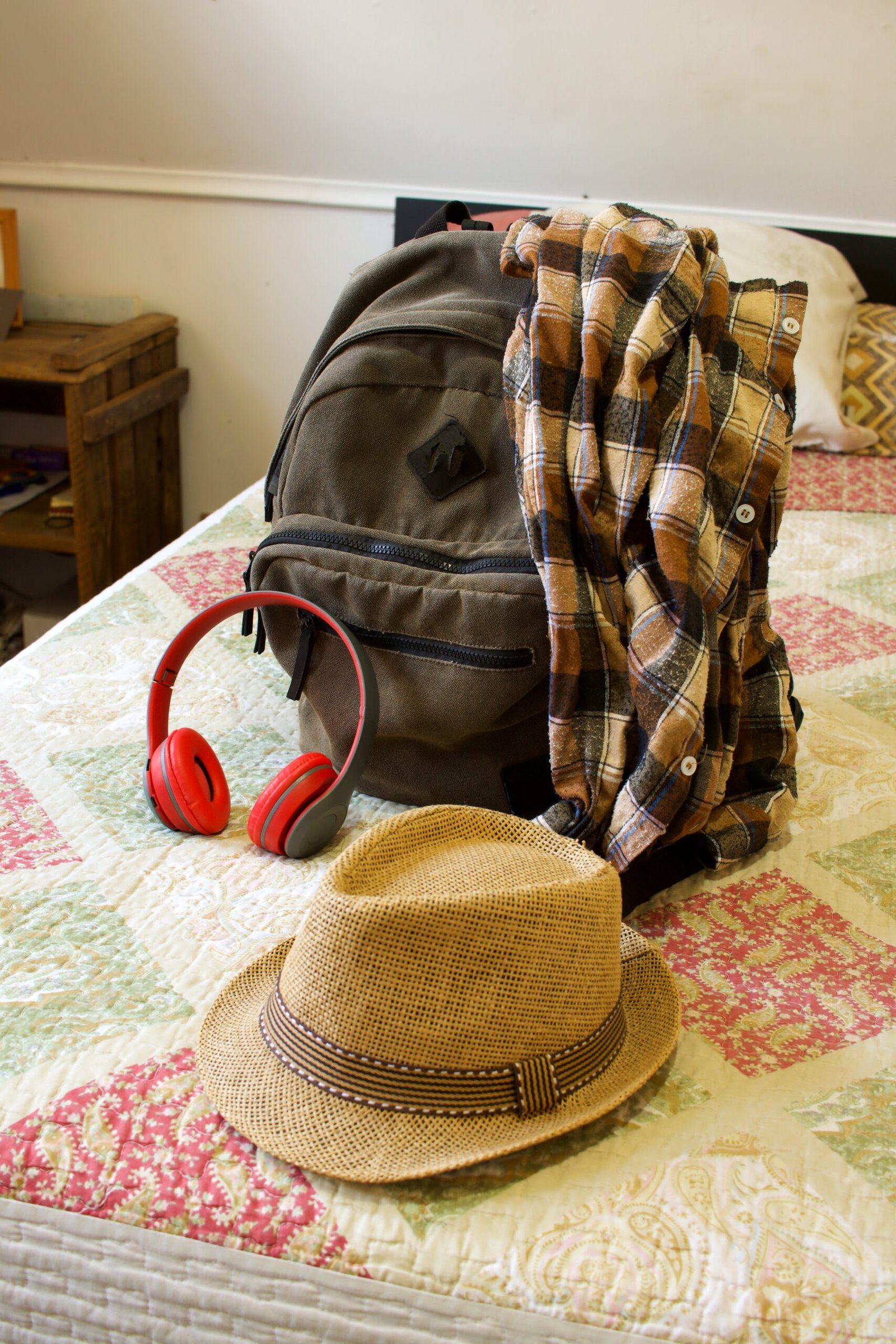
Doing laundry every week or so at a hostel or laundromat costs very little and eliminates the need to pack more than seven to ten days of clothing regardless of trip length. Is packing this light actually realistic for a longer trip? Genuinely, yes, once you commit to the laundry routine instead of over-packing out of habit.
Best Time to Travel for Budget Savings
Shoulder season, running April to May and September to October, delivers the best balance between good weather and lower prices across most of Europe. Peak summer months spike both accommodation costs and crowd levels simultaneously.
Winter travel outside the Christmas market season offers the absolute cheapest prices, though shorter days and colder weather trade off against those savings depending on your priorities.
Budget travel through Europe rewards planning and awareness far more than it rewards extreme frugality or sacrifice. Mix expensive and cheap regions strategically, cook some of your own meals, and book transportation ahead, and a genuinely comfortable multi-week European trip stays well within reach for most travelers willing to plan a little.