
Solo Travel Safety Tips Every Woman Should Know Before Her First Trip
Traveling solo as a woman for the first time genuinely brings up valid safety questions, and preparing thoughtfully beforehand makes the actual experience considerably smoother and more confident. Understanding practical safety strategies, rather than avoiding solo travel out of general anxiety, opens up genuinely rewarding experiences.
In this guide
- Research Your Destination Thoroughly Beforehand
- Share Your Itinerary With Someone at Home
- Choose Accommodation With Safety in Mind
- Trust Your Instincts About People and Situations
- Dress and Behave to Blend In Locally
- Keep Copies of Important Documents
- Learn Basic Safety Phrases in the Local Language
- Stay Connected With Local SIM Cards or eSIMs
- Avoid Displaying Valuables Prominently
- Plan Your Arrival Times Strategically
- Build Confidence Through Preparation, Not Fear
- Connect With Other Solo Travelers When It Helps
- What This Preparation Actually Costs
Here’s a complete rundown of safety tips every woman should know before her first solo trip.
None of this means solo travel is inherently dangerous. Just that basic preparation genuinely reduces risk and increases confidence throughout your trip.
Research Your Destination Thoroughly Beforehand
Understanding a destination’s specific safety considerations, cultural norms, and common scams before arriving helps you navigate confidently rather than reactively figuring things out. Reading recent traveler experiences, particularly from other solo women travelers, provides more current and relevant safety context than generic guidebook information.
Is extensive pre-trip research genuinely necessary, or does it create unnecessary anxiety? Balanced research, focused on practical logistics rather than worst-case scenarios, builds confidence rather than fear before you even depart.
Share Your Itinerary With Someone at Home
Keeping a trusted person informed of your general location, accommodation details, and planned activities creates a genuine safety net without requiring constant check-ins throughout your trip. Sharing your accommodation bookings and rough daily plans, updated as your trip progresses, ensures someone knows where to start looking if something ever goes wrong.
A few practical ways to maintain this safety net effectively:
- Location sharing apps let trusted contacts see your general whereabouts without requiring active communication
- A simple daily check-in message, even just a quick text, reassures both you and people back home
- Sharing your full itinerary before departure gives your contact a baseline understanding of your planned route
- Updating plans when they change significantly keeps this safety net genuinely accurate and useful
- Choosing a reliable, responsive contact matters more than choosing someone who’s simply available

Choose Accommodation With Safety in Mind
Selecting accommodation based partly on safety reviews and location, not purely on price, matters considerably more for solo women travelers than for other travel styles. Reading recent reviews specifically mentioning solo female travelers’ experiences reveals safety-relevant details that general reviews sometimes miss.
Real talk, a slightly more expensive, well-located accommodation choice often delivers genuine peace of mind that justifies the added cost for solo travelers specifically.
Trust Your Instincts About People and Situations
Learning to trust gut feelings about uncomfortable situations or people, rather than dismissing that instinct out of politeness, represents one of the most important safety skills for solo travel. Removing yourself from a situation that feels wrong, even without a clear specific reason, beats staying out of social obligation or fear of seeming rude.
IMO this instinct-trusting skill matters more than any specific safety gadget or app, since it applies to genuinely unpredictable situations that no guidebook can fully anticipate. 😅
Dress and Behave to Blend In Locally
Researching local dress norms and adjusting your clothing choices accordingly helps you attract less unwanted attention in destinations with more conservative cultural expectations. Observing how local women dress and carry themselves upon arrival provides real-time guidance beyond whatever research you did before your trip.
Is this blending-in strategy about restricting yourself unfairly? It’s genuinely more about practical safety awareness than restriction, similar to how anyone adjusts behavior based on context and environment.
Keep Copies of Important Documents
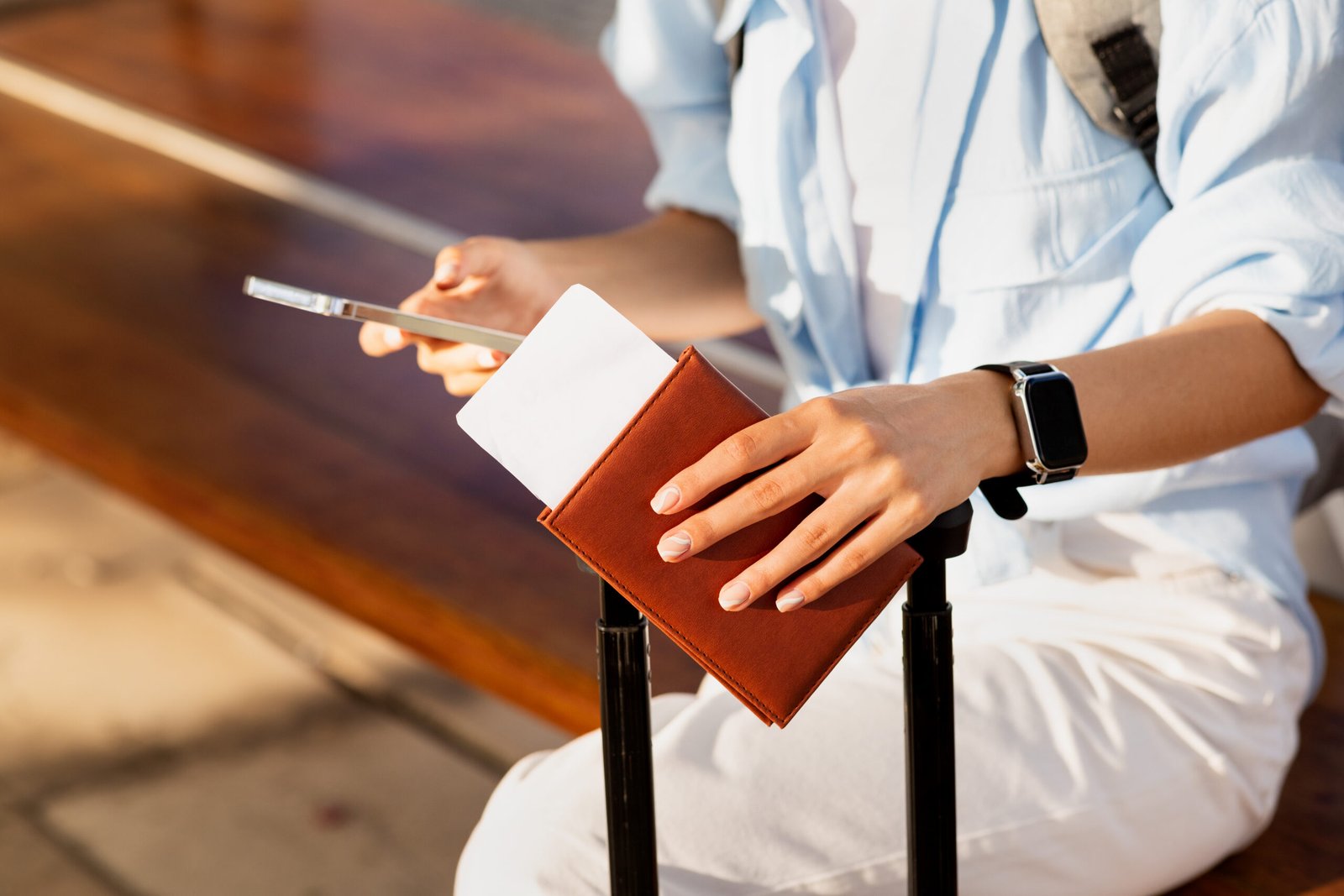
Maintaining both physical and digital copies of your passport, visa, and other essential documents, stored separately from the originals, prevents a lost or stolen document from becoming a genuine crisis. Emailing copies to yourself, alongside physical backup copies packed separately from your main documents, covers multiple failure scenarios simultaneously.
This documentation backup strategy costs almost nothing in effort but genuinely prevents one of solo travel’s most stressful potential problems.
Learn Basic Safety Phrases in the Local Language
Knowing how to say “help,” “police,” or “leave me alone” in the local language provides genuine practical value beyond basic politeness phrases most travelers learn. Writing these phrases down, in case pronunciation proves difficult in a stressful moment, adds a reliable backup to memorized language.
This small preparation step takes minimal time but provides genuine reassurance for situations where clear communication suddenly matters enormously.
Stay Connected With Local SIM Cards or eSIMs
Maintaining reliable internet access throughout your trip, rather than relying purely on WiFi, ensures you can access maps, translation tools, and emergency contacts whenever needed. Setting up an eSIM before departure, when your destination supports this option, means you land with connectivity already active rather than searching for a SIM card immediately after arrival.
Is constant connectivity necessary, or does it undermine the point of solo travel’s independence? Reliable access to emergency resources and navigation tools genuinely enhances safety without meaningfully compromising the independent spirit of solo travel.
Avoid Displaying Valuables Prominently
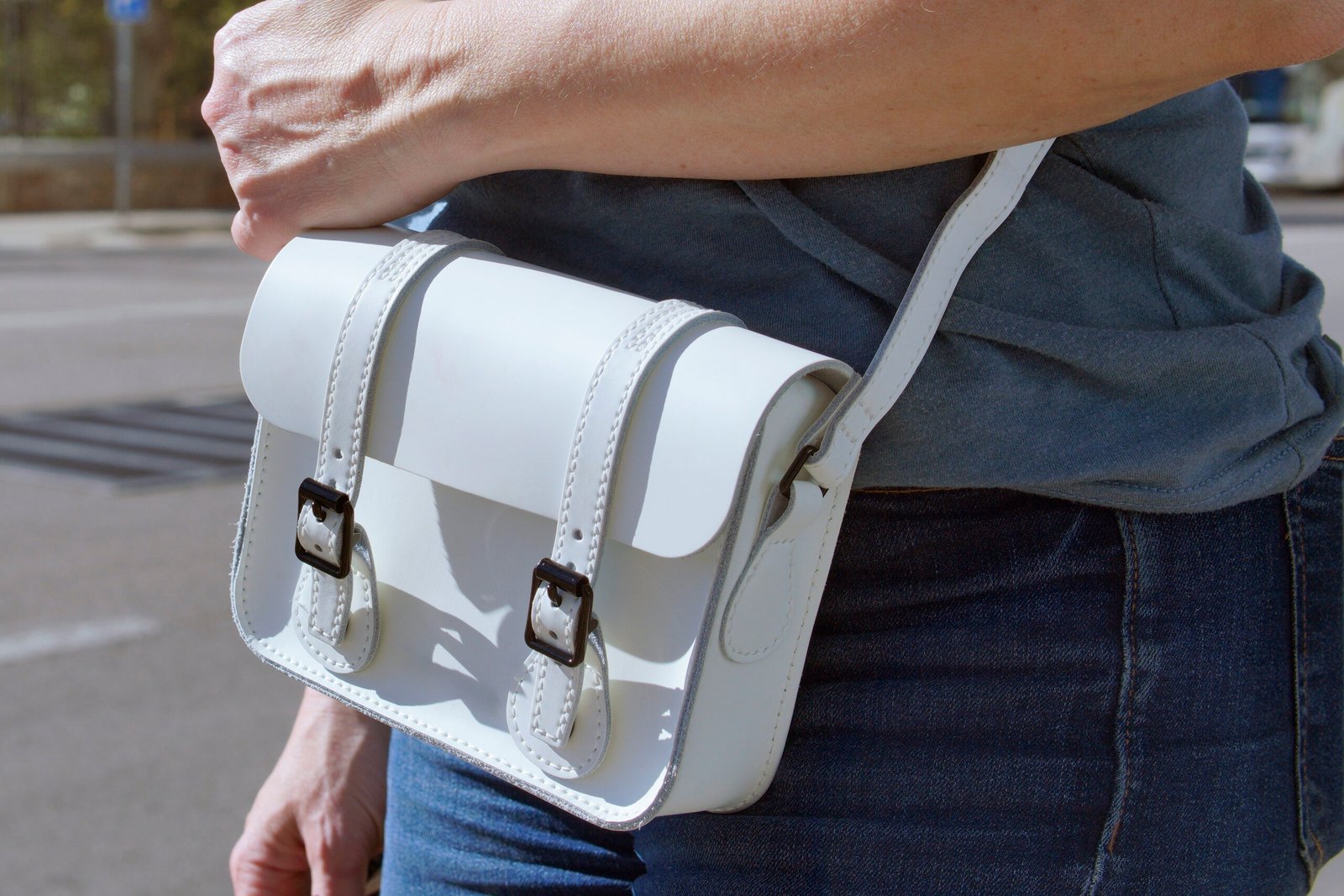
Keeping expensive jewelry, cameras, and electronics less visible in public, particularly in crowded tourist areas known for petty theft, reduces your appeal as a target. Using a cross-body bag with secure closures, rather than an easily accessible backpack or open tote, adds a meaningful layer of practical theft prevention.
This low-profile approach to valuables matters more in certain destinations than others, so adjusting based on your specific location’s actual crime patterns makes sense.
Plan Your Arrival Times Strategically
Arriving at new destinations during daylight hours, rather than very late at night, gives you better visibility and more transportation options if plans need adjusting. Booking flights or trains that land before evening, when logistically possible, avoids the added stress of navigating an unfamiliar city after dark on arrival day.
This arrival timing consideration matters especially for your very first destination on a trip, before you’ve developed any local familiarity or routine.
Build Confidence Through Preparation, Not Fear
Approaching solo travel safety from a place of practical preparation, rather than constant anxiety, genuinely improves both your actual safety and overall trip enjoyment. Focusing on actionable steps, rather than worst-case scenario thinking, keeps your mindset productive rather than paralyzed by unlikely fears.
This preparation-focused mindset ultimately determines whether solo travel feels genuinely empowering or perpetually stressful throughout your trip.
Connect With Other Solo Travelers When It Helps
Meeting other solo travelers through hostels, group tours, or local meetup apps can add both social enjoyment and a practical safety layer for certain activities like nightlife or unfamiliar hiking trails. Joining a group day tour for a specific activity that feels riskier solo, like a remote hike or late-night outing, balances independence with reasonable caution.
This selective socializing doesn’t mean abandoning the solo trip’s independence, just recognizing when temporary company genuinely makes sense for a specific situation.
What This Preparation Actually Costs
Budget $50-150 for safety-focused preparation, covering an eSIM, a quality cross-body bag, document copies, and any destination-specific safety gear your research reveals as genuinely useful. This modest upfront investment delivers meaningful peace of mind relative to its actual cost.
This preparation cost remains genuinely minor compared to your overall trip budget, making it an easy priority regardless of your broader travel spending plans.
Solo travel as a woman rewards thoughtful preparation with genuine confidence and safety, transforming valid initial concerns into a manageable, well-prepared approach to independent exploration. Research your destinations thoroughly, trust your instincts consistently, and maintain practical safety habits throughout your trip, and you’ll experience the genuine freedom and confidence that solo travel offers.