
Solo travel as a woman comes with genuine safety considerations that deserve honest, practical attention rather than either dismissal or excessive fear. The vast majority of trips go smoothly, and a bit of preparation meaningfully reduces whatever risk exists.
Here’s a complete rundown of safety tips genuinely worth knowing before your first solo trip.
None of this should discourage you from traveling alone. It’s meant to help you travel smarter and feel more confident doing it.

Research Your Destination Before Booking
Understanding a destination’s general safety reputation, common scams, and areas to avoid before you book helps you make informed decisions rather than discovering problems after arrival. Government travel advisories offer a useful, if sometimes overly cautious, starting point for understanding current conditions in any country you’re considering.
Is it worth joining solo female travel forums or groups for destination-specific advice? Genuinely, yes, since other women who’ve actually visited offer more nuanced, practical insight than generic advisory websites.
Share Your Itinerary With Someone at Home
Sending your rough itinerary, accommodation details, and flight information to a trusted friend or family member creates a genuine safety net if something goes wrong. Regular check-ins, even brief ones, give someone back home a way to notice quickly if you’ve gone unexpectedly silent.
Real talk, this feels excessive to some solo travelers at first, but the small effort costs nothing and provides genuine peace of mind for everyone involved.
Choose Accommodation Strategically
Where you stay meaningfully affects your safety, and researching neighborhood safety alongside price and amenities prevents landing somewhere genuinely risky. Reviews specifically mentioning solo female travelers offer more relevant insight than generic star ratings, since other women’s experiences directly speak to your situation.
A few practical accommodation considerations worth prioritizing:
- Well-lit entrances and hallways matter more than aesthetic details when evaluating a property
- 24-hour front desk staff provide a genuine resource if problems arise at any hour
- Central, well-connected locations reduce the need for risky late-night transportation
- Female-only hostel dorms offer an extra comfort layer for budget travelers specifically
- Ground floor rooms aren’t always safer, despite the common assumption, since accessibility cuts both ways
Trust Your Instincts Without Overthinking Every Interaction
Genuine intuition about a person or situation feeling wrong deserves attention, even without concrete evidence something’s amiss. Removing yourself from a situation that feels off costs little compared to the regret of ignoring a real warning sign.
IMO the balance here matters enormously, since being warm and open to genuine connections while still trusting red flags takes practice but becomes more natural with experience. 😅
Keep Your Drink and Belongings Secure
Watching your drink at bars and clubs, never leaving it unattended, protects against the same risks that exist for solo women everywhere, not just while traveling. A cross-body bag worn in front, rather than a backpack or purse dangling behind you, meaningfully reduces theft risk in crowded areas.
Is bringing a portable door lock or doorstop alarm genuinely useful? For added peace of mind in unfamiliar accommodation, many solo travelers find these small, cheap devices genuinely reassuring.
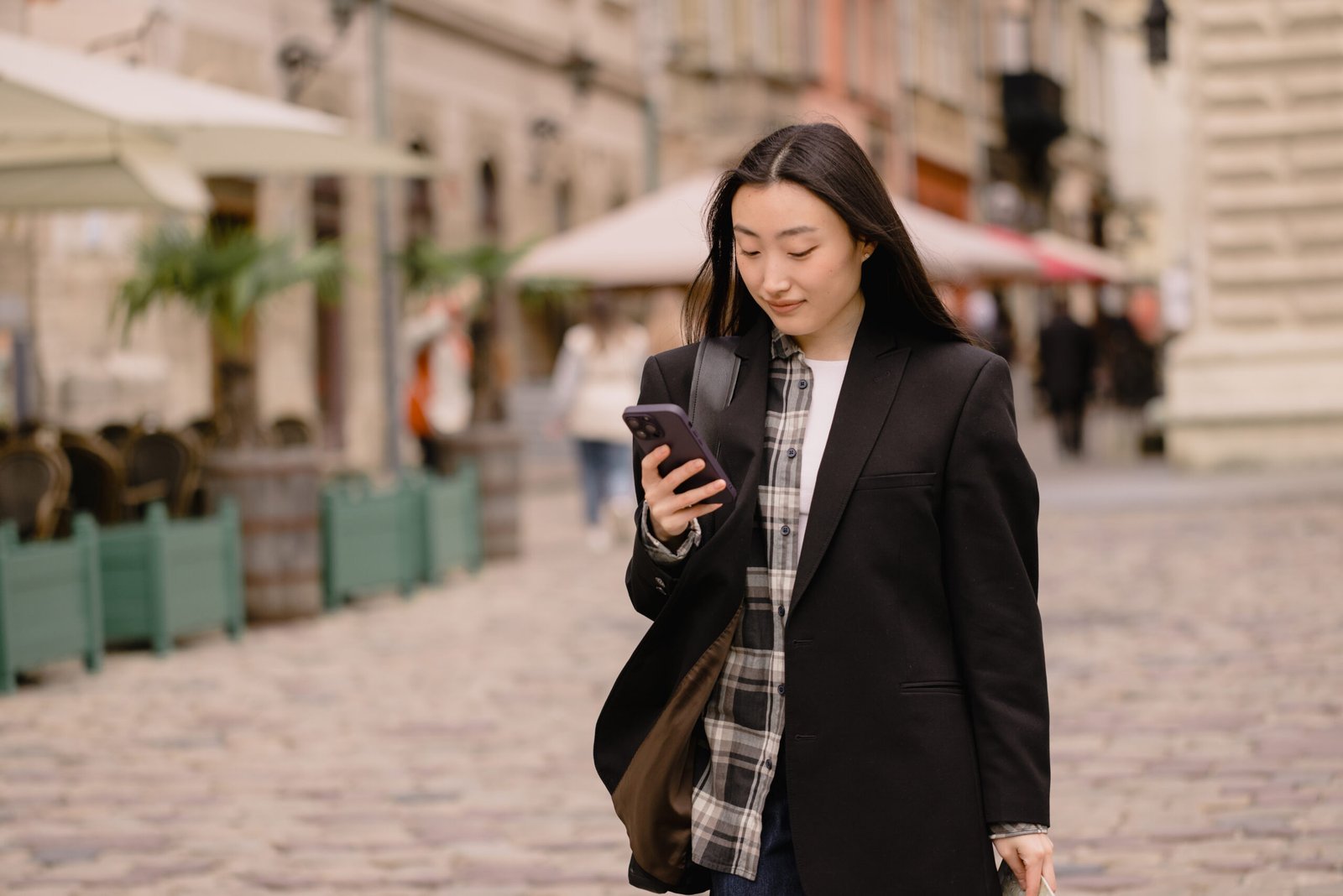
Dress and Behave With Cultural Awareness
Researching local dress norms and cultural expectations before arrival helps you avoid unwanted attention that stems from unintentionally standing out or offending local customs. This isn’t about restricting yourself, but rather about making informed choices that align with how you want to move through a particular culture.
Real talk, adjusting your presentation somewhat for cultural context isn’t a safety failure or capitulation, it’s just practical awareness that experienced travelers develop over time.
Have a Local SIM Card or Reliable Data Plan
Staying connected to maps, translation apps, and emergency contacts requires reliable internet access, which makes a local SIM card or international data plan genuinely essential rather than optional. Offline map downloads provide a crucial backup for areas with poor signal, ensuring you’re never fully without navigation.
This connectivity also makes it far easier to call for help, coordinate with others, or simply feel less isolated if something goes wrong.
Learn Basic Local Phrases and Emergency Numbers
Knowing how to ask for help, say no firmly, and call local emergency services removes a genuine barrier if you actually need assistance. Writing down your accommodation’s address in the local language and script helps enormously if you need to show it to a taxi driver or ask for directions.
Is learning the full language necessary? Not at all, but a handful of key phrases genuinely smooths both daily interactions and potential emergency situations.
Vary Your Routine and Avoid Obvious Patterns
Predictable daily patterns, like always returning to your accommodation at the same time via the same route, create theoretical vulnerability that varying your routine somewhat reduces. This matters more in specific higher-risk situations than as a universal rule, so use judgment based on your actual destination and circumstances.
Real talk, most solo travelers never need to think about this consciously, but it’s worth knowing as a general principle for longer stays in one place.
Handle Unwanted Attention Confidently
Firm, clear responses to unwanted attention, whether from persistent vendors or overly interested strangers, generally work better than polite deflection that can be misread as openness. Practicing a confident “no” beforehand makes it easier to deploy naturally when you actually need it in the moment.
Is claiming to be married or traveling with a partner a legitimate tactic? Many solo female travelers use this successfully to deflect unwanted attention, and there’s no shame in using whatever social tools work for your comfort and safety.
Build a Support Network on the Road
Connecting with other travelers, whether through hostels, tours, or apps designed for this purpose, creates both social enjoyment and a practical safety layer. Group activities and shared excursions reduce isolation while still preserving the independence that draws people to solo travel in the first place.
This doesn’t mean abandoning alone time, which many solo travelers genuinely value, but rather having options when you want company or extra support.
Know When to Spend More for Safety
Sometimes the cheapest option, whether transportation, accommodation, or a tour, carries genuine safety tradeoffs that justify spending a bit more. A licensed taxi or rideshare app over an unmarked cab, especially late at night, represents money well spent regardless of your overall budget constraints.
This isn’t about assuming the worst everywhere, but about recognizing specific situations where the safety premium genuinely makes sense.
What Solo Travel Safety Actually Costs
Budget a small premium, roughly 10-15% above your base trip cost, for safety-conscious choices like better-located accommodation, licensed transportation, and occasional taxis instead of walking alone late at night. This modest additional cost buys genuine peace of mind without dramatically changing your overall trip budget.
Most solo female travelers find this small investment well worth the confidence and reduced stress it provides throughout the trip.
Solo travel as a woman remains genuinely rewarding and safe for the overwhelming majority of trips, especially with some thoughtful preparation beforehand. Research your destination, trust your instincts, and build in small safety habits like sharing your itinerary and choosing accommodation wisely, and you’ll set yourself up for a confident, enjoyable solo adventure.