Solo Travel Safety Tips Every Woman Should Know Before Her First Trip
Solo travel as a woman comes with a slightly different calculus than most travel advice accounts for. None of that means staying home. It means traveling smarter, with a few specific habits that genuinely reduce risk without draining the fun out of the trip.
In this guide
- Research Your Destination Like You Mean It
- Share Your Location and Itinerary
- Choosing Where to Stay
- Trust Your Gut Without Apologizing For It
- What to Pack for Peace of Mind
- Getting Around Safely
- Managing Your Money and Documents
- Handling Unwanted Attention
- Solo Dining and Socializing Without Losing Your Guard
- Destinations That Make a Good First Solo Trip
- What to Do If Something Actually Goes Wrong
- Building Confidence Before You Go
Here’s what actually matters before you book that first solo ticket.
Most of these tips take five minutes to set up and cost nothing. The payoff is a trip where you’re focused on the experience instead of managing unnecessary risk.
Research Your Destination Like You Mean It
Read recent solo female travel blogs and forums specific to your destination, not generic country guides. Reddit’s solo travel and female travel communities consistently offer the most current, specific advice on which neighborhoods to avoid and which transit options feel safest at night.
Check your destination’s current safety advisories through your government’s travel site before booking. Conditions change, and a destination that felt safe a few years ago might have shifted in ways generic guidebooks haven’t caught up with yet.
Share Your Location and Itinerary
Send your full itinerary, including flight numbers and accommodation addresses, to at least one trusted person before you leave. Set up daily check-ins, even a simple text, so someone always knows roughly where you are and notices quickly if something feels off.
Location-sharing apps between your phone and a trusted contact add a real layer of security for very little effort. Is this overkill for a short trip? Not really, since the habit costs nothing and the payoff is real peace of mind for both you and the people who care about you.
Choosing Where to Stay
Pick accommodations with strong recent reviews specifically from solo female travelers, not just a high overall rating. A place can average four stars while having a genuinely uncomfortable vibe for women traveling alone.
Female-only hostel dorms, when available, offer a straightforward way to reduce risk without sacrificing the social side of hostel travel. Private rooms cost more but remove an entire category of variables if budget allows for the upgrade.
Trust Your Gut Without Apologizing For It
If a situation feels wrong, leave. You don’t owe anyone an explanation for ending a conversation, changing tables, or walking away from a tour group that feels off.
Real talk, plenty of women override their own instincts because they don’t want to seem rude. That instinct evolved for a reason, and it’s worth listening to even when there’s no concrete evidence something’s wrong yet.
What to Pack for Peace of Mind
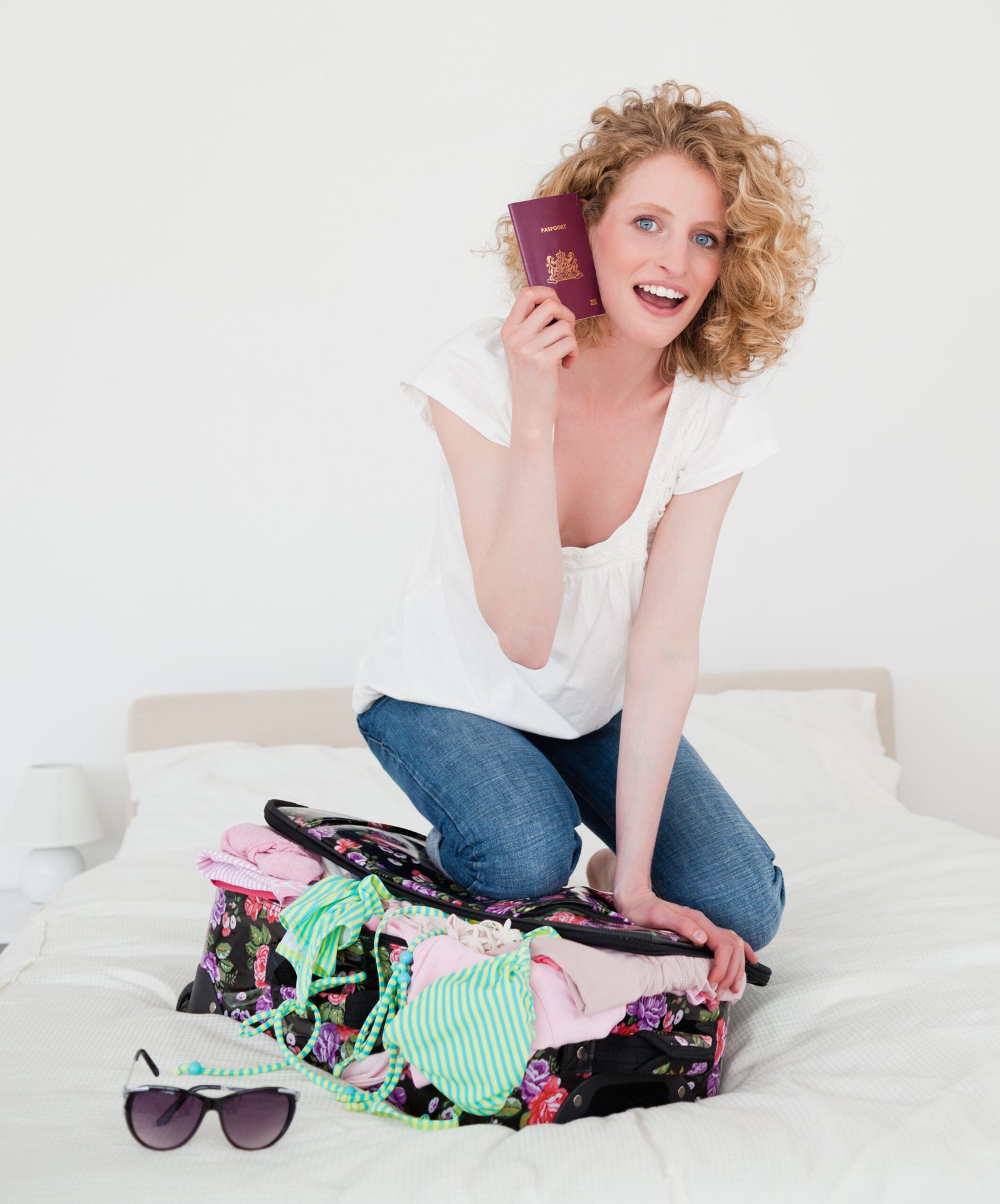
A few specific items genuinely earn their space in a solo traveler’s bag:
- A door stop alarm – small, cheap, and effective for budget accommodations with questionable locks
- A portable charger – a dead phone removes your map, your contacts, and your ability to call for help
- A physical copy of key documents – passport photo, emergency contacts, and accommodation address in case your phone fails
- A whistle or personal alarm – lightweight and occasionally useful in genuinely uncomfortable situations
- Copies of your itinerary saved offline – useful when wifi or data isn’t available exactly when you need it
None of this needs to feel paranoid. It’s the same category of preparation as packing a first aid kit: hopefully unused, genuinely useful if needed.
Getting Around Safely
Book transportation through official apps or verified companies rather than hailing unmarked vehicles, especially late at night. Screenshot your ride details before getting in, including the driver’s name and vehicle plate, and share it with your emergency contact.
Sit in the back seat on the passenger side when using rideshares, which keeps a door available on both sides. Avoid displaying expensive electronics or jewelry prominently while navigating unfamiliar streets, particularly right after arriving somewhere new.
Managing Your Money and Documents
Split your cash and cards across a couple of different bags or pockets rather than keeping everything in one wallet. Losing access to all your money and documents at once, whether through theft or a simple mistake, turns a manageable problem into a genuine crisis.
Keep digital copies of your passport, visa, and insurance documents in cloud storage you can access from any device. A physical photocopy stashed separately from the original adds one more layer of backup that costs nothing.
Handling Unwanted Attention
A firm, direct “no” works better than a polite deflection in most cultures, even ones where politeness is generally expected. Wearing a fake wedding ring genuinely helps in some destinations, though it’s far from a universal fix and shouldn’t be your only strategy.
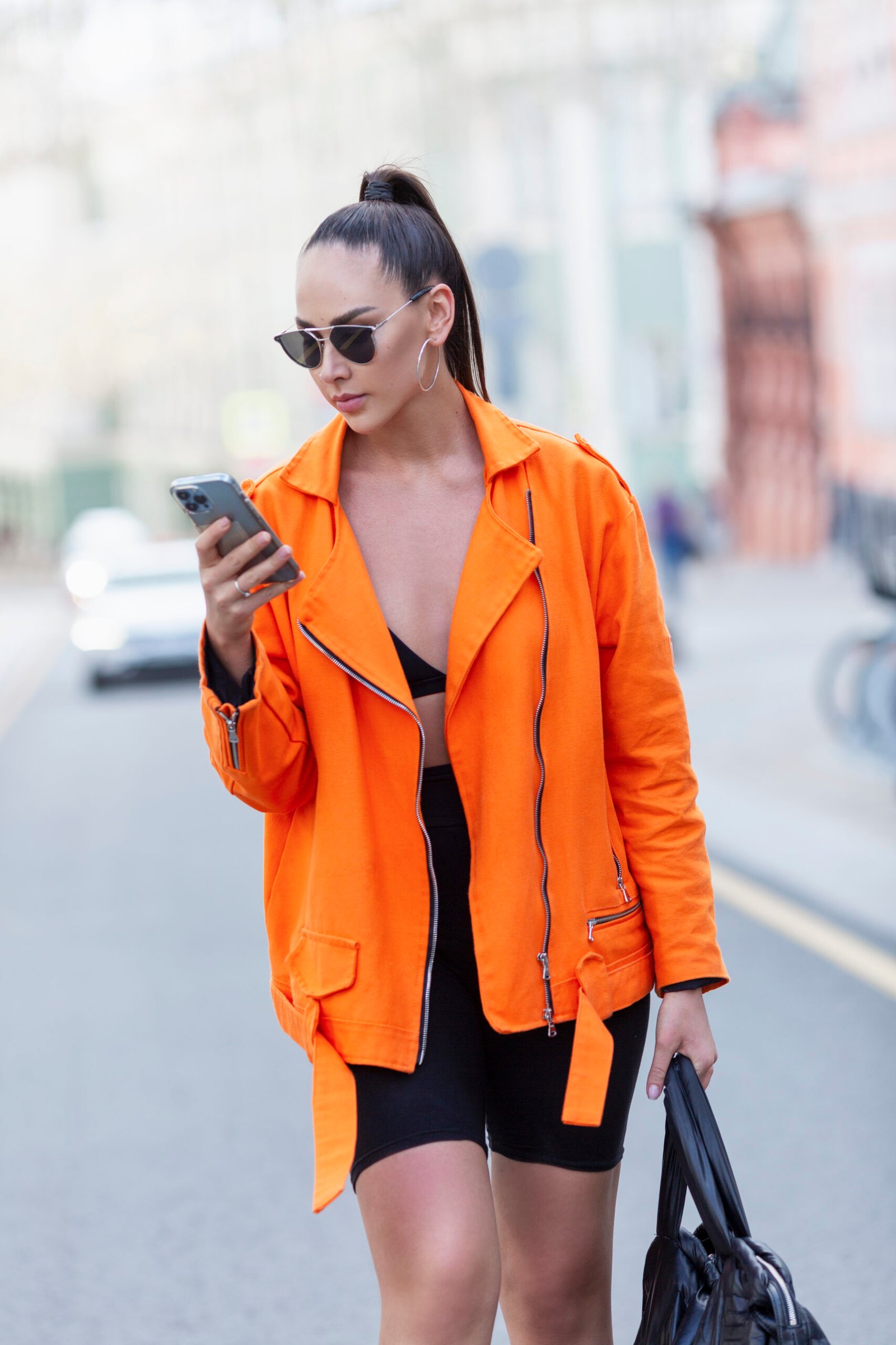
Walking with purpose, even when you’re not sure exactly where you’re going, reads as more confident than looking visibly lost. If someone won’t take a clear no, moving toward a public, populated space is almost always the right call.
Solo Dining and Socializing Without Losing Your Guard
Eating alone gets easier with practice, and most destinations popular with solo travelers have restaurants genuinely comfortable with single diners. Bring a book or journal if it makes you feel more at ease sitting solo at a table for two.
Meeting other travelers through hostels, group tours, or local meetup apps adds a social layer to a solo trip without requiring you to fully let your guard down. IMO the best travel friendships often start exactly this way, with a shared table or a group excursion. 😅
Destinations That Make a Good First Solo Trip
Some countries genuinely make solo female travel easier through a combination of strong infrastructure, low crime rates, and an established solo traveler scene. Japan, Portugal, New Zealand, and Iceland consistently rank high on lists compiled by women who travel alone regularly.
Southeast Asian countries like Vietnam and Thailand also draw huge numbers of solo female travelers, largely thanks to well-worn backpacker routes and a strong sense of community along the way. Is a well-trodden path less adventurous? Maybe slightly, but it also means better infrastructure for exactly the situations this article covers.
Save the more remote or less-touristed destinations for once you’ve built up real solo travel experience. There’s no rush to prove anything on your very first trip alone.
What to Do If Something Actually Goes Wrong
Know your destination’s emergency number before you land, and save it directly in your phone rather than assuming you’ll remember it under stress. Your country’s embassy or consulate is also worth locating in advance, since they can help with lost passports, medical emergencies, or genuine safety threats.
Travel insurance that specifically covers emergency evacuation and medical care matters more for solo travelers than group travelers, simply because there’s no built-in backup if something happens. Read the policy details rather than assuming basic coverage includes everything you’d actually need.
If you ever feel unsafe in your accommodation, don’t hesitate to ask staff for a room change or leave entirely, even if that means eating the cost of an unused booking. A wasted night’s payment is a small price compared to staying somewhere that doesn’t feel right.
Building Confidence Before You Go
Will your first solo trip feel effortless from day one? Probably not, and that’s completely normal. Confidence builds through repetition, and even a rough first day usually gets easier by day three once you’ve found your rhythm in a new place.
Start with a destination known for being solo-travel-friendly if this is genuinely your first trip alone. Building confidence somewhere lower-stress makes the next solo trip, wherever it takes you, feel far more manageable.
Solo travel as a woman requires a bit more preparation than the general advice suggests, but it shouldn’t require constant fear either. Pack smart, trust your instincts, and stay in touch with someone back home, and you’ll be free to actually enjoy the trip you planned.