The Best Solo Travel Destinations for Introverts
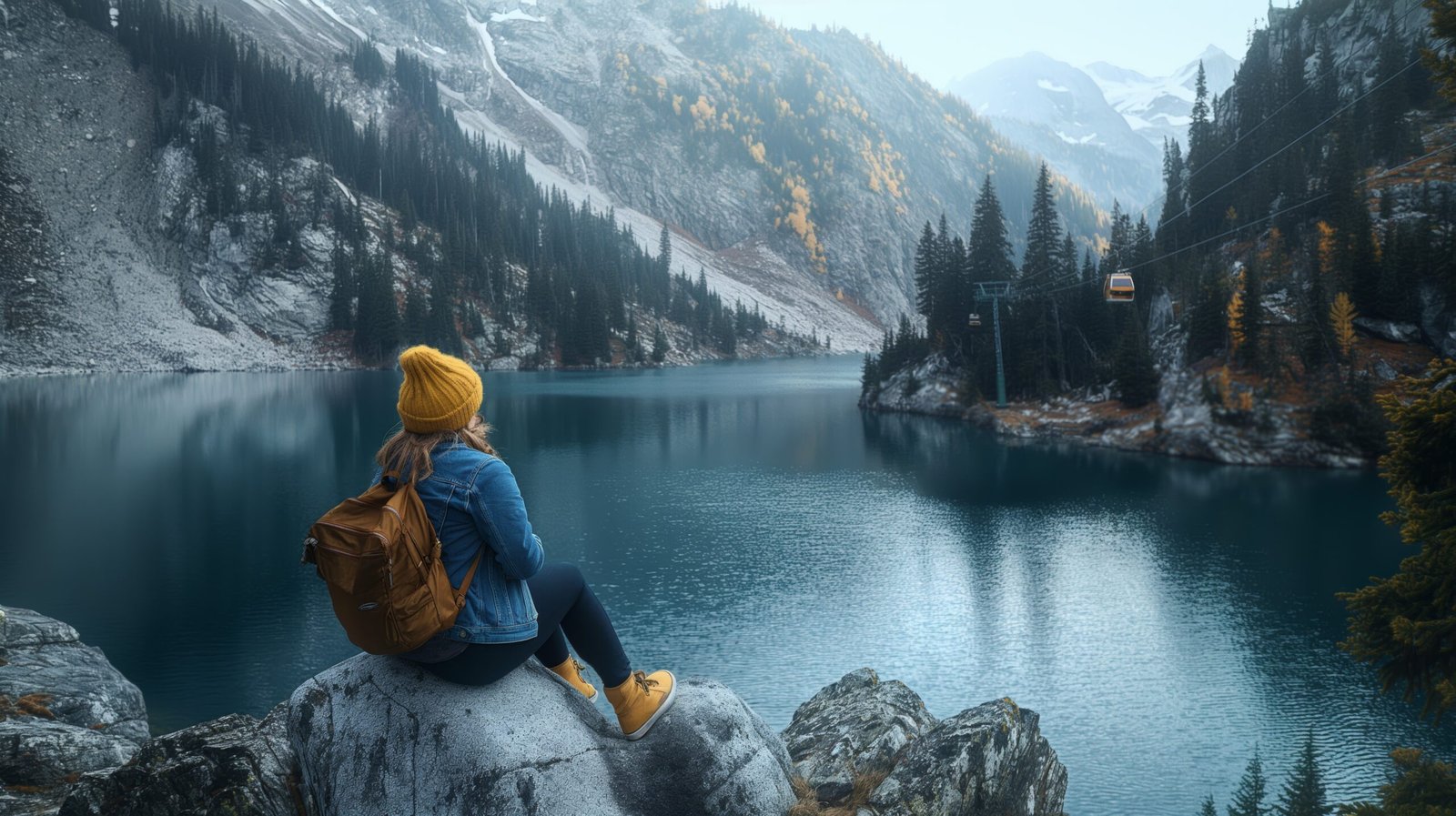
Solo travel doesn’t need to mean constant socializing and packed hostel dorms, and introverts genuinely benefit from choosing destinations that match their preference for quieter, more contemplative experiences. Understanding which destinations naturally support this travel style makes solo trips considerably more enjoyable and less draining.
In this guide
- Japan: Structured Solitude and Respect for Space
- Iceland: Dramatic Landscapes and Genuine Solitude
- Portugal: Relaxed Pace Without Pressure
- New Zealand: Nature-Focused Independence
- Finland: Nordic Calm and Personal Space
- Canada’s National Parks: Wilderness Without Crowds
- Slovenia: An Underrated Quiet European Gem
- Choosing Accommodation That Supports Introverted Travel
- Building an Itinerary That Respects Your Energy
- Managing Meals and Dining Solo Comfortably
- Connecting Selectively Without Overextending
- What’s Overrated for Introverted Solo Travelers
- Best Time of Year for These Destinations
- What These Trips Actually Cost
Here’s a complete rundown of the best solo travel destinations specifically suited to introverts.
None of this means introverts can’t enjoy social moments while traveling. Just that certain destinations naturally accommodate a quieter travel rhythm better than others.
Japan: Structured Solitude and Respect for Space
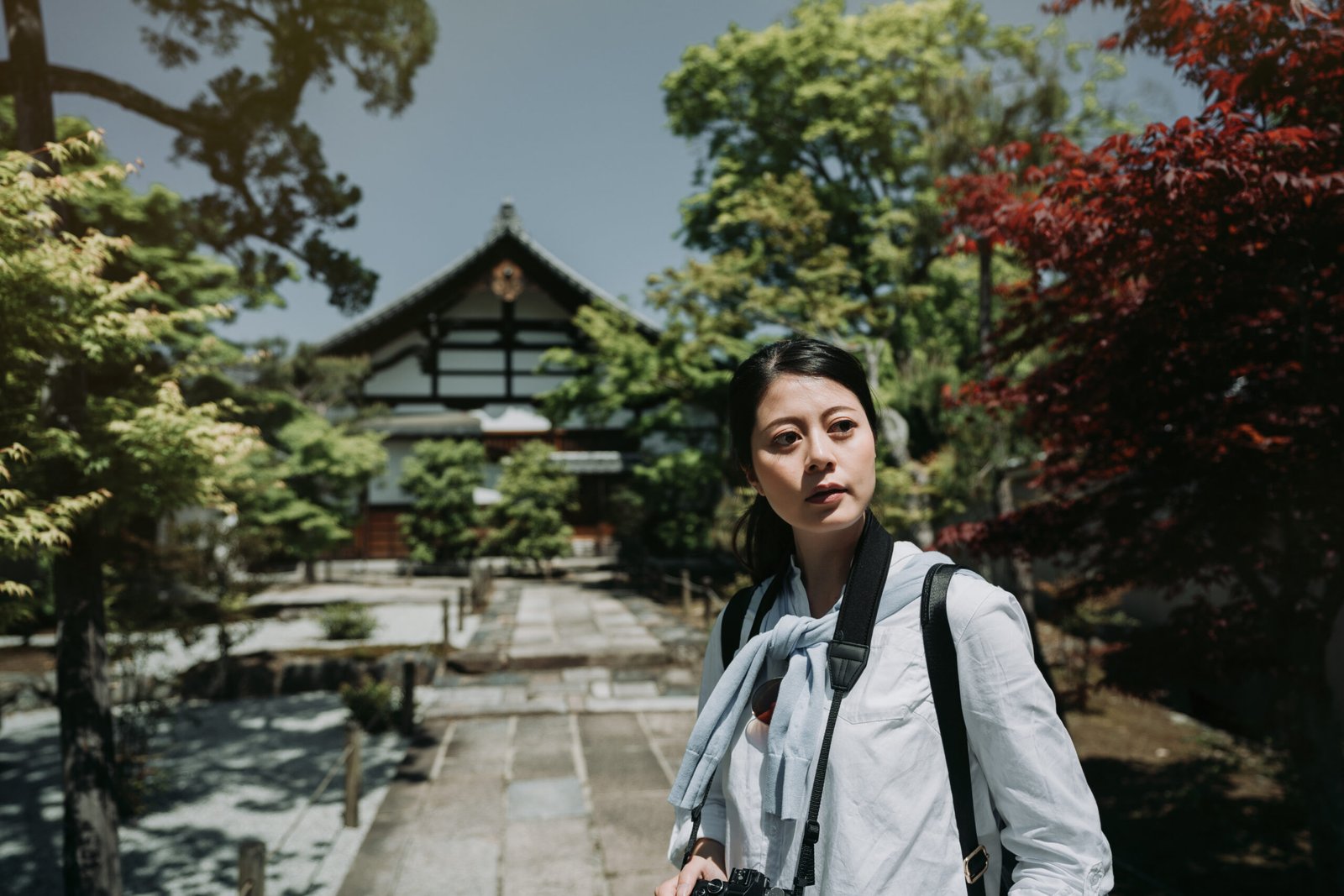
Japan’s cultural norms around personal space and quiet public behavior create a genuinely comfortable environment for introverted solo travelers navigating daily logistics. Efficient, clearly organized public transit, requiring minimal small talk or negotiation, lets introverts move through the country independently without much social friction.
Does Japan’s genuinely reserved culture actually benefit introverted travelers specifically? Genuinely, yes, since the cultural emphasis on personal space matches many introverts’ natural comfort level far better than more boisterous destinations.
Iceland: Dramatic Landscapes and Genuine Solitude
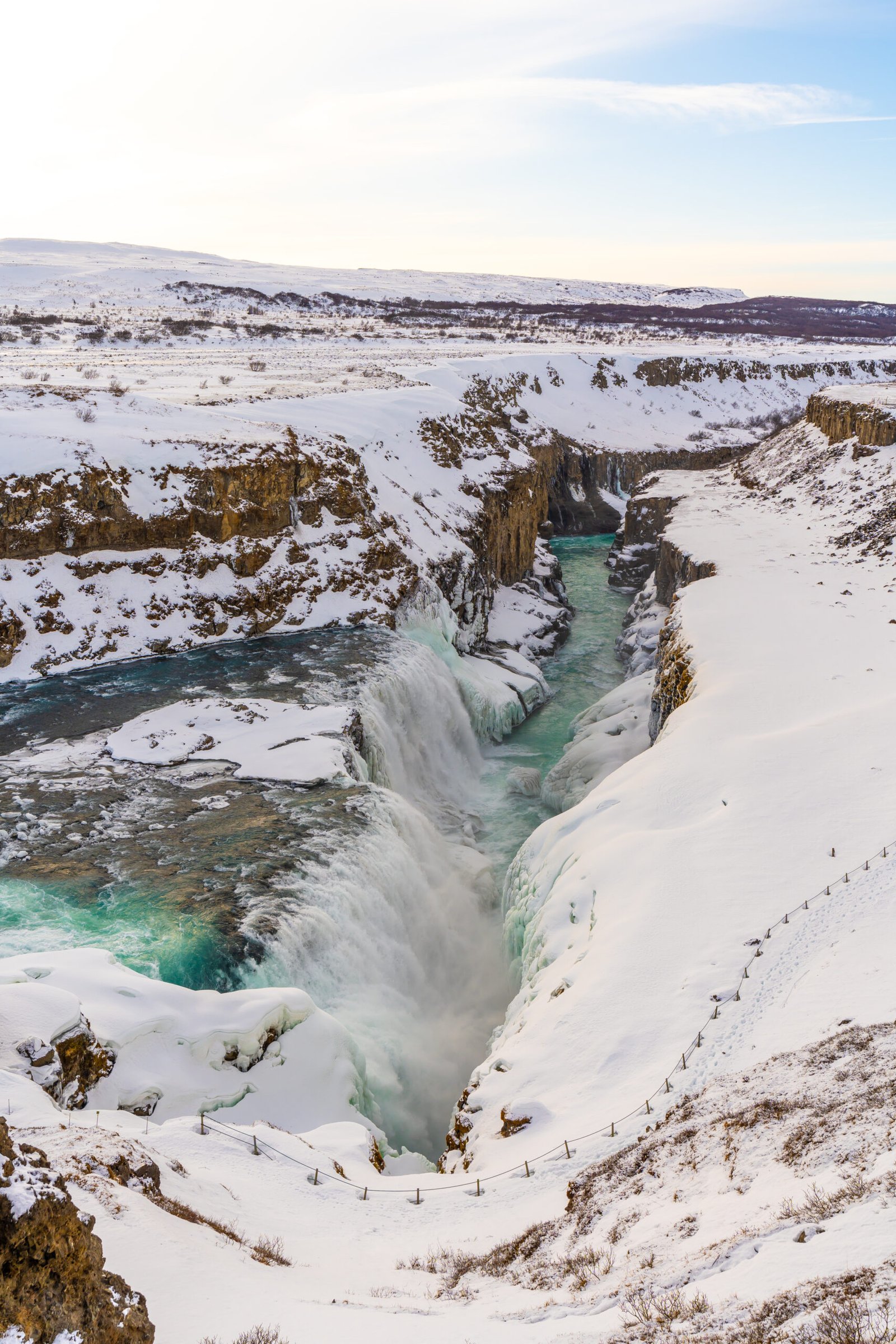
Iceland’s stunning, sparsely populated landscapes offer some of the world’s most accessible genuine solitude, letting introverted travelers recharge amid dramatic scenery rather than crowds. Self-driving the Ring Road, at your own pace and without group tour obligations, delivers maximum flexibility for solo introverted exploration.
A few practical things worth knowing about solo introvert travel in Iceland:
- Renting a car provides genuine independence that public transit in rural areas simply can’t match
- Off-season visits, particularly outside summer, deliver even quieter landscapes and fewer tourist crowds
- Guesthouses over hostels offer more privacy while still remaining budget-reasonable for solo travelers
- Iceland’s hot springs and natural pools provide relaxing, low-social-pressure activities
- Planning flexible daily itineraries lets you adjust pace based on your own energy levels each day
Portugal: Relaxed Pace Without Pressure
Portugal’s genuinely laid-back cultural pace, combined with excellent solo-friendly infrastructure in cities like Lisbon and Porto, creates a comfortable middle ground between total solitude and constant social pressure. Smaller coastal towns beyond the main cities, like Nazaré or Ericeira, offer even quieter alternatives for travelers wanting more solitude.
IMO Portugal gets consistently underrated as a solo introvert destination, since the pace here matches introverted energy levels better than more frenetic European capitals. 😅
New Zealand: Nature-Focused Independence
New Zealand’s exceptional natural landscapes and well-developed independent travel infrastructure make solo, nature-focused exploration genuinely comfortable without requiring constant social interaction. Hiking the country’s extensive trail network solo, ranging from short day walks to multi-day treks, provides meaningful solitude within a supportive travel infrastructure.
Real talk, New Zealand’s combination of stunning scenery and genuinely solo-friendly systems makes it one of the most naturally introvert-compatible destinations globally.
Finland: Nordic Calm and Personal Space
Finland’s cultural comfort with silence and personal space, sometimes surprising to visitors from more overtly social cultures, creates a genuinely relaxed atmosphere for introverted solo travelers. Sauna culture, a deeply ingrained Finnish tradition, offers a uniquely low-pressure social activity that doesn’t require extensive conversation.
Is Finland’s reputation for reservedness something introverts should actually seek out? Genuinely, yes, since this cultural trait removes much of the social pressure that more extroverted destinations can create for introverted visitors.
Canada’s National Parks: Wilderness Without Crowds
Canada’s vast national park system offers genuinely accessible wilderness experiences that let introverted travelers spend extended time in nature without navigating crowded, socially demanding environments. Banff and Jasper specifically, while popular, offer enough trail variety that quieter, less-trafficked routes remain easy to find even during busier seasons.
This wilderness-focused approach to Canadian solo travel provides genuine restoration for introverts without sacrificing safety or accessibility.
Slovenia: An Underrated Quiet European Gem
Slovenia’s small size and genuinely underrated status among European destinations means considerably fewer crowds than neighboring Italy or Austria, creating a naturally calmer travel experience. Lake Bled and the Julian Alps region, offering stunning scenery without overwhelming tourist infrastructure, deliver genuinely peaceful solo exploration.
This lower-crowd advantage extends across most of Slovenia, making the entire country feel more accommodating to introverted travel preferences than more heavily touristed European destinations.
Choosing Accommodation That Supports Introverted Travel
Selecting private rooms or smaller guesthouses over large hostel dorms, even when budget-conscious, matters considerably for introverted travelers needing genuine downtime to recharge after daily exploration. Researching accommodation reviews specifically mentioning quiet atmosphere, rather than focusing purely on social activities, helps identify genuinely introvert-friendly options.
This accommodation choice affects your overall trip satisfaction more than many travelers initially realize, since constant social exposure without recovery time genuinely exhausts introverted travelers.
Building an Itinerary That Respects Your Energy
Structuring trips with built-in downtime between activities, rather than back-to-back scheduling, prevents the social and sensory exhaustion that overly packed itineraries create for introverted travelers. Alternating active exploration days with quieter, low-key days maintains sustainable energy throughout longer solo trips.
This energy-conscious pacing matters more for introverts than extroverts, who often recharge through social interaction rather than needing separation from it.
Managing Meals and Dining Solo Comfortably
Eating alone in restaurants can feel genuinely uncomfortable for some introverted travelers initially, though most of these destinations offer solo-dining-friendly cultures where this feels entirely normal. Countries like Japan specifically, with counter-seating traditions and a general cultural comfort with solo dining, remove much of the self-consciousness some travelers initially feel eating alone.
This solo-dining comfort factor matters more than many first-time solo travelers expect, since several meals daily add up to meaningful time spent navigating this specific social dynamic.

Connecting Selectively Without Overextending
Introverted solo travelers don’t need to avoid all social connection, just approach it more selectively than extroverted travelers typically do throughout a trip. Choosing one or two planned social activities per week, like a small group tour or a shared meal with fellow travelers, provides connection without overwhelming your need for recovery time.
This selective socializing approach lets introverts enjoy meaningful travel connections while still protecting the solitude that makes solo travel genuinely restorative for this personality type.
What’s Overrated for Introverted Solo Travelers
Major party-focused backpacker destinations, heavily marketed toward constant socializing and nightlife, create genuine friction for introverted travelers seeking a different pace. Prioritize destinations matching your actual energy needs over popular but socially demanding backpacker circuits.
Large group tours, while sometimes convenient, also often create more social pressure than independent exploration provides for genuinely introverted travel preferences.
Best Time of Year for These Destinations
Shoulder seasons across most of these destinations deliver both lower crowds and more comfortable weather, doubly benefiting introverted travelers seeking quieter experiences. Peak summer months, particularly in Europe, meaningfully increase crowd levels that can undermine the solitude these destinations otherwise offer.
Whatever season you choose, researching each specific destination’s tourist patterns helps you time your visit for maximum quiet and minimum crowd-related social pressure.
What These Trips Actually Cost
Budget $60-130 per day depending on your chosen destination, with Japan and Iceland running toward the higher end while Portugal and Slovenia offer more budget-friendly options. These figures assume comfortable but not luxury accommodation, prioritizing some privacy over the cheapest possible options.
This budget range reflects the genuine tradeoff introverted travelers often make, spending slightly more on private accommodation and independent transportation in exchange for meaningfully reduced social demands throughout the trip.
Introverted solo travelers genuinely thrive in destinations that naturally support quieter exploration, personal space, and flexible, low-pressure daily rhythms. Choose destinations and accommodation that match your actual energy needs, build recovery time into your itinerary, and you’ll experience solo travel that feels genuinely restorative rather than exhausting.