The Best Things to Do in New Orleans Beyond Bourbon Street
New Orleans offers genuinely rich culture, history, and food far beyond Bourbon Street’s rowdy tourist strip, and visitors who venture past this single street discover the city’s actual character. Understanding where to focus your time transforms a typical tourist trip into something considerably more authentic.
In this guide
- Explore the Garden District’s Historic Mansions
- Discover Frenchmen Street’s Live Music Scene
- Visit the National WWII Museum
- Take a Swamp Tour Outside the City
- Explore the Contemporary Arts District
- Eat Beyond the Tourist Restaurant Zone
- Visit the Backstreet Cultural Museum
- Take a Streetcar Ride Through the City
- Where to Stay Beyond the French Quarter
- Take a Day Trip to a Louisiana Plantation
- What’s Overrated for Most Visitors
- Best Time of Year to Visit New Orleans
- What This Trip Actually Costs
Here’s a complete guide to the best things to do in New Orleans beyond Bourbon Street.
None of this means avoiding the French Quarter entirely. Just balancing it with the neighborhoods and experiences that reveal the city’s real personality.
Explore the Garden District’s Historic Mansions
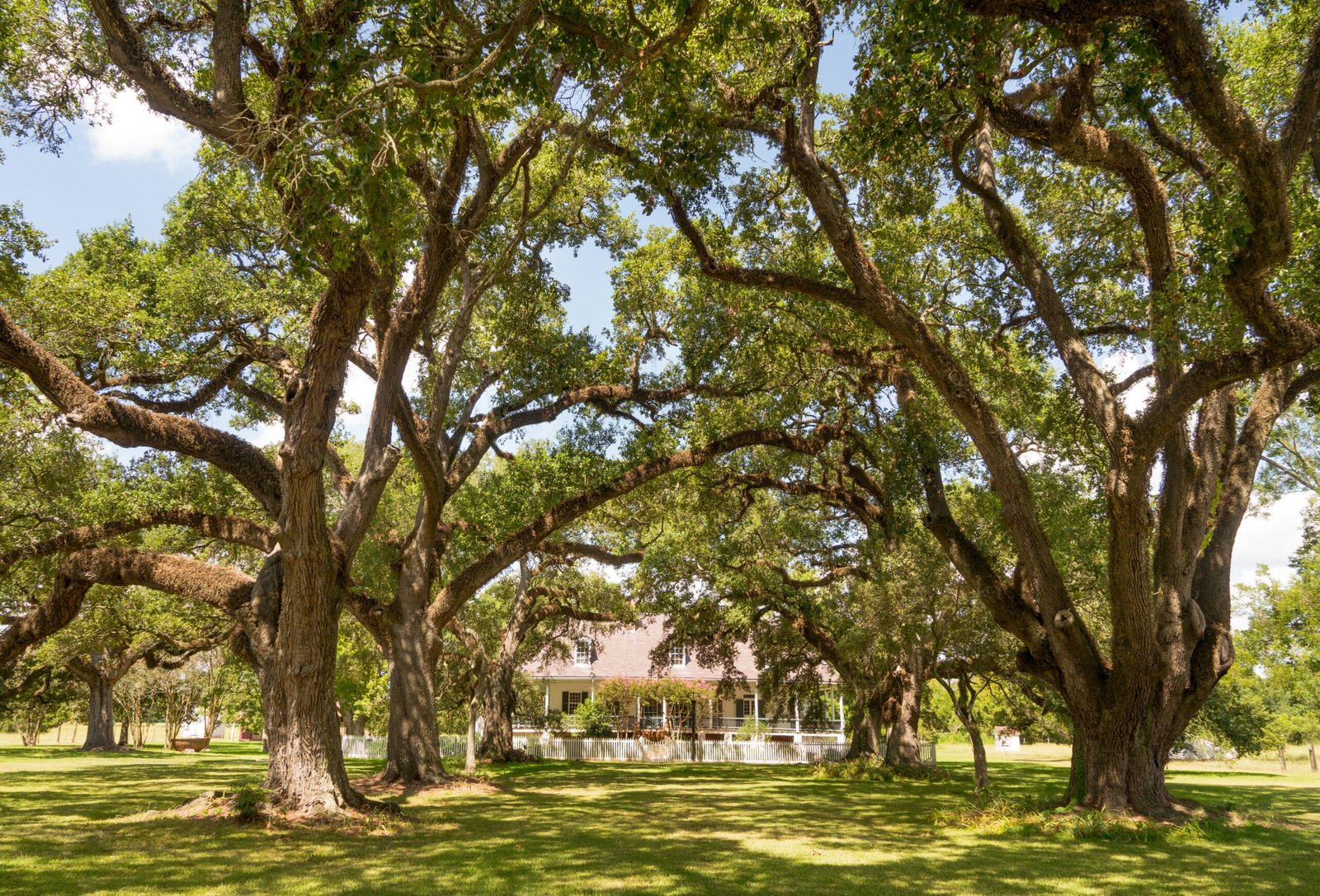
The Garden District’s stunning antebellum mansions, shaded by ancient oak trees, deliver a completely different visual and historical experience than the French Quarter’s dense urban blocks. Walking or biking through this neighborhood, rather than driving, lets you genuinely appreciate the architectural details on these historic homes at a comfortable pace.
Is the Garden District worth visiting if you’re only in town briefly? Genuinely, yes, since even a quick hour-long walk delivers a meaningfully different perspective on New Orleans beyond the Quarter’s tourist energy.
Discover Frenchmen Street’s Live Music Scene
Frenchmen Street, just outside the French Quarter, delivers genuinely excellent live jazz and blues in a considerably more local, less touristy atmosphere than Bourbon Street’s bars. Multiple venues within walking distance of each other let you sample different bands and styles across a single evening without much additional travel.
A few practical things worth knowing about Frenchmen Street’s music scene:
- Many venues have no cover charge, though tipping the band generously supports local musicians directly
- Arriving before 9pm typically secures better seating before the busiest evening crowds arrive
- The street’s markets and food stalls provide good pre-music dinner options nearby
- Genuinely local crowds mix with visitors here, creating a more authentic atmosphere than Bourbon Street
- Checking venue schedules ahead helps you catch specific bands or styles you’re most interested in

Visit the National WWII Museum
The National WWII Museum, consistently ranked among America’s best museums, delivers a genuinely comprehensive and moving World War II history experience regardless of your specific historical interests. Budgeting a full half-day, rather than a quick hour, does justice to the museum’s extensive, well-curated exhibits.
IMO this museum surprises most visitors who didn’t expect a world-class historical experience to be one of New Orleans’s top attractions. 😅
Take a Swamp Tour Outside the City
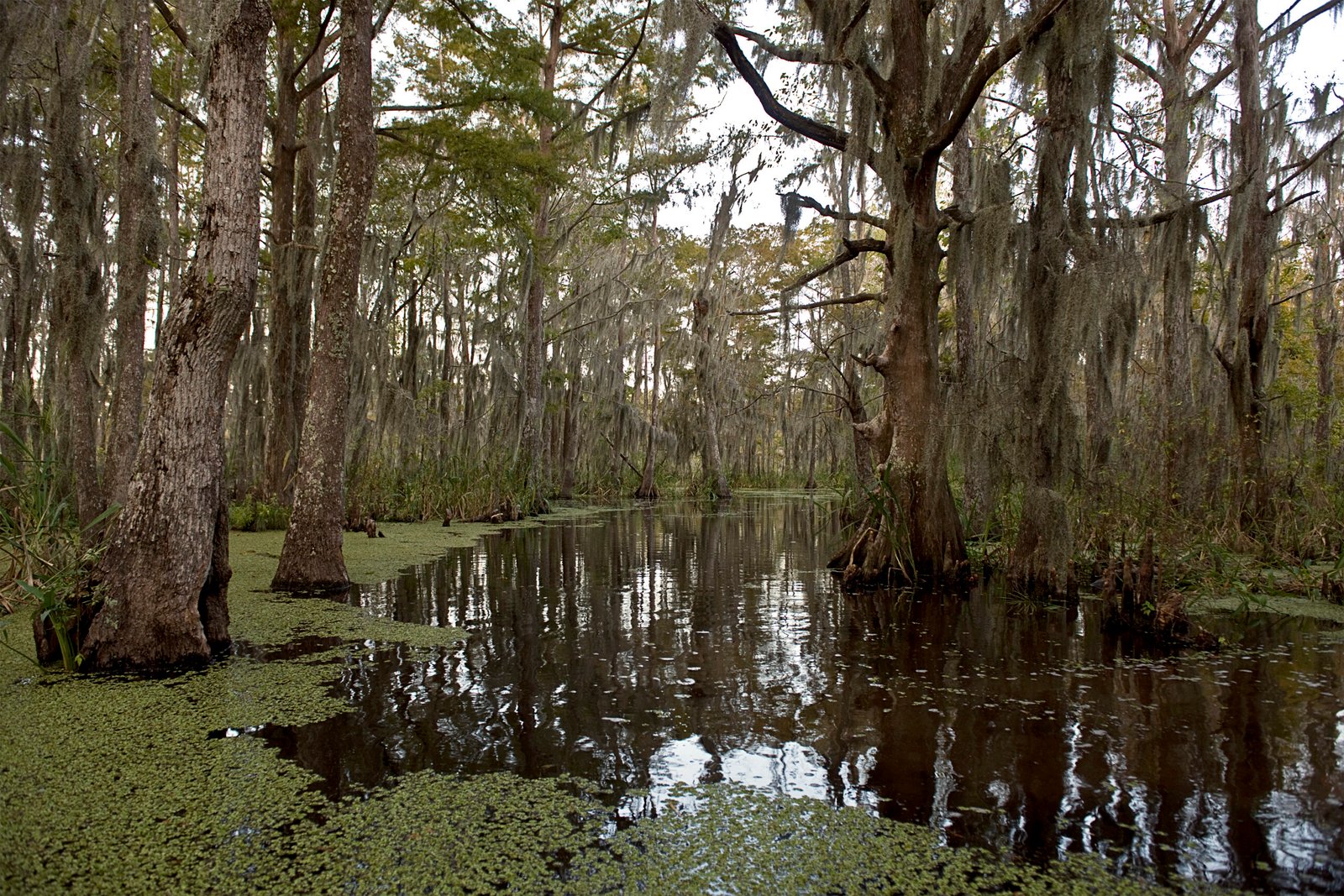
A swamp tour, typically a short drive outside New Orleans proper, delivers genuinely unique Louisiana wildlife and landscape experiences that the city itself simply can’t offer. Choosing a smaller boat tour, rather than a large group tour, provides better wildlife viewing and a more personal guide experience.
Real talk, seeing alligators and Spanish moss-draped cypress trees up close genuinely captures something essential about Louisiana that the city’s urban attractions can’t replicate.
Explore the Contemporary Arts District
The Warehouse District’s Contemporary Arts scene, anchored by galleries and museums, offers a genuinely different cultural experience than the French Quarter’s historical focus. Gallery hopping on a First Saturday, when many galleries host openings and events, delivers a livelier, more social version of this neighborhood’s art scene.
Is this arts district worth prioritizing over more famous French Quarter attractions? For travelers interested in contemporary culture specifically, genuinely yes, since it offers something meaningfully different from typical tourist itineraries.
Eat Beyond the Tourist Restaurant Zone
New Orleans’s food scene extends considerably beyond the French Quarter’s tourist-priced restaurants, with neighborhoods like Mid-City and Uptown offering more authentic, often better-value dining. Trying a po’boy from a genuinely local spot, rather than a tourist-zone version, delivers a noticeably different and often superior sandwich experience.
This neighborhood-restaurant strategy consistently reveals better food at lower prices than sticking exclusively to French Quarter dining options.
Visit the Backstreet Cultural Museum
The Backstreet Cultural Museum, a smaller and less-visited institution, offers genuine insight into New Orleans’s Mardi Gras Indian and jazz funeral traditions that larger museums don’t cover as deeply. This community-focused museum, run with genuine passion by local culture keepers, provides context that transforms how you understand the city’s broader cultural traditions.
This smaller, specialized museum rewards visitors genuinely curious about New Orleans’s specific cultural traditions beyond typical tourist-facing history.
Take a Streetcar Ride Through the City
Riding the historic St. Charles Avenue streetcar, rather than driving or rideshare, delivers a genuinely scenic and affordable way to see the Garden District and Uptown neighborhoods. Hopping off at various points along the route, rather than riding straight through, lets you explore specific stretches more thoroughly.
This streetcar approach costs just a few dollars and delivers genuinely memorable views that a car window simply doesn’t provide in the same way.

Where to Stay Beyond the French Quarter
Choosing accommodation in the Garden District, Uptown, or the Marigny neighborhood offers a genuinely quieter home base while remaining a reasonable streetcar or rideshare distance from the French Quarter’s attractions. Staying slightly outside the Quarter often means better value accommodation without sacrificing much convenience for a well-planned itinerary.
Is staying outside the French Quarter worth the tradeoff for first-time visitors? For travelers wanting a genuinely balanced experience beyond just tourist-zone nightlife, yes, since these neighborhoods offer meaningfully different daily rhythms.
Take a Day Trip to a Louisiana Plantation
A guided tour of one of Louisiana’s historic plantations, located a reasonably short drive outside the city, delivers important and sobering historical context alongside genuinely striking architecture and grounds. Choosing a plantation tour that centers enslaved people’s experiences, rather than one focused primarily on the mansion’s aesthetics, provides a more complete and honest historical picture.
This day trip requires setting aside a few hours beyond a typical city-focused itinerary, but it adds a genuinely important dimension to understanding the region’s full history.
What’s Overrated for Most Visitors
Bourbon Street itself, beyond a brief obligatory walk-through, delivers a genuinely repetitive, overpriced bar experience that doesn’t represent New Orleans’s actual cultural depth. Prioritize Frenchmen Street’s music scene over an entire evening spent on Bourbon Street specifically.
Many souvenir shops throughout the French Quarter also charge inflated prices for generic merchandise that doesn’t meaningfully differ from souvenirs available in any tourist destination.
Best Time of Year to Visit New Orleans
Late fall and early spring deliver New Orleans’s most comfortable weather, avoiding both summer’s intense heat and humidity and the most crowded festival periods. Mardi Gras season, while genuinely exciting, brings significant crowds and higher prices worth planning around deliberately.
Whatever season you choose, checking the local festival calendar matters, since New Orleans hosts events year-round that either enhance or complicate a visit depending on your preferences.
What This Trip Actually Costs
Budget $110-160 per day for a comfortable mid-range trip covering hotels, the WWII Museum, a swamp tour, and meals throughout your stay. This runs moderately compared to other major US cities, with the swamp tour and museum admission representing notable single expenses worth planning for.
Prioritizing your budget toward the WWII Museum and swamp tour, while keeping other days more casual and food-focused, stretches this budget considerably further across your visit.
New Orleans rewards travelers willing to look beyond Bourbon Street’s tourist strip toward the Garden District, Frenchmen Street, and neighborhoods that reveal the city’s genuine cultural depth. Balance a brief French Quarter visit with these richer experiences elsewhere in the city, and you’ll experience a version of New Orleans that most rushed, Bourbon-Street-only visitors completely miss.