Naples has an image problem and it’s mostly unfair. Rubbish, crime, chaos, the Camorra. People book one night on the way to the Amalfi Coast and spend it slightly on edge.
What’s actually there: the best archaeological museum in Italy, a Baroque city centre that’s a UNESCO site, catacombs, the food capital of the country, and a genuine energy that Florence and Venice lost decades ago.
Give it three days. Here’s what to do with them.
Walk Spaccanapoli
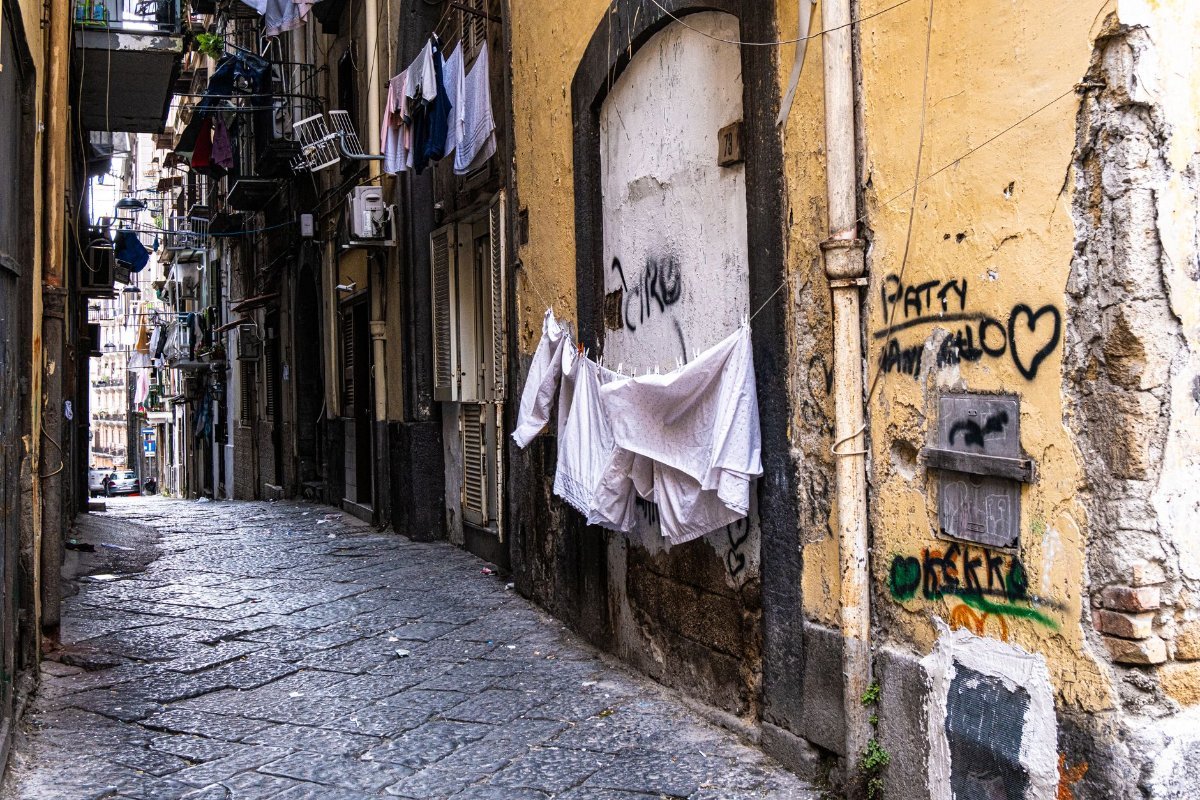
A single straight street, laid out by the Greeks, cutting the old town in half. The name literally means “Naples splitter” and from Vesuvius you can see the line it makes.
It’s about two kilometres of narrow lane between five-storey buildings, with washing overhead, shrines set into walls, scooters coming at you from behind, and about four hundred shops selling nativity figures.
This is the densest, loudest, most alive street in Italy. Just walk it slowly and let it happen.
Via San Gregorio Armeno off it is the nativity workshop street, where craftsmen make presepe figures year round, including satirical ones of current politicians and footballers.
Eat Pizza Where It Was Invented

Neapolitan pizza is a protected designation with actual rules: San Marzano tomatoes, buffalo mozzarella or fior di latte, 60 to 90 seconds in a wood oven at 485 degrees.
The result is soft, wet in the middle, with a puffed blistered edge. It is not crispy and it is not meant to be. You may need a knife and fork, and nobody here will judge you.
Margherita or marinara. That’s the traditional order. The famous places have queues out the door and there are hundreds of unfamous ones doing it just as well.
Expect to pay around 5 to 8 euros. It’s the best value meal in Europe.
▶ Watch This Before You Go
The Pizza Fritta and Everything Else

Fried pizza is the working-class version and it’s brilliant. Dough stuffed with ricotta and salami, folded, deep fried.
Sfogliatella is the pastry: layered shell filled with sweet ricotta, and eating one hot from the oven is a Naples rite of passage. Riccia is the flaky one, frolla the soft one.
Coffee here is taken more seriously than anywhere in Italy, and stronger. Order a caffe at the bar, drink it standing in two mouthfuls, pay one euro, leave.
Also look up caffe sospeso, the Neapolitan tradition of paying for an extra coffee for someone who can’t afford one. It started here.
The National Archaeological Museum
This is the one people skip and it’s genuinely one of the great museums in the world.
Everything good that was dug out of Pompeii and Herculaneum is here, not at the sites. The mosaics, the frescoes, the bronzes, the Farnese collection of Roman sculpture.
The Secret Cabinet holds the erotic art from Pompeii, which was locked away for two centuries and is now open with a small warning at the door.
Go here before Pompeii, not after. The site makes far more sense once you’ve seen what came out of it.
Underground Naples
There’s a second city under the first. Greek quarries became Roman aqueducts, became cisterns, became air raid shelters in the war.
Napoli Sotterranea runs tours down 40 metres of narrow passages, including a section you squeeze through carrying a candle. Not for the claustrophobic.
Separately, the Catacombs of San Gennaro in the Sanita district are early Christian burial galleries with frescoes from the second century. They’re run by a local cooperative that employs young people from the neighbourhood, which is a good reason to go.
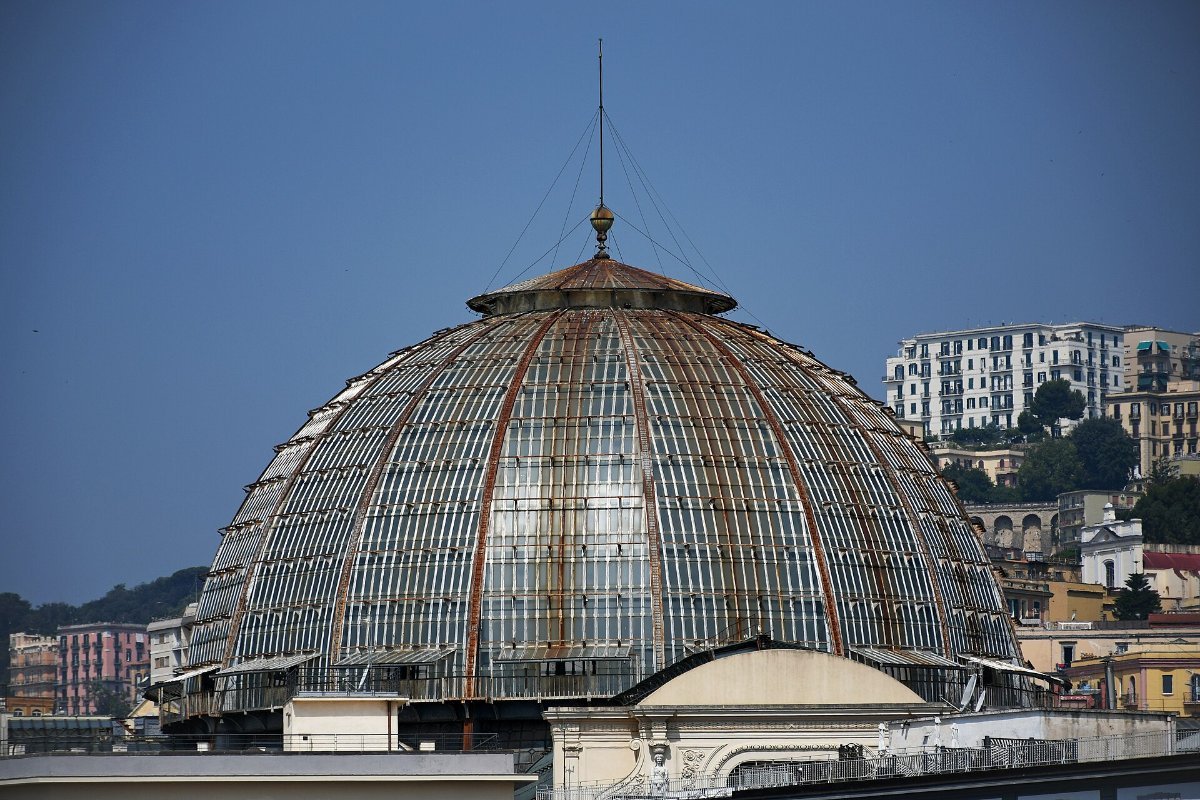
The Galleria Umberto I above ground is the 19th century glass-roofed arcade and takes five minutes.
Pompeii and Herculaneum
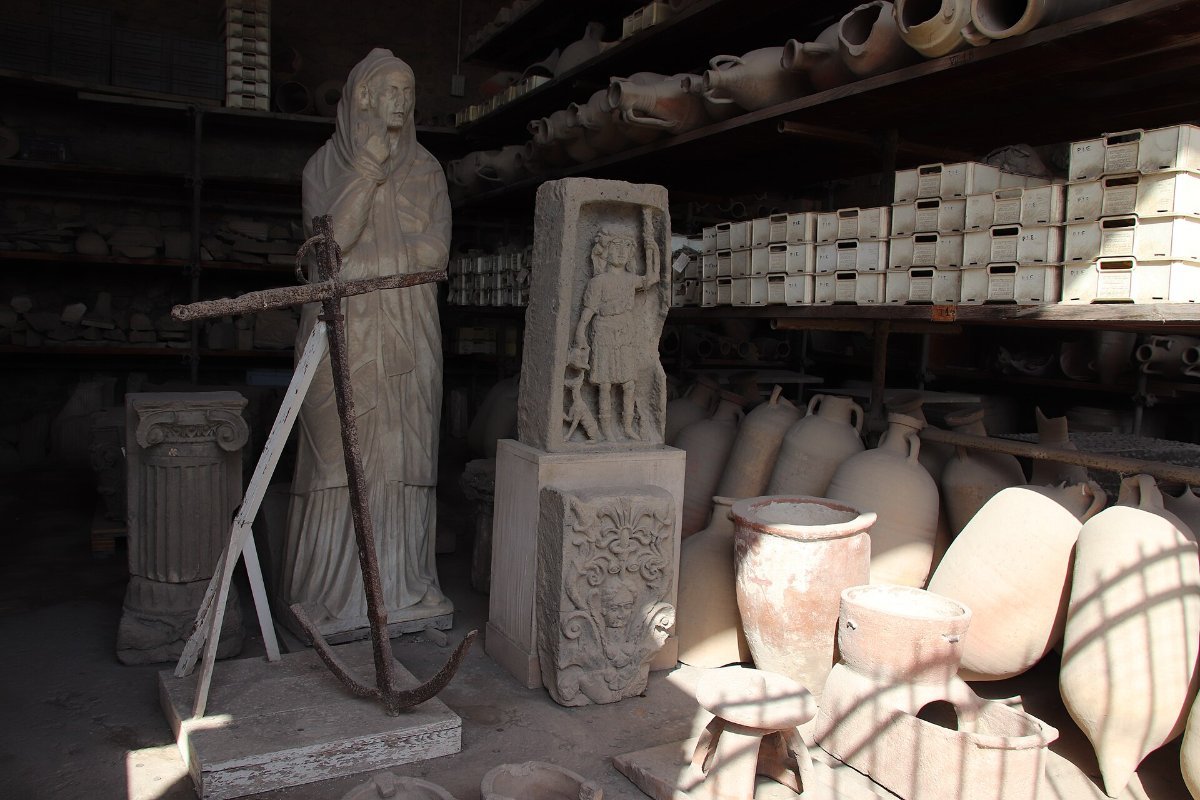
Pompeii is 40 minutes on the Circumvesuviana train and it’s enormous, around 170 acres. You cannot do it all and you shouldn’t try.
Pick the forum, the amphitheatre, the brothel, the House of the Faun and the Villa of the Mysteries, and accept you’ve missed nine tenths of it.
Herculaneum is the better visit, in my opinion, and hardly anyone says so. It’s much smaller, much better preserved because it was buried in hot mud rather than ash, and you can see wooden beams, upper floors and furniture. Two hours does it.
Both are brutal in summer heat with no shade. Go early, take water.
Vesuvius Itself
You can drive or bus most of the way and then walk the last 30 minutes up a gravel path to the crater rim at 1,281 metres.
The crater is impressive, the view over the bay more so on a clear day. It’s an active volcano with 600,000 people living in the red zone, which is a fact that sits with you on the way down.
Half a day, and check the weather. In cloud you’ll see nothing at all.
The Waterfront and Vomero
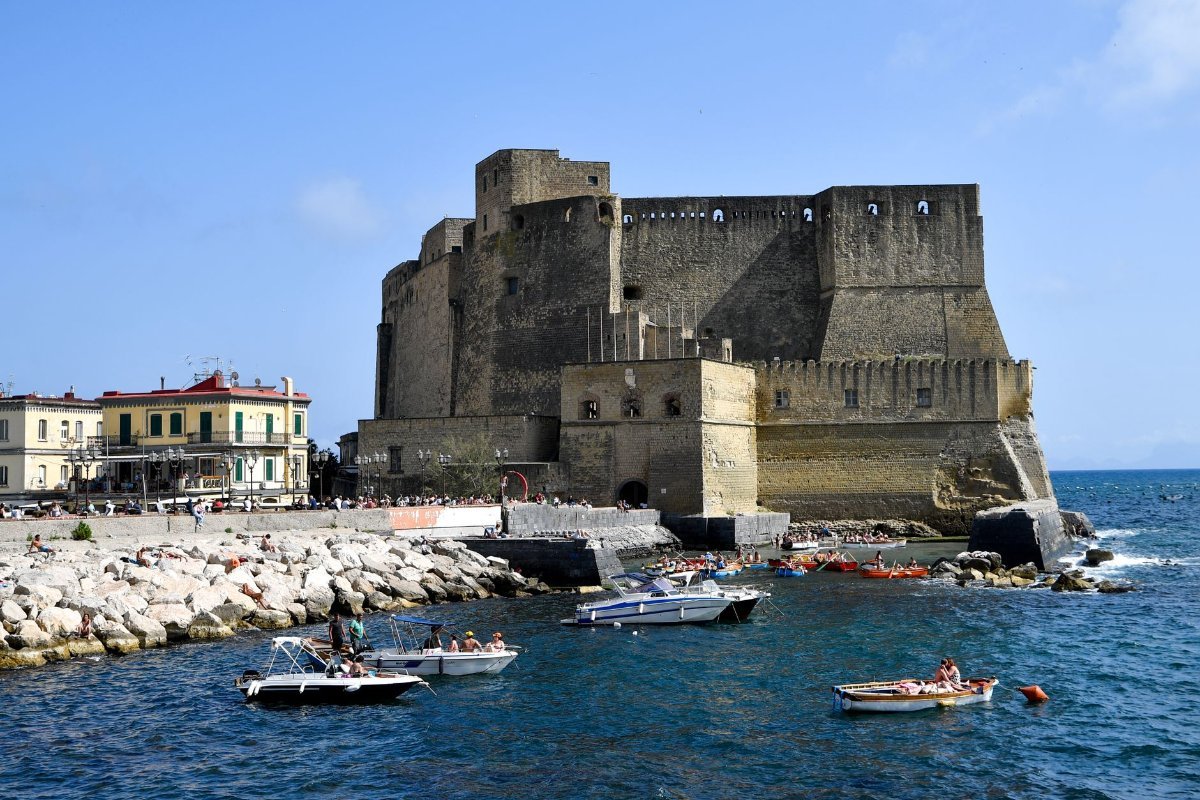
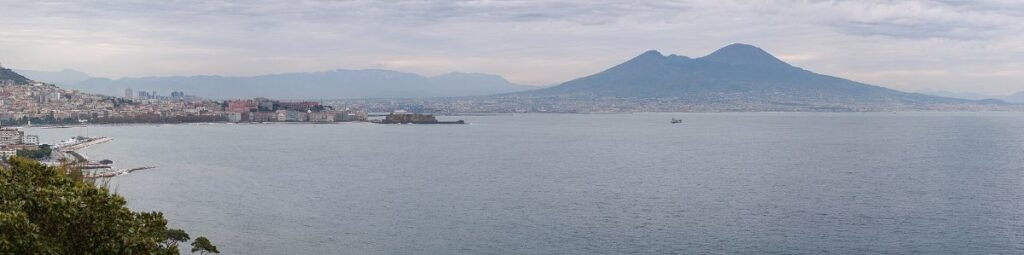
Naples gets a bad rap for grit, and then you walk the Lungomare at sunset with Vesuvius on one side and Castel dell’Ovo in the water and it’s one of the loveliest stretches in Italy.
Castel dell’Ovo is free to enter and the view from the top is excellent.
Take the funicular up to Vomero for the view back over the whole bay. Castel Sant’Elmo at the top is a fortress with a panoramic terrace, and Certosa di San Martino next door is a monastery with an absurd Baroque interior.
Is It Safe?
Broadly yes, with the same rules as any big southern European city. Pickpocketing and bag snatching from scooters are the real risks, particularly around the station and in crowds.
Keep your phone in your pocket rather than your hand on the street. Don’t wear obvious jewellery. The station area at night is the one place I’d take a taxi.
Organised crime exists and has nothing whatsoever to do with tourists. You will not encounter it :/
Traffic is the genuine hazard. Crossing the road here is a negotiation. Step out confidently and steadily, and scooters will go round you.
Common Questions
How many days do you need in Naples? Three. Two for the city, one for Pompeii or Herculaneum. Four if you want Vesuvius as well.
Is Naples worth visiting? Yes, and it’s the most underrated major city in Italy. It rewards curiosity more than any other.
Pompeii or Herculaneum? Herculaneum if you have one visit, for the preservation and the size. Pompeii for the scale and the fame.
Where should I stay? Chiaia for smart and quiet, the centro storico for atmosphere and noise, Vomero for views and calm. Avoid the immediate station area.
Do I need Italian? More than in Rome or Florence. English is patchy outside hotels, and dialect is strong. A few phrases go a long way here.