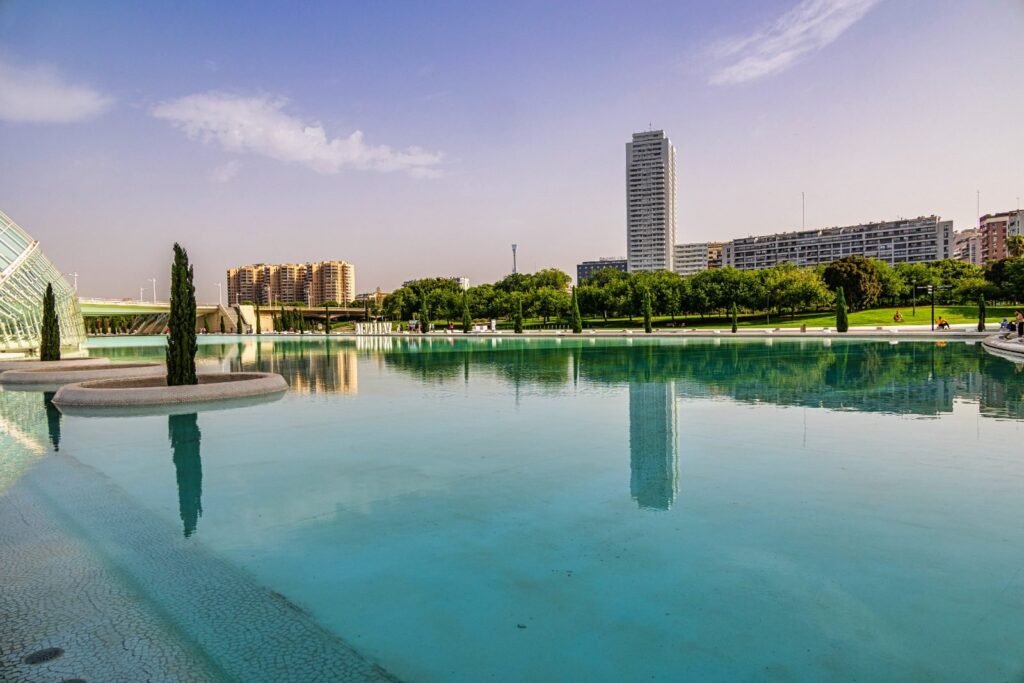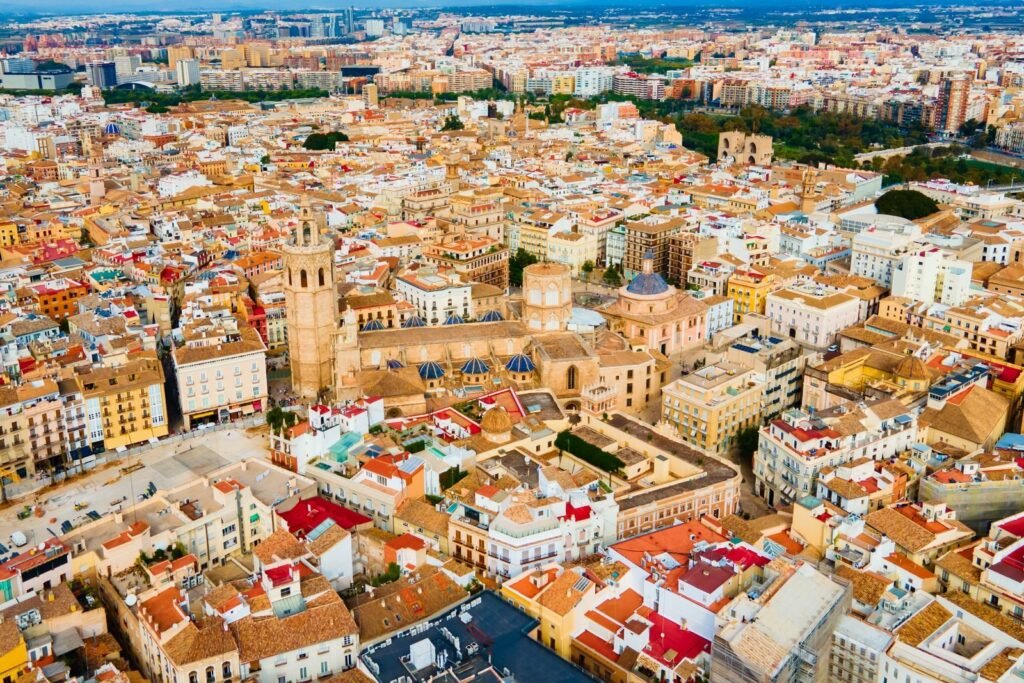
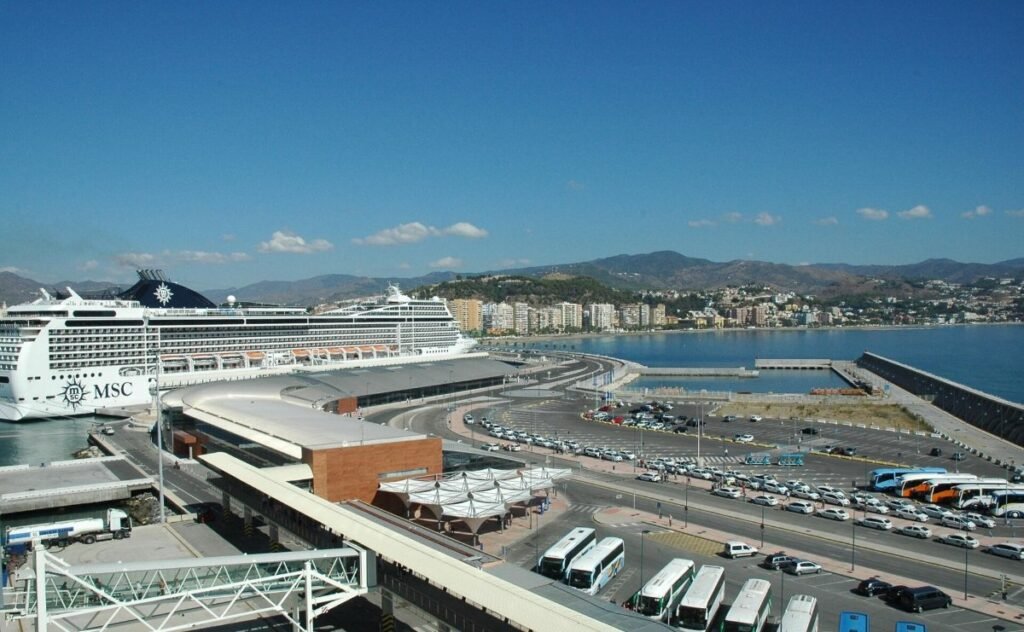
Both are in Andalusia, both are warm, both are much cheaper than Madrid or Barcelona, and people considering one usually consider the other.
They are not remotely the same city to live in, though. One is inland, historic and intensely Spanish. The other is on the sea, international and changing fast.
Here’s how they actually compare.
The Fundamental Difference
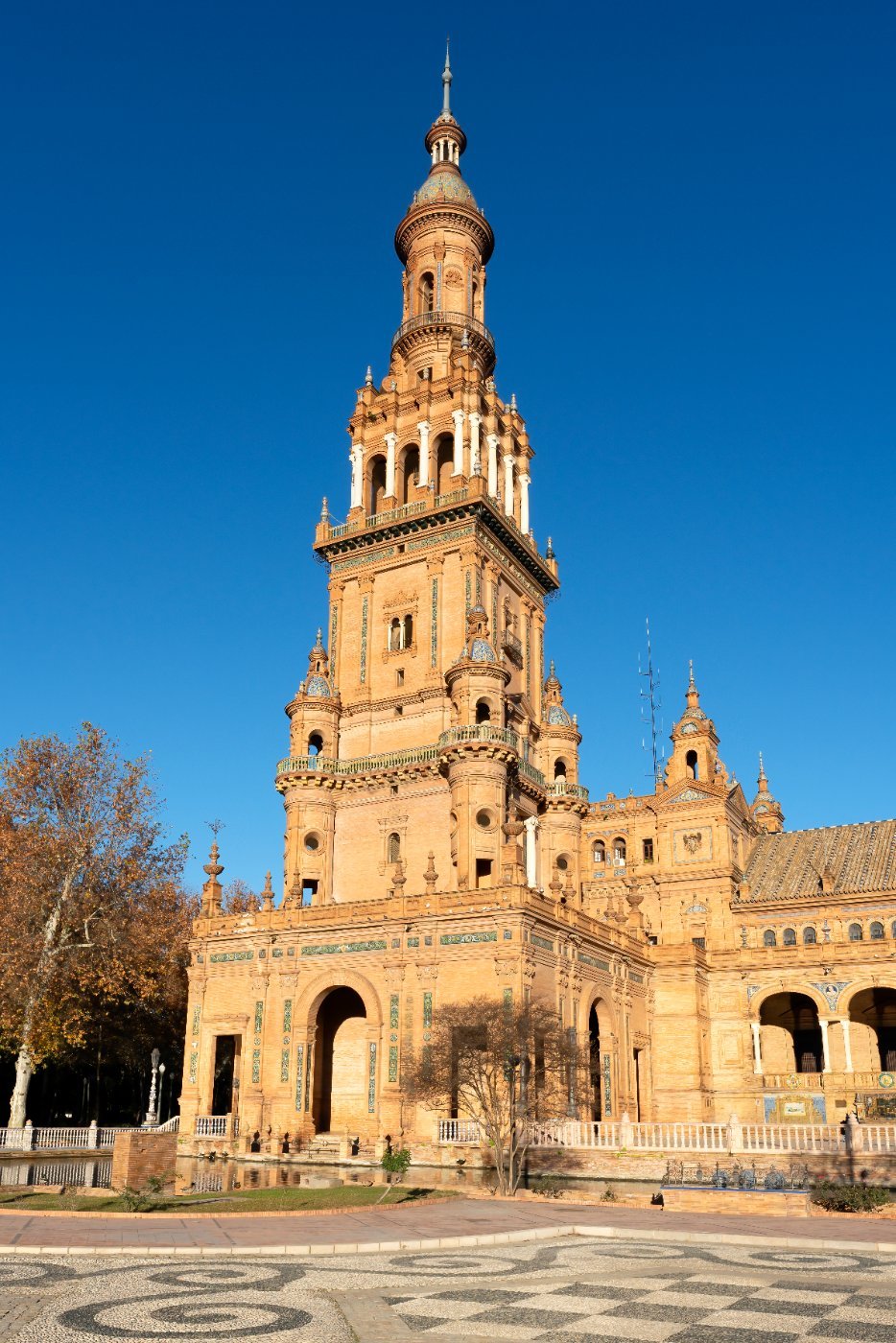
Seville is the capital of Andalusia, about 685,000 people, sitting on a river 50 miles from the coast. It’s the region’s administrative and cultural centre and it feels like it.
Malaga is roughly 580,000 people, on the Mediterranean, the gateway to the Costa del Sol, and it has spent the last fifteen years transforming itself from a place people flew into on the way to Torremolinos into a city in its own right.
Seville is more beautiful. Malaga is more practical. That’s the shortest honest version.
Cost of Living
Seville is cheaper, and the gap has widened as Malaga has attracted remote workers and investment.
Rough monthly rent for a one-bedroom flat: central Seville around 700 to 950 euros, central Malaga around 900 to 1,300. Outside the centre both drop meaningfully, but Malaga stays higher.
Malaga’s rental market has tightened badly. Tourist lets have taken a large share of the housing stock and locals have been protesting about it, which tells you something about the pressure.
Day to day costs, groceries, menu del dia, transport, are similar and both are cheap by northern European standards. Expect 10 to 14 euros for a three-course set lunch in either.
▶ Watch This Before You Go
The Heat, Which Matters More Than You Think
This is the single biggest practical difference and people underestimate it.
Seville is the hottest city in mainland Europe. July and August routinely hit 40 degrees and have exceeded 45. It’s dry heat, inland, with no sea breeze, and the city genuinely shuts down in the afternoon.
Malaga sits on the coast and stays around 30 to 32 in summer, with sea air. Winters are mild in both, around 17 to 18 by day, and Malaga is marginally warmer.
If you work from home in air conditioning, Seville is fine. If you want to be outdoors in August, Malaga wins decisively.
The Sea
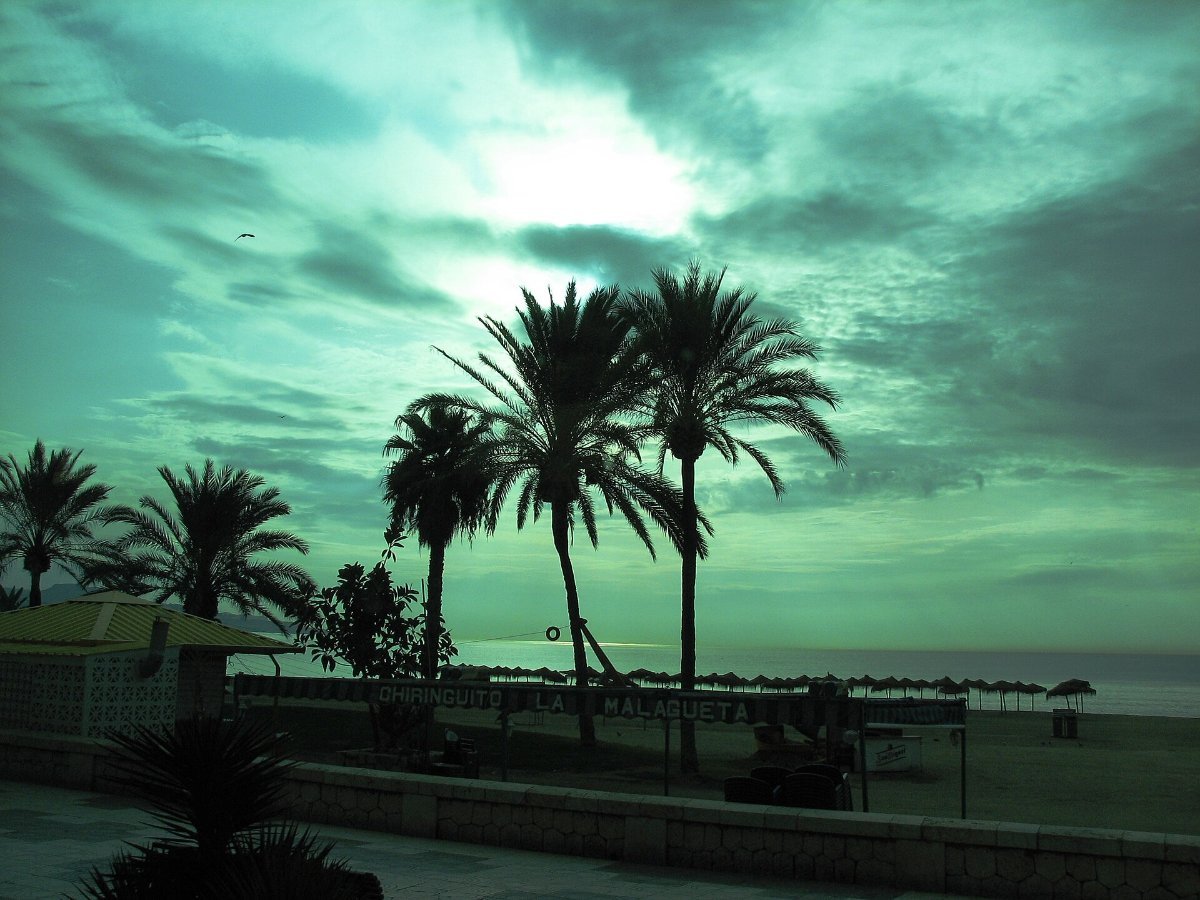
Malaga has beaches in the city. You can finish work and be swimming in fifteen minutes, and the Costa del Sol runs west from there with better beaches within half an hour.
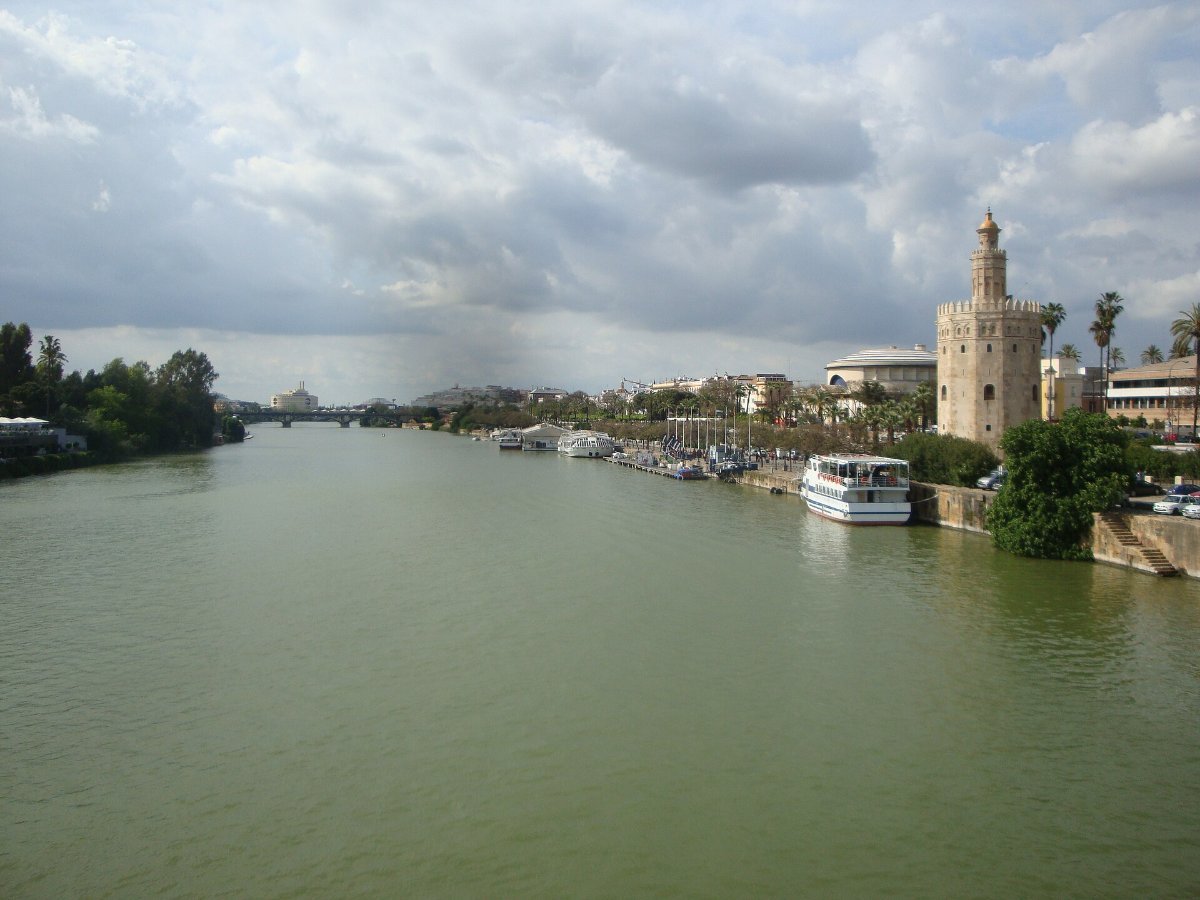
Seville has a river, which is lovely, and the nearest beaches are Cadiz or Huelva, an hour and a half by car.
For a lot of people this decides it on its own.
Beauty and Atmosphere
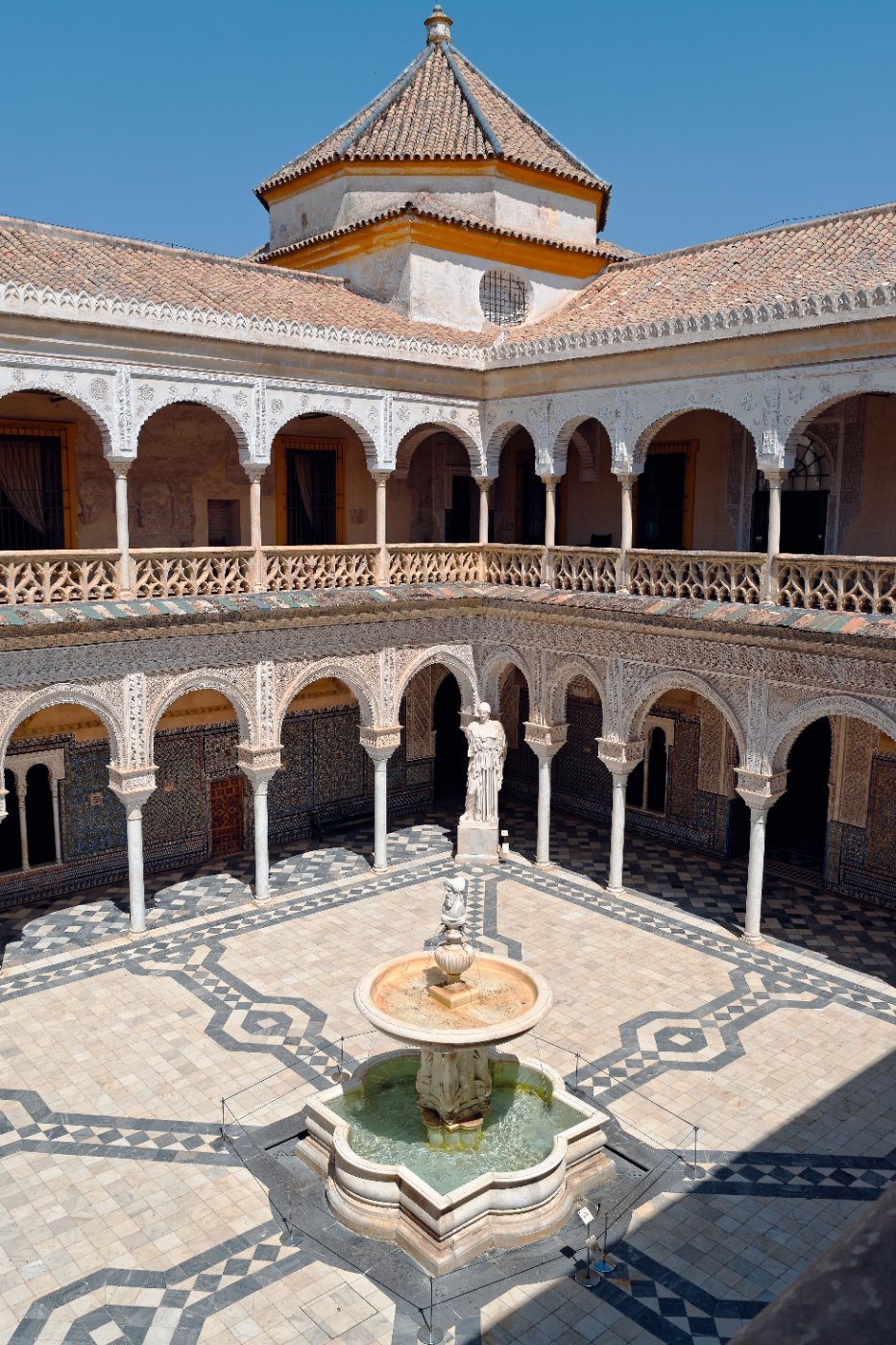
Seville is one of the most beautiful cities in Europe and it isn’t close between these two. The Alcazar, the cathedral, the Giralda, Plaza de Espana, the orange trees, the Santa Cruz quarter.
It also has the deepest traditions: flamenco, Semana Santa, the Feria de Abril. These are not tourist performances, they’re what the city organises its year around.
Malaga has a fine old town, a Roman theatre, an Alcazaba and a genuinely good museum scene, including a Picasso museum, since he was born here, and a Pompidou outpost. It’s pleasant rather than breathtaking.
If you want to live somewhere beautiful, Seville. If you want a nice city with the sea attached, Malaga.
Work and the International Scene
Malaga, clearly. It has become a genuine tech hub, with a growing cluster of companies and a big remote-working population. There are coworking spaces, English-speaking networks and meetups.
It also has a major international airport with direct flights across Europe, which matters enormously if you’ll be flying home regularly. Seville’s airport is much smaller with fewer routes.
Seville has more government and university employment and a smaller international community. Spanish is more necessary there, day to day.
Andalusian unemployment is high in both, and local salaries are low. If you’re earning locally rather than remotely, that’s the real constraint in either city.
Language and Integration
You’ll need Spanish in Seville. English is limited outside tourism and the Andalusian accent, which drops consonants and endings, is genuinely difficult even for people with decent Spanish.
Malaga is easier to land in with no Spanish, particularly if you’re in the international or remote-work bubble. That’s a convenience and a trap, since it’s very possible to spend two years there and learn nothing.
Both accents are hard. Andalusian is a real adjustment if you learned Spanish from textbooks or in Latin America.
Getting Around and Getting Out
Seville is flatter and more walkable, with an excellent cycling network of about 180 kilometres of segregated lanes, which is unusual for Spain.
Malaga is hillier and more spread out along the coast, with a decent metro and bus system.
For travel: Seville has the fast train to Madrid in two and a half hours and is well placed for Cordoba, Cadiz, Jerez and Granada. Malaga has the fast train to Madrid too, plus the airport, plus the whole coast on a local train line.
Malaga is better connected internationally. Seville is better connected to the rest of Andalusia.
So Which One
Choose Seville if: you want to live somewhere genuinely beautiful, you’re committed to learning Spanish and integrating, you have air conditioning and don’t mind summers indoors, and your budget is tighter.
Choose Malaga if: you want the sea, you fly often, you work remotely and want an international network, you find 40 degrees intolerable, or you’re not planning to learn much Spanish immediately.
And the thing I’d actually say to anyone deciding: visit both in July. Everything is lovely in April. July is where these two cities stop being interchangeable 🙂
Common Questions
Is Seville or Malaga cheaper? Seville, on rent particularly, and the gap has grown as Malaga’s market has tightened.
Which is better for remote workers? Malaga, for the international community, coworking scene and airport connections.
How hot does Seville get? Regularly 40 degrees in July and August, and it has recorded over 45. It is the hottest major city in mainland Europe.
Do I need Spanish? In Seville, yes. In Malaga you can manage without, though you’ll live in an expat bubble if you do.
Which has better beaches? Malaga, which has them in the city. Seville’s nearest coast is about ninety minutes away.