
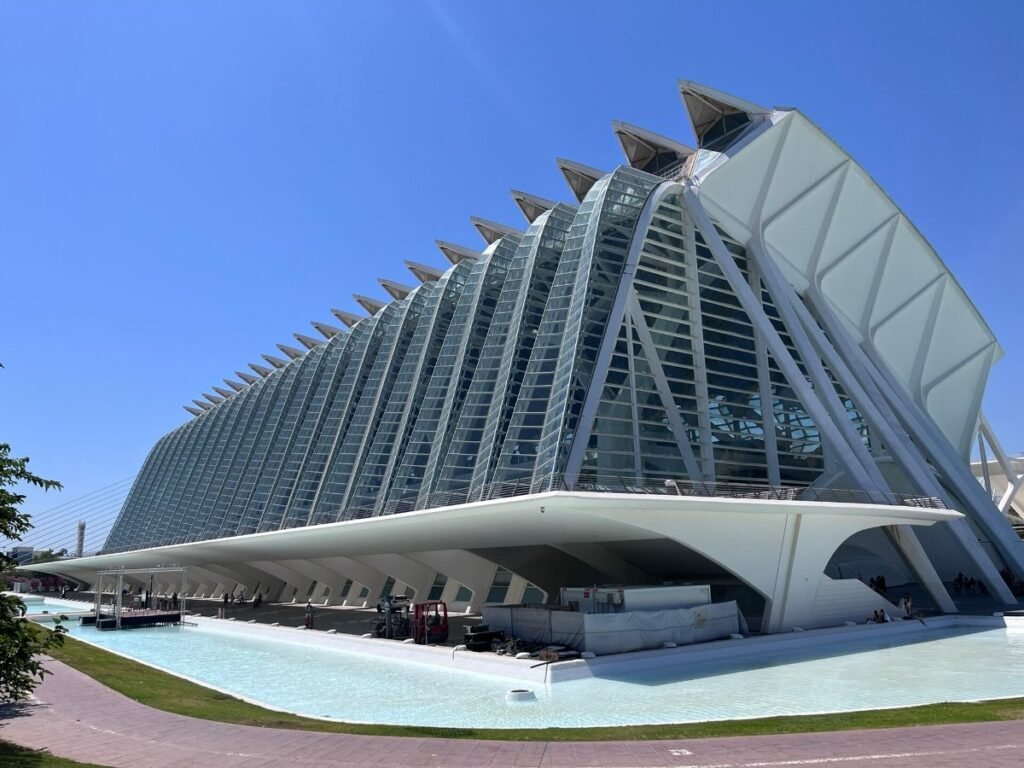
These two get lumped together constantly and they are not the same country, obviously, but also not the same proposition for someone moving.
I live in Spain, so treat everything below with that in mind. I’ve also spent enough time in Portugal to know where Spain loses.
Here’s the honest version, category by category.
Cost of Living: Portugal, Narrowly

Portugal used to be dramatically cheaper. That gap has closed a lot since about 2019, mostly because Lisbon and Porto rents went up faster than almost anywhere in Europe.
Today: Lisbon is roughly comparable to Madrid on rent, sometimes higher. Porto sits between Madrid and Valencia. Outside the two big cities, Portugal is meaningfully cheaper than equivalent Spanish regions.
Groceries, restaurants and transport are all a bit cheaper in Portugal. Electricity is expensive in both, and both have poorly insulated housing that makes winter more uncomfortable than the climate suggests.
Verdict: Portugal wins outside the capitals, roughly a draw in them.
Visas: Portugal, Clearly

Portugal has been friendlier to newcomers for a decade and the systems reflect it.
The D7 passive income visa is the well-worn route for retirees and remote workers with steady income, and the thresholds are lower than Spain’s equivalent. Portugal’s digital nomad visa arrived in 2022 and is straightforward.
Spain’s non-lucrative visa explicitly forbids working, including remote work for a foreign employer, which catches a lot of people out. The digital nomad visa fixed that, but it’s newer and the processing is inconsistent between consulates.
Both lead to permanent residency and eventually citizenship. Portugal at five years, Spain at ten for most nationalities, which is a genuinely big difference.
Verdict: Portugal, and it isn’t close.
▶ Watch This Before You Go
Language: Spain, If You Care About Speaking It
Here’s the counterintuitive one. Portuguese people generally speak better English than Spanish people, particularly in Lisbon and Porto. That makes arriving easier.
It also makes learning the language harder, because everyone switches to English the moment you struggle. Plenty of people live in Lisbon for years with almost no Portuguese.
In Spain, outside the tourist centres, you will need Spanish. That’s harder at first and much better in the long run, and Spanish is more useful globally than Portuguese.
Verdict: Portugal for landing softly, Spain for actually integrating.
Weather: Depends What You Want
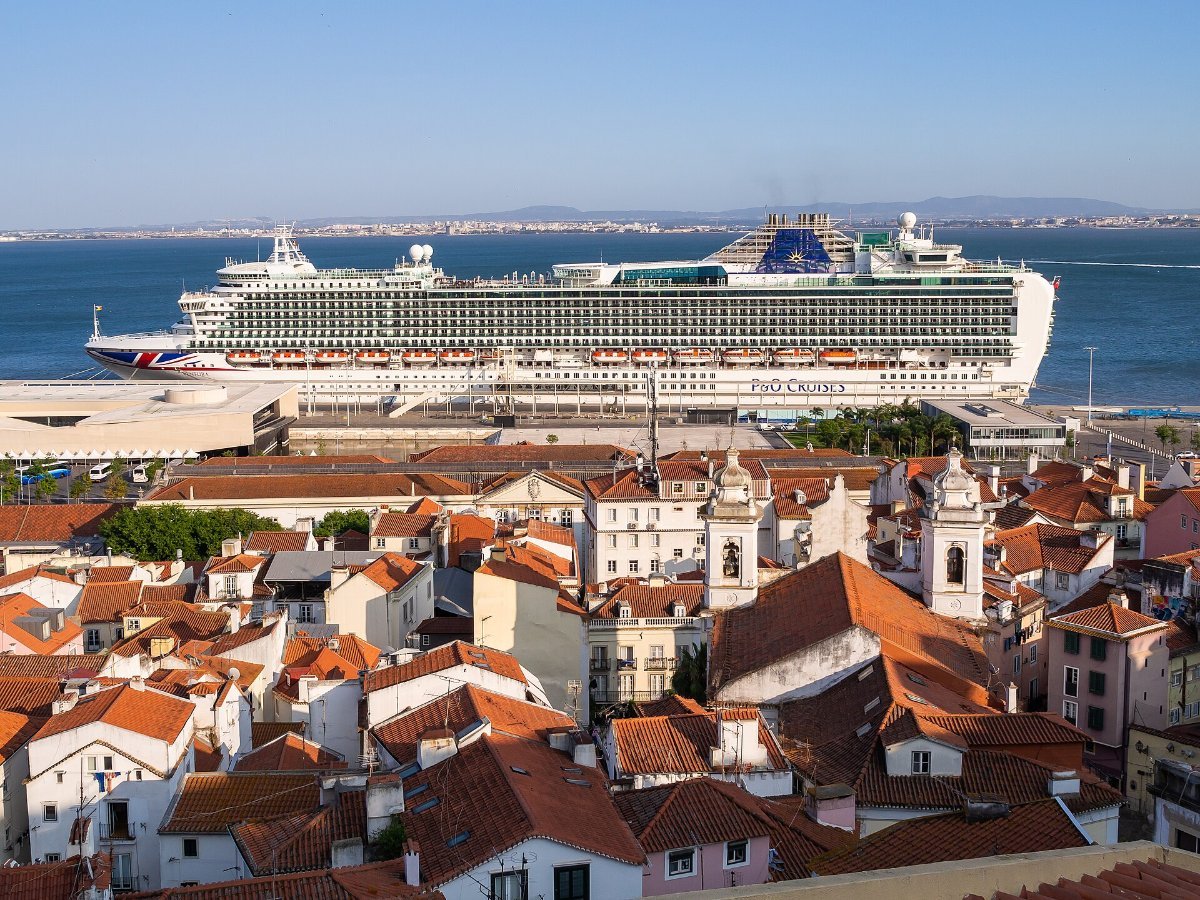
Portugal is Atlantic. Milder summers, wetter winters, and Lisbon is noticeably cooler in August than Seville or Madrid, which in July can be genuinely punishing.
Spain is bigger and more varied. The Mediterranean coast, Valencia down to Malaga, has the most reliably pleasant year-round climate of anywhere in either country.
The Algarve is the sunniest part of Portugal and comparable to southern Spain. Northern Portugal is green and rains a lot, which people forget.
Verdict: Spain for the Mediterranean coast, Portugal if you find 40 degrees unbearable.
Healthcare: A Draw, Slightly Spain
Both have decent public systems and cheap private insurance, and both are far better value than the US.
Spain’s public system generally ranks a bit higher and has shorter specialist waits in most regions. Portugal’s is solid but more stretched, and expats there lean more heavily on private cover.
Private insurance costs roughly the same in both, somewhere between 50 and 120 euros a month depending on age.
Verdict: Spain, narrowly, and neither is a reason to choose.
Bureaucracy: Both Are Bad
Anyone who tells you one of these countries is administratively simple has not tried to do anything.
Spain: NIE, empadronamiento, social security, bank account, each with its own appointment system, each requiring documents from the others. Appointment slots vanish within seconds of release in some cities.
Portugal: NIF, residency, SNS registration, similar chains. Finance offices have long queues and the online systems break.
Both are genuinely improved by paying a gestor or a lawyer a few hundred euros. Both will take longer than you think.
Verdict: a draw, and budget for help either way.
Cities and Where People Actually Go

Spain: Valencia is the current favourite, and deservedly, for the sea, the price and the size. Madrid for jobs. Barcelona for the international scene and the tightest housing market. Malaga and the Costa del Sol for winter sun and a large established expat community.
Portugal: Lisbon for energy and expense, Porto for a cheaper and slightly more liveable version of the same, the Algarve for retirees and sun, and the Silver Coast for people who want the sea without the crowds.
Spain simply has more options because it’s five times the size. Portugal’s advantage is that its options are closer together.
Food and Daily Life

Both eat late, both take lunch seriously, both have a coffee culture built around standing at a counter for one euro.
Spain’s tapas culture makes eating out socially easier and often cheaper. Portugal does seafood better and its wine is dramatically underpriced.
Spanish social life is loud and late and takes place outdoors. Portuguese life is quieter and more reserved, which some people find calmer and others find harder to break into.
Neither is objectively better. It’s genuinely a temperament question 🙂
The Algarve Factor

Worth calling out because it drives a lot of decisions. The Algarve has an enormous established English-speaking community, good weather, golf, and a soft landing.
That’s a real advantage if you want it, and a real drawback if you moved abroad to be somewhere foreign. Parts of it feel like a warmer version of home.
Spain’s equivalent is the Costa del Sol, and the same trade applies.
So Which One
Portugal if: the visa route matters most, you want citizenship sooner, you don’t want to learn a language immediately, or you find Spanish summers too hot.
Spain if: you want Mediterranean weather, more cities to choose from, better transport, a bigger job market, or you want to actually learn the language.
And if you’re genuinely torn, spend a month in each in February rather than July. Winter is where the real differences show up.
Common Questions
Is Portugal cheaper than Spain? Outside Lisbon and Porto, yes. In the capitals it’s now roughly equivalent, and Lisbon rents can exceed Madrid’s.
Which has better visas for remote workers? Portugal, on both simplicity and track record. Spain’s digital nomad visa works but is newer and less consistent.
Can I get by with English? More easily in Portugal, especially Lisbon, Porto and the Algarve. In most of Spain you will need Spanish.
Which is better for retirement? Portugal’s D7 makes the paperwork easier. Spain offers more variety in climate and cities. Both are among the best value in western Europe.
How long to citizenship? Five years of legal residency in Portugal, ten in Spain for most nationalities. That single fact decides it for a lot of people.