
Barcelona vs Valencia: Which City Is Better for Expats
Both cities show up on every “best places to live in Spain” list, and for good reason. Barcelona brings the international energy and career options, while Valencia brings the slower pace and the lower bills.

In this guide
- Cost of Living: Not Even Close
- Job Market and Remote Work Friendliness
- Weather and Climate
- Beaches: A Genuinely Close Call
- Neighborhoods Worth Knowing
- Language: More of a Factor Than You’d Think
- Getting Around Without a Car
- Safety and Day-to-Day Comfort
- Food Scene: Different Strengths
- Healthcare Access for Expats
- What This Actually Costs Per Month
- Which City Actually Fits You
Here’s how they actually compare once you look past the postcard photos.
Neither city is objectively better. The right pick depends entirely on what kind of life you’re trying to build once you land.
Cost of Living: Not Even Close
Valencia runs noticeably cheaper across nearly every category that matters to a monthly budget. Rent alone can run 30-40% lower for a comparable apartment, and groceries, dining out, and utilities all follow the same pattern.
A one-bedroom in a decent Barcelona neighborhood easily runs $1,200-1,600 a month, while the same apartment in Valencia often lands closer to $700-950. That gap alone changes what kind of lifestyle your income actually supports.
Is Barcelona worth the extra cost? For some people, genuinely yes. The career opportunities and international scene justify the premium if your income scales with the city rather than staying fixed.
Job Market and Remote Work Friendliness
Barcelona has the deeper job market by a wide margin, especially in tech, design, and international business. Multiple coworking spaces and a genuinely large expat professional community make networking easier here than almost anywhere else in Spain.
Valencia’s job market skews smaller and more local, which matters less if you’re working remotely for a company outside Spain. Digital nomads specifically tend to prefer Valencia for the lower cost of living combined with reliable infrastructure.
Weather and Climate
Valencia wins this comparison outright. It gets more sun, less rain, and milder winters than Barcelona, which sits slightly further north and catches more Atlantic-influenced weather patterns throughout the year.
Summer in both cities runs hot and humid near the coast. Valencia’s heat feels a touch drier overall, while Barcelona’s summer humidity can feel heavier during the peak months of July and August.

Beaches: A Genuinely Close Call
Barcelona’s Barceloneta beach sits walkable from the city center, which is a real convenience most beach towns can’t match. It gets crowded fast in summer, though, and the sand quality doesn’t quite match what you’ll find further down the coast.

Valencia’s Malvarrosa beach stretches longer and feels noticeably less packed even in peak season. Neither city has the Mediterranean’s best beaches overall, but Valencia edges ahead for space and a more relaxed atmosphere.
Neighborhoods Worth Knowing
Barcelona and Valencia both offer distinct neighborhood personalities worth understanding before you commit to a lease:
- Gracia (Barcelona) – village-like squares and a strong local, less touristy feel
- Eixample (Barcelona) – grid layout, central location, higher rents than most other districts
- Ruzafa (Valencia) – Valencia’s trendiest neighborhood, full of cafes and a growing expat scene
- El Carmen (Valencia) – historic old town charm with narrow streets and nightlife
- Poblenou (Barcelona) – a former industrial zone now popular with young professionals and startups
Visit a few neighborhoods in person before signing anything long-term. Photos online rarely capture the actual noise level or foot traffic of a street.
Language: More of a Factor Than You’d Think
Both regions have their own language alongside Castilian Spanish: Catalan in Barcelona, Valencian in Valencia. Catalan carries noticeably more day-to-day weight in Barcelona, showing up on signage, in schools, and in casual conversation more than Valencian does in Valencia.
You can absolutely get by with just Castilian Spanish in either city. But integrating more deeply, especially for work or your kids’ schooling, goes smoother if you pick up at least some of the regional language too.
Getting Around Without a Car
Barcelona’s metro system covers the city thoroughly and runs late into the night, making a car genuinely unnecessary for most residents. Valencia’s public transit is smaller but still solid, and the city’s flat layout makes cycling a realistic daily option in a way hillier Barcelona doesn’t always allow.
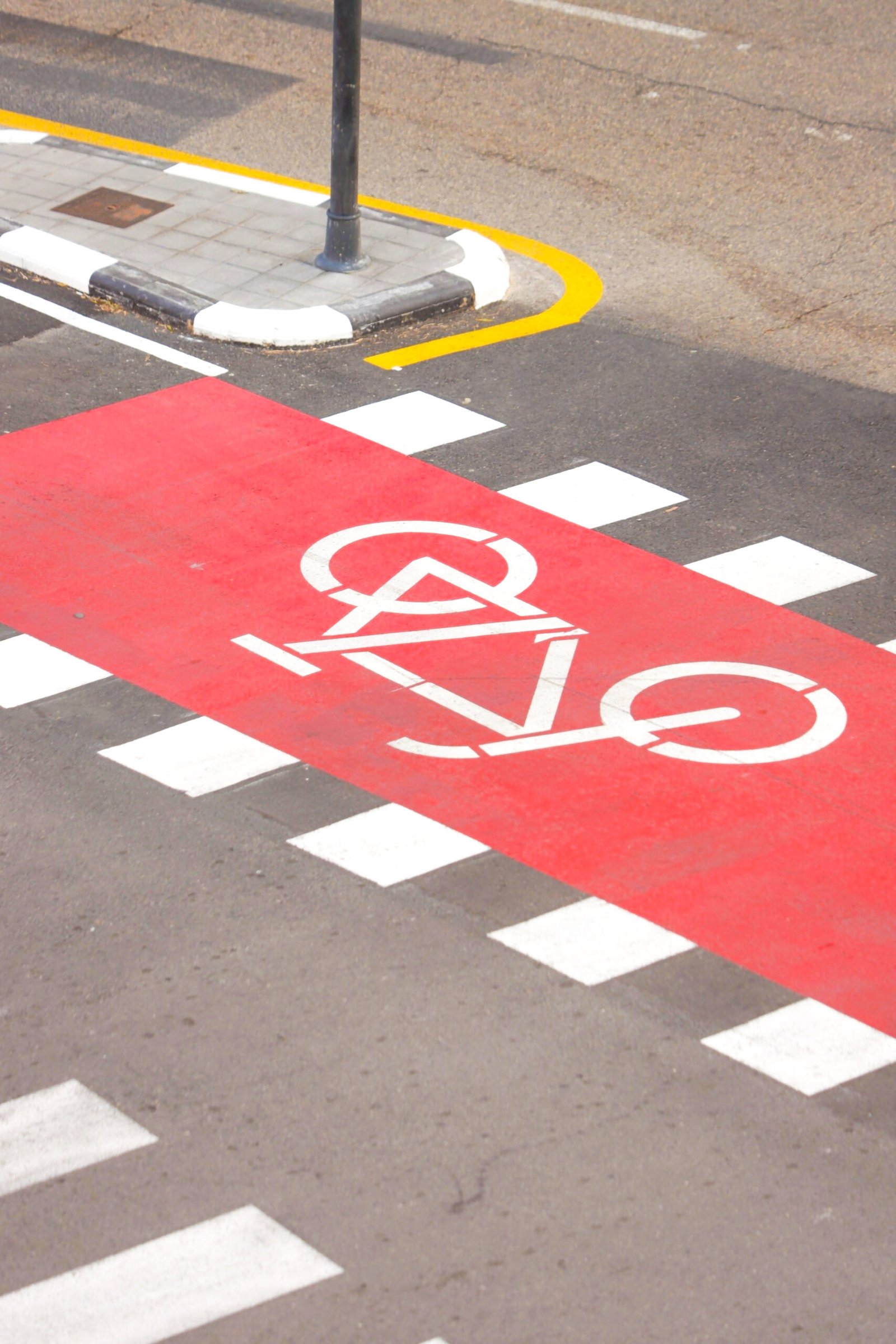
Real talk, Valencia might be the more bike-friendly city in Spain overall, full stop. The extensive bike lane network and flat terrain make it one of the easiest cities in the country to get around without any motor vehicle at all.
Safety and Day-to-Day Comfort
Both cities are generally safe by international standards, though Barcelona has a more visible pickpocketing problem in tourist-heavy zones like Las Ramblas and near major sights. Petty theft is far less of an issue in Valencia, which contributes to its calmer, more laid-back reputation among expats.
Neither city has a serious violent crime problem that should factor heavily into your decision. Normal city awareness covers you fine in either place.
Food Scene: Different Strengths
Valencia is the birthplace of paella, and the local versions here genuinely outclass what you’ll find almost anywhere else, including Barcelona. Rice dishes, fresh seafood, and a strong tradition of long, unhurried lunches define the local food culture in a way that feels distinctly Valencian.

Barcelona’s food scene leans more international, with a huge range of cuisines beyond Spanish and Catalan cooking. Tapas culture thrives in both cities, but Barcelona’s dining scene overall offers more variety if you want something other than local specialties on a regular basis.
Healthcare Access for Expats
Both cities have excellent public and private healthcare options, and Spain’s healthcare system ranks consistently high on global quality lists. Barcelona has more private hospitals and English-speaking specialists simply due to its larger size and bigger international population.
Valencia’s healthcare quality matches Barcelona’s closely, though finding English-speaking doctors outside major private clinics can take a bit more searching. Private health insurance runs cheaper in Valencia too, following the same cost pattern as everything else in the city.
Does healthcare quality alone tip the scale toward one city? Not really, since both offer genuinely solid options. The difference shows up more in convenience and English-language access than in actual care quality.
What This Actually Costs Per Month
Budget $2,200-2,800 monthly for a comfortable single-person lifestyle in Barcelona covering rent, food, transit, and some social spending. The same lifestyle in Valencia typically runs $1,500-2,000, a meaningful difference that adds up fast over a full year.
Families need to scale both figures up considerably, especially factoring in international school tuition if that’s part of your plan. Valencia’s overall affordability edge holds at every household size, though.
Which City Actually Fits You
Pick Barcelona if career growth, international connections, and big-city energy matter more to you than saving money every month. The job market and professional scene genuinely justify the higher cost for the right kind of career.
Pick Valencia if a lower cost of living, a calmer pace, and easy beach access matter more than climbing a career ladder locally. IMO Valencia suits remote workers and retirees especially well, since neither group needs Barcelona’s deeper local job market. 😅

Will one city clearly outperform the other for every single person? Not even close. Match the city to your actual daily priorities instead of picking based on name recognition alone, and you’ll land somewhere that genuinely fits your life in Spain.