Ever opened a Barcelona flight at 1am, stared at it for a while, then closed the tab because you remembered what Las Ramblas feels like in August? Same. Spain is brilliant. Spain’s two biggest cities in high season are a different sport entirely.
So here’s the thing nobody puts on a postcard: the good version of Spain, the one where you eat lunch for nine euros and nobody is trying to sell you a selfie stick, mostly happens in cities you’ve half-heard of. Places with 60,000 to 150,000 people. Big enough for a hospital and a decent bar scene, small enough that the guy at the bakery starts recognising you by week two.
These are the ones worth your attention.
Segovia, if you want a Roman aqueduct on your walk home
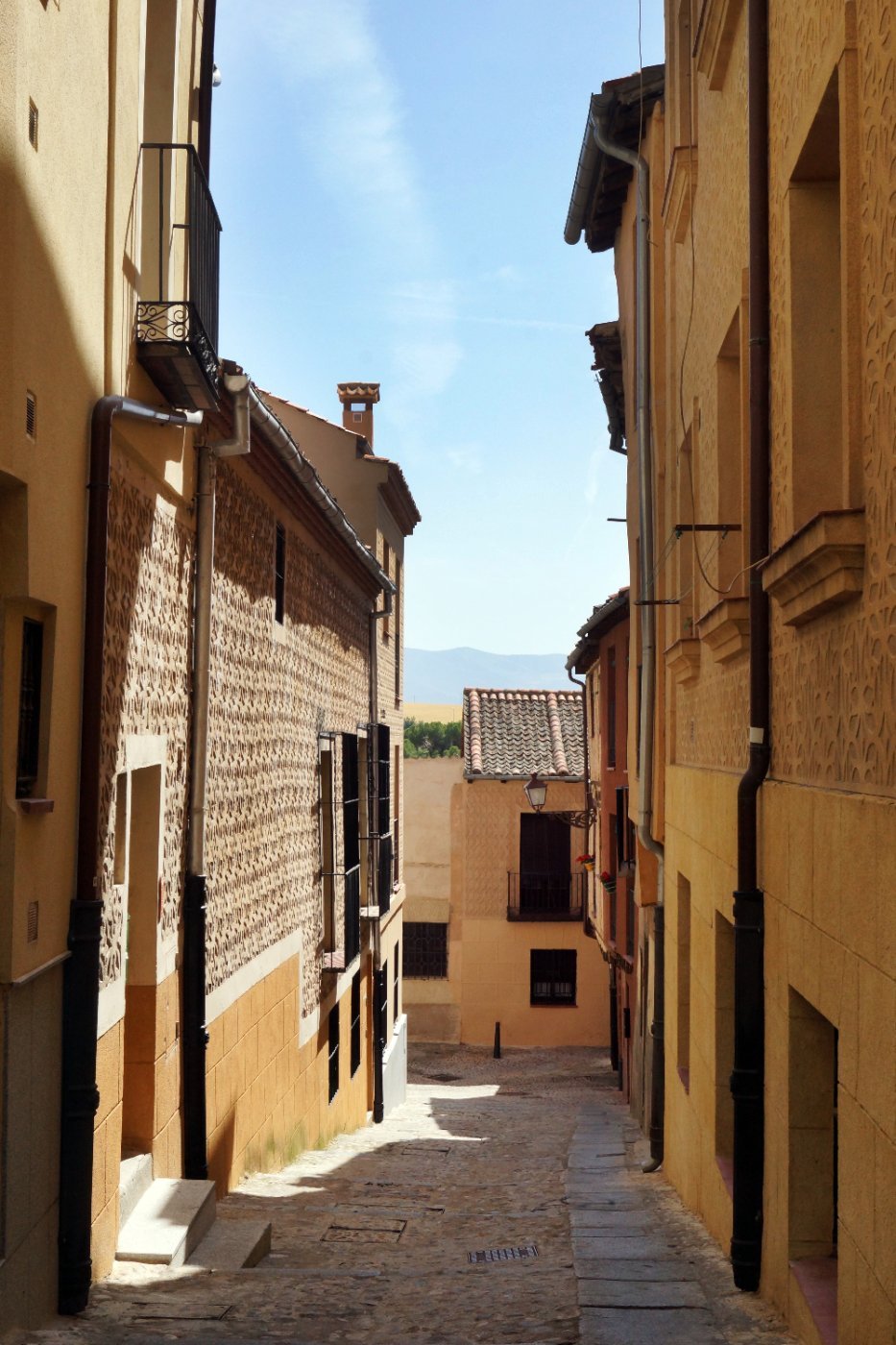
Segovia is about 30 minutes from Madrid on the fast train, which sounds like it should have ruined it by now. It hasn’t. The city has roughly 50,000 people and an aqueduct from the first century that just sort of sits there in the middle of town while people walk their dogs underneath it.
What makes it liveable rather than just pretty: you get Madrid access without Madrid rent. A one-bed in the old town runs somewhere around 500 to 650 euros a month. The same money in Madrid gets you a room in a shared flat with a housemate who plays guitar badly.
The catch is winter. Segovia sits at 1,000 metres and it gets properly cold, in a way that surprises people who assume Spain means sunshine year-round. Bring a coat. An actual one.
Girona, for Barcelona energy without Barcelona prices
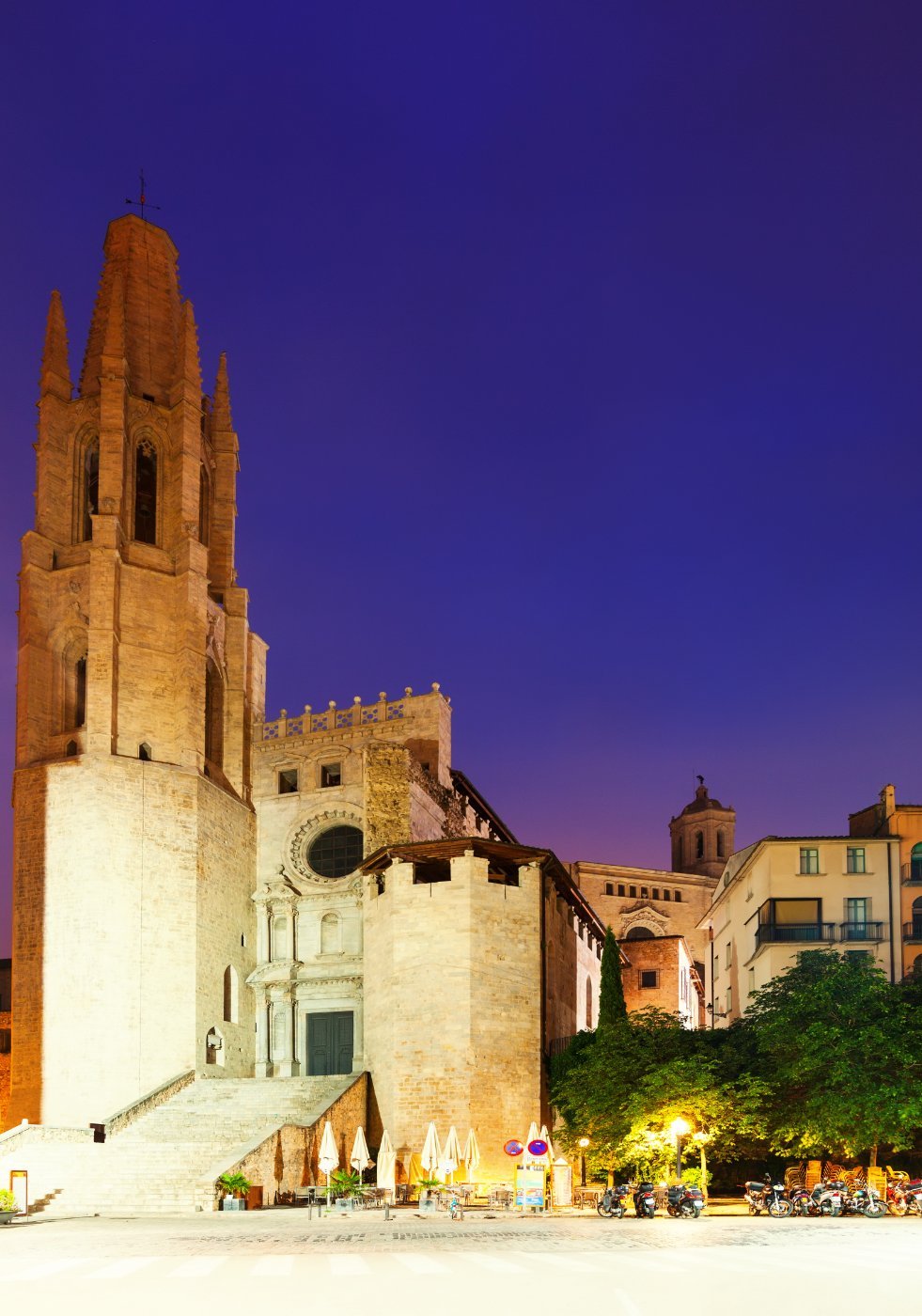
Girona is the one I’d move to tomorrow if someone made me choose. It’s about 100,000 people, 40 minutes from Barcelona by train, and the old town looks like a film set because it frequently is one.
The river runs through the middle with those painted houses stacked along it, there’s a cathedral with a staircase that will absolutely wreck your calves, and the food scene punches enormously above its weight. El Celler de Can Roca is here, which is a bit like a town of 100,000 people casually having one of the best restaurants on the planet.
IMO the real sell is the cycling. Girona is a genuine hub for it, there are pro riders living here full-time, and that means the surrounding roads are quiet, well surfaced and go somewhere beautiful. Even if you’re not a cyclist you benefit, because a town that’s set up for bikes is a town that’s pleasant to walk.
▶ Watch This Before You Go
Córdoba, but only if you can handle the summer
Let’s be honest about Córdoba first: it is regularly the hottest city in Europe. July and August hit 44°C and the locals are not exaggerating when they tell you to stay indoors between 2 and 6pm. That’s not a quirk, that’s the deal.
Now the good part. Nine months of the year Córdoba is close to perfect. The Mezquita is genuinely one of the most extraordinary buildings anywhere, the patio courtyards in May are ridiculous, and the cost of living is among the lowest of any decent-sized Spanish city. You can eat properly for very little money here.
It’s also flat, walkable and about 45 minutes from Seville and Málaga on the AVE, so you’re not stuck. Just, you know. Plan your August.
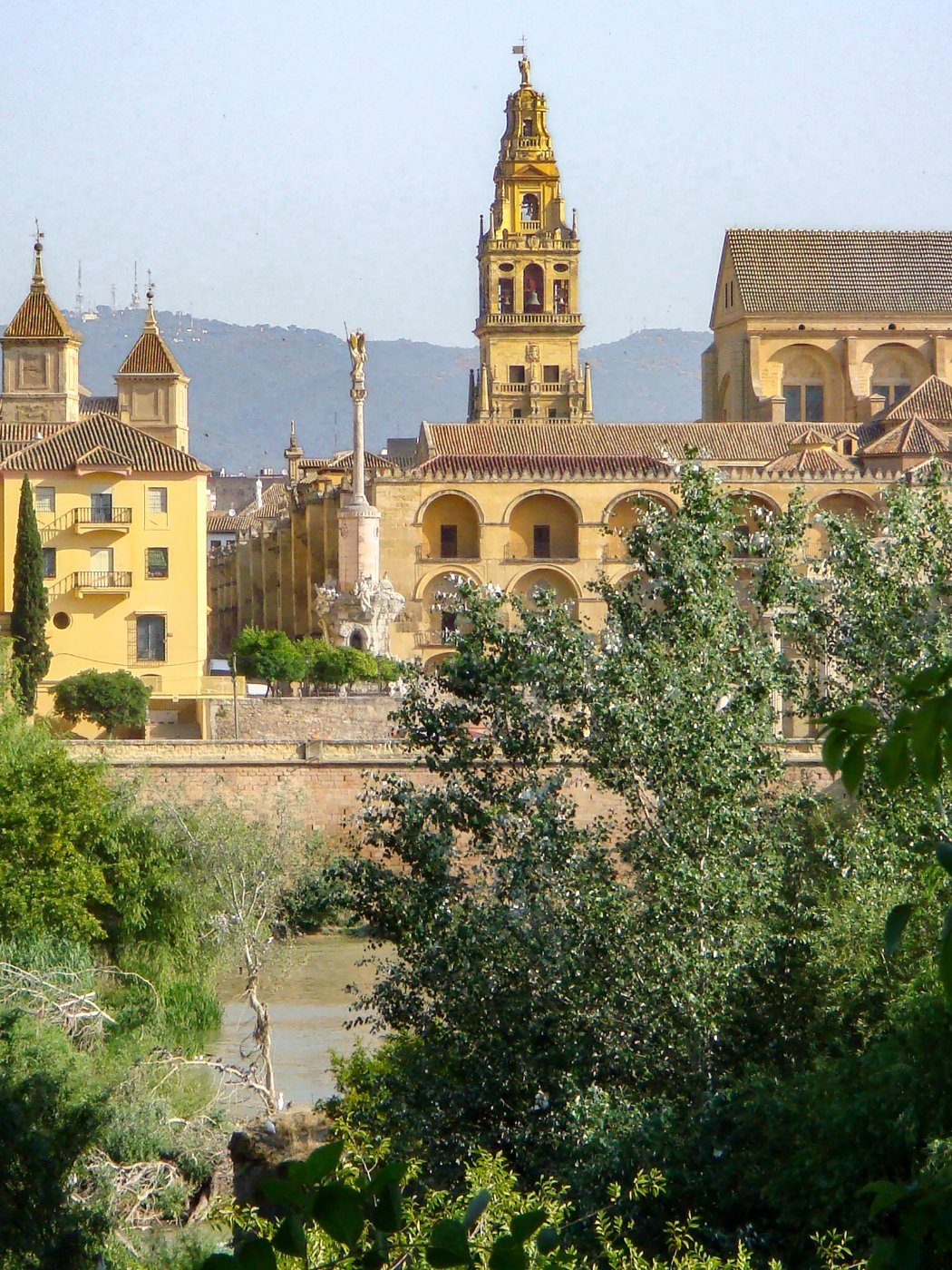
Salamanca, the one with all the students
Salamanca has around 145,000 people and a university founded in 1218, which means a third of the city is 20 years old and the whole place moves at student speed. That’s either exactly what you want or precisely what you don’t.
The Plaza Mayor here is the most beautiful main square in Spain and I’ll take that argument with anyone. At night the sandstone goes gold under the lights and people just sit out there for hours.
Practical bit: because it’s a university city, there’s a huge supply of short-term rentals and the Spanish spoken here is famously clear, which is why so many language schools set up shop. If you’re planning to actually learn the language rather than just say you will, this is the easiest place in Spain to do it.
Cádiz, where the Atlantic does the talking
Cádiz is arguably the oldest continuously inhabited city in Western Europe, sitting on a sandbar sticking out into the Atlantic, surrounded by water on three sides. It has about 115,000 people crammed into an old town you can cross on foot in 20 minutes.
The vibe is completely different from inland Spain. Salt in the air, seafood everywhere, an accent that even other Spaniards struggle with, and a Carnival in February that’s the biggest in the country. La Caleta beach is inside the city, which never stops feeling slightly unfair.
Downside? Andalusian unemployment is high and the job market is thin unless you work remotely. If you’re bringing your income with you, Cádiz is superb. If you’re hoping to find work locally, look at Málaga or Seville instead.
Albarracín, if “slow” means actually slow
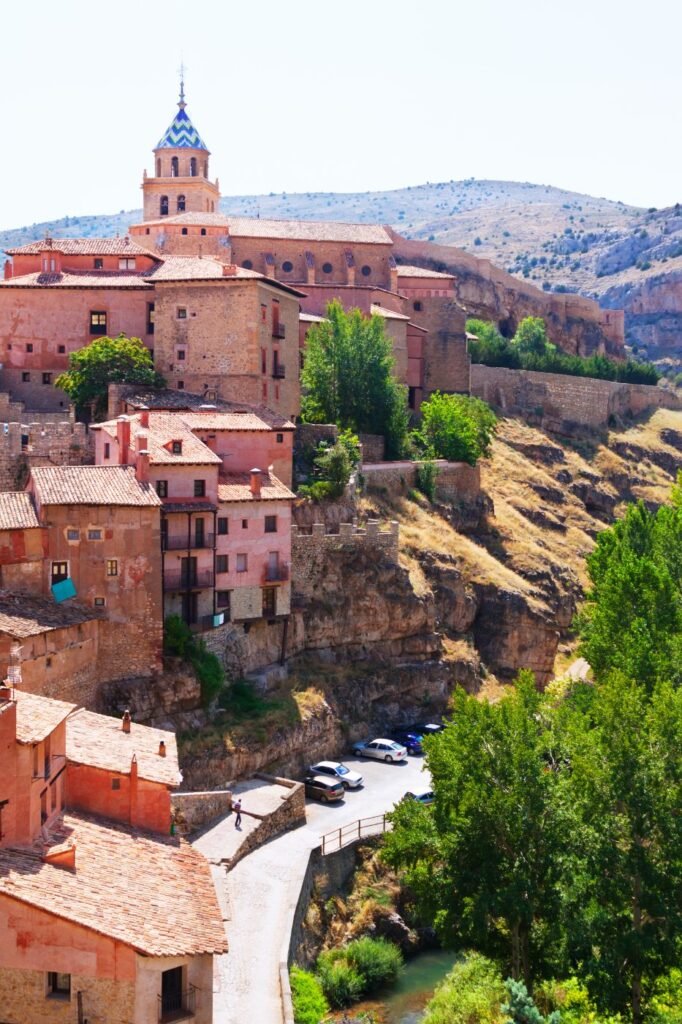
Right, this one is a curveball. Albarracín has about 1,000 residents. It is not a city, it is a pink-stone village clinging to a cliff in Aragón, and it regularly turns up on lists of the prettiest villages in Spain.
I’m including it because “slower life” means different things to different people, and some of you reading this want proper quiet, not just smaller-city quiet. Albarracín is that. There’s a walled hilltop, a handful of restaurants, world-class bouldering in the pine forest nearby, and roughly nothing else.
FYI you’d want a car, and you’d want to be genuinely comfortable with your own company. But if you’ve been fantasising about a stone house and no notifications, this is what that actually looks like.
So what does it actually cost?
Rough monthly numbers for one person, renting a one-bedroom and living normally rather than frugally:
- Córdoba — around €1,100 to €1,400. The cheapest on this list by a clear margin.
- Cádiz — around €1,200 to €1,500, though summer rentals spike hard.
- Salamanca — around €1,200 to €1,500, with student-season competition in September.
- Segovia — around €1,300 to €1,600.
- Girona — around €1,500 to €1,900. You pay for the Barcelona proximity.
Compare that to Barcelona, where a one-bed alone will eat €1,200 to €1,600 before you’ve bought a single coffee, and the maths starts making itself.
A few honest warnings
Bureaucracy is real. Getting your NIE, registering with the town hall, opening a bank account — all of it takes longer than you think and small cities have fewer English-speaking officials to smooth it over. Budget a few frustrating weeks.
Second, smaller cities are quieter socially. There’s no big expat scene in Segovia. If you don’t speak Spanish, you will find this lonely faster than you expect. That’s not a reason not to go, it’s a reason to take the classes seriously from day one.
Third, August. Half of small-town Spain closes in August. Your favourite bar, the dentist, the place that fixes your bike — all shut, all at once, for three weeks. It’s charming exactly once.
FAQ
Which one is best for remote work? Girona. Good fibre, plenty of cafés that don’t mind laptops, coworking spaces, and Barcelona airport an hour away for when you need to fly somewhere.
Do I need a car? Not in Segovia, Girona, Córdoba, Salamanca or Cádiz — all five are walkable with train links. Albarracín, yes, absolutely.
What visa do I need? If you’re outside the EU, look at Spain’s digital nomad visa, which launched in 2023 and is aimed at exactly this scenario. Income thresholds apply and the paperwork is not fun, but it’s a real route.
Is the healthcare good? Yes, and all five cities have proper hospitals. Private insurance costs around €50 to €100 a month and is worth it while you sort out public access.
Best time to visit before committing? Late April or October. You’ll see the place under normal conditions rather than tourist-season or heat-wave conditions, and that’s the version you’d actually be living in.