7 Things To Pack For Japan First-Timers Get Wrong
Japan is the trip where the standard packing list actively works against you.
In this guide
- 1. Shoes you can get on and off in two seconds
- 2. A bag for your rubbish
- 3. Cash, and somewhere to put the coins
- 4. A day bag that’s actually small
- 5. Layers, whatever the forecast says
- 6. A portable charger, and this one’s not optional
- 7. Medication, because buying it there is hard
- What you genuinely don’t need
- The seasonal bit
- Common questions
- The short version
It’s not that anything’s hard to find there. Quite the opposite, Japan has the best convenience stores on earth. It’s that the specific things that make the trip comfortable aren’t the things you’d think to pack.
Seven things first-timers get wrong.
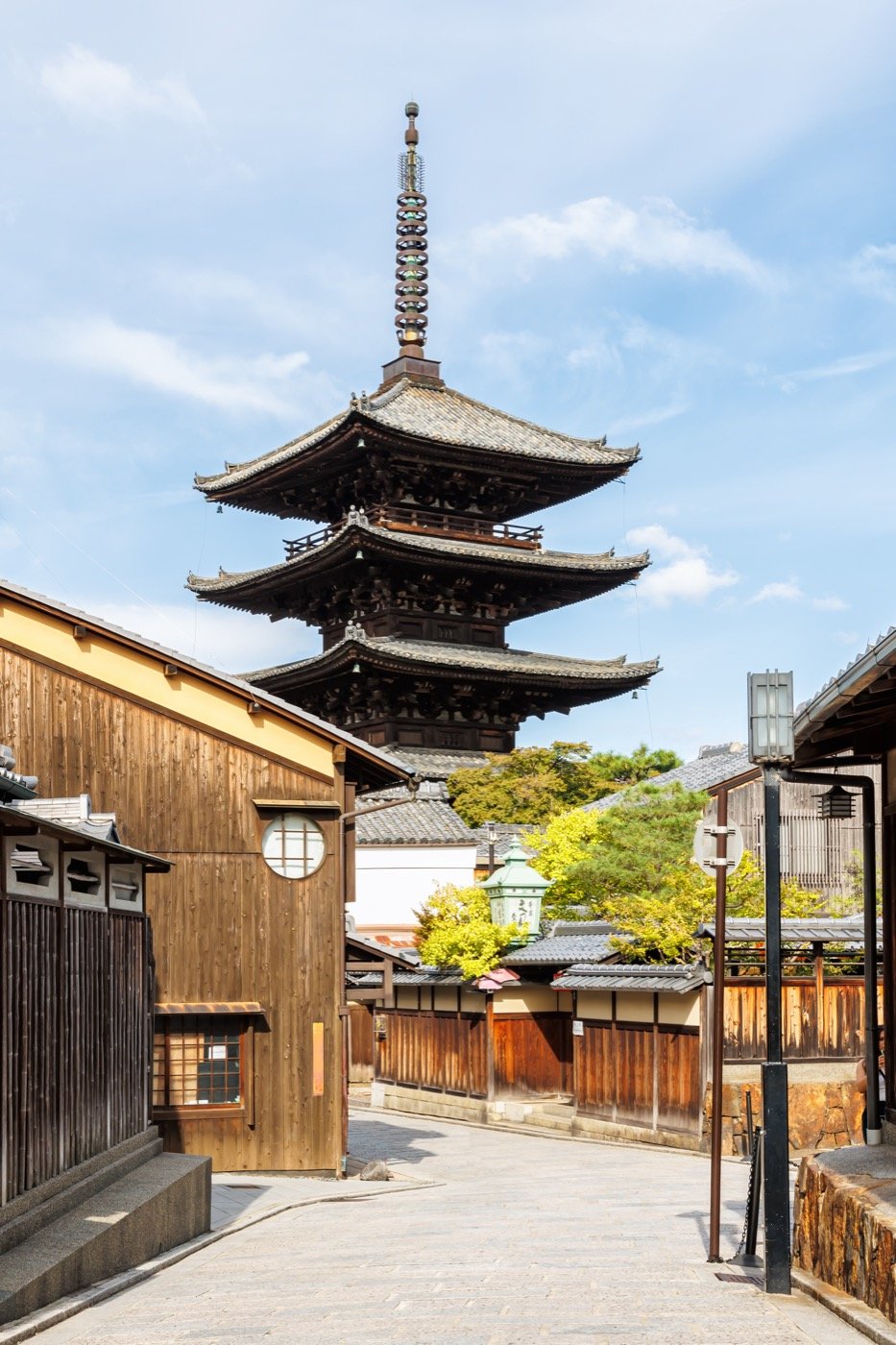
1. Shoes you can get on and off in two seconds
You’ll take your shoes off far more often than you expect. Temples, traditional restaurants, ryokans, some museums, occasionally a shop, and anyone’s home.
Lace-up boots turn every single one of those into a small event while a queue forms behind you.
Slip-ons, or trainers you can heel off without untying. And make sure your socks are decent, because they’re going to be on display several times a day. This is not a joke, everyone notices their own socks in Japan.
2. A bag for your rubbish
This catches out absolutely everybody.
There are almost no public bins in Japan. You’ll buy a coffee, drink it, and then carry the empty cup around for three hours because there is genuinely nowhere to put it.
A small plastic bag in your day bag solves it entirely. You bin the lot at your hotel in the evening.
Convenience stores usually have bins, and they’re technically for things bought there. Nobody’s checking, but it’s the polite line.
3. Cash, and somewhere to put the coins
Japan has modernised fast, and it’s still more cash-based than most of Europe. Small restaurants, temples, shrines, older shops, some train stations.
The bigger surprise is the coins. Japan has 1, 5, 10, 50, 100 and 500 yen coins, and a 500 yen coin is worth about three pounds. Within two days your pockets weigh a kilo.
A small coin purse is a genuinely useful thing to bring. FYI you’ll use those coins constantly for vending machines and lockers.
7-Eleven ATMs take foreign cards reliably. Many bank ATMs don’t.
4. A day bag that’s actually small
Trains, lifts, shops and restaurants are tight. A big backpack marks you out and genuinely gets in the way.
Something small enough to hold on your lap on a train. On busy trains you’re expected to take a backpack off and hold it, and if it’s huge there’s nowhere for it to go.
Luggage forwarding is the other half of this. For a few thousand yen you can send your main suitcase from one hotel to the next and travel between cities with just a day bag. It’s cheap, it’s reliable, and almost no first-timer knows about it.
▶ Watch This Before You Go
5. Layers, whatever the forecast says
Japan’s indoor and outdoor temperatures barely relate to each other.
Winter: freezing outside, and shops and trains heated to the point of discomfort in a coat. Summer: brutally humid outside, and air conditioning set to arctic indoors.
Either way you’re adding and removing a layer all day. One good mid-layer that packs small beats a heavy coat in both seasons.
6. A portable charger, and this one’s not optional
You’ll use your phone constantly. Google Maps for the train system, translation for menus, QR codes, train apps, photos.
Japanese train navigation in particular eats battery, because you’re checking it between every connection.
Bring a decent power bank and keep it charged. Running out of phone in a Tokyo station at rush hour with no idea which of fourteen exits you want is a specific kind of stressful.
7. Medication, because buying it there is hard
Japan has genuinely strict rules on what you can bring in, and some common western medications are restricted or banned outright.
Bring what you need in original packaging with the prescription if you have one. And check the rules for anything you take regularly before you fly, because the list of restricted substances surprises people.
For everyday things, painkillers and cold medicine are available but doses are typically lower than you’re used to and the packaging is entirely in Japanese.
What you genuinely don’t need
- Toiletries. Japanese convenience stores and drugstores are outstanding. Buy there, it’s half the fun.
- A towel. Every hotel has them. A small hand towel is worth carrying though, since public toilets often have no dryer.
- Formal clothes, unless you have a specific reason. Japan is smart but not formal for tourists.
- A plug adapter, if you’re coming from the US. Japan uses type A at 100V. Everyone else needs one.
The seasonal bit
Spring and autumn are the easy ones. Layers, a light jacket, comfortable shoes. This is when most people go and for good reason.
Summer is hot and extremely humid. Light, breathable, quick-dry everything, plus a hand towel for the sweat. A folding fan is not a tourist gimmick there.
Winter is cold but rarely brutal in the main cities, and very snowy up north. Layers rather than one huge coat, because of the heated indoors problem.
Common questions
Do I need cash in Japan?
Yes, more than you’d expect. Cards are widely accepted in cities and cash still rules smaller places, temples and rural areas.
Can I use my card at any ATM?
7-Eleven and post office ATMs take foreign cards reliably. Many bank ones won’t.
What shoes should I bring?
Comfortable slip-ons. You’ll walk enormous distances and remove them several times a day.
Is luggage forwarding worth it?
Absolutely, and it’s the single best tip for a multi-city trip. Cheap, next-day, extremely reliable.
Can I bring my usual medication?
Check first. Japan restricts some common western medicines, and the rules are enforced.
The short version
Slip-on shoes and good socks, a rubbish bag, cash plus a coin purse, a small day bag, layers, a power bank and your medication sorted before you fly.
Everything else you can buy there, probably better than at home.