7 Things To Pack For Florida That Most People Forget
Packing for Florida looks easy. Shorts, swimwear, sunglasses, done.
In this guide
Then you land.
And it turns out Florida in July is basically a greenhouse that rains at 3pm sharp every afternoon, every restaurant is refrigerated to about twelve degrees, and something has been quietly eating your ankles since sunset.
None of that is on the standard packing list. These seven are.
1. A rain jacket that folds into nothing
Florida doesn’t really do rainy days in summer. What it does is one spectacular thunderstorm somewhere between 2 and 5pm, which lasts about forty minutes and then stops like nothing happened.
You don’t need a proper waterproof for that. You need something that packs into its own pocket and just lives in your day bag.
Don’t bother with an umbrella. The storms come with enough wind to turn one inside out in about a minute, which is why every bin in Florida has a dead umbrella in it.
2. Long sleeves. For indoors.
Nobody believes this one until it happens to them.
The air conditioning in Florida is aggressive to the point of feeling personal. Restaurants, cinemas, shops, the shuttle bus, the hotel lobby. You’ll go from 33 degrees and humid to something like a meat locker in the time it takes to walk through a door.
So pack a light long-sleeve layer and trousers you can pull on. Not for the weather. For the buildings.
I know how it sounds when you’re packing for a beach holiday. Do it anyway.
3. Reef-safe sunscreen, bought before you fly
Two reasons, and honestly the second one is the one that’ll get you.
First: oxybenzone and octinoxate are rough on coral, and Florida has the only living coral barrier reef in the continental US sitting just off the Keys. Some areas have restricted the standard stuff.
Second: price. Sunscreen bought at a resort shop or a theme park kiosk costs an amount that will genuinely annoy you. FYI a tube that’s eight quid at home is routinely $25 inside a park gate.
Buy it at home. Buy more than you think you need, too, because reapplying properly every two hours gets through a bottle way faster than anyone expects.
▶ Watch This Before You Go
4. Bug spray with picaridin in it
Florida mosquitoes aren’t background noise. Around dusk, anywhere near standing water (so, anywhere in Florida), they’re the main event.
Look for picaridin rather than the old-school stuff. Works about as well, doesn’t smell like a chemistry set, and crucially it doesn’t dissolve plastic. DEET will happily wreck your sunglasses, phone case and watch strap given half a chance.
The other thing nobody warns you about is no-see-ums on the Gulf coast. They’re small enough to get straight through a normal insect screen. Repellent is the only thing that does anything.
5. Water shoes
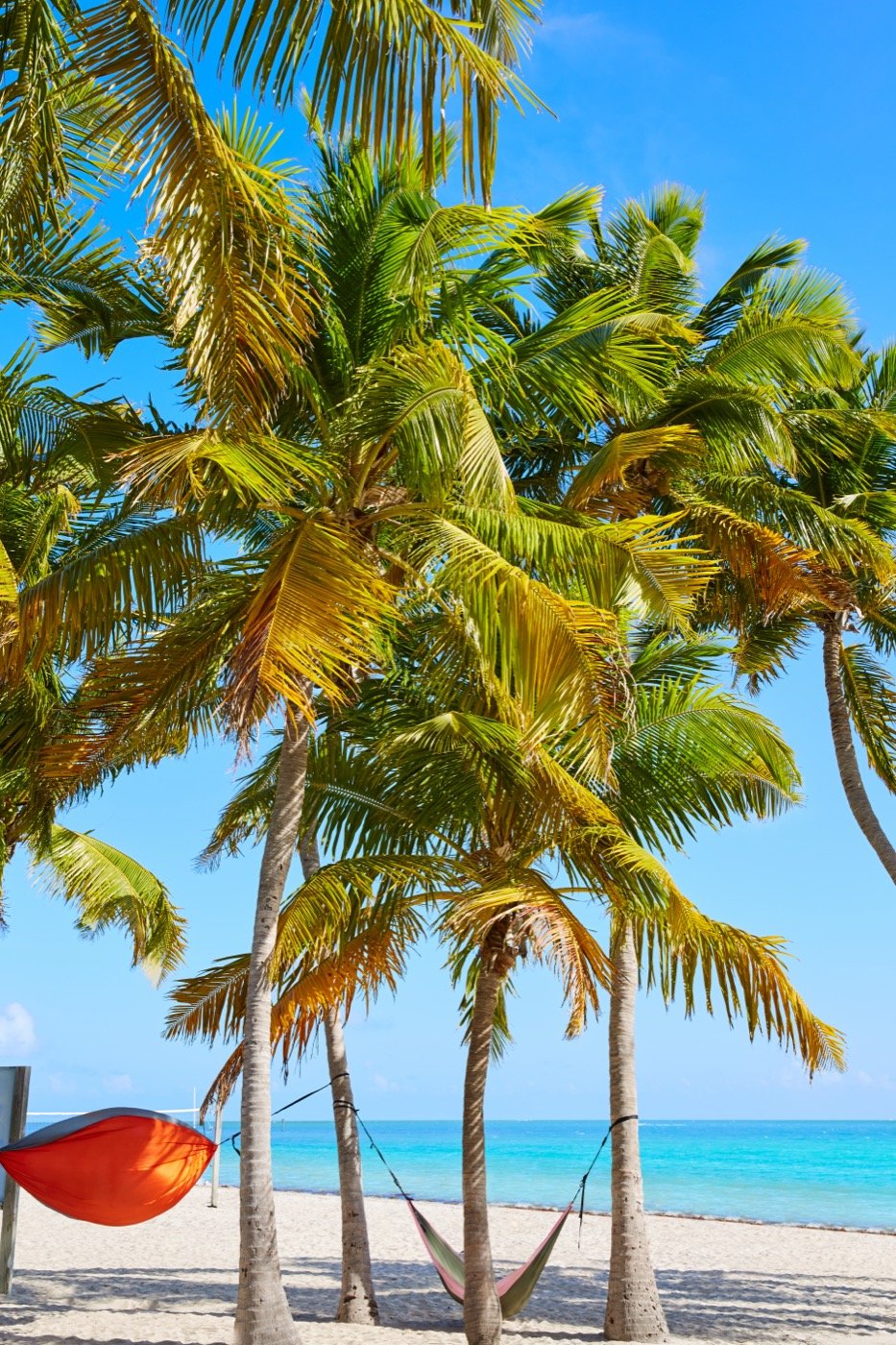
Florida beaches aren’t all soft sand.
The Atlantic side has long stretches of broken shell that’ll have you walking like a cartoon character. The Gulf side has the occasional stingray parked in the shallows.
Water shoes sort both. They also sort the genuinely dangerous one, which is parking lot asphalt in August. That stuff gets hot enough to blister bare feet in seconds, and it catches people out every single year.
Cheap ones are fine. They’re getting destroyed regardless.
6. A dry bag
If you’re doing anything on the water (and in Florida you probably are), a dry bag is what stops the afternoon getting expensive.
Boat trips. Kayaks. Paddleboards. Airboats in the Everglades. Snorkelling in the Keys. All of it involves your phone being closer to salt water than your insurance would like.
A 5L roll-top costs almost nothing and doubles as somewhere to shove a wet swimsuit for the ride back. Which is the other thing nobody plans for.
7. A refillable bottle, ideally insulated
Florida heat plus Florida humidity dehydrates you a lot faster than dry heat does, because your sweat isn’t evaporating and therefore isn’t cooling you down.
Tap water’s fine across the whole state. Bottled water inside a theme park is priced like it isn’t.
Insulated is worth the extra bulk here more than almost anywhere else. Anything else is warm in twenty minutes.
What to leave at home
- Jeans. Unbearable in the humidity, and two days to dry if they get wet.
- A hairdryer. Every hotel has one, and the humidity undoes the work anyway.
- Anything smart. Florida’s more casual than you think, dinner included.
- A heavy coat, unless you’re going to the panhandle in January, where it actually does get cold.
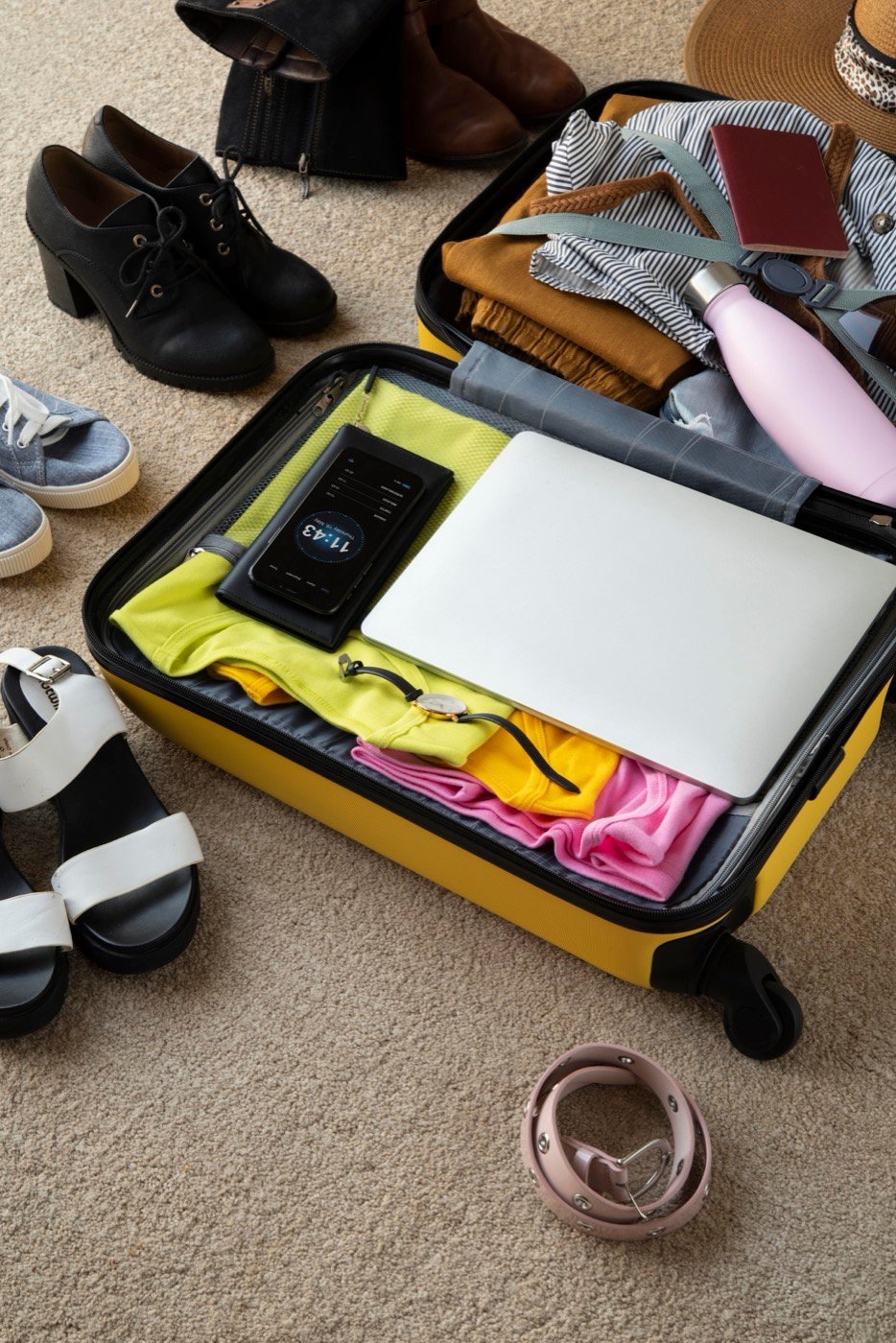
- Six pairs of shoes. Trainers, flip flops, water shoes. That’s the list.
What changes by season
June to September. Hot, humid, stormy, and it’s hurricane season. Everything above applies at full strength.
October to November. The sweet spot, IMO. Warm, drier, fewer people, and the mosquitoes calm right down.
December to February. Genuinely lovely in the south, properly chilly up north. Orlando drops to single figures overnight more often than people expect, so bring one warm layer.
March to May. Warm and dry. Also spring break, which affects where you want to be more than what you pack.
Common questions
Do I actually need a raincoat in Florida?
A packable one, yes, in summer. A full waterproof is overkill and too warm to wear.
Is reef-safe sunscreen really required?
Restricted in some areas, encouraged in most. Buy it at home either way, because the price near the beaches is brutal.
How cold does it get indoors?
Cold enough that a long-sleeve layer is a real packing item, not a precaution. Catches out nearly every first-timer.
Can I drink the tap water?
Yes, everywhere. It tastes faintly of sulphur in parts of the west coast, which is harmless if a bit off-putting.
What about hurricane season?
June to November officially. It rarely ruins a trip, but get travel insurance and actually read it.

The short version
Packable rain jacket. Long-sleeve layer for the air con. Reef-safe sunscreen bought at home. Picaridin repellent. Water shoes. Dry bag. Insulated bottle.
Seven things, none of them obvious, all of them cheaper before you get on the plane.
The air con layer is the one you’ll thank yourself for first. Trust me on that one.