6 Things to Know Before Visiting Charleston
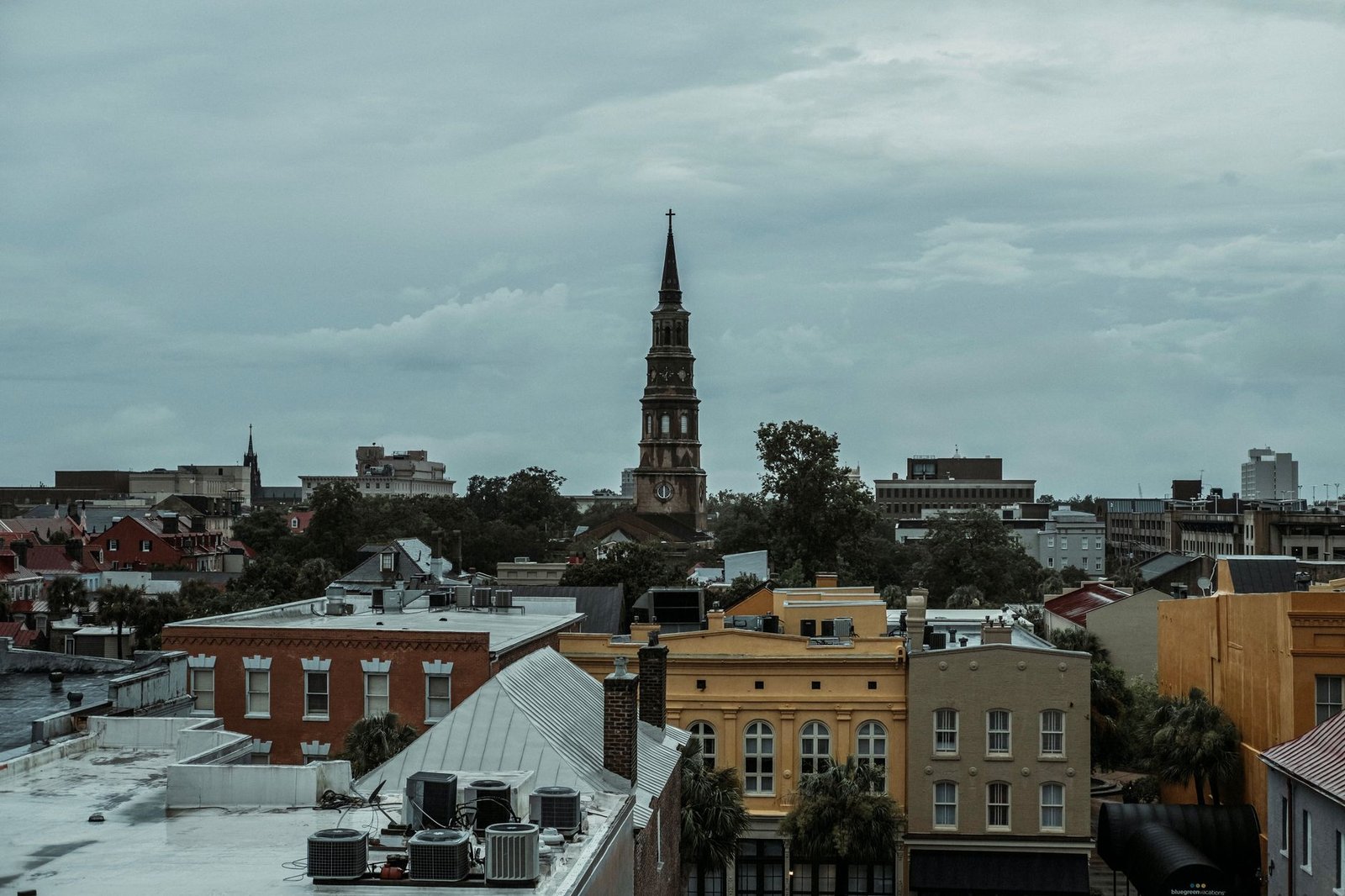
Charleston is one of those cities that looks exactly like its photos. Pastel houses, church steeples, gas lanterns, cobblestones. It’s small, it’s charming and it’s very easy to love.
In this guide
It’s also easy to get wrong. People turn up in July without a dinner reservation, drive in circles looking for parking or pick a plantation tour without knowing what they’re signing up for. Here are six things to know before visiting Charleston.
1. The heat is serious
Charleston summers are hot and very humid. From late May to September, it’s often in the 90s Fahrenheit with heavy, sticky air and afternoon thunderstorms. Walking tours at 2pm in August are not fun, trust me.
Plan outdoor sights for the morning and late afternoon, and save museums or a long lunch for midday. Better still, come in spring or fall. March to May and October to early November are the sweet spots: warm, bright and comfortable enough to walk all day. Hurricane season runs June to November, with the peak in August and September, so watch the forecast if you visit then.
2. Park the car and walk
The historic peninsula is compact and flat. Almost everything a first-timer wants to see sits within a mile or so of King Street, and the best way to see it is on foot.
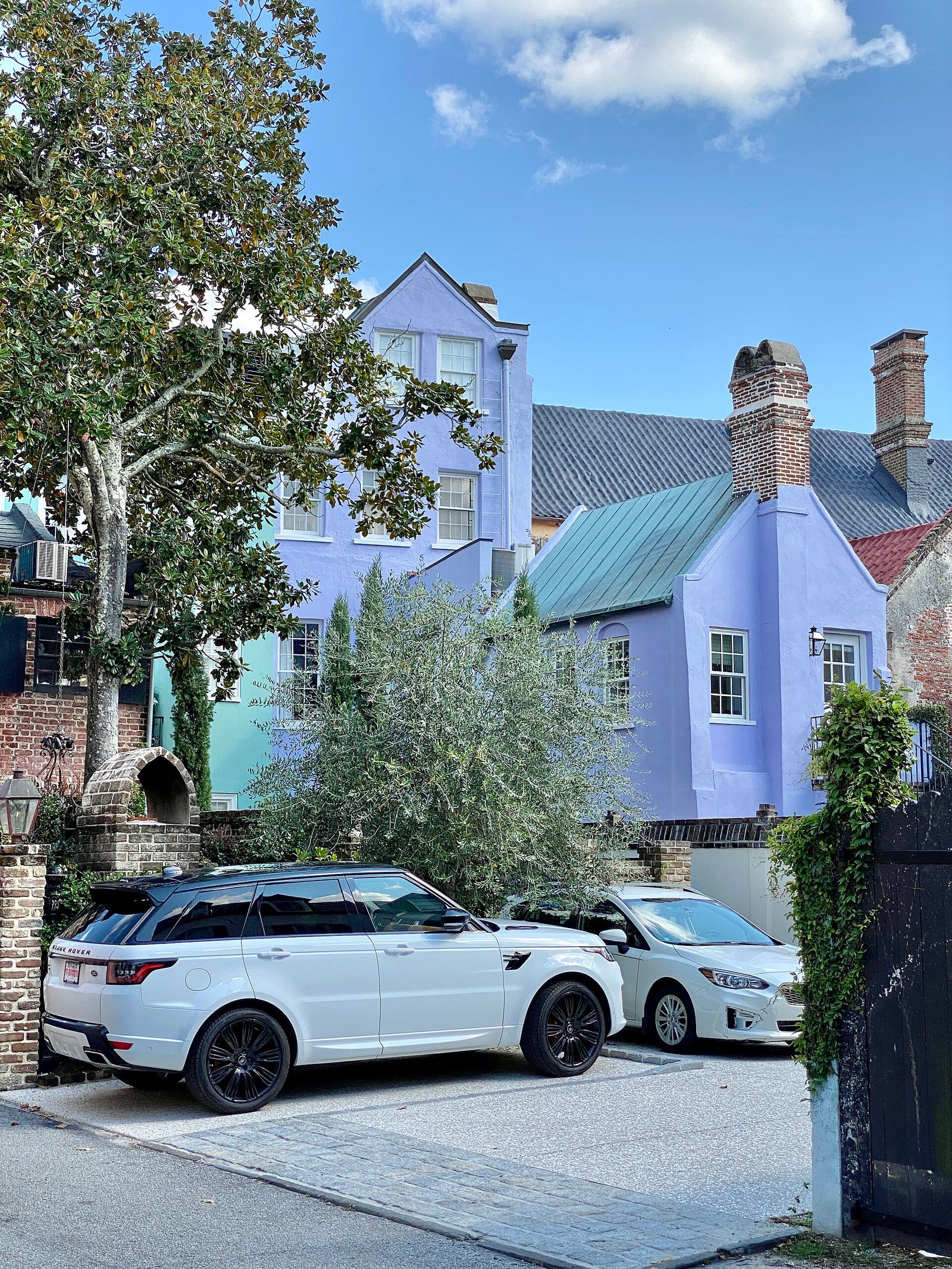
Driving downtown is slow, and parking is tight and expensive. If you’re staying on the peninsula, park the car once and leave it. Use the free DASH trolley, which loops through the historic district, or just walk. Rainbow Row, the Battery, the City Market and the French Quarter are all close together.
3. Book dinner ahead, really
Charleston is one of the best food cities in the South, and everyone knows it. The popular restaurants fill up weeks in advance, especially on Friday and Saturday nights.
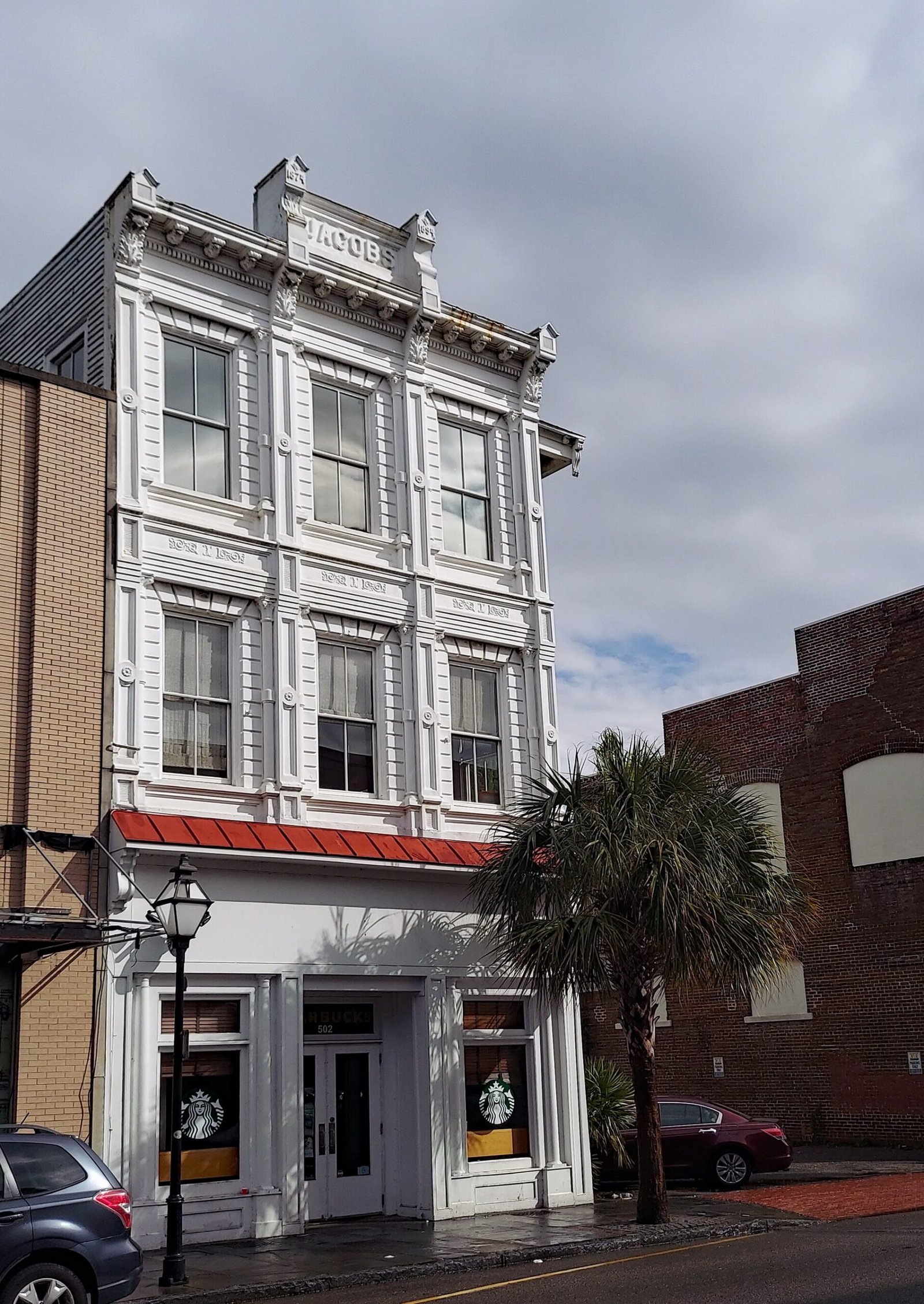
Book dinner as soon as your trip is set. If you strike out, try for the bar seats, which are often first-come, first-served, or eat early, around 5pm. Lunch is also a great way into the big-name places without a booking. Order shrimp and grits at least once, and some she-crab soup. King Street is the main shopping and dining strip, and it’s where you’ll spend much of your evening.
4. Not all tours are the same
Charleston has a ton of tours: walking, carriage, ghost, food and history. They’re a great way to understand the city, and the guides are often brilliant storytellers.
A carriage ride is a relaxing way to see the old streets, and the routes are assigned by lottery, so you won’t always see the same thing. Ghost tours are fun at night, especially in the old graveyards. Book a reputable food tour early in your stay so you know where to eat for the rest of it.
5. Plantations: choose with care
The plantations outside the city are among the most visited sights in the area, and they’re beautiful. They’re also places where enslaved people lived and worked, and the better ones tell that story honestly.
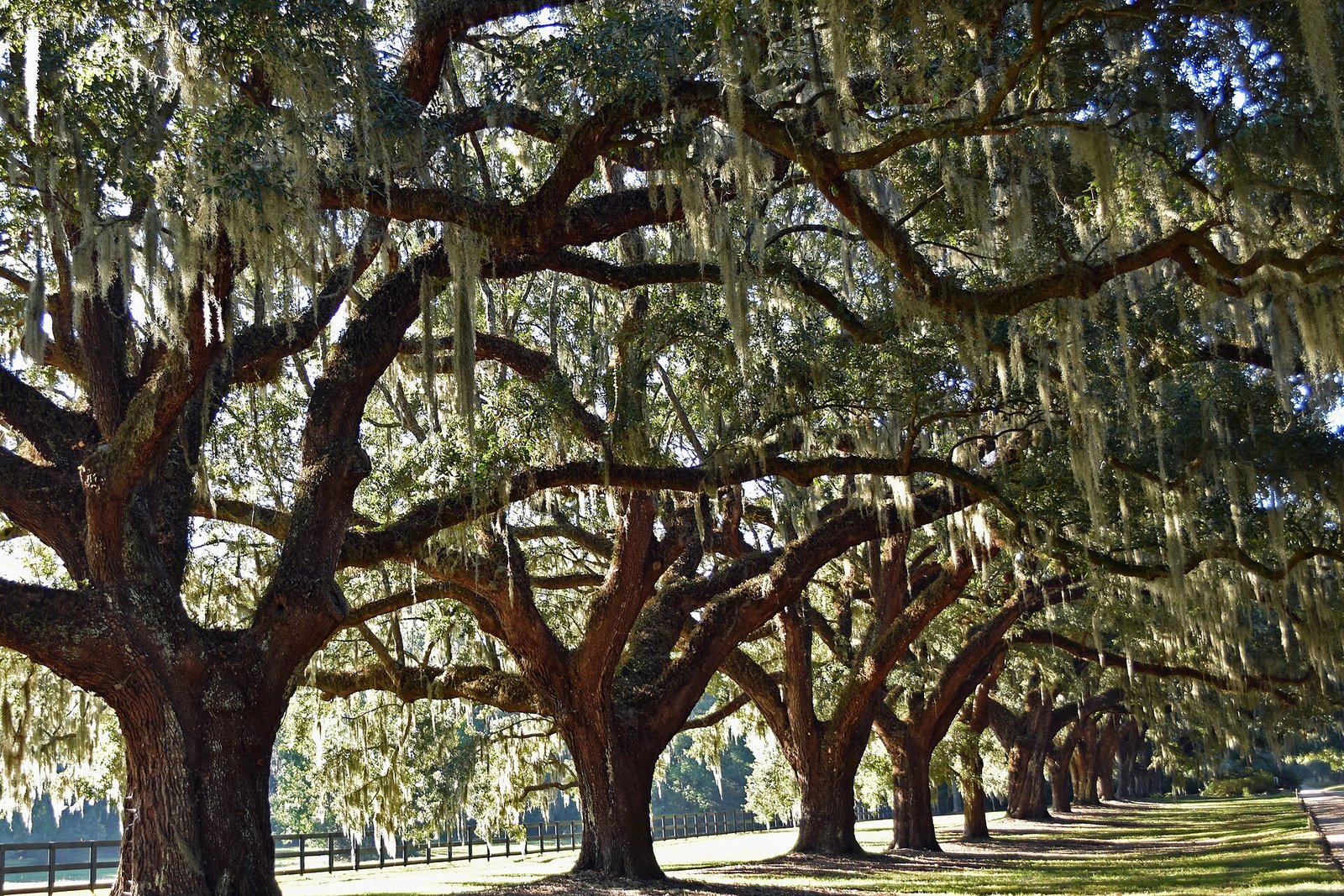
McLeod Plantation, on James Island, focuses its whole tour on the lives of the enslaved people there. Boone Hall has the famous avenue of oaks and a good exhibit on Gullah culture. Magnolia and Middleton Place are known for their gardens. Read a little before you pick, and give it a half day. They’re 20 to 40 minutes from downtown.
▶ Watch This Before You Go
6. The beaches are a short drive away
There’s no beach in downtown Charleston. The nearest ones are on the barrier islands, about 20 to 30 minutes by car.
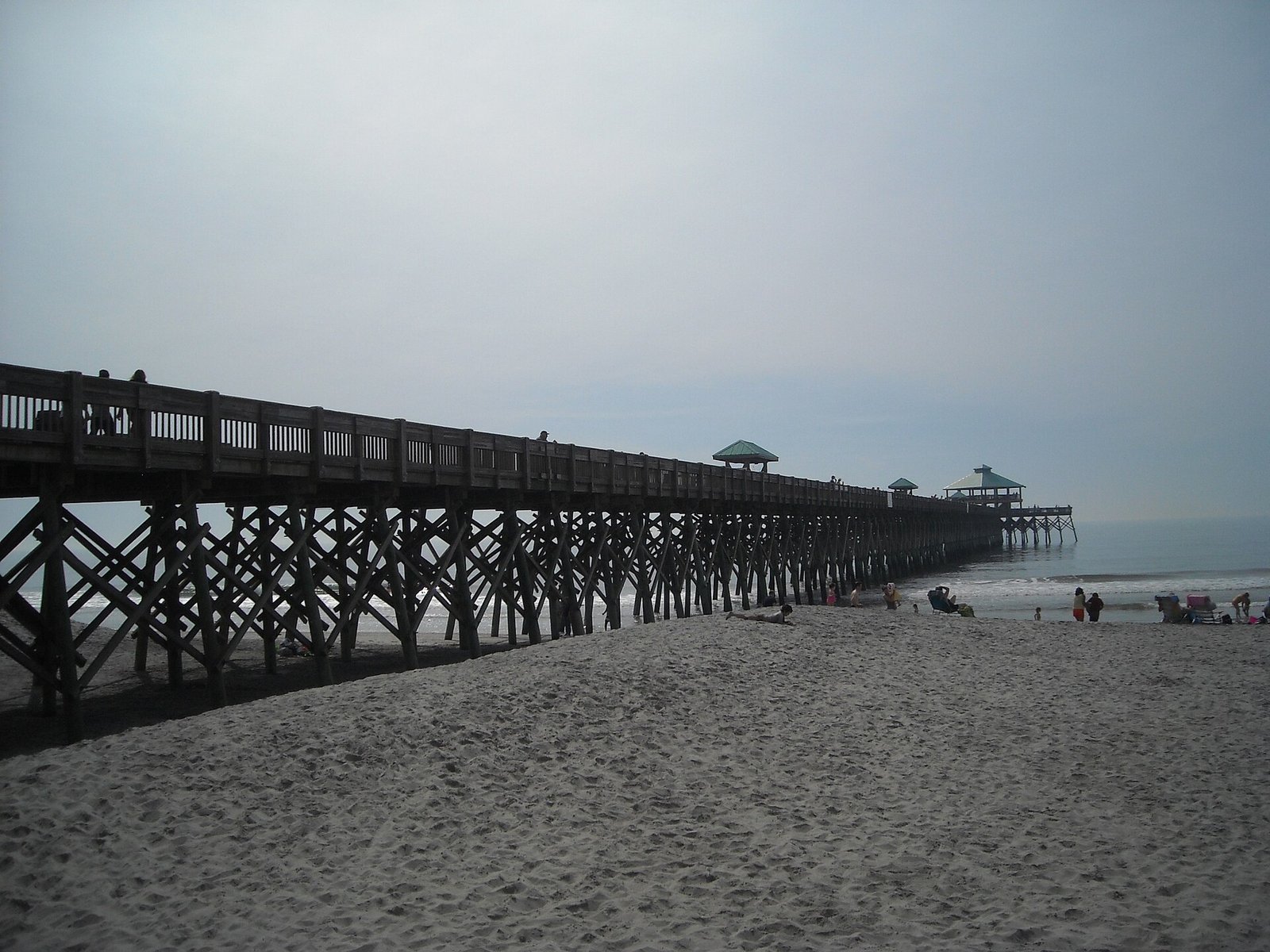
Folly Beach is the closest and the most laid-back, with a long fishing pier and a surf-town feel. Sullivan’s Island is quieter, with nice restaurants and a historic fort. Isle of Palms is more resort-like. Weekends in summer get busy, and parking fills early, so go on a weekday if you can.
A bonus: watch the tides
Charleston is low-lying, and some streets flood during very high tides, called king tides, and heavy rain. It’s usually short-lived, but it can close roads downtown for a few hours.
Check the tide chart if you’re driving. Never drive through flooded streets. The water is often salty and deeper than it looks. The upside is that a walk along the Battery seawall at high tide, with the harbor slapping right up against it, is one of the prettiest things in the city.
How long to stay
Two or three days covers the historic district, a plantation and a beach afternoon. With a fourth day, add a trip to Kiawah Island or Beaufort.
Where to stay
Stay on the peninsula if you can. The historic district south of Calhoun Street puts you within walking distance of nearly everything, and coming back from dinner on foot is half the fun. Hotels here are pricey, especially on spring weekends, so book early.
For better value, look at Mount Pleasant across the Ravenel Bridge or the upper King Street area, which has newer hotels and lively bars. You’ll be a short rideshare from the old town, and parking is usually easier.
A little etiquette
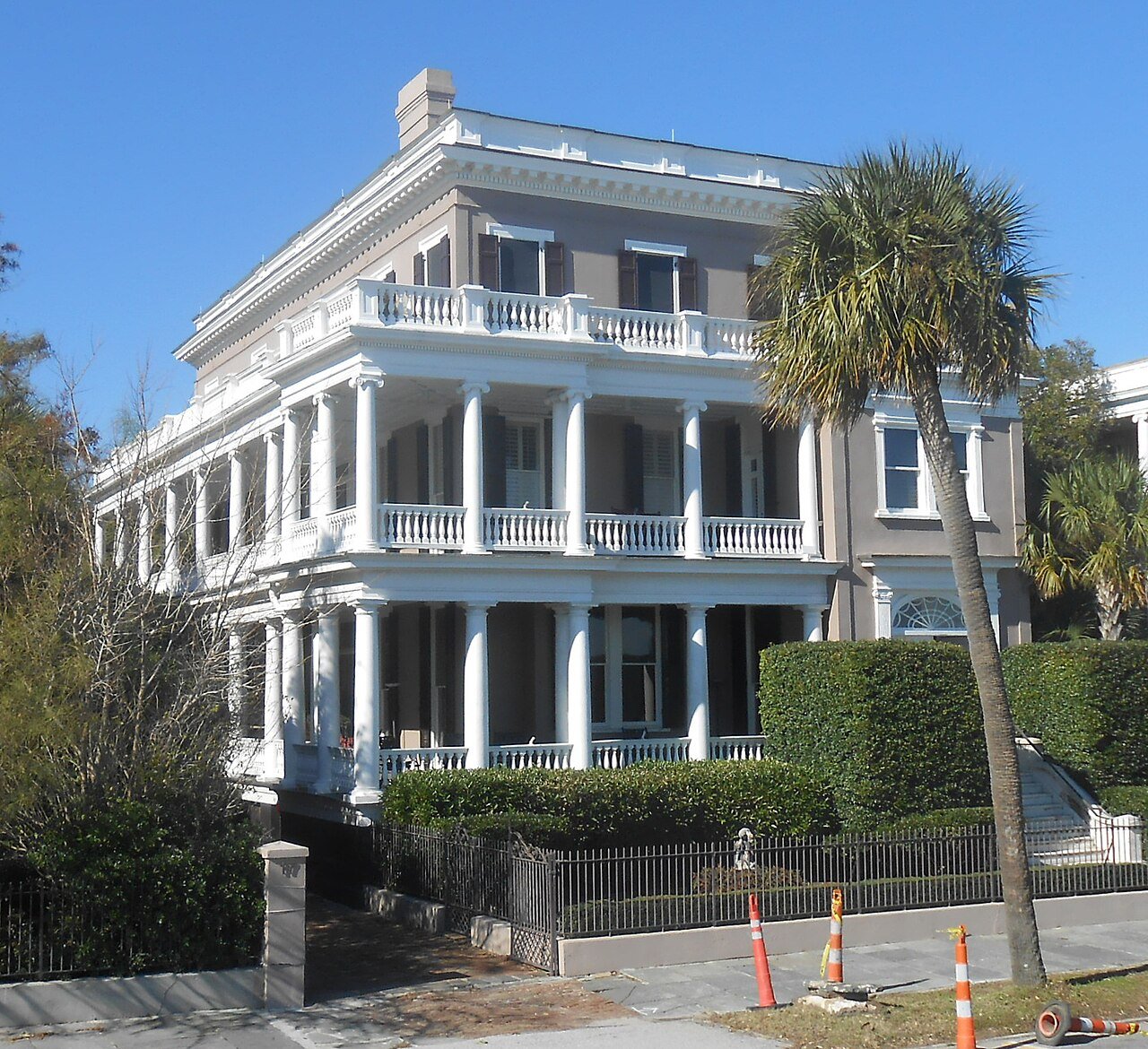
Charleston is a polite city. People say hello on the street, and a “thank you” goes a long way. Many of the beautiful houses you’ll photograph are private homes, so stay on the sidewalk and don’t sit on the steps. Dress codes at the nicer restaurants are relaxed, but locals do dress up a little for dinner, so pack one nice outfit.
Tipping follows normal US habits: around 20% at restaurants and a few dollars for tour guides and carriage drivers.
Common questions
When is the best time to visit Charleston?
Spring (March to May) and fall (October to November) for warm, comfortable weather.
Do you need a car in Charleston?
Not downtown. You’ll want one for beaches and plantations.
Is Charleston walkable?
Yes. The historic peninsula is flat and compact, and most sights are a short walk apart.
Do you need reservations for Charleston restaurants?
For popular spots, yes, often weeks ahead on weekends.
Which Charleston plantation is best to visit?
McLeod for history, Boone Hall for the oak avenue and Magnolia for gardens.