7 Things to Know Before Visiting Seattle
Seattle has a reputation, and most of it is wrong. People expect constant rain, grumpy locals and nothing to do but drink coffee. The truth is more interesting. It’s a beautiful city of water, mountains and green hills, with great food, easy day trips and a summer that’s honestly hard to beat.
In this guide
That said, a few things catch first-timers out. Here are seven worth knowing before you go.
1. It doesn’t rain as much as you think
Seattle gets about 39 inches of rain a year. That’s less than New York, Boston or Miami. What it has is a lot of gray days and light drizzle, especially from October to May. Downpours are rare.
Summer is the opposite. July and August are dry, sunny and mild, usually in the 70s, with long evenings that stay light until nearly 10pm. If you can choose, come between July and September. Locals will tell you it’s the best weather in the country, and they’re not wrong.
2. Pack layers, not an umbrella
Here’s a funny Seattle thing: almost nobody carries an umbrella. The rain is usually too light to bother, and the wind turns umbrellas inside out anyway. Locals wear a waterproof jacket with a hood and just get on with it.
Do the same. Pack layers, because a sunny afternoon can turn chilly fast near the water. Bring comfortable, grippy shoes, too. You’ll see why in a second.
3. The hills are steep, but you won’t need a car
Downtown Seattle is built on hills, and some streets are seriously steep. The walk from the waterfront up to the shopping district is a workout. Plan routes with the hills in mind, or use the stairs and elevators built into some downtown buildings.
The good news is that you don’t need a car. The Link light rail runs from the airport to downtown in about 40 minutes for a few dollars. Buses cover the rest, and the monorail links downtown to Seattle Center in two minutes. Parking downtown is expensive, so skip the rental unless you’re heading out of the city.
4. Go to Pike Place Market early
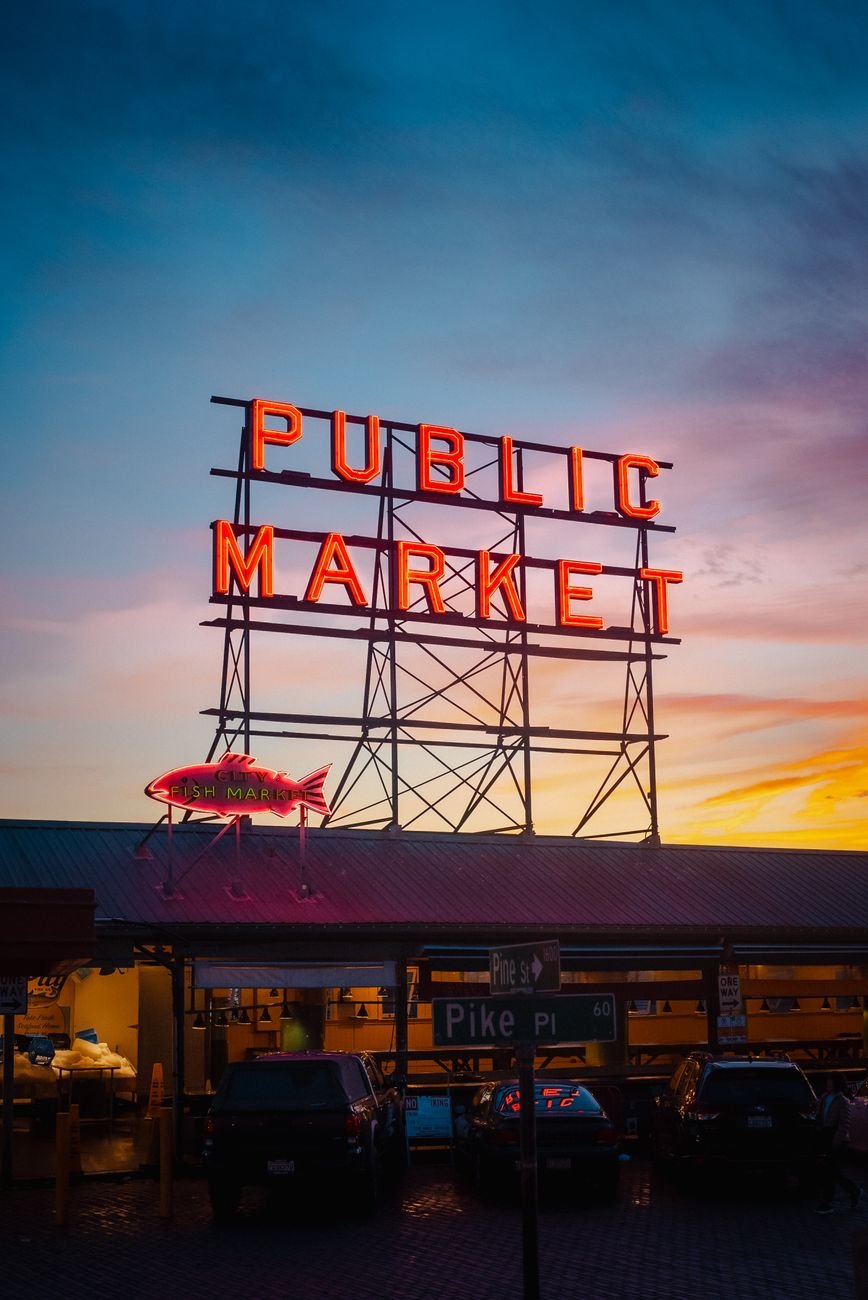
Pike Place Market is Seattle’s most famous attraction, a maze of stalls, shops and restaurants on several levels above the waterfront. It’s been running since 1907. By late morning, it’s packed shoulder to shoulder.
Get there around 8 or 9am, when the stalls are opening and the light is soft. Watch the fishmongers throw salmon, wander the lower levels and grab breakfast at a counter. A quick honest aside: the line at the “original” Starbucks is long and the coffee is the same as anywhere else. Look, take a photo, and move on.
5. The Space Needle isn’t the only view
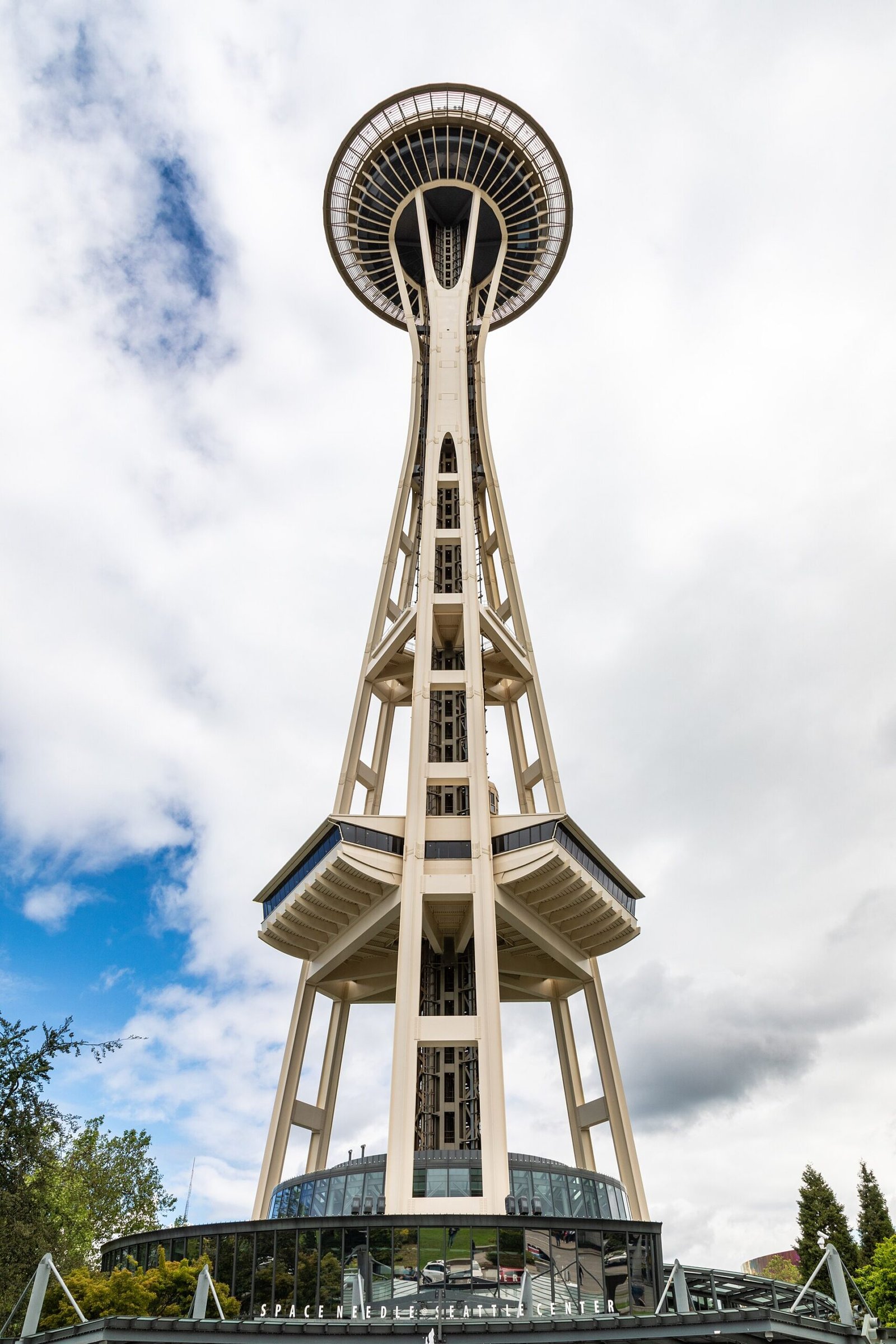
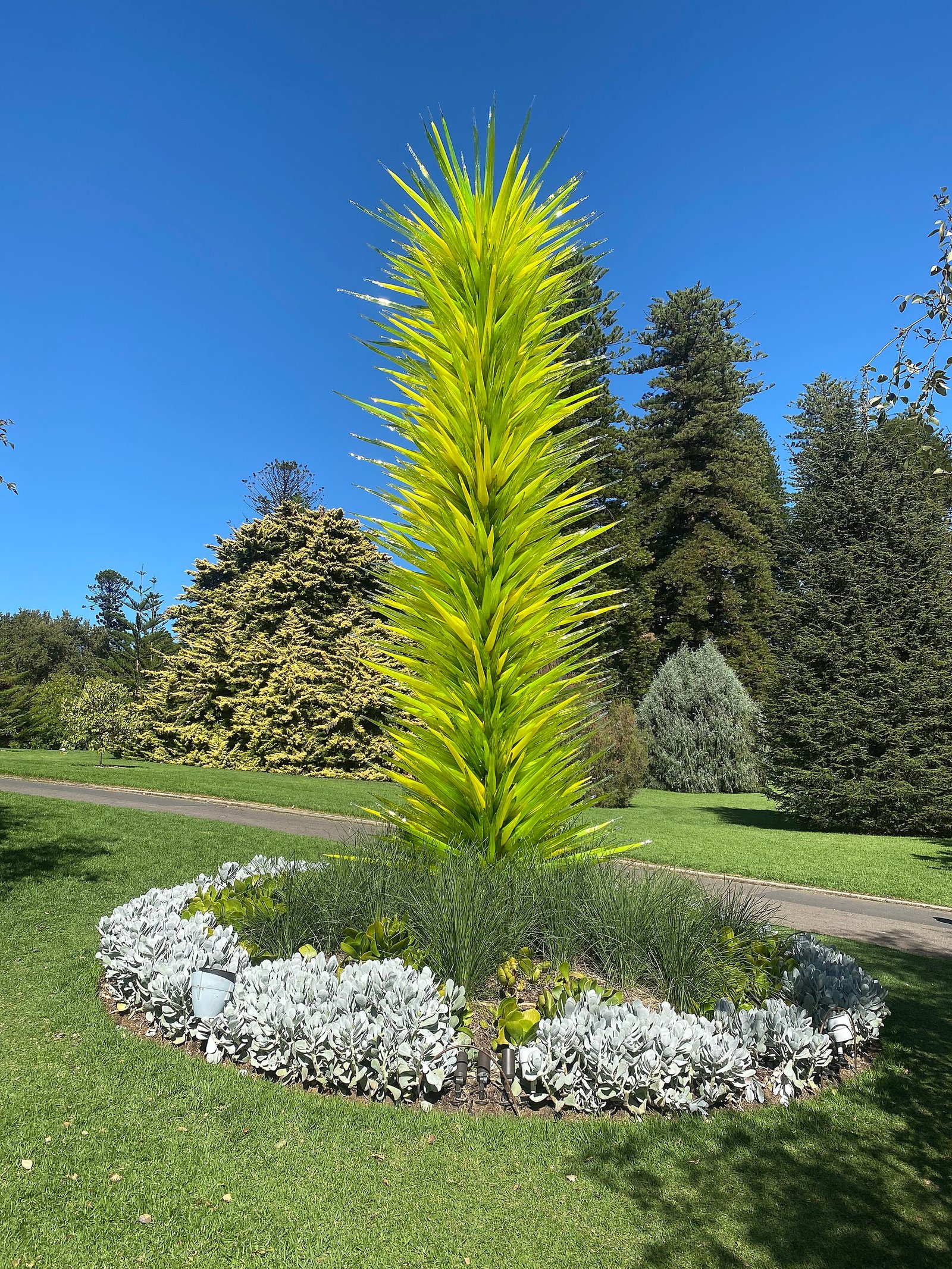
The Space Needle is iconic, and its rotating glass floor is fun. It’s also expensive and often busy. If you want to go up, buy a timed ticket online and pair it with Chihuly Garden and Glass next door, which is genuinely stunning.
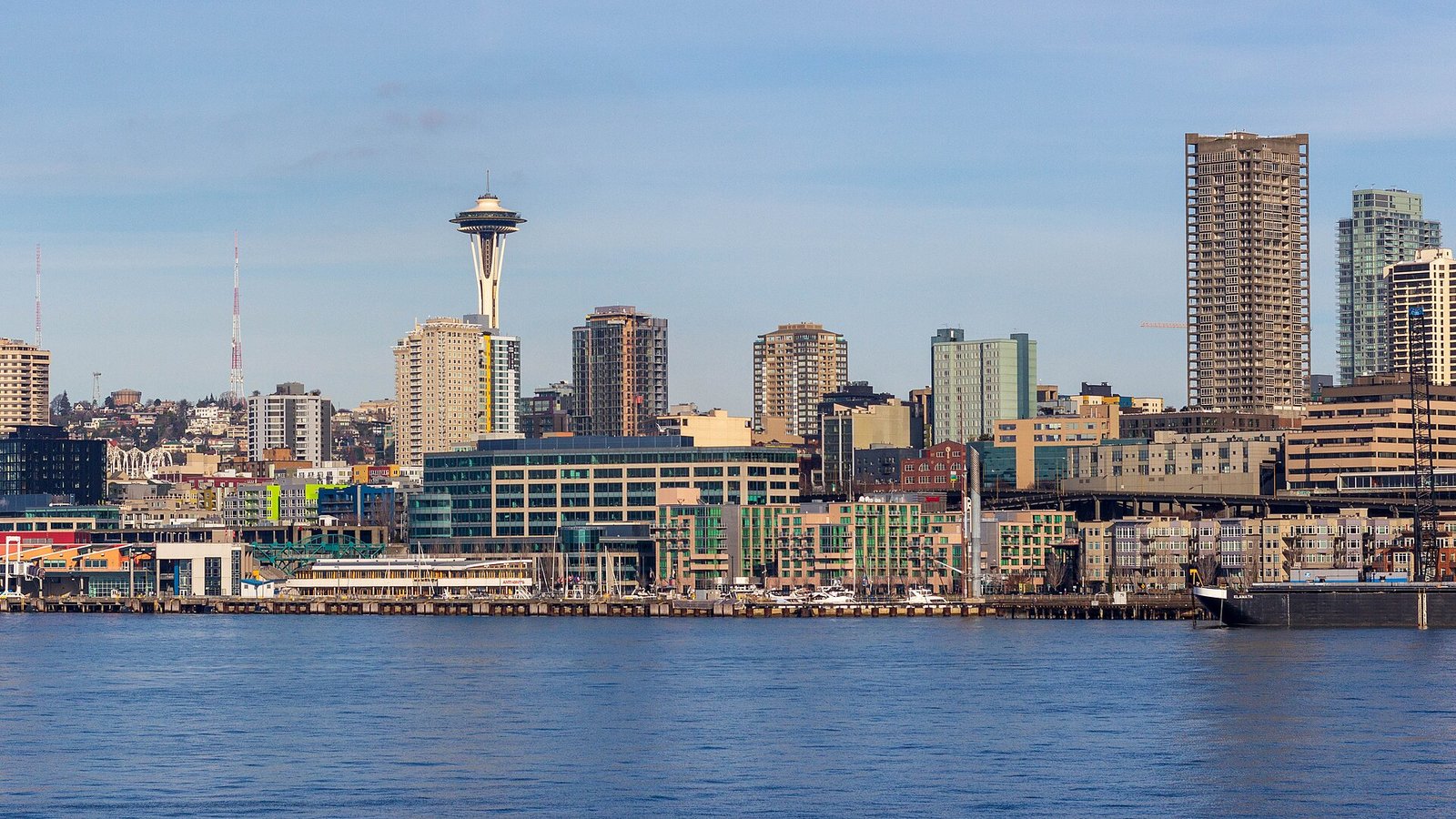
But here’s the secret: the classic postcard view of Seattle, with the Space Needle in front of downtown and Mount Rainier behind, is from Kerry Park on Queen Anne Hill. It’s free. Go at sunset. For a higher view, the Sky View Observatory on the Columbia Center is taller than the Needle and usually cheaper.
▶ Watch This Before You Go
6. Ride a ferry
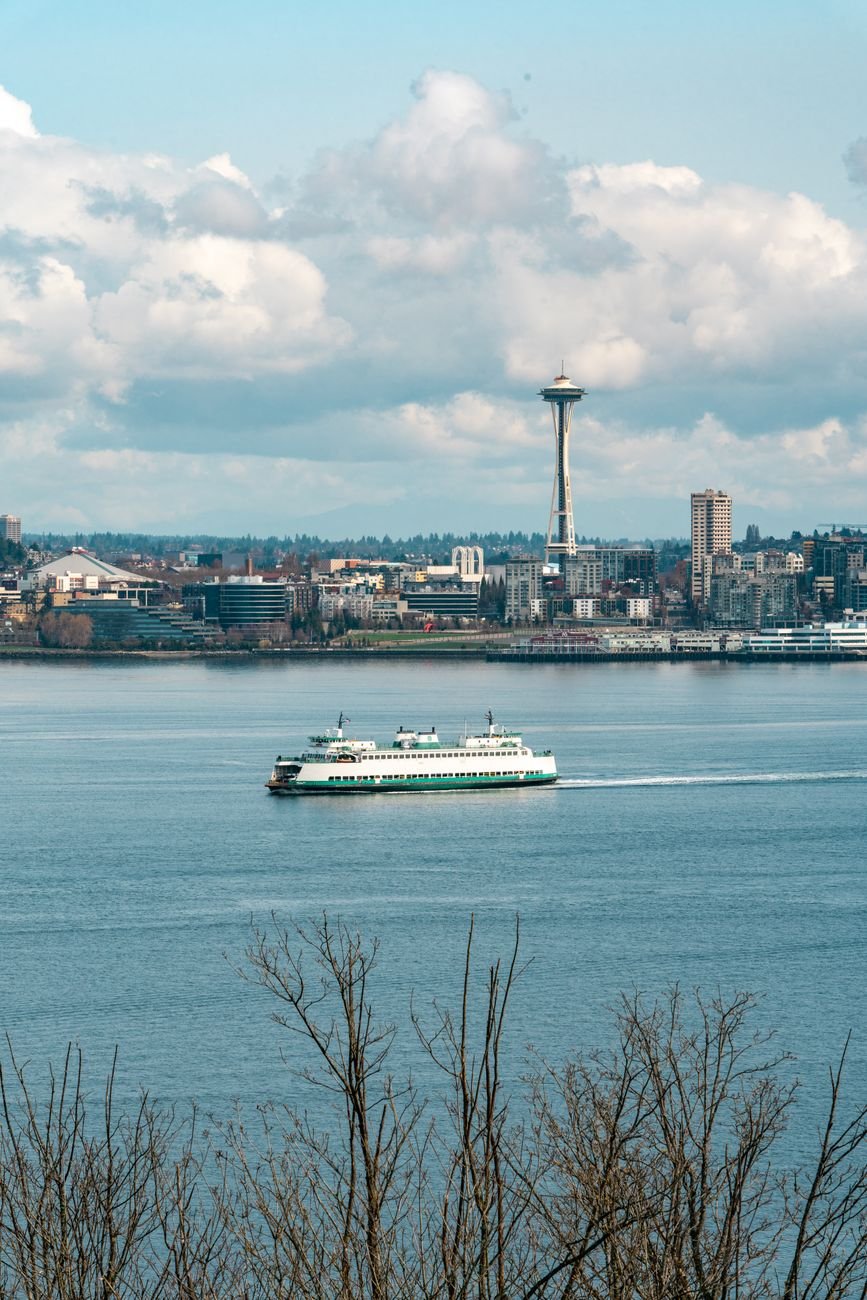
Seattle’s green and white ferries are part of the public transit system, and they’re the best-value sightseeing in the city. The ride to Bainbridge Island takes about 35 minutes and has amazing views of the skyline, the Olympic Mountains and, on clear days, Mount Rainier.
You only pay on the way out of Seattle, so a round trip costs about $10. Walk around Winslow, the small town by the ferry dock, have lunch and catch a boat back at sunset. It’s one of the nicest afternoons you can have here.
7. Mount Rainier plays hide and seek
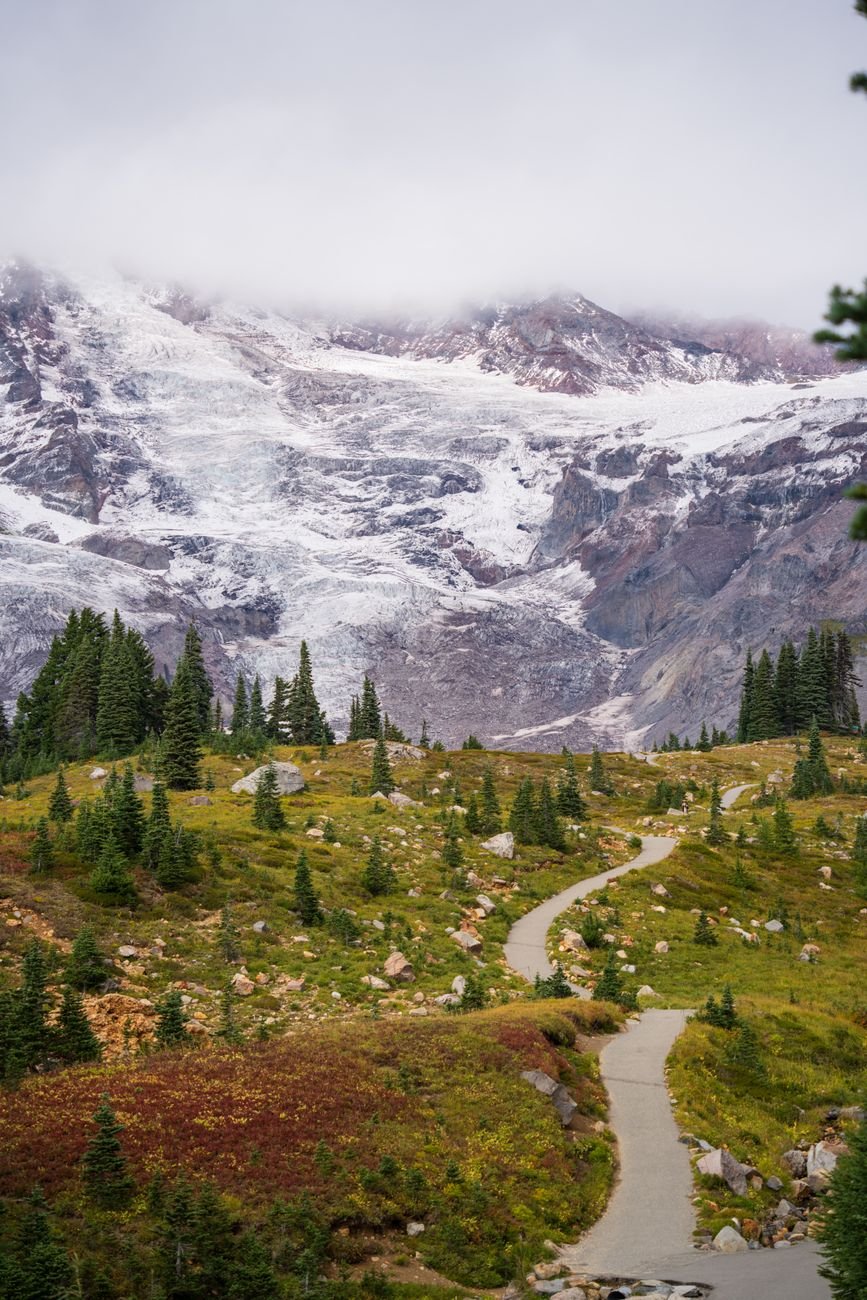
On a clear day, Mount Rainier looms over the city, a huge snow-covered volcano that looks impossibly close. Locals say “the mountain is out” when you can see it. On gray days, it vanishes completely, and you’d never know it was there.
If you want to visit Mount Rainier National Park, it’s about two and a half hours to Paradise, the main area on the south side. The wildflower meadows peak in late July and August. Check the forecast and go on a clear day, or you’ll drive all that way to see a cloud.
A few quick extras
Seattle’s food scene is excellent, especially seafood. Try oysters from the Puget Sound, smoked salmon and Dungeness crab. And yes, the coffee really is great. Skip the chains and try a local roaster.
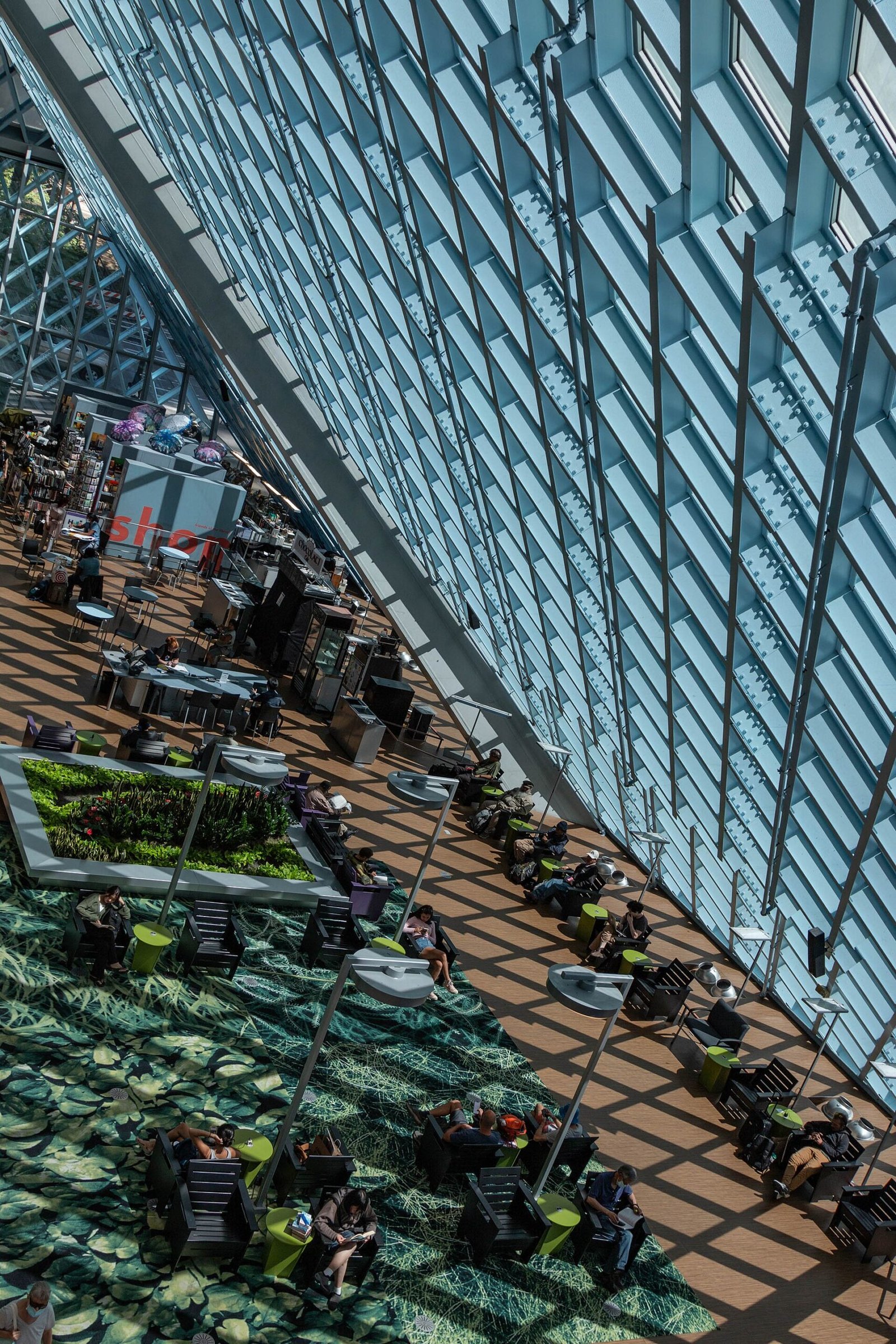
The Seattle Central Library downtown is worth a look even if you’re not a library person. Its glass and steel design is wild, and it’s free.
Kids and adults alike love the Fremont Troll, a giant concrete troll crushing a real Volkswagen Beetle under a bridge.
Give yourself time for the neighborhoods, too. Capitol Hill has the best bars and nightlife, Ballard has breweries and the Ballard Locks, where you can watch boats move between the lake and the sound, and Fremont is quirky and fun. Each one feels like a different small town, and they’re where Seattle locals actually spend their weekends.
Common questions
What’s the best month to visit Seattle?
July to September for dry, sunny weather. Late spring is nice, too, with fewer crowds.
How many days do I need?
Three days covers the city. Add a day or two for Mount Rainier or a ferry trip to the islands.
Is Seattle walkable?
Downtown and the main neighborhoods are, though the hills are tough. Use the light rail and buses for longer trips.
Is the Seattle CityPASS worth it?
If you plan to visit the Space Needle, the aquarium and Chihuly, it usually saves money.
Is Seattle safe for tourists?
Generally, yes. Like any big city, some downtown blocks feel rough, especially around Third Avenue at night. Stay aware and you’ll be fine.