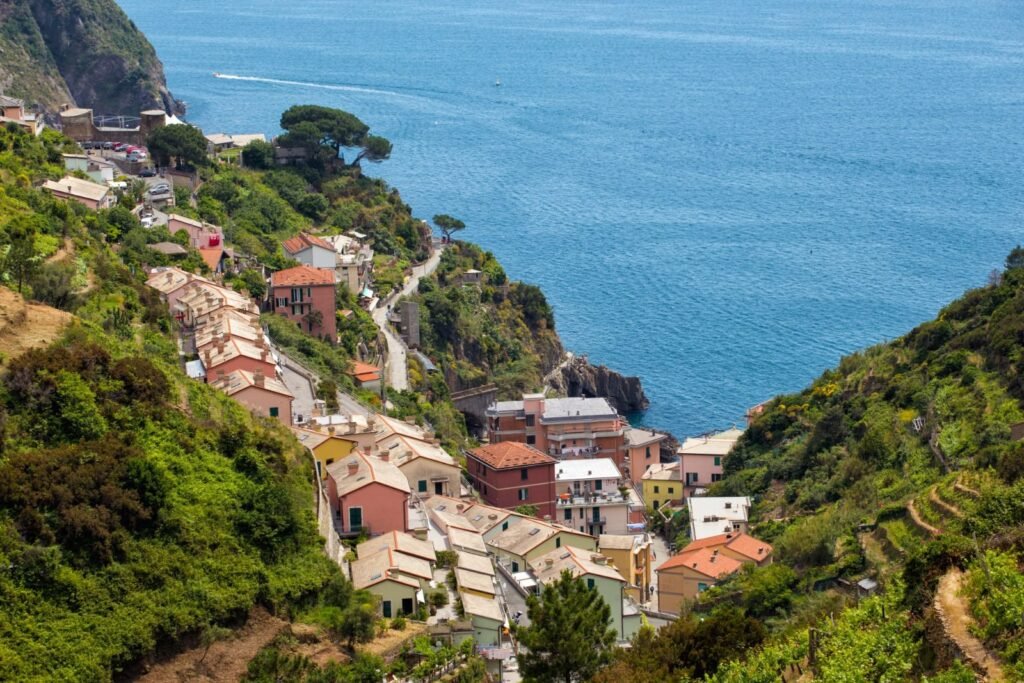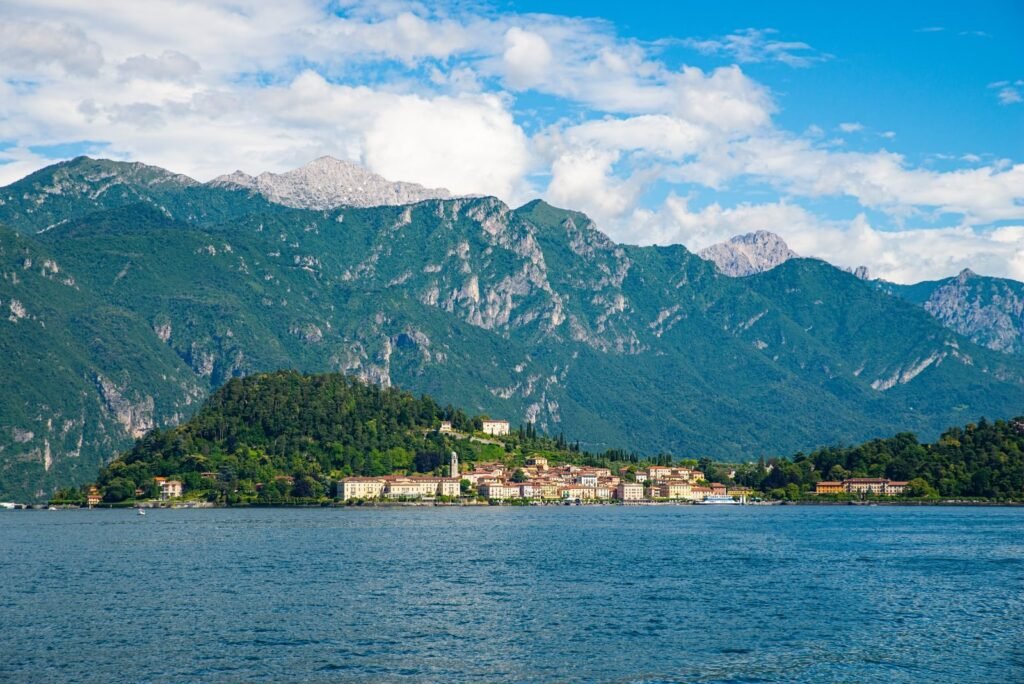
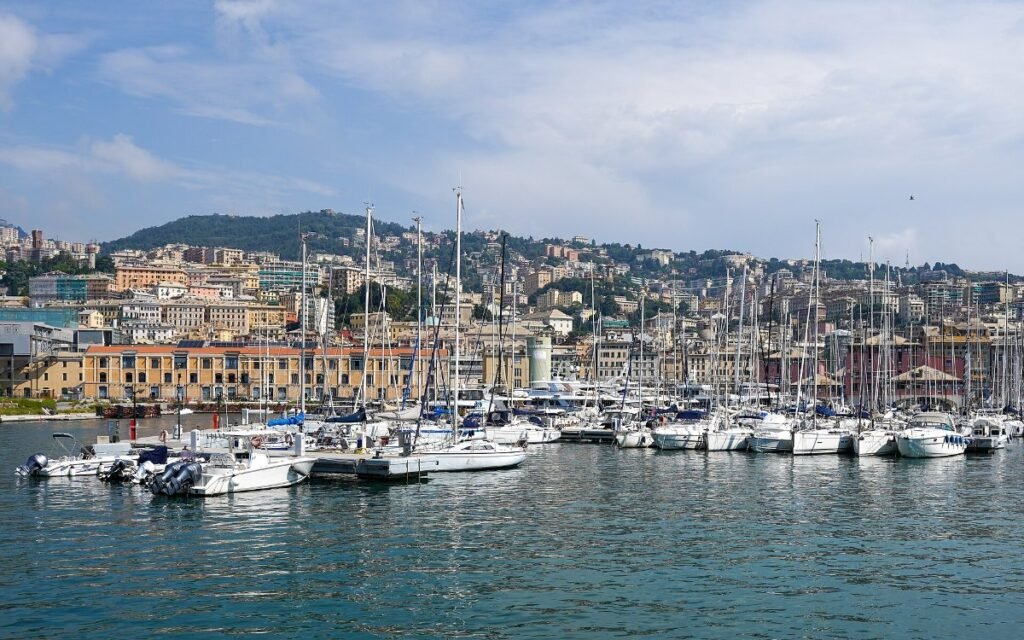
Genoa is the biggest port in Italy, it was once a maritime republic that rivalled Venice, and almost nobody stops there. People fly into it for the Cinque Terre, or drive past it towards Portofino, and the city itself gets an afternoon at most.
It deserves considerably better, and it’s the cheapest major city in northern Italy by a wide margin.
The old town is the largest in Europe
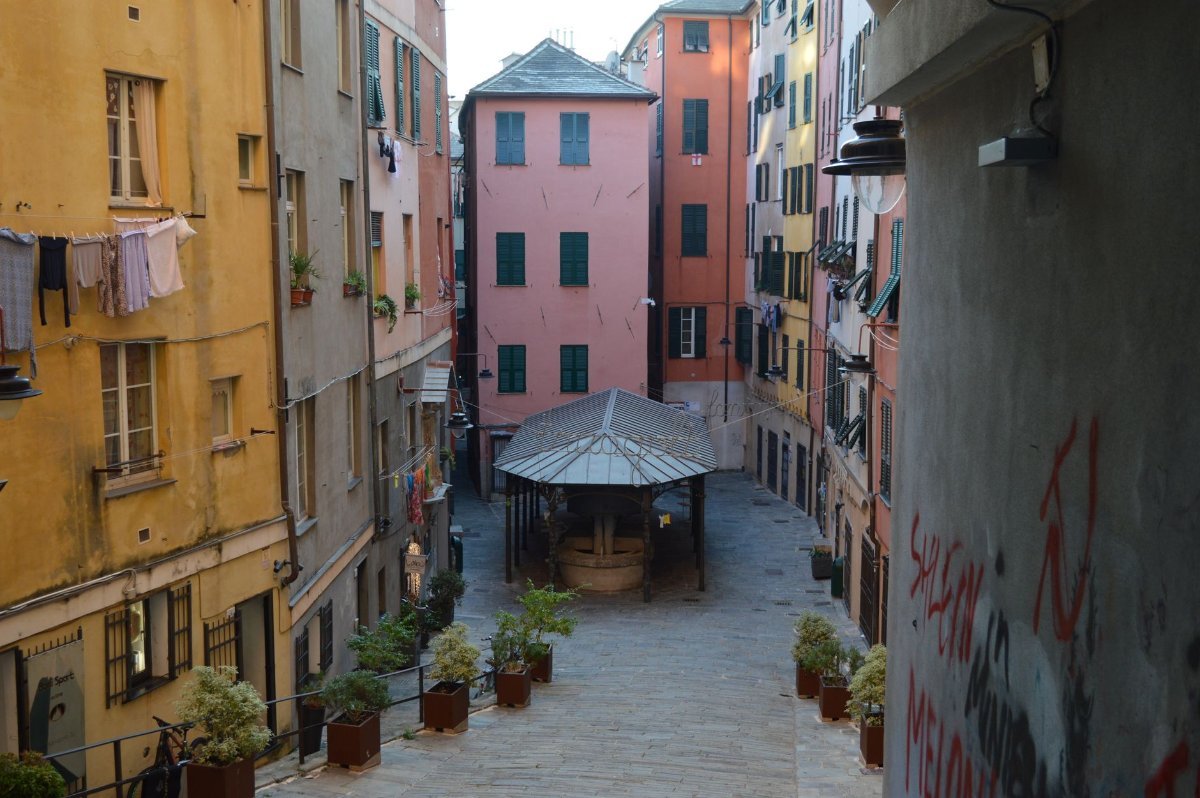
Genoa’s centro storico is a medieval maze of about 113 hectares — the largest surviving old town in Europe by area. The lanes are called caruggi and some are barely wide enough for two people.
It is genuinely disorienting, and that’s the appeal. You turn a corner from a dark alley hung with washing into a small square with a baroque church in it. Google Maps struggles; the GPS bounces off the buildings.
A practical note that locals will give you: the caruggi around the port change character after dark, particularly the streets around Via Prè and Via del Campo. It’s not dangerous in a dramatic sense, but stick to the busier lanes at night and you’ll have no issues.
The Rolli palaces are the thing to actually see
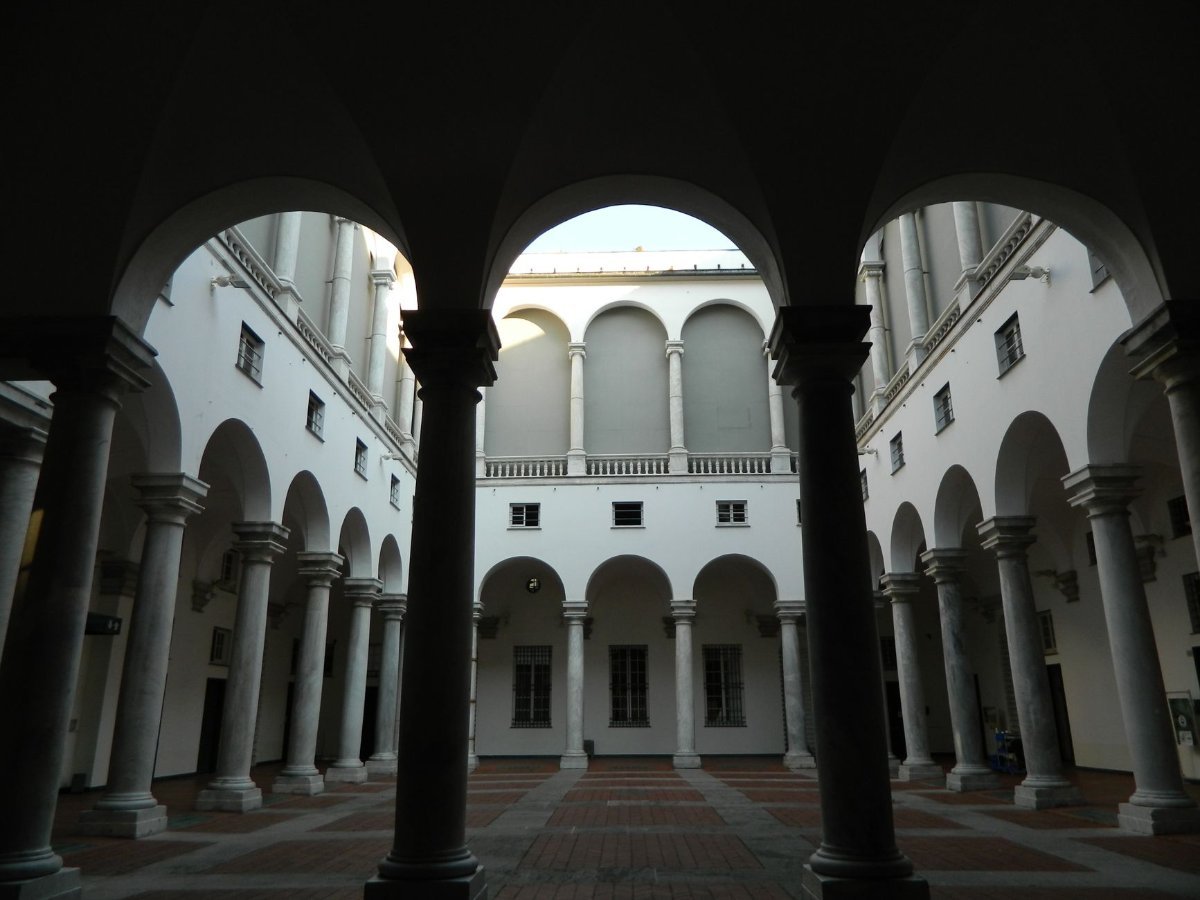
Here’s Genoa’s secret. In the 16th and 17th centuries the city’s noble families built enormous palaces, and the state kept an official list — the Rolli — of which ones were grand enough to host visiting dignitaries. When someone important arrived, a lottery decided whose house they’d stay in.
Forty-two of these palaces are now a UNESCO World Heritage Site, concentrated along Via Garibaldi. Three of them — Palazzo Rosso, Palazzo Bianco and Palazzo Doria-Tursi — form the Musei di Strada Nuova and hold work by Van Dyck, Rubens and Caravaggio. One ticket covers all three for around €9.
Van Dyck lived in Genoa for six years and painted the local aristocracy, so the collection here is unusually strong.
The wealth behind all this is worth a sentence, because it explains the scale of the buildings. Genoa’s bankers financed the Spanish crown through its imperial century, and for a stretch in the late 1500s the city was effectively the money market of Europe. The palaces on Via Garibaldi were built on that, and the sheer density of them in a few hundred metres is what makes the street feel so unlike the rest of the city around it.
Twice a year, on Rolli Days, palaces that are normally closed open to the public for free. If your dates can flex around that, do it.
The aquarium is the biggest in Italy
Ordinarily I’d tell you to skip the aquarium. Not here. Genoa’s, designed by Renzo Piano for the 1992 Columbus celebrations, is the largest in Italy and among the largest in Europe.
Around €31, and give it two to three hours. If you’re travelling with kids it’s the single easiest win in the city.
The whole Porto Antico around it was redeveloped by Piano, who is from Genoa. The Bigo panoramic lift gives you a view over the harbour.
Eat the pesto where it was invented
Pesto alla genovese comes from here, made with Ligurian basil (which is milder and smaller-leaved than most), pine nuts, garlic, pecorino, parmesan and local olive oil. Traditionally it goes on trofie or trenette with potato and green beans in the same pot, which sounds wrong and is excellent.
Focaccia genovese is the other one. Dimpled, oily, salty, eaten at any hour including breakfast, where locals dip it in cappuccino. Try it once before you judge.
Farinata — a thin chickpea-flour pancake baked in a copper pan. Street food, a couple of euros, superb.
Focaccia di Recco — from a town along the coast, this is two paper-thin layers of unleavened dough with stracchino cheese melted between them. It has protected status and it’s one of the best things in Italy.
Prices here are a fraction of Milan or Florence. A proper meal with wine runs €20 to €30.
▶ Watch This Before You Go
Boccadasse, and the coast either side
Boccadasse is a former fishing village swallowed by the city, about 20 minutes east of the centre on foot along the seafront promenade. Coloured houses stacked around a pebble cove, gelato, and locals sitting on the sea wall in the evening. It costs nothing and it’s the nicest hour you’ll spend here.
Beyond that, Genoa is the best base for the whole Ligurian coast:
- Camogli — 40 minutes east, tall painted houses and a proper beach.
- San Fruttuoso — a 10th-century abbey in a cove reachable only by boat or on foot.
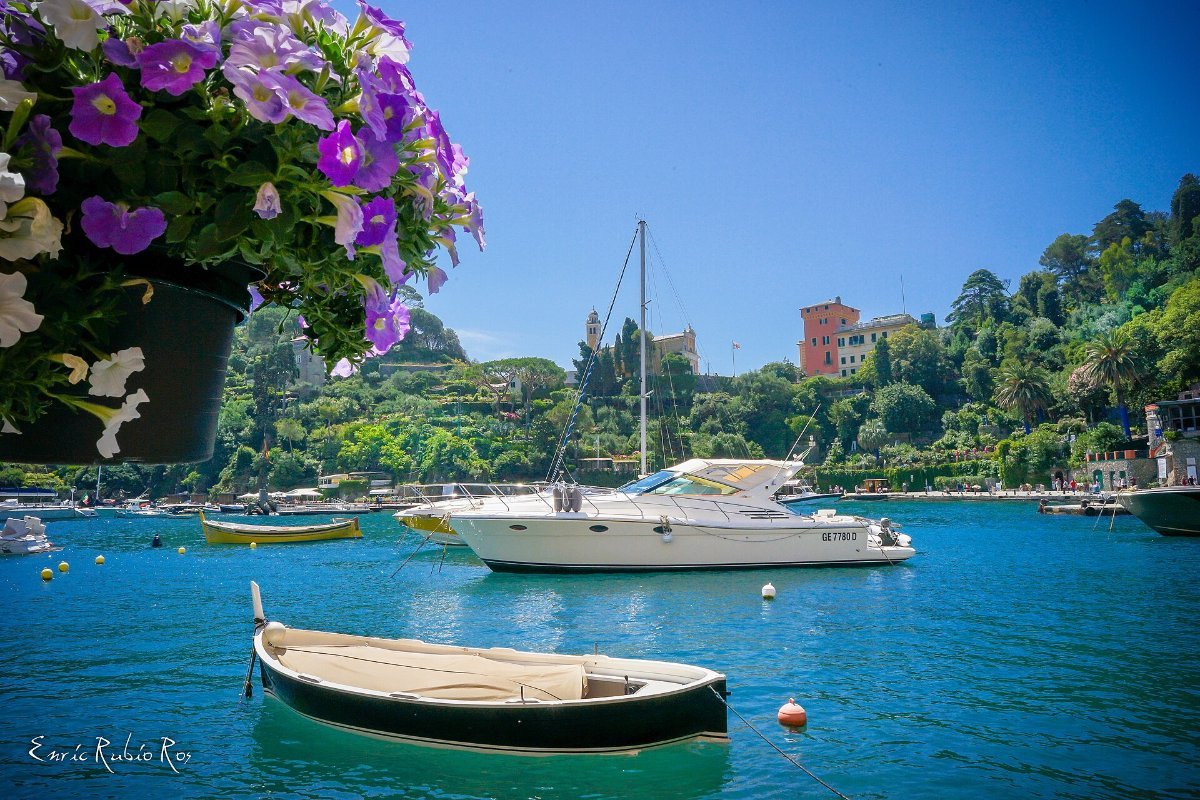
- Portofino — 45 minutes, tiny, extremely expensive, worth an afternoon.
- Cinque Terre — about 90 minutes by train, entirely doable as a day trip.
Practical bits
Genoa has its own airport, and it’s on the main rail line — 1 hour 45 from Milan, about 2.5 hours from Florence, 5 hours from Rome.
The city is built on hills against the sea, so there are public lifts and funiculars built into the streets, covered by the ordinary transit ticket. The Zecca-Righi funicular gets you up for the view.
Two full days does the city. Three or four if you’re using it as a base for the coast.
Best time: April to June and September to October. August is hot and humid and half the city is away. Winter is mild and very quiet.
FAQ
Is Genoa worth visiting on its own? For two days, yes, particularly if you like architecture and food and dislike crowds.
Is it a good base for the Cinque Terre? Very. Cheaper accommodation than La Spezia, direct trains, and a real city to come back to.
How does it compare to Venice? They were rivals for centuries. Venice is prettier and heaving; Genoa is grittier, cheaper and lived-in.
Is it safe? Yes, with normal city sense. The port-side alleys after dark are the one area to be a bit more deliberate about.
What’s the one thing not to miss? Via Garibaldi and the three palace museums, then focaccia di Recco.
Do people speak English? Less than in the main tourist cities. A little Italian goes a long way.