A week in Italy sounds impossibly short for a country with this much history, food, and scenery, but Rome, Florence, and Venice together deliver an incredible introduction if you plan the route smartly. This classic trio covers ancient ruins, Renaissance art, and canal-side charm without requiring you to choose just one region.
Here’s a complete 7-day itinerary hitting Rome, Florence, and Venice in one efficient loop.
None of this requires rushing through each city like a checklist. It just means being realistic about what three days versus two days actually allows.
Day 1: Arrive in Rome
Landing in Rome and easing into the city with a walk through the historic center sets a relaxed tone before diving into the bigger sights tomorrow. Trastevere’s cobblestone streets, filled with trattorias and ivy-covered buildings, offer a genuinely perfect first evening for jet-lagged travelers who need good food more than a packed schedule.
Is it worth pushing through jet lag to sightsee on arrival day? Genuinely, no, since a lighter first day sets up better energy for the more demanding days ahead.
Day 2: The Colosseum and Roman Forum
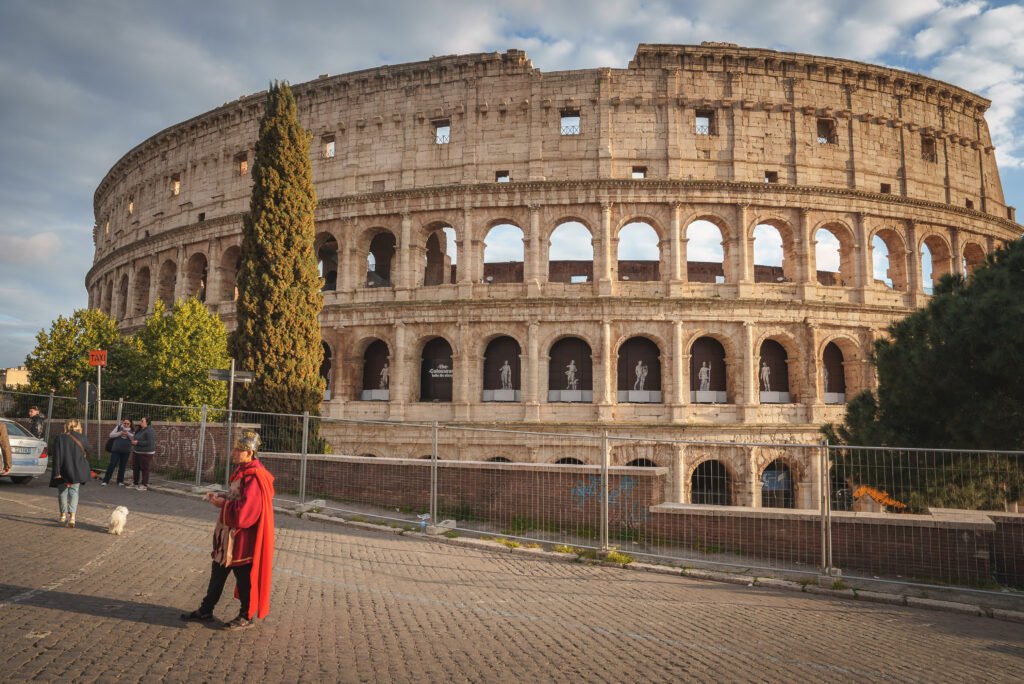
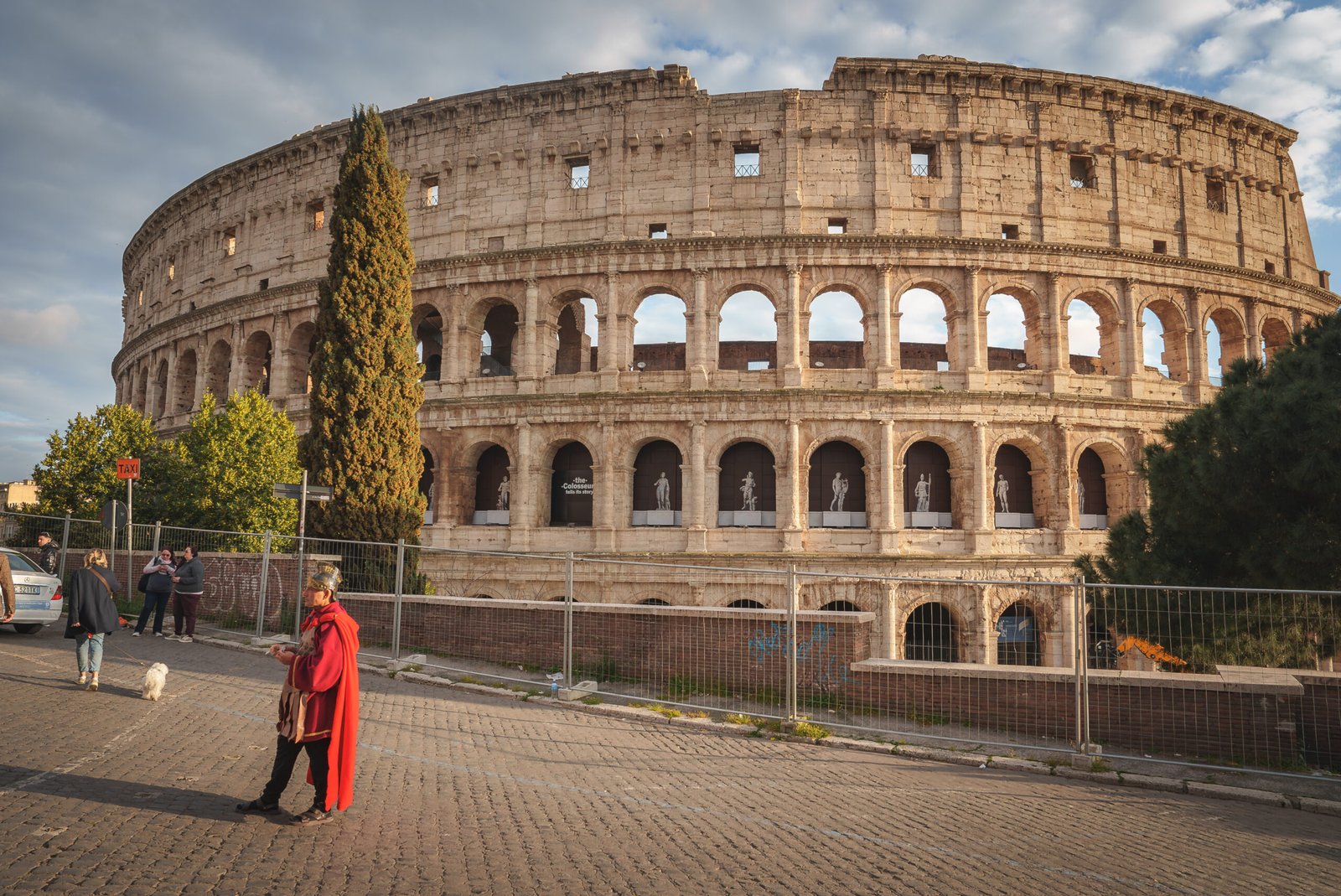
Dedicating your second day to ancient Rome, starting early at the Colosseum before the crowds and heat build, covers the city’s most essential historical core. Booking Colosseum tickets in advance, ideally with Forum and Palatine Hill access included, saves significant time compared to same-day ticket lines.
Real talk, this single day covers more historical density than almost anywhere else in Europe, and pacing yourself with breaks matters more than rushing between every ruin.
Day 3: Vatican City and Central Rome
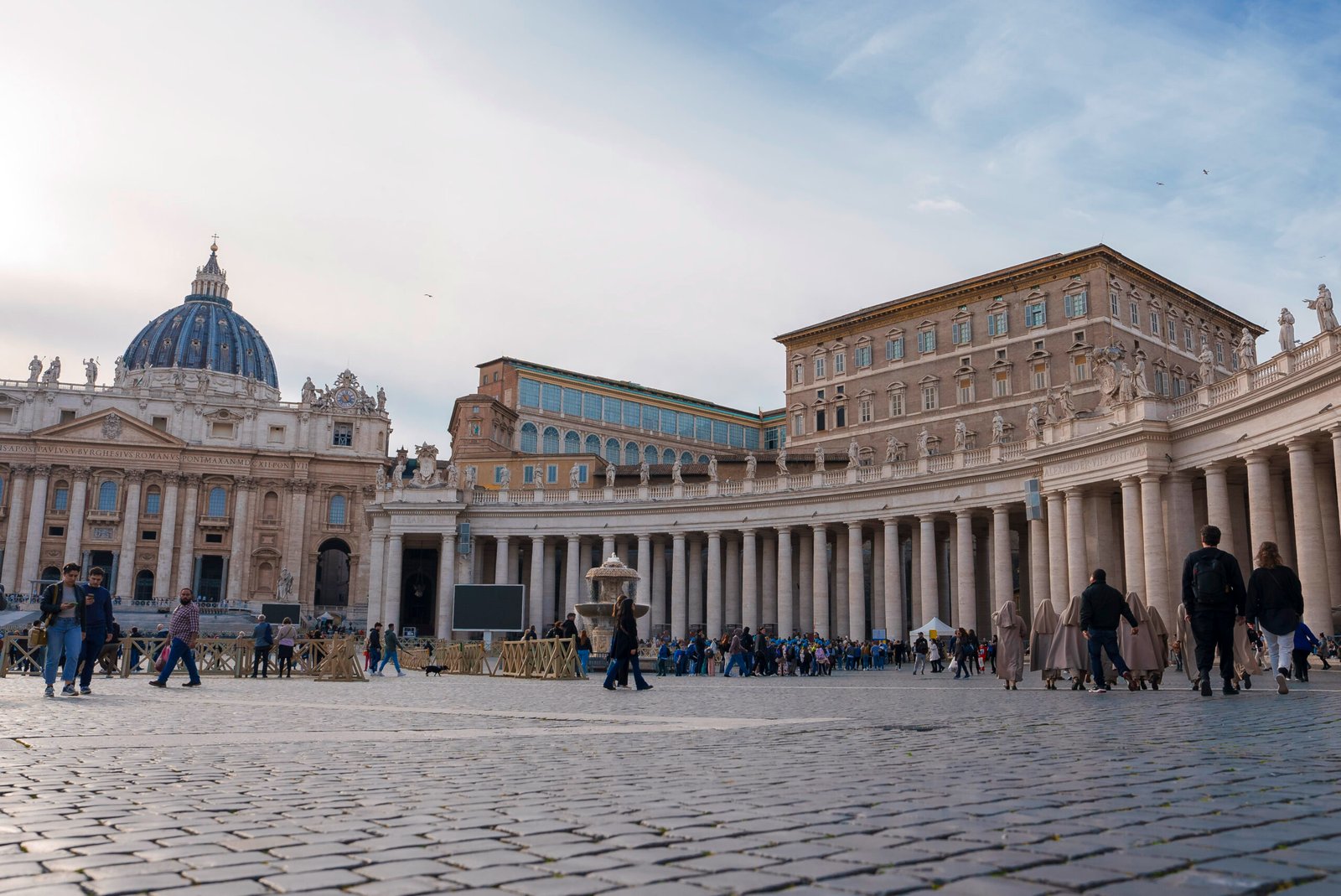
Spending your final Rome day at Vatican City, home to St. Peter’s Basilica and the Vatican Museums, delivers an entirely different scale of art and architecture than the previous day’s ruins. Sistine Chapel tickets booked well ahead avoid the notoriously long entry lines that catch unprepared visitors off guard.
A few practical things worth knowing before this Vatican day:
- Modest dress is required, meaning covered shoulders and knees for both the basilica and museums
- Morning entry slots consistently beat afternoon visits for smaller crowds
- The Trevi Fountain and Spanish Steps make a nice afternoon addition after finishing the Vatican
- Comfortable shoes matter enormously, given how much walking the Vatican Museums alone require
- Skip-the-line tickets are worth the extra cost for this specific stop above almost any other in Rome
Day 4: Travel to Florence and Explore
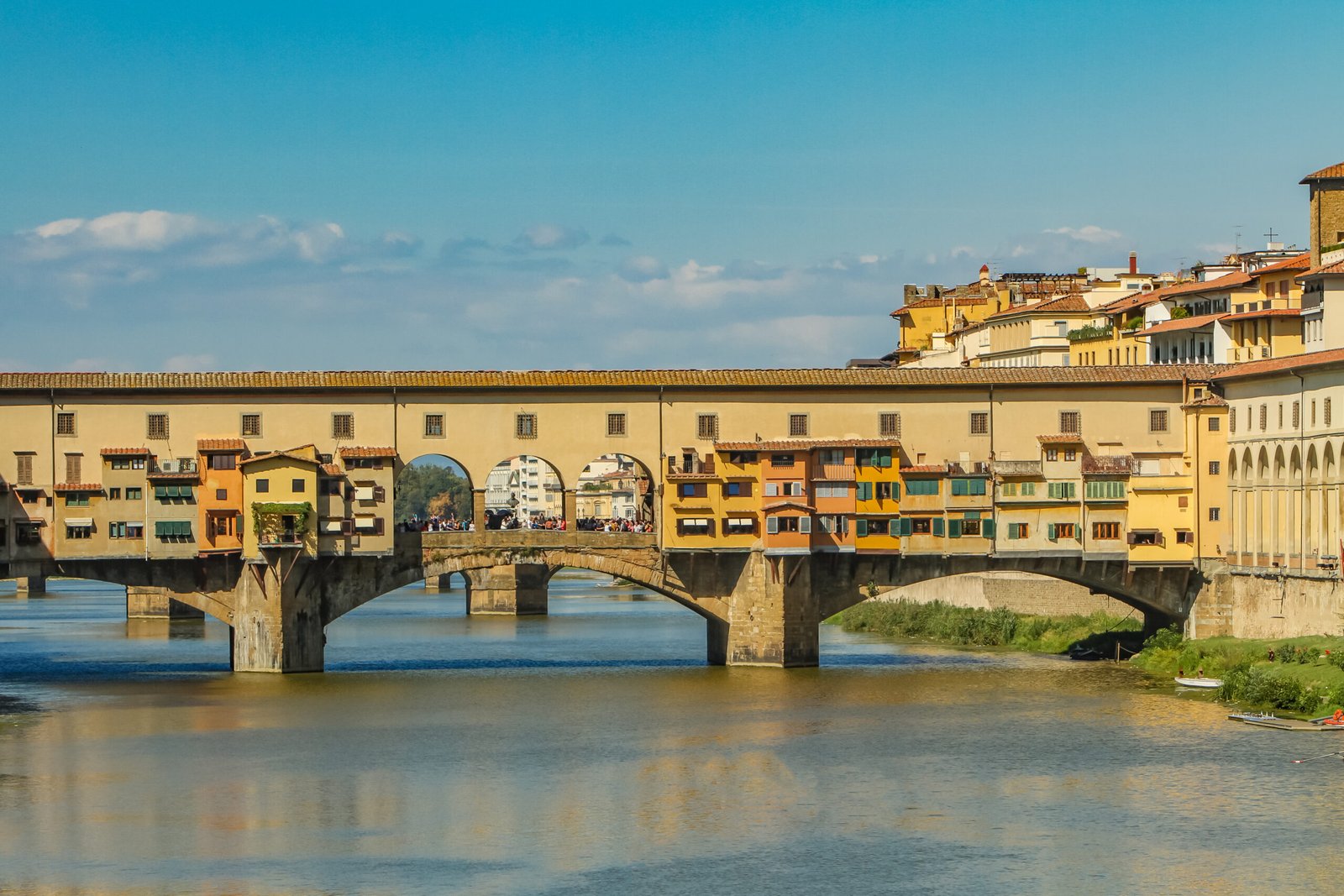
Taking the high-speed train from Rome to Florence, a journey of roughly ninety minutes, delivers you into Tuscany’s capital with most of the day still ahead for exploring. Wandering the Ponte Vecchio and Piazza della Signoria immediately reveals why Florence earns its reputation as a Renaissance treasure chest.
IMO the train ride itself counts as a highlight, since Italy’s high-speed rail makes city-hopping this efficiently feel almost too easy. 😅
Day 5: The Uffizi and Florence’s Art Highlights
Spending your full second Florence day at the Uffizi Gallery and other major art sites covers the city’s world-class Renaissance painting and sculpture collection. Booking Uffizi tickets ahead of time remains essential, since walk-up availability during peak season often means no entry at all that day.
Is one day enough for both the Uffizi and Michelangelo’s David at the Accademia? It’s genuinely tight, so prioritize whichever collection matters more to you and treat the other as a bonus if time allows.
Day 6: Travel to Venice and First Impressions
Taking the train from Florence to Venice, roughly two hours, delivers you into a city unlike anywhere else in Italy, built entirely around canals instead of streets. Arriving by water taxi or vaporetto from the train station immediately signals you’ve entered somewhere genuinely different.
Real talk, nothing quite prepares you for actually seeing Venice in person, no matter how many photos you’ve studied beforehand.
Day 7: St. Mark’s Square and the Canals
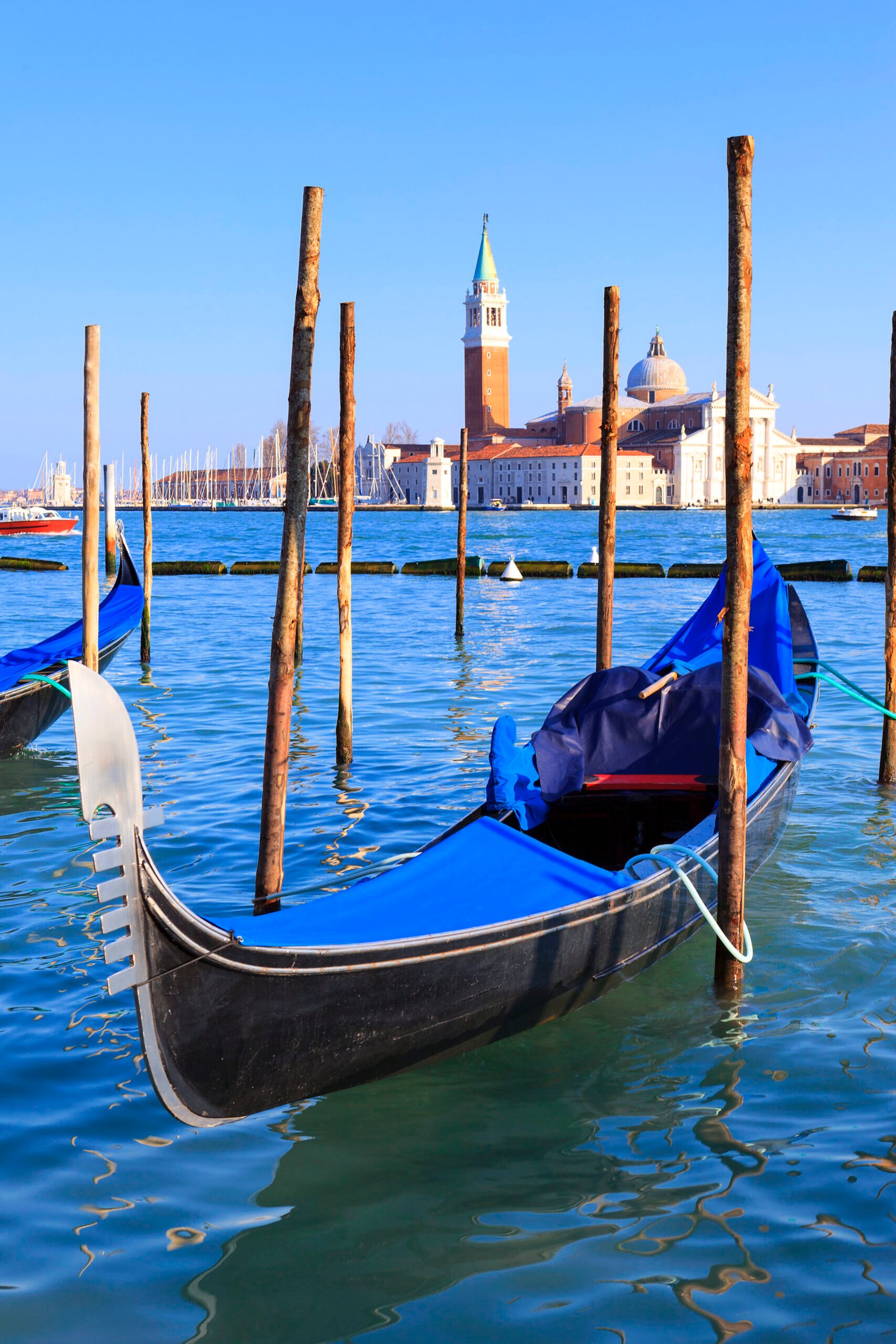
Dedicating your final full day to St. Mark’s Square, the Doge’s Palace, and simply getting lost in Venice’s maze of smaller canals delivers the city’s essential experience. A gondola ride, while touristy, remains a genuinely worthwhile splurge for experiencing the canals from water level at least once.
Is a gondola ride overpriced for what you get? It costs real money, but the perspective on Venice’s architecture from the water justifies it as a once-per-trip experience rather than a daily habit.
Getting Between the Three Cities
Italy’s high-speed rail network connects Rome, Florence, and Venice efficiently, with journey times short enough that train travel beats flying once you factor in airport time. Booking train tickets a few weeks ahead typically secures better prices than last-minute purchases, especially during busier travel seasons.
This train-based structure keeps your week focused on actually experiencing each city, rather than losing hours to airport security and transfers between stops.
Where to Stay in Each City
Choosing centrally located accommodation in each city matters enormously for a trip this tightly scheduled, since long commutes eat into already limited sightseeing time. Staying near each city’s main train station balances convenience for arrivals and departures against reasonable walking distance to major sights.
This central-location strategy pays off most in Venice specifically, where navigating the city with luggage becomes genuinely challenging if you’re staying somewhere poorly connected.
What to Eat in Each City
Each city brings distinct culinary specialties worth prioritizing, from Rome’s carbonara and supplì to Florence’s bistecca alla fiorentina and Venice’s fresh seafood and cicchetti. Trying each city’s signature dishes, rather than defaulting to familiar pasta everywhere, rewards you with a genuinely varied culinary tour across the week.
This regional food variation alone justifies the effort of covering three different cities instead of settling into just one for the full week.
Adjusting This Itinerary for More Time
Travelers with an extra two or three days should consider adding a Tuscan countryside day trip from Florence or extending Venice with a visit to the nearby islands of Murano and Burano. These additions, while not essential, round out the classic Italy experience with slower-paced, less crowded scenery.
Is squeezing all three cities into exactly seven days realistic, or does it feel rushed? It moves quickly, but this specific split gives each city enough dedicated time to feel like a real visit rather than a drive-by stop.
Best Time of Year for This Itinerary
April through June or September through October deliver Italy’s most comfortable weather for this itinerary, avoiding both summer’s overwhelming heat and crowds. Winter works too, especially for Venice’s quieter, moodier atmosphere, though some outdoor sights and Tuscan countryside stops lose some appeal in colder months.
Whatever season you choose, booking major museum and gallery tickets in advance matters regardless, since popular sites fill up even during shoulder season.
What This Trip Actually Costs
Budget $150-220 per day for a comfortable mid-range trip covering trains, hotels, museum tickets, and meals across all three cities. This runs higher than a single-city trip, given the added train costs and each city’s individually priced major attractions.
Prioritizing advance tickets for the Vatican, Uffizi, and any skip-the-line options stretches this budget further by avoiding wasted time and last-minute premium pricing.
Rome, Florence, and Venice together deliver Italy’s essential greatest hits in one efficient week, covering ancient history, Renaissance art, and canal-side charm across three genuinely distinct cities. Book your trains and major museum tickets well ahead, pace each city realistically, and you’ll experience a week that captures why Italy remains one of the world’s most rewarding travel destinations.