
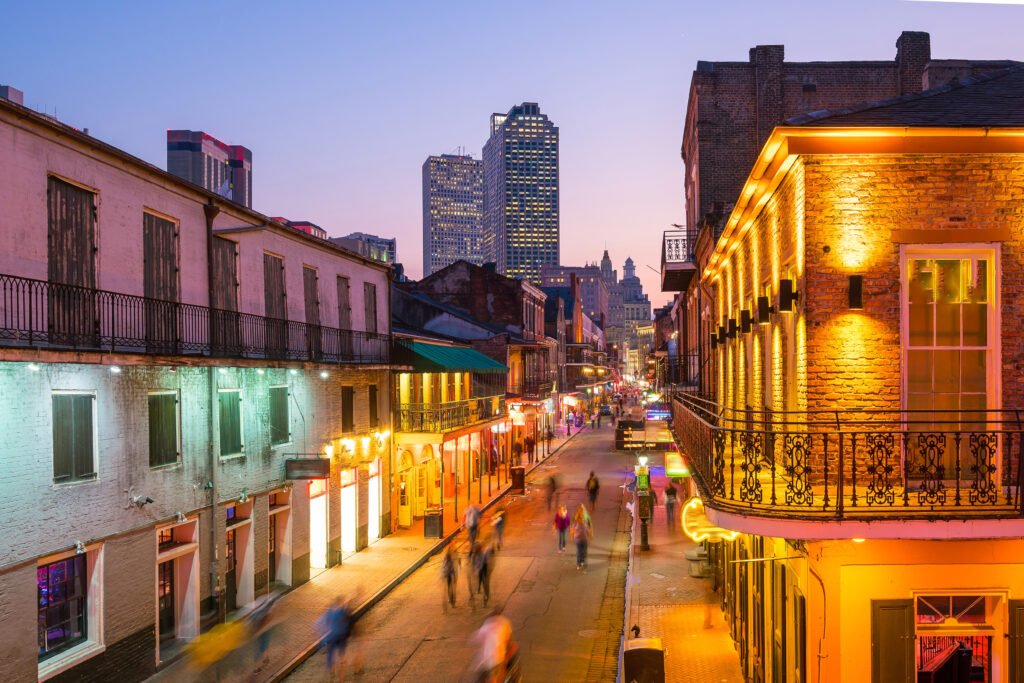
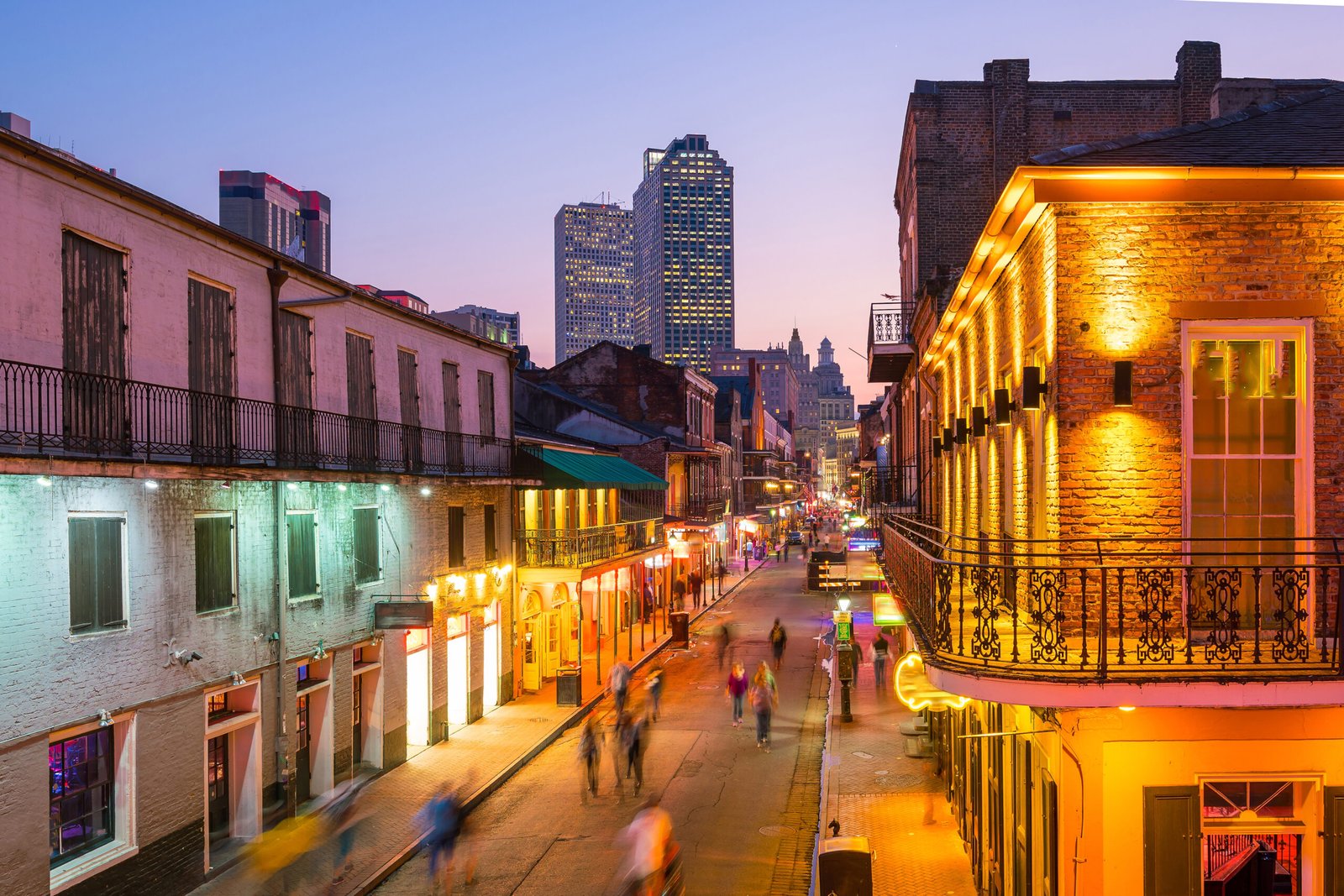
New Orleans delivers so much more than the neon-lit chaos of Bourbon Street, and travelers who never venture beyond it miss the genuine soul of this city. The neighborhoods surrounding the French Quarter hold the food, music, and history that actually define New Orleans.
Here’s a complete guide to experiencing the city well beyond its most famous, and most touristy, stretch.
None of this means skipping Bourbon Street entirely. It just means treating it as one small piece of a much bigger, better puzzle.
The Garden District’s Historic Beauty
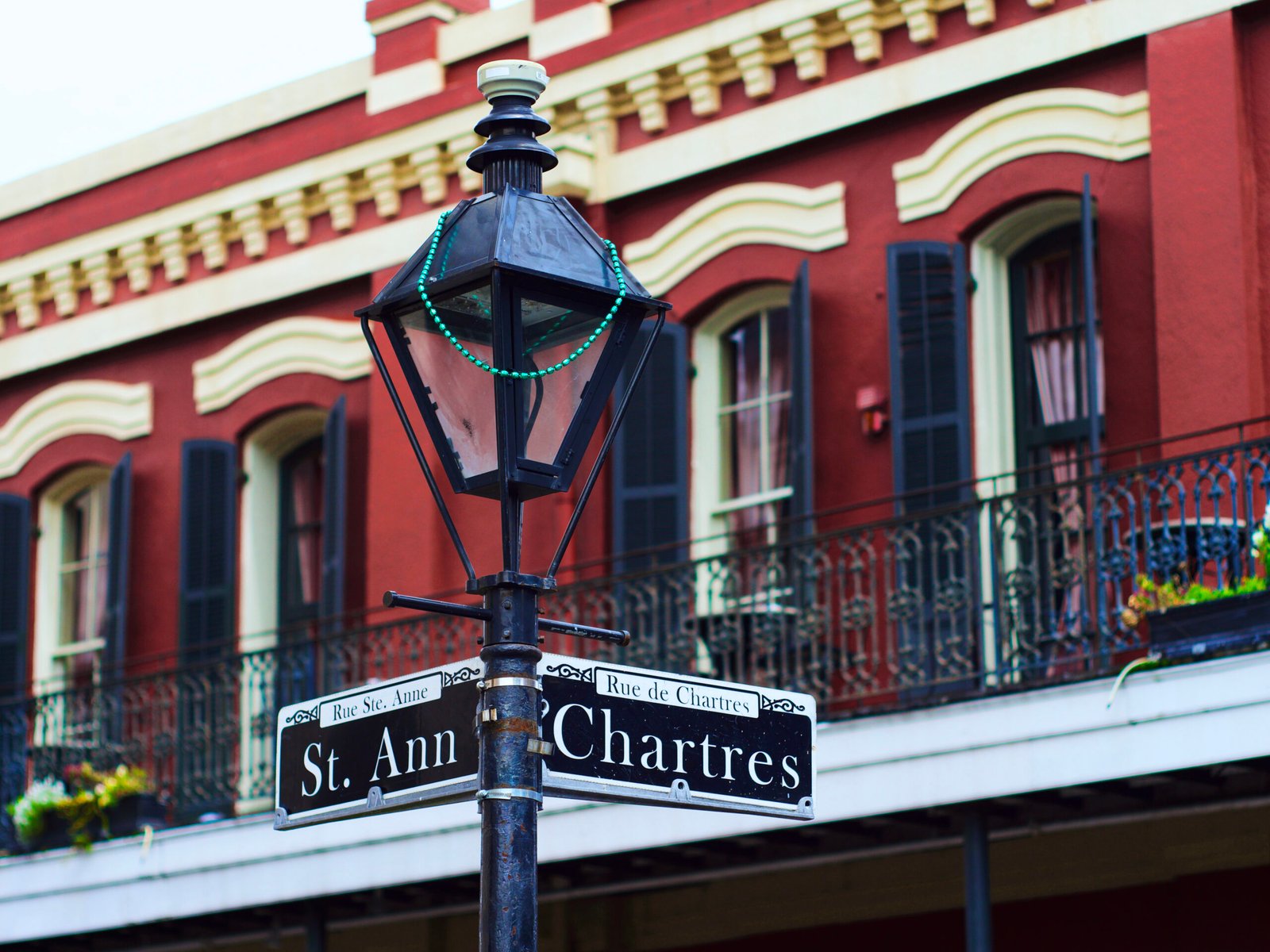
The Garden District’s oak-lined streets and stunning antebellum mansions offer a completely different New Orleans experience from the French Quarter’s density and noise. A self-guided walking tour through this neighborhood costs nothing and delivers some of the most photogenic architecture in the entire South.
Lafayette Cemetery No. 1, with its above-ground tombs reflecting the city’s unique burial traditions, sits right in the heart of this neighborhood and rewards a quiet wander. Real talk, the contrast between the Garden District’s calm and Bourbon Street’s chaos genuinely surprises first-time visitors who only planned for the latter.
Frenchmen Street for Real Live Music
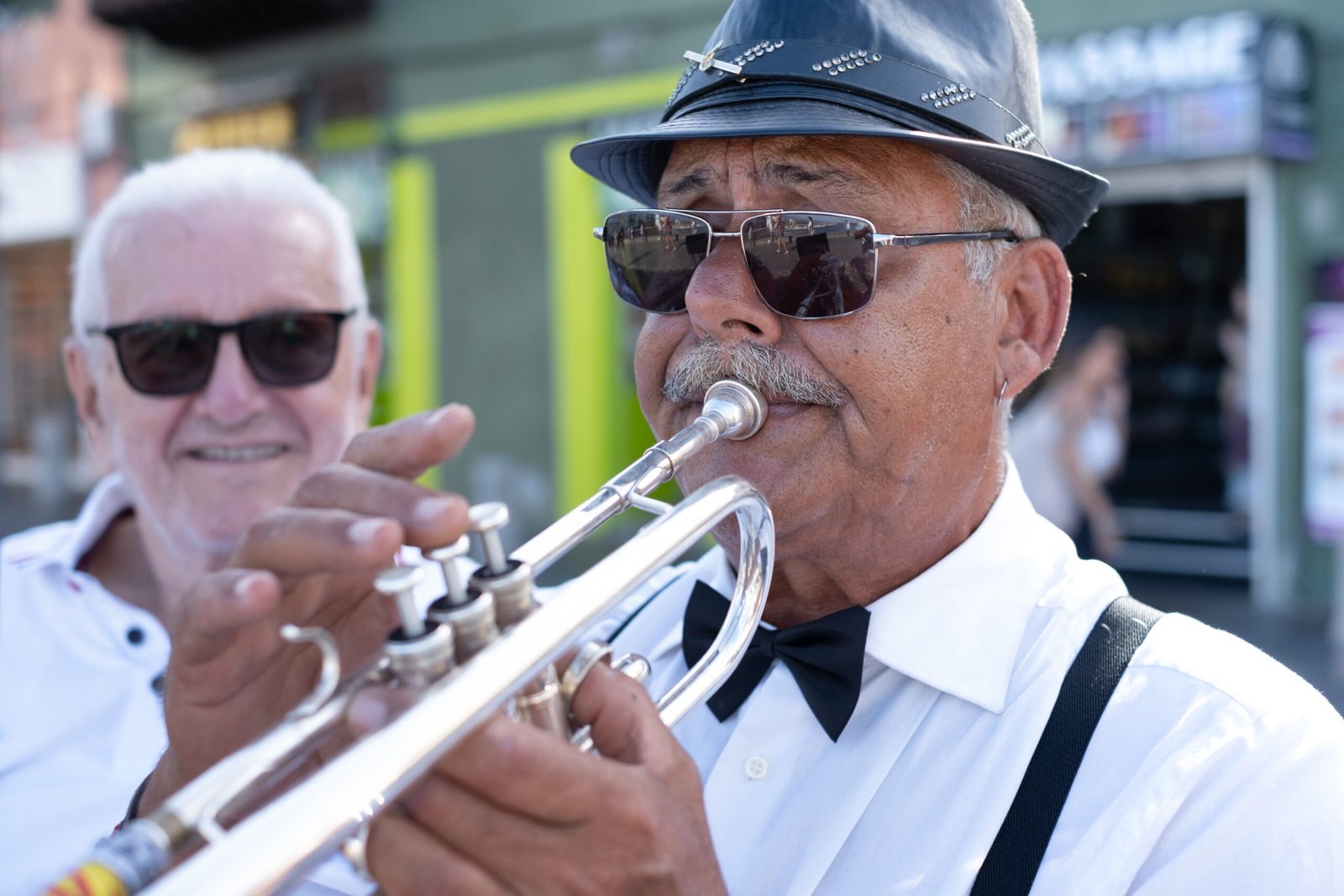
Frenchmen Street, just outside the French Quarter’s edge, delivers the live music experience that Bourbon Street’s tourist-focused bars can’t match. Local musicians and genuine jazz clubs line this short stretch, drawing a mix of locals and visitors who actually care about the music itself.
Is Frenchmen Street busy too? Genuinely, yes, especially on weekends, but the crowd here comes for the music rather than for chaos, creating a noticeably different atmosphere.
The Mississippi Riverfront and Streetcars
Riding the historic streetcars, particularly the St. Charles Avenue line, offers a scenic and genuinely practical way to see the Garden District and Uptown neighborhoods. A day pass costs very little and lets you hop on and off freely as you explore different stops along the route.
The riverfront itself, with walking paths along the Mississippi, provides a quieter counterpoint to the density of the French Quarter just blocks away. A few practical things worth knowing about getting around beyond Bourbon Street:
- The St. Charles streetcar connects downtown to the Garden District and Uptown efficiently
- Walking remains entirely viable within most neighborhoods given how compact the city is
- Rideshare apps work reliably and cost little for longer hops between distant neighborhoods
- Bike rentals offer a flexible way to cover more ground than walking alone
- Ferry rides across the Mississippi deliver skyline views at essentially no cost
City Park and the Sculpture Garden
City Park, significantly larger than Central Park, houses the New Orleans Museum of Art alongside a genuinely stunning sculpture garden set among ancient oak trees. The sculpture garden specifically offers a peaceful, artistic counterpoint to the city’s louder attractions, and admission remains free.
IMO wandering the sculpture garden’s shaded paths ranks among the most underrated things to do in the entire city, especially if you need a break from the Quarter’s constant energy. 😅
The National WWII Museum
The National WWII Museum, widely regarded as one of the best museums of its kind in the country, delivers a genuinely moving and comprehensive experience worth a full afternoon. This museum sits well outside the French Quarter’s tourist bubble, drawing visitors specifically for its content rather than its location.
Real talk, this museum surprises people who didn’t expect a world-class historical institution to anchor part of their New Orleans trip, but it consistently ranks among visitors’ trip highlights.
Eating Beyond the Tourist Traps
New Orleans’ food scene extends dramatically beyond the overpriced, mediocre restaurants that cluster around Bourbon Street specifically targeting tourists. Neighborhood spots in Mid-City, Uptown, and the Bywater consistently deliver better food at better prices than anything directly on the main tourist strip.
Po’boys, gumbo, and jambalaya taste noticeably better away from the tourist-focused kitchens, a pattern that holds true across nearly every heavily touristed food destination.
The Bywater and Its Arts Scene
The Bywater neighborhood, downriver from the French Quarter, has developed a genuine arts and music scene distinct from the more polished, tourist-oriented parts of the city. Colorful shotgun houses and independent galleries give this neighborhood a distinctly local, unpolished character.
Is the Bywater worth the trip from the main tourist areas? Genuinely, yes, if you want a sense of how creative locals actually live and work in this city.
Swamp Tours and Nature Beyond the City
A swamp tour, whether by airboat or a quieter paddle option, delivers a genuinely different side of Louisiana just a short drive from downtown New Orleans. Spotting alligators and cypress trees in their natural habitat adds a completely different texture to a trip otherwise focused on food and music.
Booking a smaller, quieter tour rather than a large loud airboat group tends to deliver a more genuine wildlife-watching experience for anyone specifically hoping to see alligators up close.
What’s Overrated on Bourbon Street Itself
Bourbon Street’s late-night bar scene delivers exactly what its reputation promises, loud chaos and overpriced drinks, without much beyond that surface-level experience. It’s worth a walk-through for the atmosphere, but don’t expect the city’s best food, music, or culture concentrated there.
Day Trips Worth Adding to Your Itinerary
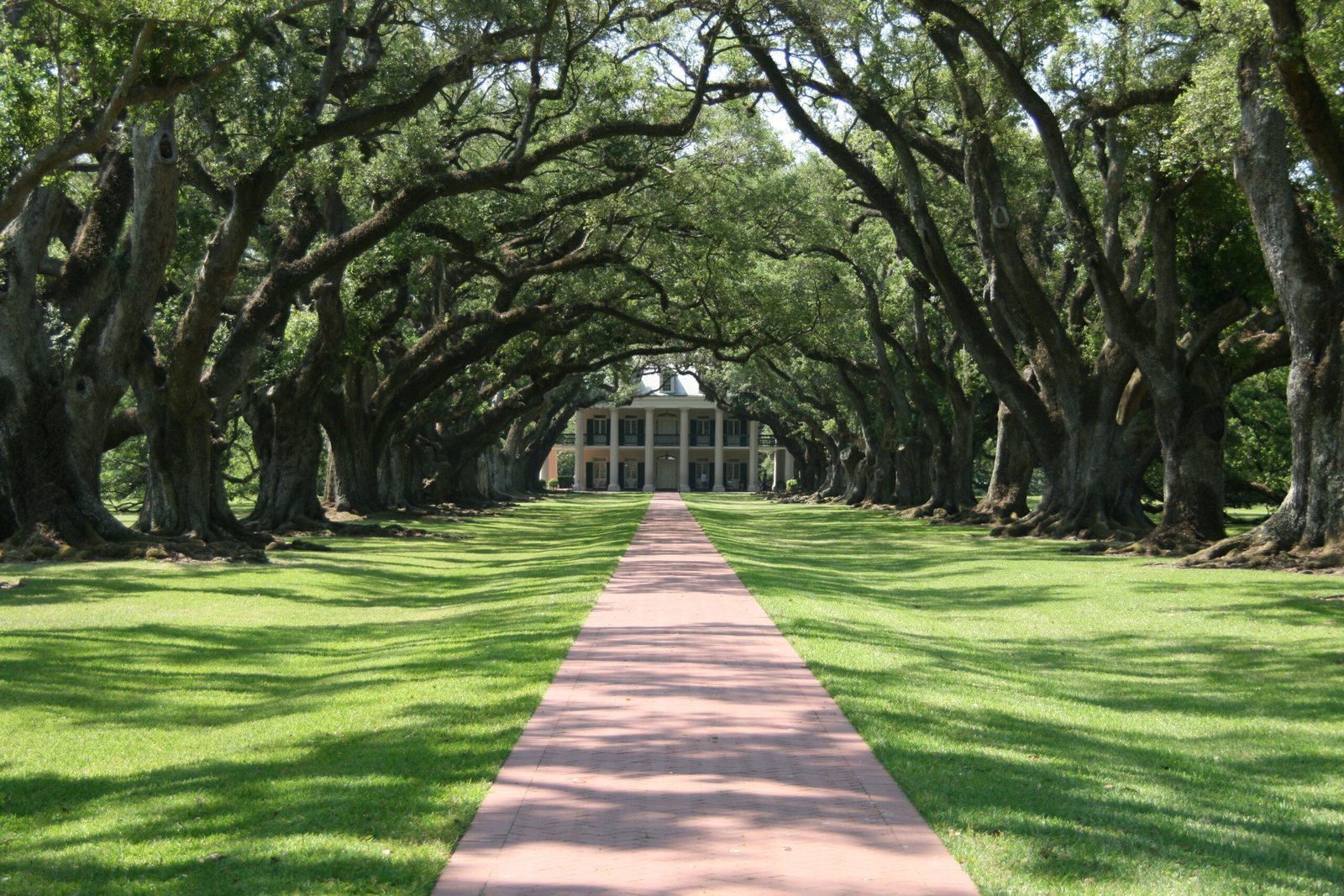
Plantation tours along the River Road, roughly forty-five minutes from the city, offer an important and sobering counterpoint to the food-and-music focus of most New Orleans trips. The Whitney Plantation specifically centers its tour on the experiences of enslaved people rather than the antebellum architecture alone, delivering a genuinely important historical perspective.
Baton Rouge, Louisiana’s capital, makes for a reasonable half-day trip if you’re curious about a different side of the state beyond New Orleans itself. Is a day trip worth cutting into your city time? If history and a broader sense of Louisiana interest you, absolutely, since these trips add genuine depth beyond the city’s core attractions.
Shopping Away from the Tourist Strip
Magazine Street, stretching for miles through the Garden District and Uptown, delivers a genuinely great shopping experience built around independent boutiques rather than souvenir shops. Local antique stores and galleries along this street offer far more interesting finds than anything sold near Bourbon Street’s tourist-focused shops.
Real talk, an afternoon wandering Magazine Street combines shopping, architecture, and people-watching in a way that feels distinctly more authentic than the French Quarter’s souvenir strip.
What This Trip Actually Costs
Budget $130-190 per day for a comfortable mid-range trip covering hotels, meals, and a mix of paid and free activities across the city’s neighborhoods. New Orleans runs comparably priced to other major Southern cities for equivalent hotel quality.
Want to trim costs? Prioritize free attractions like City Park and the Garden District walk, eat in neighborhoods away from the Quarter, and use the streetcar instead of constant rideshare trips.
Best Time to Visit New Orleans
February through May hits the sweet spot for weather, festivals, and manageable humidity before summer’s brutal heat sets in. Mardi Gras season specifically draws huge crowds and higher prices, so book well ahead if that’s part of your plan.
Whatever season you land in, pack for humidity regardless of the actual temperature, since New Orleans’ air feels heavier than the thermometer alone suggests.
New Orleans rewards travelers who venture past Bourbon Street’s neon glow into the neighborhoods where the city’s real music, food, and history actually live. Spend a few nights on Frenchmen Street, wander the Garden District by day, and eat where locals actually eat, and this trip delivers a version of New Orleans most visitors never discover.