
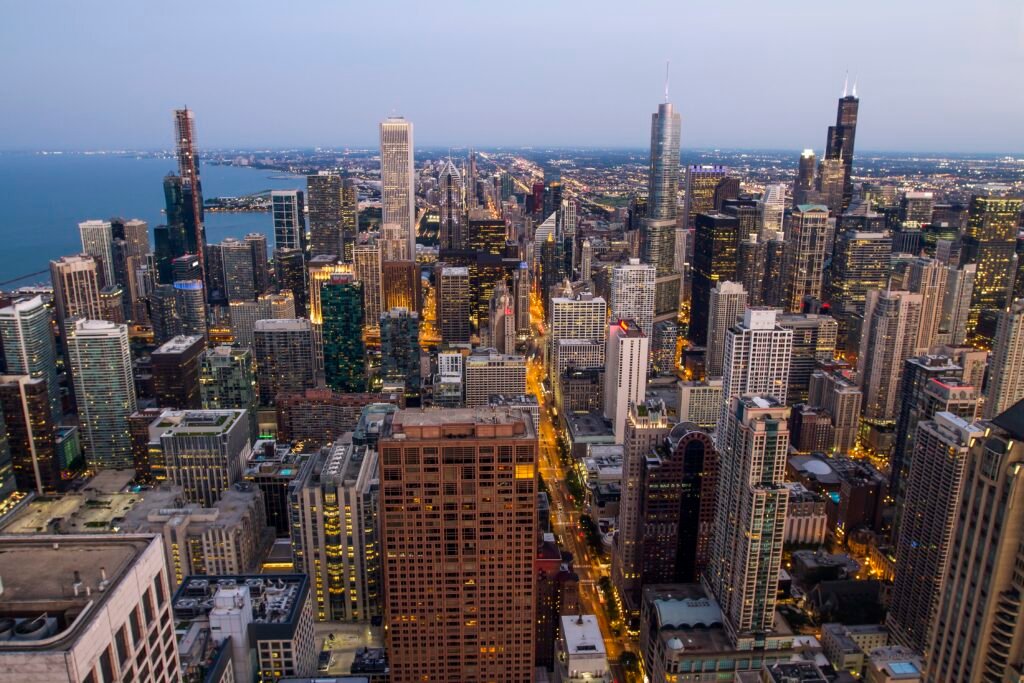
Chicago rewards first-time visitors with a genuinely walkable downtown, world-class architecture, and food that consistently outperforms its reputation. Three days gives you enough time to cover the essentials without racing between neighborhoods in a blur.
Here’s the complete three-day breakdown for making the most of a first Chicago trip.
None of this requires a car. Chicago’s public transit and compact downtown core make this one of the easiest big American cities to see on foot.
Day 1: The Loop and Millennium Park
Start your first morning in Millennium Park, home to the famous Cloud Gate sculpture that locals call “The Bean.” Arriving early genuinely improves the experience, letting you get photos before tour groups arrive in force later in the day.
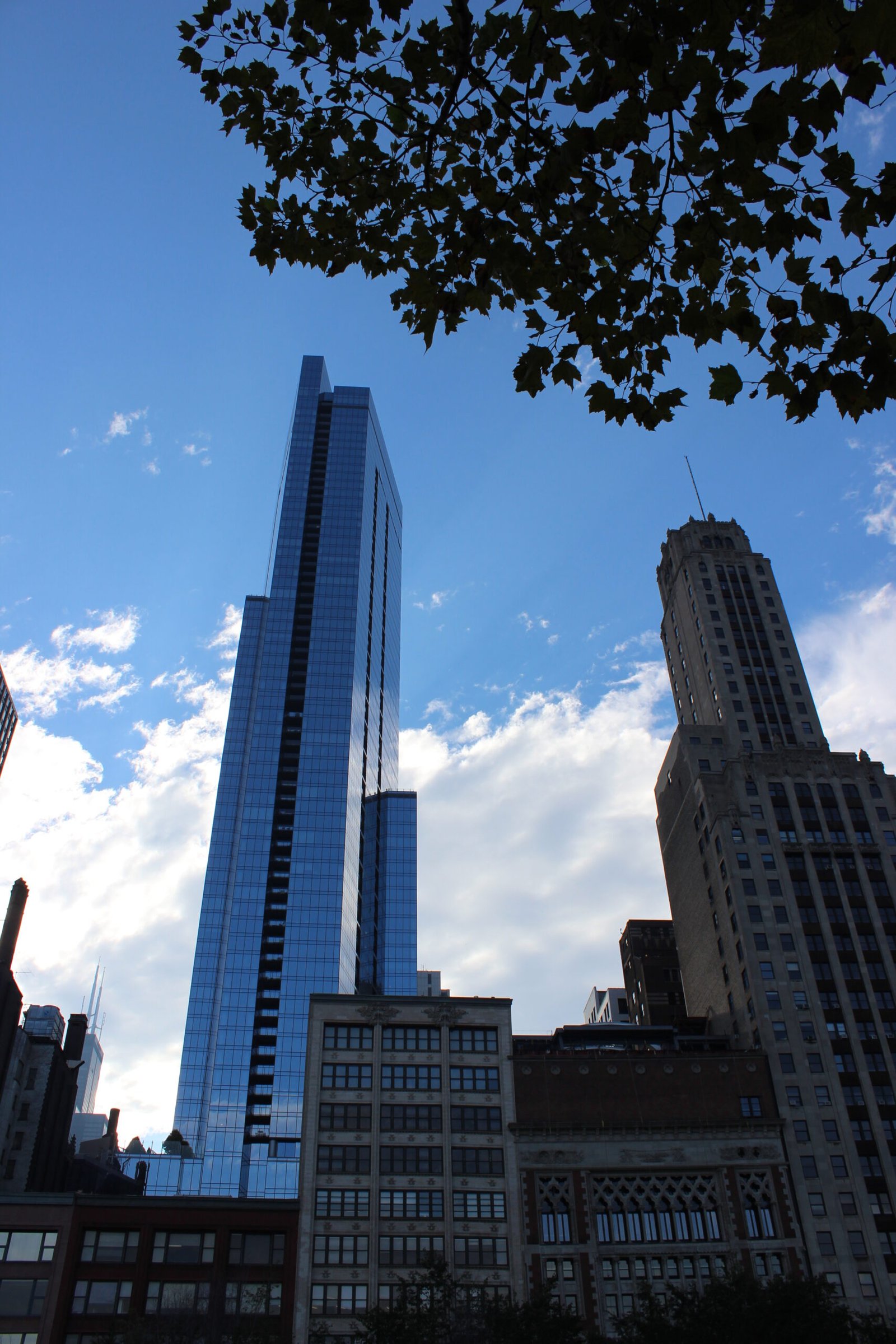
From there, walk toward the Loop to admire Chicago’s legendary architecture, including buildings by Sullivan, Mies van der Rohe, and Frank Gehry all within a few blocks of each other. Real talk, a river architecture boat tour adds genuine context that just walking past the buildings can’t deliver on its own.
Day 1 Afternoon: The Art Institute of Chicago
The Art Institute of Chicago ranks among the best art museums in the country, housing an enormous collection that easily justifies a full afternoon. Give yourself at least three hours here, since rushing through a collection this large leaves you seeing almost nothing memorable.
Grant Park, surrounding the museum, offers a pleasant place to rest afterward before heading toward dinner in the Loop or nearby West Loop neighborhood.
Day 1 Evening: Deep-Dish Pizza and the Skyline
No first Chicago trip feels complete without deep-dish pizza, and the debate over the best spot genuinely never ends among locals. Booking ahead at a popular spot saves real time, since the most famous places routinely run long waits during peak dinner hours.
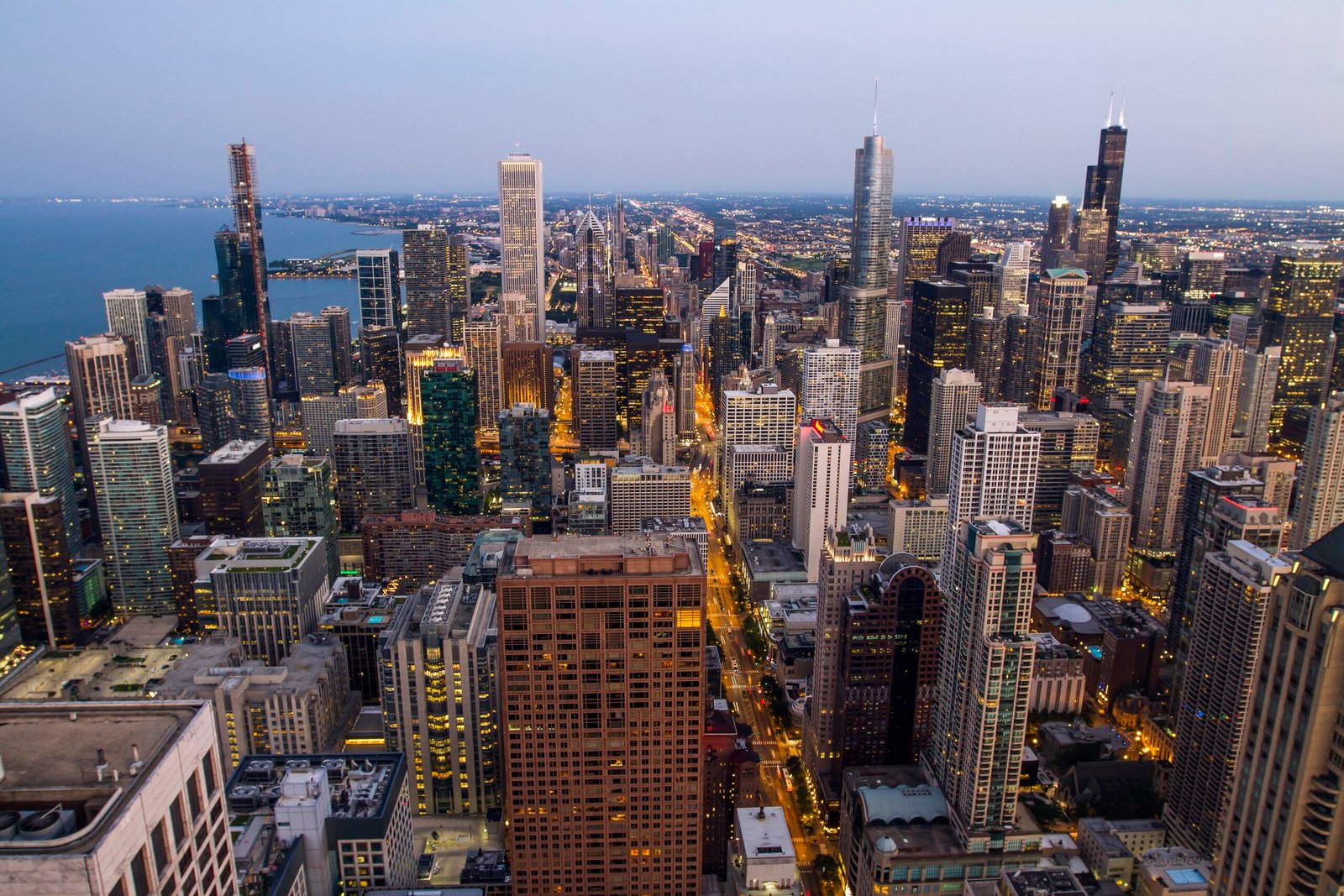
After dinner, head toward the lakefront for skyline views that look genuinely spectacular once the city lights come on. 😅
Day 2: Navy Pier and the Lakefront
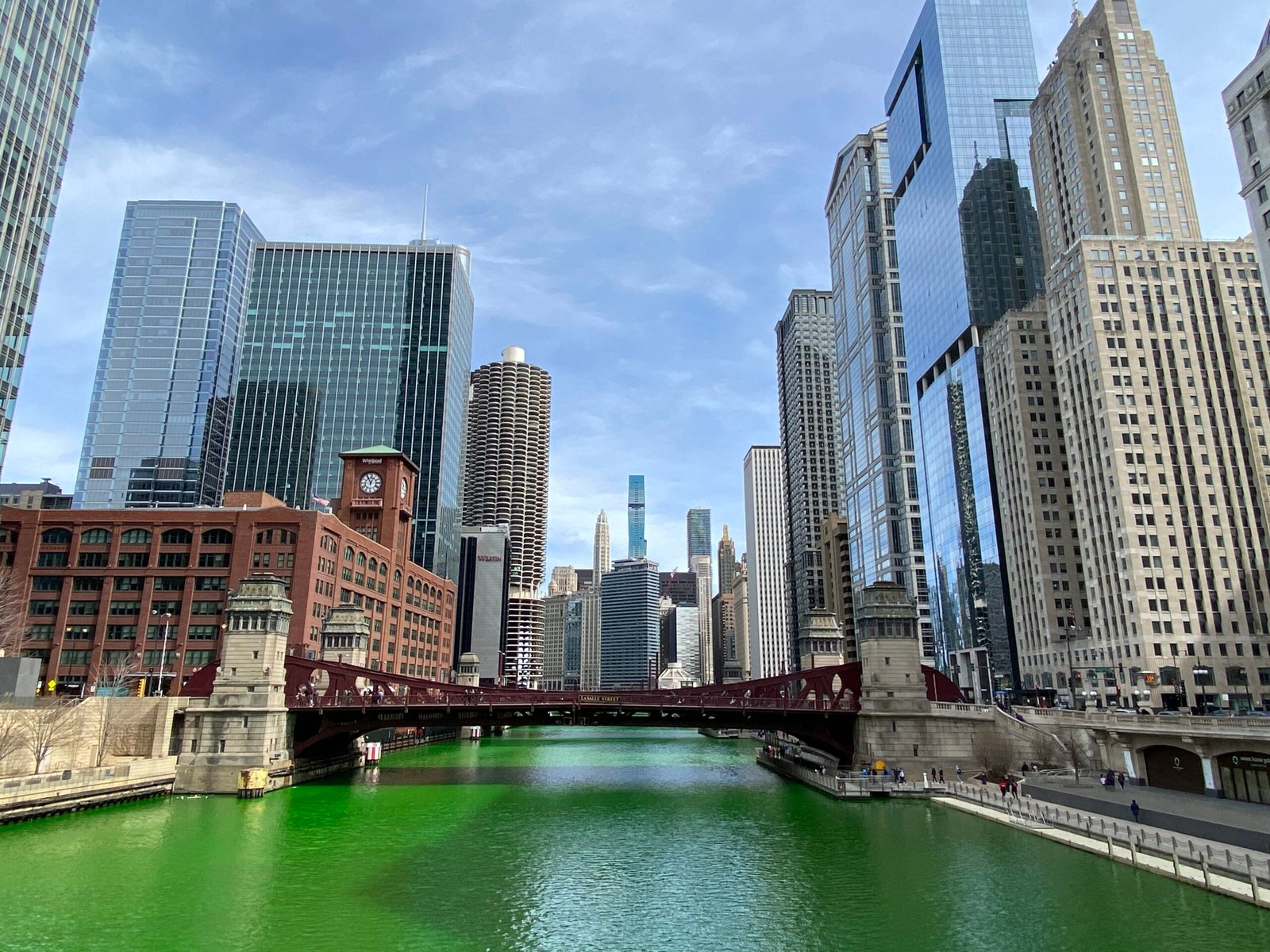
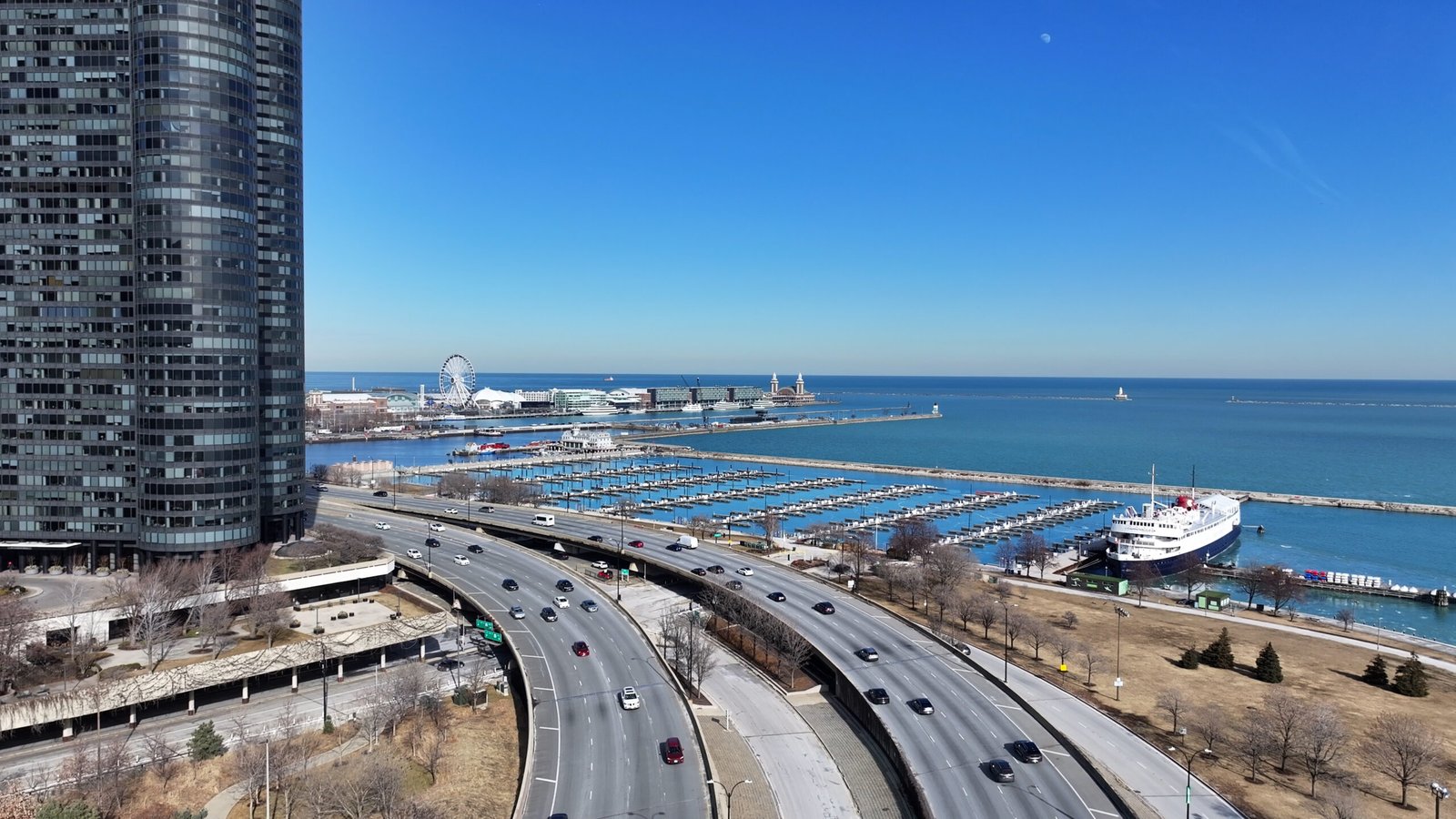
Navy Pier delivers classic tourist attractions alongside genuinely gorgeous lake views, making it worth a morning visit even if the rides themselves don’t interest you. The lakefront trail stretching along Lake Michigan offers some of the best skyline photo opportunities in the entire city.
A few practical things worth knowing before your lakefront day:
- Rent a bike along the lakefront trail for a faster, more scenic way to cover ground
- Summer weekends bring huge crowds to Navy Pier, so weekday visits feel calmer
- The 360 Chicago observation deck offers views that rival the Skydeck at a fraction of the wait
- Sunset timing along the lake delivers genuinely stunning photos in warmer months
- Water taxis connect several lakefront points efficiently if walking feels like too much
Day 2 Afternoon: Willis Tower Skydeck
The Willis Tower Skydeck, with its glass ledge extending out over the city, delivers one of the most genuinely thrilling views in American tourism. Booking timed tickets in advance avoids the notoriously long lines that build up during peak season.
Is the glass ledge actually worth the nerves for people afraid of heights? Genuinely, most visitors find the fear worth pushing through once they see the photos afterward.
Day 2 Evening: Wicker Park or Logan Square
Spend your second evening in Wicker Park or Logan Square, neighborhoods known for genuinely excellent independent restaurants and a livelier, less touristy nightlife scene. These neighborhoods show a completely different Chicago than the downtown core, with more of a local, unpolished character.
Real talk, skipping the neighborhoods entirely for a downtown-only trip means missing a huge part of what makes Chicago genuinely interesting beyond its skyline.
Day 3: Museum Campus
Museum Campus houses the Field Museum, Shedd Aquarium, and Adler Planetarium all within walking distance of each other along the lakefront. Pick one or two rather than attempting all three, since each museum genuinely deserves a few unhurried hours rather than a rushed hour apiece.
The Field Museum’s dinosaur collection, anchored by Sue the T-Rex, consistently ranks as a highlight for visitors of any age.
Day 3 Afternoon: Chinatown or Pilsen
Chicago’s Chinatown, one of the most walkable in the country, delivers genuinely excellent food away from downtown’s tourist-focused restaurants. Pilsen’s murals and Mexican food scene offer an equally compelling alternative if you’d rather explore a different neighborhood entirely.
Either choice shows a side of Chicago that most rushed first-timers never see, and both neighborhoods reward an unhurried afternoon of wandering and eating.
Day 3 Evening: Blues or Jazz Club
Wrap up your trip at one of Chicago’s legendary blues or jazz clubs, since the city’s musical heritage runs as deep as its architecture. Chicago genuinely helped shape modern blues music, and hearing live music here connects your trip to that history in a way nothing else quite matches.
IMO ending a Chicago trip with live music beats any other closing activity, since it captures something the skyline and museums alone can’t.
What’s Overrated on a Short Trip
The Chicago Bean, while iconic and worth a quick photo, doesn’t require more than fifteen minutes of your actual time despite its fame. Don’t let it eat into time better spent at the Art Institute or along the lakefront trail.
Getting Around Chicago
Chicago’s L train system connects most neighborhoods efficiently, and the downtown Loop itself remains entirely walkable between most major attractions. A transit card loaded with a few days of unlimited rides saves genuine money compared to paying per ride throughout your trip.
Rideshare apps work reliably for longer hops or late-night returns from neighborhoods further from downtown, though the L covers most tourist routes just fine.
Packing for Chicago’s Changeable Weather
Chicago’s weather shifts quickly regardless of season, and the lakefront wind makes temperatures feel noticeably colder than the forecast suggests. A packable layer works better than a single heavy jacket, since you’ll want flexibility as you move between sunny lakefront walks and air-conditioned museums.
Is comfortable walking footwear genuinely essential here? Yes, since this itinerary covers serious ground on foot across all three days, and blisters will derail your trip fast.
What This Trip Actually Costs
Budget $150-210 per day for a comfortable mid-range trip covering hotels, museum tickets, and meals downtown. Chicago runs comparably priced to other major US cities for equivalent hotel quality.
Want to trim costs? Prioritize free attractions like Millennium Park and the lakefront trail, and pick just one or two paid museums rather than attempting entry to everything.
Best Time to Visit Chicago
Late spring through early fall hits Chicago’s sweet spot for weather, festivals, and lakefront activities before winter’s brutal cold sets in. Winter visits save money on hotels but demand serious cold-weather preparation.
Whatever season you land in, book your Skydeck and Art Institute tickets ahead, since both attractions sell out especially fast during peak summer weekends.
Chicago delivers architecture, art, food, and lakefront views in a genuinely walkable package that three well-planned days can do real justice to. Hit the essentials downtown, carve out time for at least one neighborhood beyond the Loop, and end your nights with music or a rooftop view, and this itinerary captures Chicago’s best side without leaving you exhausted.