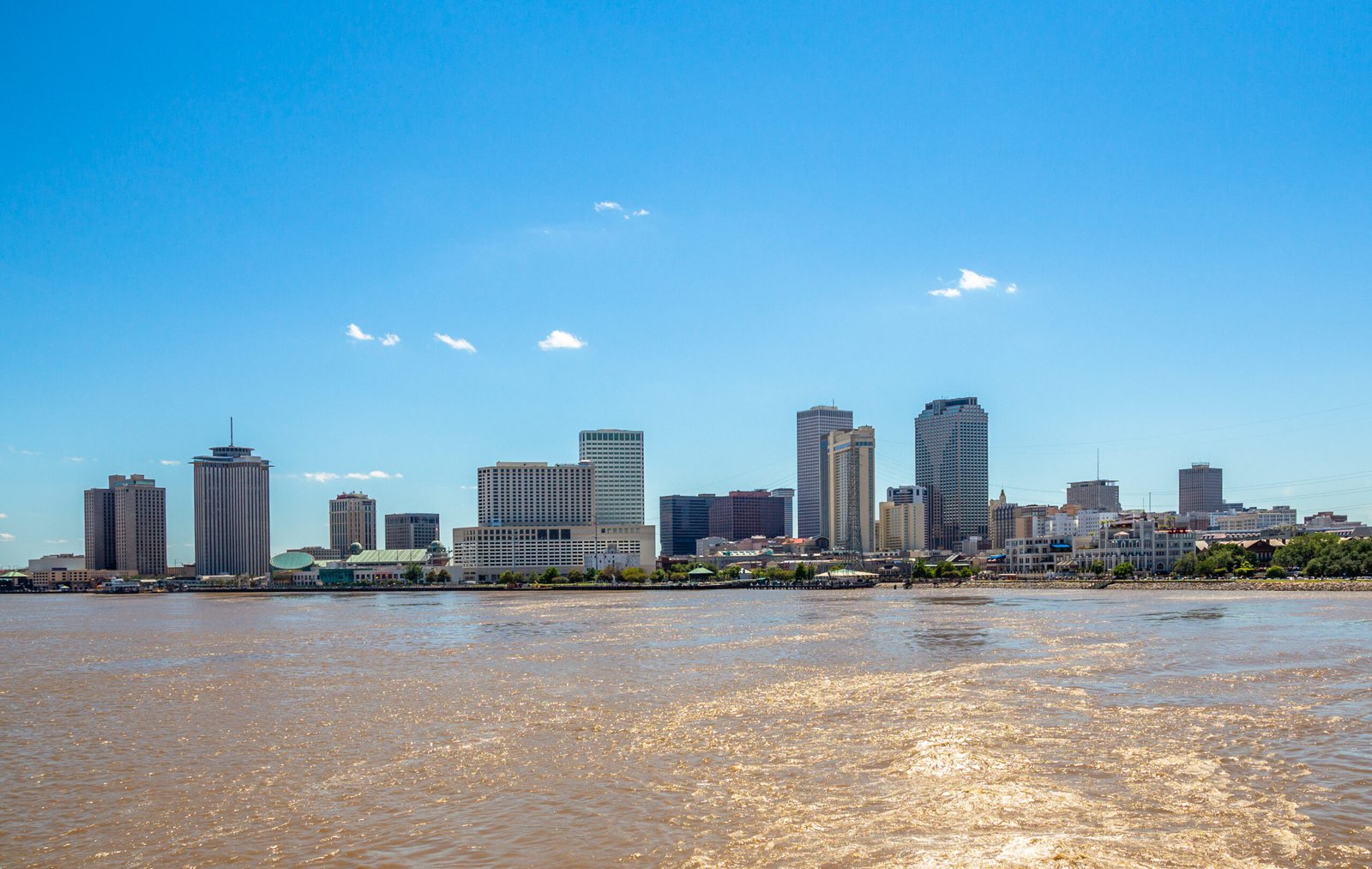
The Best Things to Do in New Orleans Beyond Bourbon Street
Bourbon Street gets all the attention, and honestly, it earns some of it. But treating it as the whole New Orleans experience means missing almost everything that makes locals actually love this city.
In this guide
- Cafe du Monde and the Beignet Ritual
- The Garden District and Its Cemeteries
- Jazz Beyond Bourbon Street’s Cover Bands
- A Swamp Tour Worth Taking
- Eating Your Way Through the City
- Museums Worth Your Time
- City Park and the Quieter Side of Town
- The Streetcar Is the Move
- What This Trip Actually Costs
- Best Time to Visit
- Packing for New Orleans
Here’s where to go once you’ve had your one obligatory Bourbon Street walk-through.
New Orleans runs on food, music, and history in equal measure, and most of the best versions of all three live outside the strip everyone photographs.
Cafe du Monde and the Beignet Ritual
Start any real New Orleans day with beignets and chicory coffee at Cafe du Monde. Yes, it’s touristy. It’s also genuinely worth the hype, and the powdered sugar mess is basically part of the tradition at this point.

Go early morning or late night to skip the worst of the line. Midday on a weekend can mean a genuine wait, while 7am or 11pm rarely does.
Once you’ve had the original, branch out. Several newer bakeries around the city put their own spin on the beignet, and comparing versions is a genuinely fun way to spend an afternoon.
The Garden District and Its Cemeteries
Walk the Garden District for the mansions alone. Oak-lined streets, wraparound porches, and architecture that survived hurricanes and centuries make this one of the most photogenic neighborhoods in the entire South.
Lafayette Cemetery No. 1 sits right in the middle of it, and the above-ground tombs (built that way because of the city’s high water table) are unlike cemetery architecture almost anywhere else in the country.
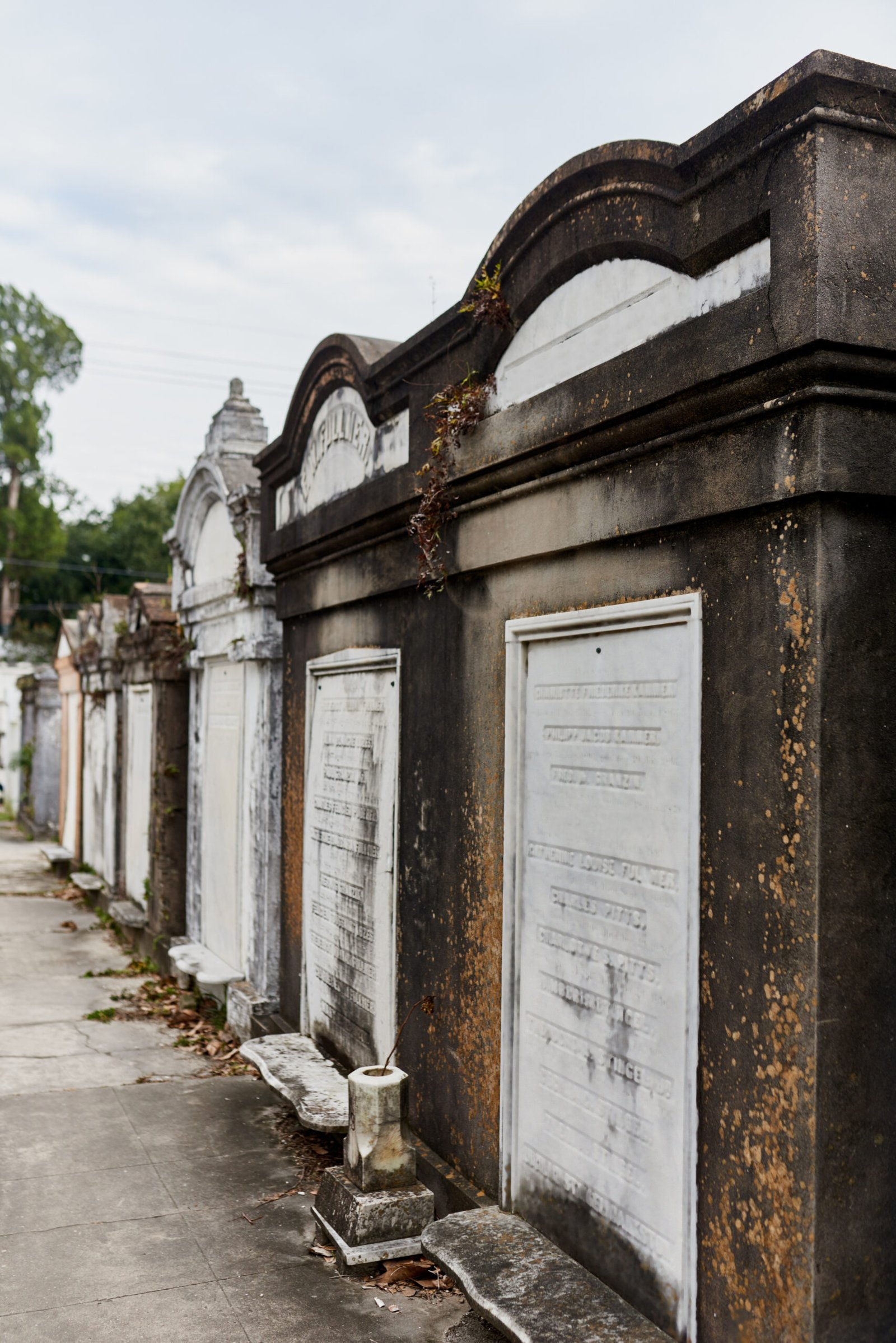
Is a cemetery a weird thing to recommend as a highlight? Maybe. But this one genuinely functions as an open-air museum, and it’s one of the most distinctly New Orleans experiences on this whole list.
Jazz Beyond Bourbon Street’s Cover Bands
Frenchmen Street, just a short walk from the French Quarter, is where a lot of locals go for music that isn’t aimed purely at tourists. Multiple clubs sit within a few blocks, and cover charges run noticeably lower than the Bourbon Street equivalents.
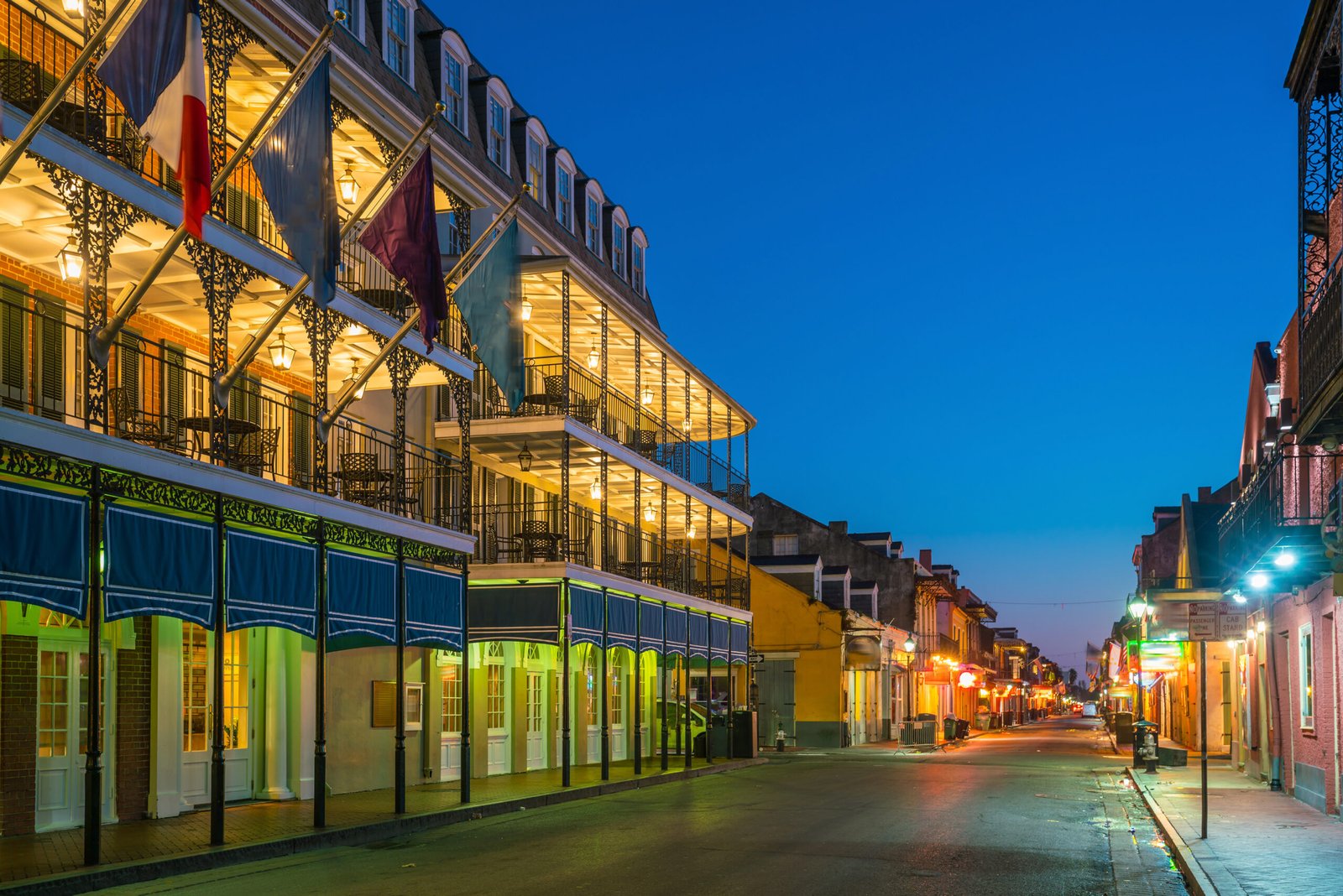
Preservation Hall in the French Quarter delivers traditional jazz in its most authentic form, no drinks served, just the music. It’s a genuinely different experience from anything happening a few blocks over.
Book ahead for the well-known venues on weekends. Real talk, the best sets fill up fast once word gets out that a particular lineup is playing.
A Swamp Tour Worth Taking
Cypress swamp tours run just outside the city, and they deliver a side of Louisiana that has nothing to do with bars or beads. Alligators, moss-draped trees, and a genuinely different pace than downtown.
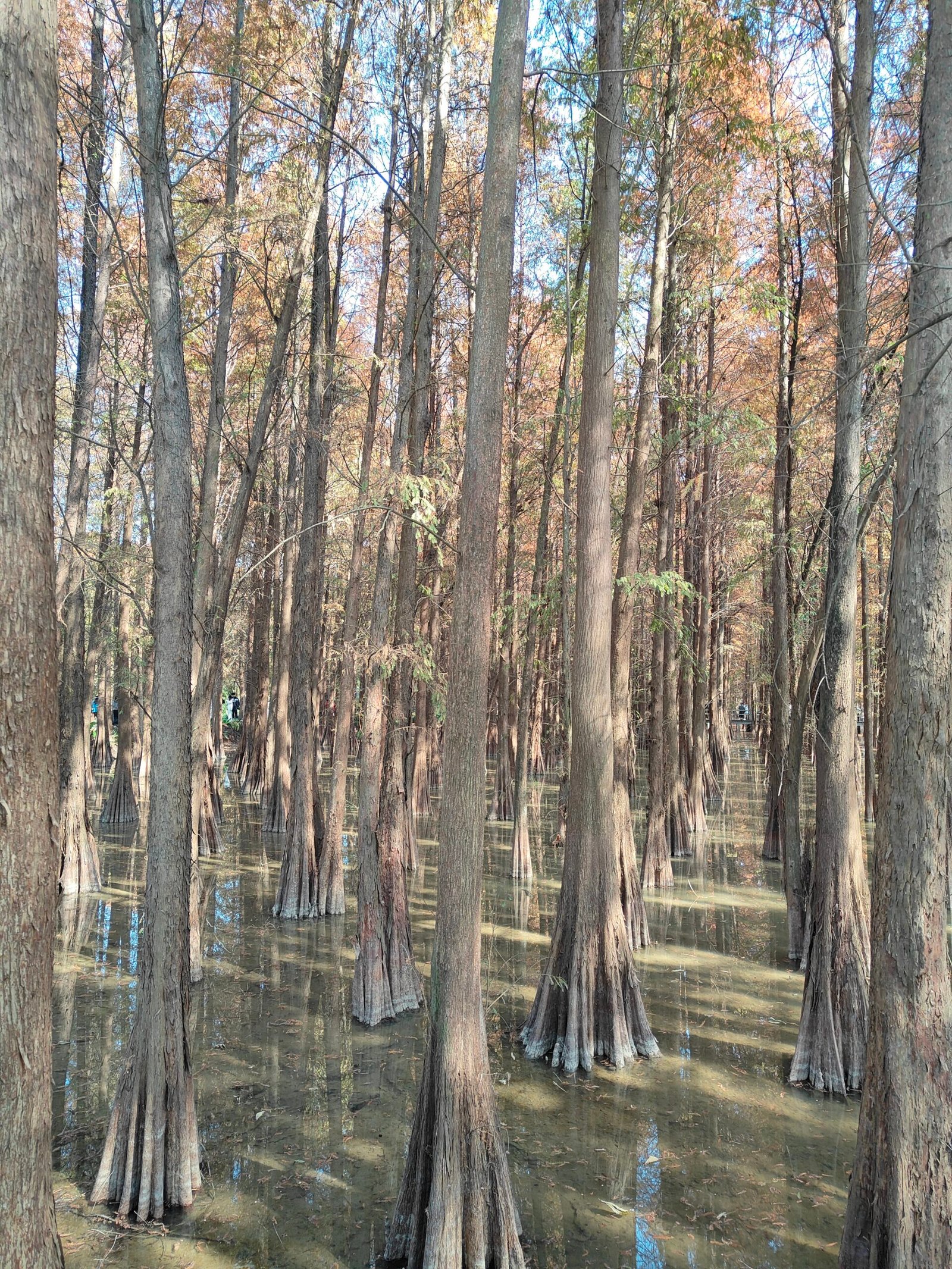
Pick a smaller tour operator over the big bus-tour companies if you can. Smaller boats get closer to the wildlife and feel less like a theme park ride.
IMO this is the single most underrated day trip from New Orleans. Most first-timers skip it entirely, and it’s honestly one of the best few hours of a typical visit.
Eating Your Way Through the City
New Orleans food deserves its own separate itinerary, but a few dishes are non-negotiable:
- Gumbo – order it at a sit-down restaurant, not a tourist-trap buffet, for the real depth of flavor
- Po’boys – the roast beef and fried shrimp versions both have loyal fan bases for good reason
- Jambalaya – every kitchen makes it slightly differently, which is exactly the point
- Muffuletta – a genuinely massive sandwich best split between two people
- Pralines – the sweet ending every meal in this city seems to earn
Skip the restaurants directly on Bourbon Street. Walk a few blocks in almost any direction and both the prices and the food improve immediately, ngl.
Museums Worth Your Time
The National WWII Museum ranks among the best military history museums in the country, and it’s genuinely engaging even if you’re not usually a museum person. Give it at least three hours if you want to do it justice.
The Backstreet Cultural Museum offers a smaller, more personal look at New Orleans’ Mardi Gras Indian and second-line traditions. It’s a fraction of the size of the WWII Museum, but the depth of local culture on display makes it worth the detour.
For art lovers, the Ogden Museum of Southern Art focuses specifically on Southern artists across multiple mediums, and it rarely gets crowded even during peak tourist season. IMO it’s one of the better quiet afternoon options if the heat outside gets to be too much.
City Park and the Quieter Side of Town
City Park stretches far larger than most visitors expect, with live oak groves, a sculpture garden, and enough space to genuinely escape the density of downtown for a few hours. It’s free to wander, and the ancient oaks alone are worth the trip.
The New Orleans Museum of Art sits inside the park, and combining both makes for an easy, low-cost afternoon. Bring a picnic if the weather cooperates. 😅
Bayou St. John, just north of the park, offers a genuinely peaceful stretch of water lined with historic homes. It’s the kind of spot where you can tell you’ve left the tourist zones behind entirely.
The Streetcar Is the Move
Skip rideshares for the St. Charles Streetcar line whenever your destination is along its route. It’s cheap, genuinely scenic, and rolls straight through the Garden District’s best architecture.
A day pass costs very little and covers unlimited rides, which makes it an easy way to structure a whole day of sightseeing without worrying about individual fares.
What This Trip Actually Costs
Budget $130-180 per day for a comfortable mid-range trip covering a solid hotel outside the peak Bourbon Street strip, two real meals, a swamp tour, and transit. New Orleans runs cheaper than most comparable US cities for equivalent hotel quality.
Want to trim costs? Eat one meal a day from a neighborhood spot instead of a French Quarter restaurant, and skip the paid ghost tours in favor of the free walking version most hotels can point you toward.
Best Time to Visit
February through May hits the sweet spot of good weather and manageable humidity, plus you might catch Mardi Gras season if timing works out. Summer brings brutal heat and humidity that can genuinely wear you down by midday.
Hurricane season runs June through November, and while direct hits are rare, prices drop and the city moves at an even slower pace during this stretch. Fall brings noticeably thinner crowds along with the lower prices.
Packing for New Orleans
Comfortable walking shoes matter more than anything else, since the French Quarter’s uneven sidewalks and the Garden District’s long blocks add up fast. Pack light, breathable fabrics regardless of season, since humidity stays high most of the year.
A light rain layer earns its space too. Afternoon storms roll through fast and often, especially in summer, and they clear just as quickly once they’ve passed.
New Orleans rewards curiosity far beyond its most famous strip. Wander the Garden District, catch real music on Frenchmen Street, and eat like a local instead of a tourist. That’s where this city actually lives.