Pickpocketing in Europe isn’t random and it isn’t violent. It’s a craft, practised by people who are very good at it, in a small number of extremely predictable locations.
Which is good news, because predictable is the same thing as avoidable.
Where it actually happens
Almost all of it occurs in about five situations:
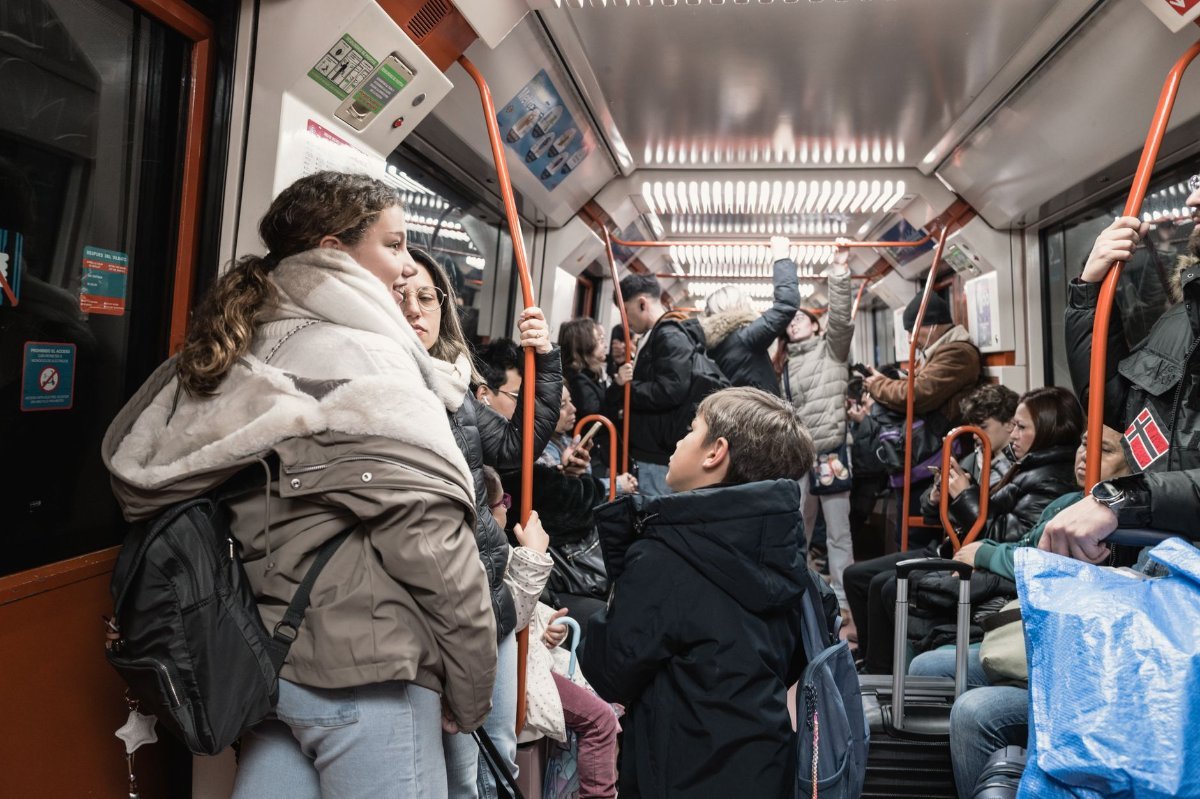
- Crowded metro platforms and carriages, especially at the moment the doors close. Barcelona’s L3, Paris line 1, Rome’s Line A between Termini and the Vatican, Milan’s M1. These are the famous ones for a reason.
- Directly outside major sights — the Sagrada Família, the Trevi Fountain, the Eiffel Tower, the Duomo in Milan.
- Train stations, particularly around ticket machines and escalators.
- Busy tourist streets — Las Ramblas, the area around the Colosseum, Prague’s Charles Bridge.
- Cafés and bars where you set your bag down. Phone on the table, bag on the back of the chair.
If you’re not in one of those, your risk is genuinely low.
It’s worth keeping the whole thing in proportion, because the internet does a poor job of that. Millions of people visit Barcelona and Rome every year without incident, and the overwhelming majority of trips involve nothing more dramatic than a mildly overpriced coffee. The point of the habits below isn’t constant vigilance, which ruins a holiday. It’s five or six small defaults that run in the background so you can stop thinking about it entirely.
The distraction is the whole method
Nobody just reaches into your pocket. There’s always a distraction first, and recognising the setup is most of the defence.
The petition. Someone, often a young woman, asks you to sign a petition for a deaf charity on a clipboard. While you look down, someone else works your pockets. Common in Paris and Rome.
The friendship bracelet. Someone ties string round your wrist “as a gift”, then demands money and creates a scene. Sacré-Cœur, mainly.
The spill. Something is spilled on you, a helpful stranger appears to clean it up, and your wallet leaves with them.
The ring. Someone “finds” a gold ring at your feet and offers it to you.
The metro squeeze. A group crowds the door as it’s closing, jostles you, and steps off just as the doors shut. You’re now on a moving train and they aren’t.
The map. Someone spreads a map in front of you asking directions; the map hides the hand.
The general rule: any unexpected physical contact or interruption in a crowded place should make you touch your pockets immediately. Not subtly. Do it.
What to actually carry, and where
The point isn’t to be uncrackable. It’s to be more effort than the person next to you.
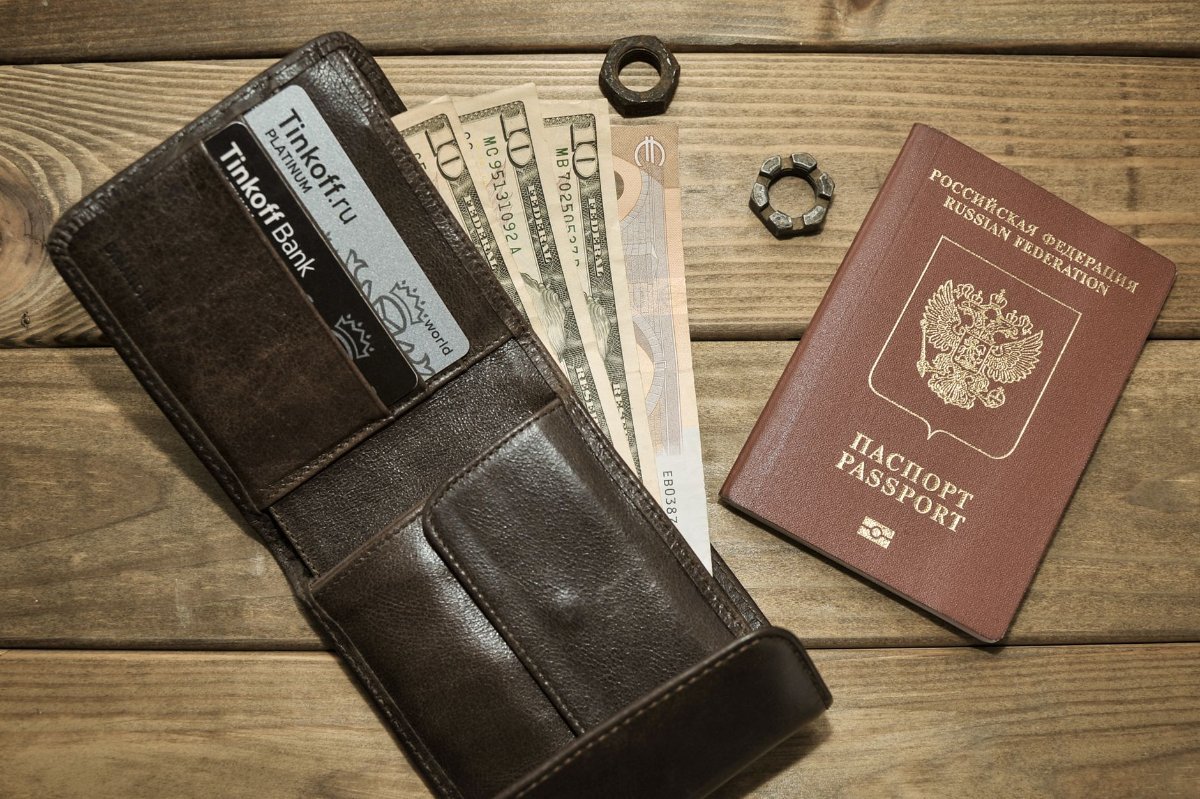
Front pockets only, ideally ones that zip or button. A back pocket is not a pocket, it’s a display case.
Split your money. One card and a small amount of cash on you. A second card and emergency cash somewhere else entirely — your accommodation, a different bag.
Cross-body bag worn in front, zip facing your body. A shoulder bag hanging behind you is open.
Backpack on your front in metros and crowds. You’ll feel silly. Locals do it too.
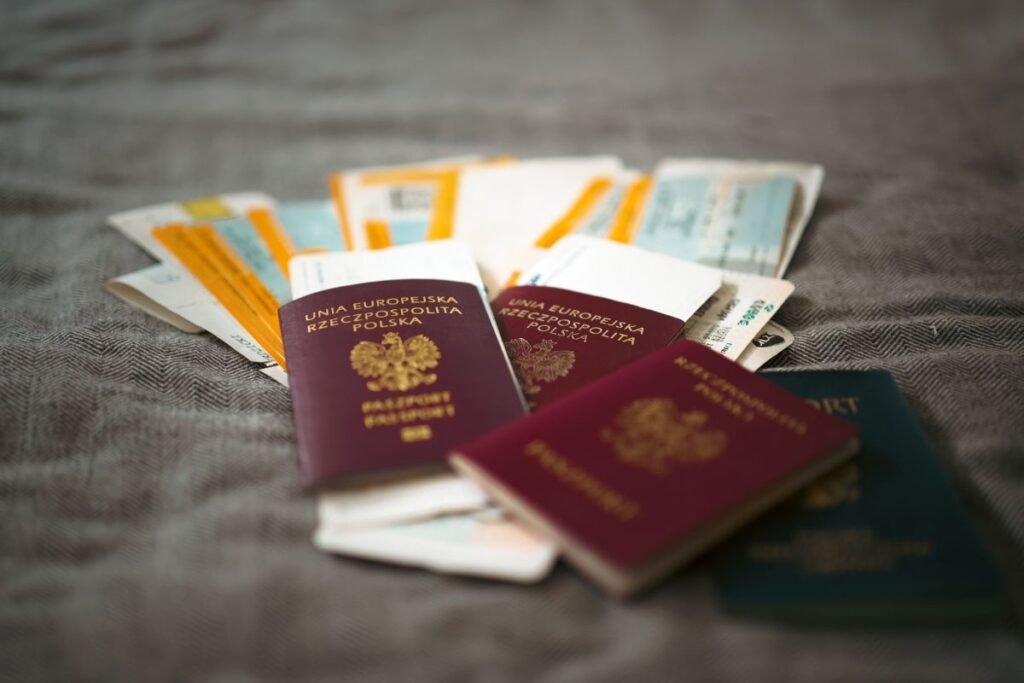
Leave the passport in the hotel safe unless a specific reason requires it. A photo on your phone plus a driving licence covers most situations.
Money belts under clothing work but are a nuisance to access. Their real use is for the stuff you won’t need until you’re back in the room.
Phones are the main target now
Phone theft has overtaken wallets in most European cities, because a phone is worth more and sells faster.
Two specific things:
Snatch-and-run from café tables. Never leave your phone face-up on an outdoor table. Someone on a scooter or a bicycle will take it at speed.
Snatching mid-use. Standing at a corner navigating on your phone, near a road, is the classic setup. Step into a doorway, away from the kerb.
Turn on Find My iPhone or Find My Device before you travel, and set a short auto-lock. A stolen unlocked phone is a much worse day than a stolen locked one.
▶ Watch This Before You Go
City by city, roughly
Barcelona — consistently rated the worst in Europe for pickpocketing. Las Ramblas, the Gothic Quarter, beach areas, the metro. Be properly alert here.
Rome — Termini station, the Line A metro, the bus 64 to the Vatican, which is so notorious it’s nicknamed the pickpocket express.
Paris — the RER B from Charles de Gaulle, line 1, and the area around Sacré-Cœur and the Eiffel Tower.
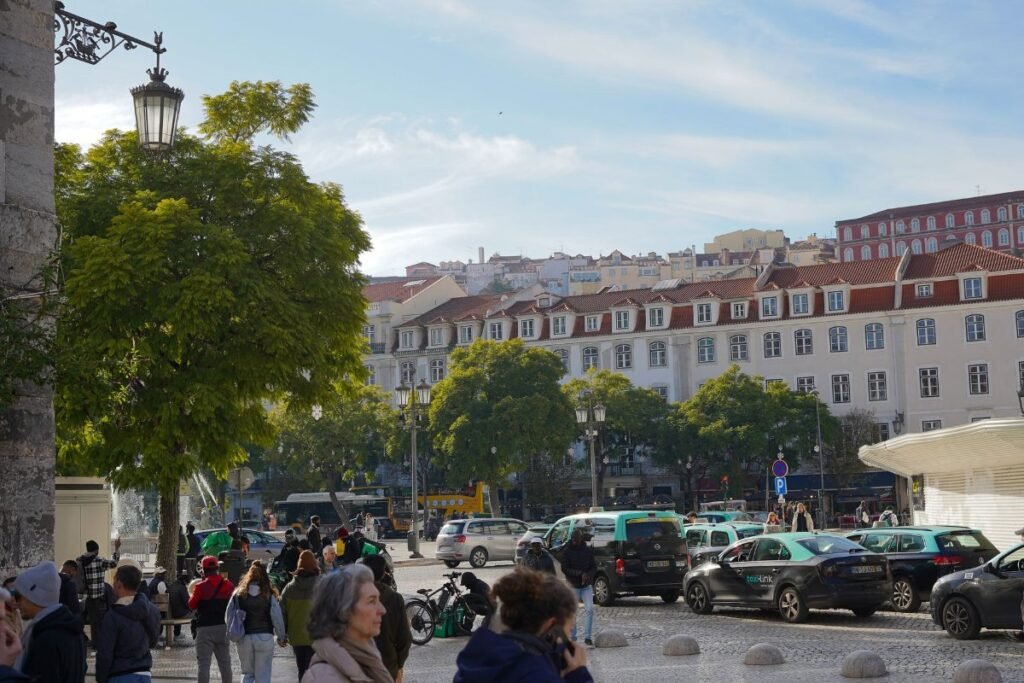
Prague, Athens, Madrid, Milan, Lisbon — all have active scenes in the obvious tourist corridors.
Northern Europe — much lower rates generally, though Amsterdam’s centre and Brussels’ stations have their moments.
If it happens anyway
Don’t chase. It’s almost never one person, and the items get passed off within seconds. Nothing in your bag is worth what could follow.
Cancel cards immediately. Have the numbers saved somewhere that isn’t your phone.
File a police report within 24 hours. Every insurance policy requires it and most people don’t bother until it’s too late.
Remote-wipe your phone if you can’t recover it.
For a passport, contact your embassy. Most can issue emergency travel documents within a day or two.
One practical bit of preparation that costs nothing: before you leave, photograph your passport, cards and travel insurance policy, and email the images to yourself. Cloud storage works too, but email means you can reach them from any borrowed device without needing an app or a two-factor code that goes to the phone you no longer have. It’s a five-minute job that turns a genuinely bad afternoon into an administrative one.
FAQ
Are anti-theft bags worth it? Slash-proof straps are mostly overkill — this isn’t bag-slashing, it’s hands in pockets. Lockable zips genuinely help.
Is it dangerous? Very rarely. European pickpocketing is almost entirely non-confrontational. The goal is that you don’t notice at all.
Should I carry cash at all? A small amount for markets and tips. Cards cover most of Europe now.
Do RFID-blocking wallets help? Contactless card cloning is rare in practice compared to plain theft. It doesn’t hurt, but it’s not the risk.
Are guided tours safer? Slightly, but tour groups are also an obvious cluster of distracted tourists. Stay aware.
What’s the single best habit? Touch your pockets every time you exit a crowded space. It takes a second and it turns a two-hour-later discovery into an immediate one.