San Sebastián has more Michelin stars per head than almost anywhere on Earth. It also has a bar culture where you can eat brilliantly for €3 a plate while standing up. Both of those things are true at once and the second one is why you should go.
The Basques call it Donostia. You’ll see both names on everything, often together, and it’s the same place.
Pintxos are not tapas
Let’s clear this up, because it’s the main thing visitors get wrong.
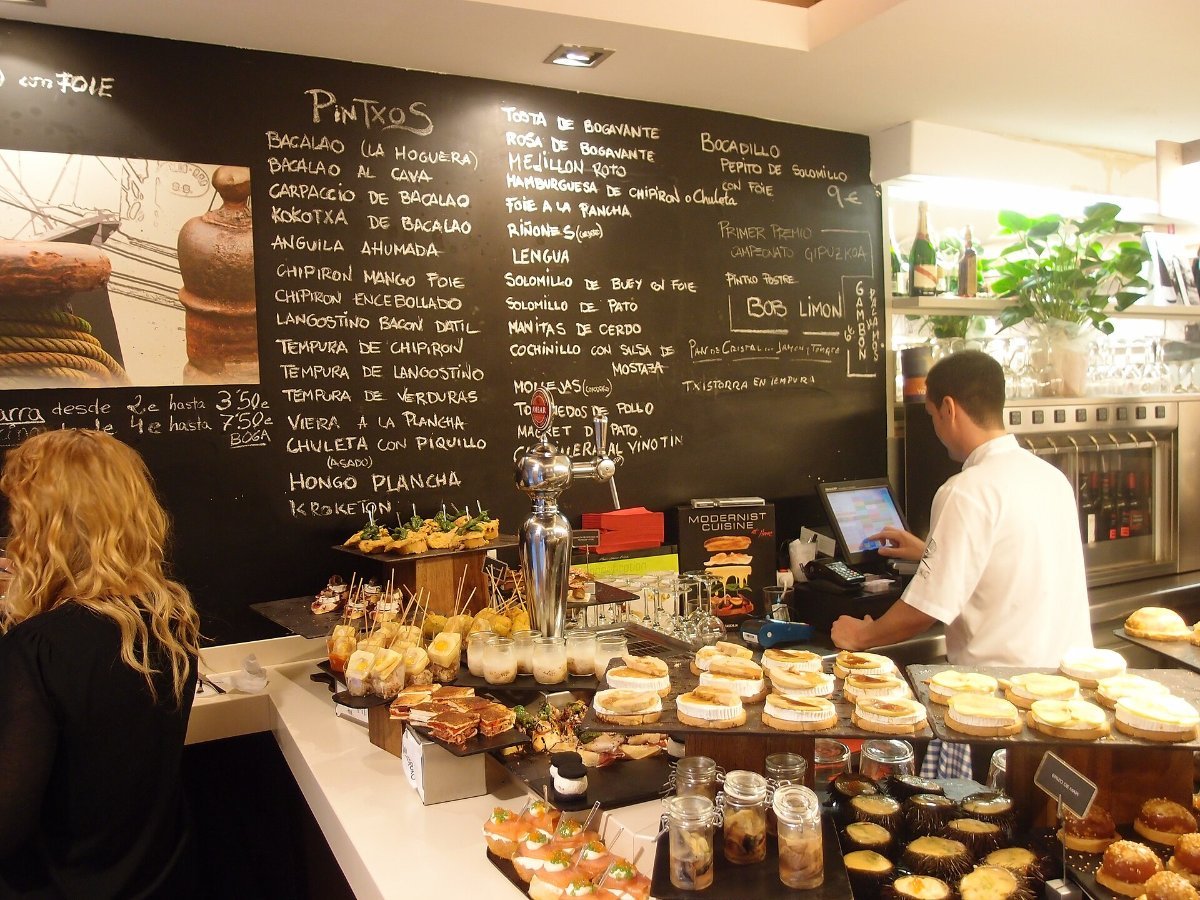
Pintxos (pronounced “pin-chos”) are small plates, usually on bread with a cocktail stick through them, laid out along the bar. They’re not free — unlike Granada, you pay per item, typically €2.50 to €4.
The system: walk in, order a drink, take a small plate, help yourself from the counter or order the hot ones from the chalkboard. Keep your sticks. At the end you tell the bartender what you had and they charge you. It runs on trust and it works.
Crucially, you’re not supposed to stay. One or two pintxos, a small drink, then move on. A pintxo crawl is four to six bars over an evening.
What to drink
Txakoli — a slightly fizzy, very dry Basque white, poured from a height to aerate it. Order it and watch the pour. It’s the default.
Zurito — a small beer, about a third of a pint. The point is you’re having several bars’ worth, so you don’t order pints.
Sidra — Basque cider, flat and sharp, poured in thin streams from a barrel. Cider houses (sagardotegiak) outside town do a fixed menu with unlimited cider from January to April and it’s an experience.
Where to crawl
The Parte Vieja (old town) is the obvious place and has the highest density of bars. It’s also where the tourists are, especially on the main streets.
Gros, across the river, is where more locals eat now. Younger, slightly more experimental, noticeably less crowded.
Go around 8pm on a weekday and you’ll be among Spaniards eating dinner. Go at 6pm and you’ll be alone with other tourists.
Don’t try to plan a precise route. Look at the bar counter, if it’s busy and the pintxos look fresh, go in. That’s the entire selection method locals use.
▶ Watch This Before You Go
The beaches are genuinely good
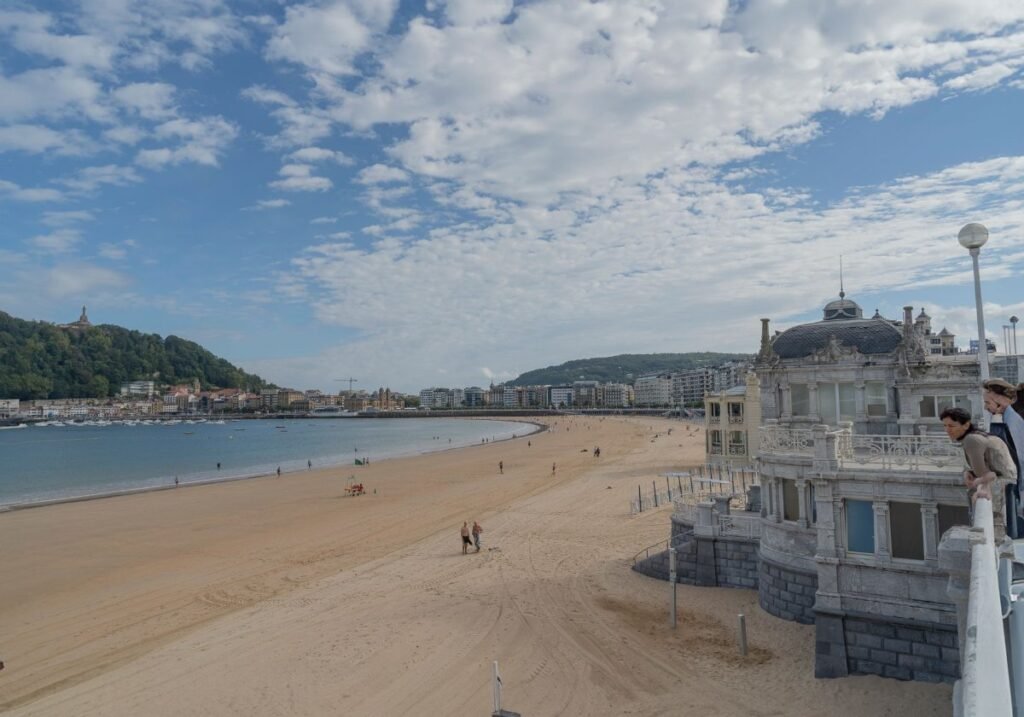
This is what surprises people. San Sebastián has three beaches inside the city.
La Concha is the famous one — a perfect shell-shaped bay with an island in the middle and a promenade with those white railings you’ve seen in photos. Sheltered, calm, family-friendly.
Ondarreta, at the western end, is quieter and sits under Monte Igueldo.
Zurriola, in Gros, faces open ocean and has the surf. Younger crowd, surf schools, board rental.
The water is Atlantic, so it’s bracing even in August. Locals swim anyway.
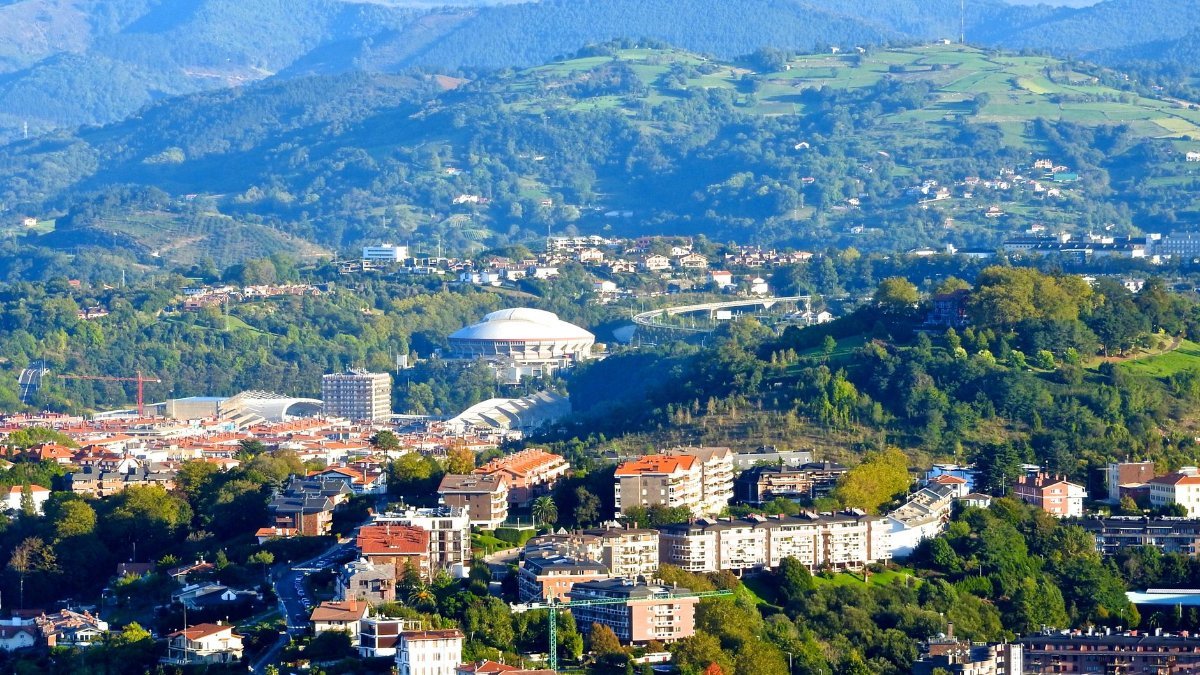
The two hills
Monte Urgull, at the east end of the bay, is a free 30-minute walk up through woods to a fortress and a large statue of Christ. Best view of the old town and the bay, and it costs nothing.
Monte Igueldo, at the west end, has a funicular from 1912 and a wonderfully creaky old amusement park at the top. The classic postcard view of La Concha is from here. Around €4 return on the funicular.
Do Urgull for the walk and the view, Igueldo for the photo.
If you want the Michelin thing
Arzak, Akelarre and Martín Berasategui are the three-star names, all within about 20 minutes of the centre. Expect €250 to €350 per person and book two to three months ahead, more for weekends.
Worth it? If you care about food at that level, this is one of the best places on the planet to do it. If you don’t, the pintxos are genuinely world-class and cost a twentieth as much.
Middle ground: several one-star places do lunch menus at €70 to €100, which is far better value than the evening tasting menus.
Bilbao is an hour away
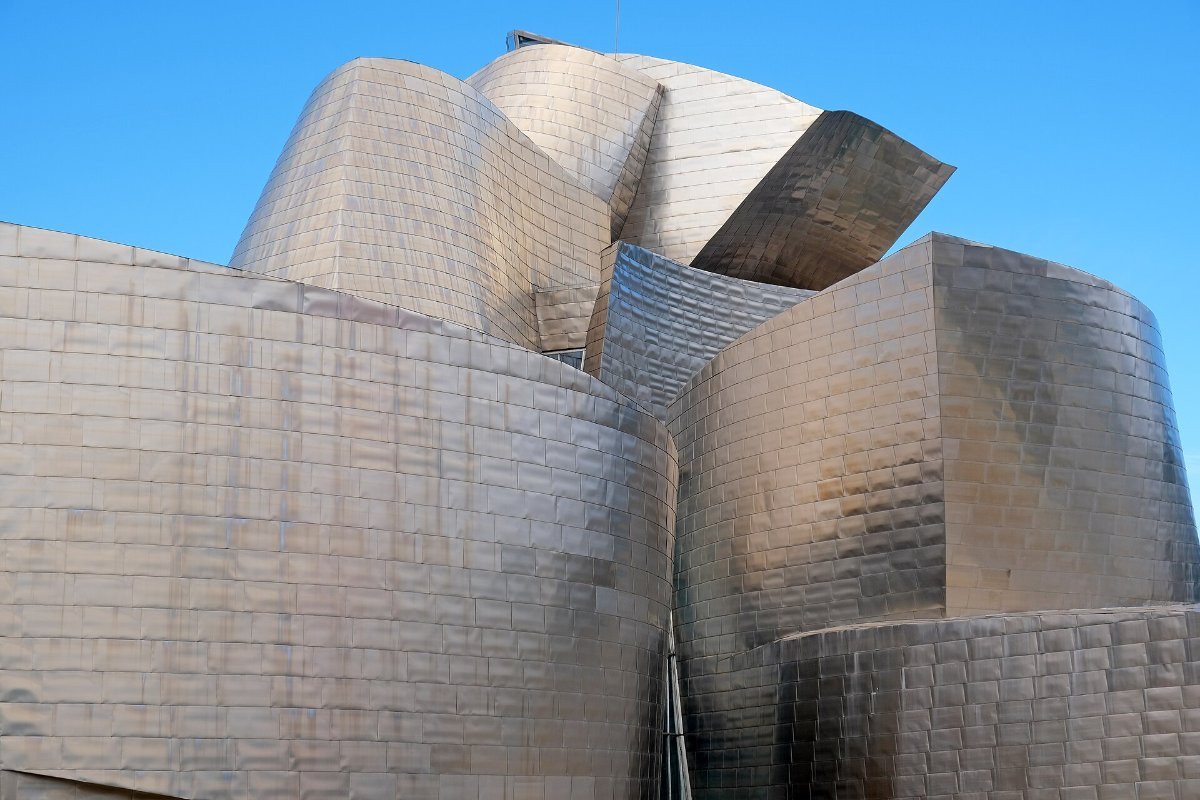
Worth a day. The Guggenheim is the obvious draw — Frank Gehry’s titanium building genuinely does look extraordinary in person, and it’s credited with turning a declining industrial city around.
But the Casco Viejo (old town) and the Ribera market are the better half of the day. Bilbao’s pintxo scene is cheaper than San Sebastián’s and arguably just as good.
Buses run frequently from San Sebastián and take about 75 minutes.
Practical bits
The weather is Atlantic, not Mediterranean. It rains, a lot, year-round, and August highs are around 25°C rather than 35°C. Bring a jacket whenever you go.
Best months: June, July, September. August is busy with Spanish holidaymakers. September has the film festival and the Semana Grande fireworks are in August.
Two to three days is right for the city, four if you’re adding Bilbao and the coast.
Getting there: Bilbao airport is the main one, 75 minutes away. San Sebastián has a small airport. Biarritz in France is 45 minutes and often cheaper from the UK.
Basque (Euskara) is widely spoken and completely unrelated to Spanish or any other living language. Everyone speaks Spanish too, but a kaixo (hello) and eskerrik asko (thank you) go a long way.
FAQ
How much for a pintxo crawl? €30 to €45 per person for a proper evening — five or six bars, two pintxos and a drink at each.
Do I need to book anything? Not for pintxos, ever. Yes, months ahead, for the starred restaurants.
Is it expensive overall? Accommodation is the priciest part and rises sharply in summer. Food is excellent value.
Best single pintxo to try? The gilda — olive, anchovy and pickled pepper on a stick. It’s the original, it’s about €2, and it’s still the best thing on most counters.
Can I do it as a day trip? From Bilbao, yes. But the evening is the whole point, so stay over if you can.