San Antonio is the second largest city in Texas and it feels nothing like the first. It’s older, slower, more Mexican, and built around a river rather than a freeway.
It’s also the most walkable major city in the state, which in Texas is close to a miracle.
Three days covers it properly. Here’s how.
Day 1, Morning: The Alamo
Start here, get it done, and manage your expectations.
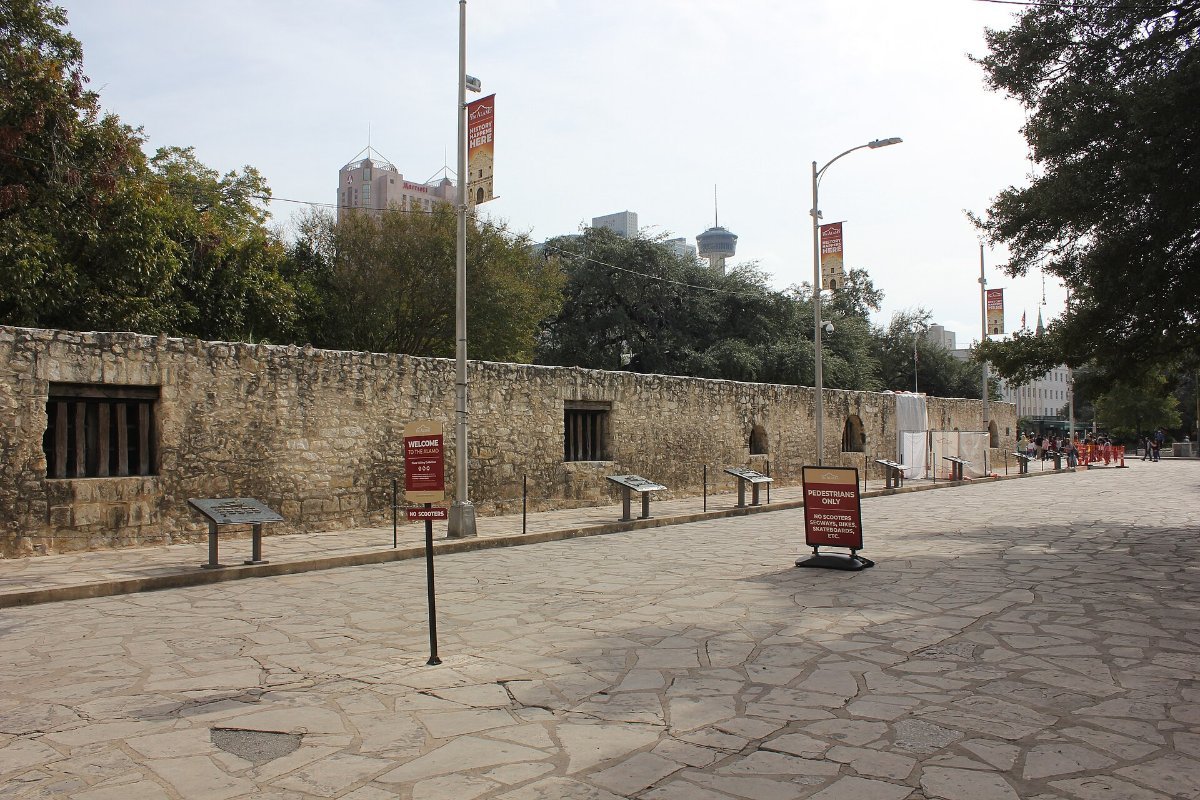
The Alamo is smaller than everyone expects. What survives is essentially the chapel facade and the Long Barrack, sitting in the middle of a downtown plaza surrounded by shops. The 1836 battle site covered a much larger area that the city has since built over.
It’s free to enter the church, though timed tickets are needed. The grounds and the Long Barrack museum are quick.
Give it an hour, take the free guided talk if one’s running, and don’t feel bad that it’s not what you pictured. Everyone has that reaction.
Day 1, Afternoon: The River Walk, Done Right
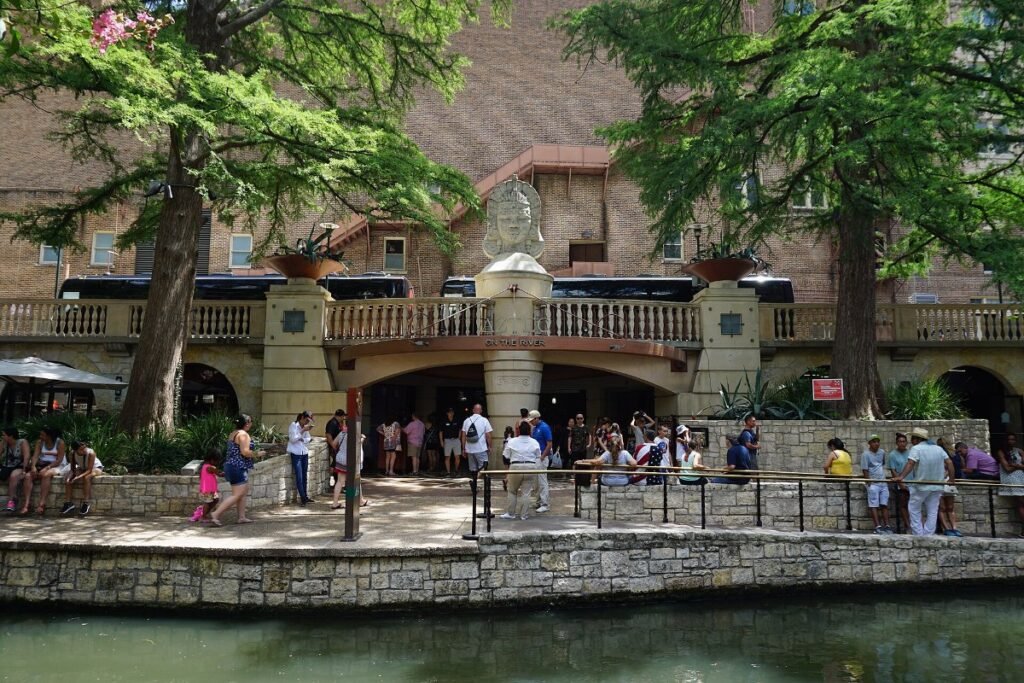
The River Walk is a network of stone paths one level below the street, running along the San Antonio River through the middle of downtown.
Here’s the thing most visitors get wrong. The central loop, the bit by the Alamo, is a wall of chain restaurants with mariachi bands and menus in three languages. It’s fun once and it’s the least interesting section.
Walk north instead, up the Museum Reach, which extends the river past locks and public art to the Pearl. It’s quiet, tree-lined and full of locals running.
Or go south on the Mission Reach, which we’ll get to. Eight miles of restored riverbank with almost no tourists.
▶ Watch This Before You Go
Day 1, Evening: The Pearl
A former brewery north of downtown, redeveloped into what is genuinely one of the best food districts in Texas.
There’s a Saturday and Sunday farmers market, a branch of the Culinary Institute of America, an outdoor stage and a lot of very good restaurants.
Walk up along the river from downtown, which takes about 40 minutes and is much nicer than a taxi.
This is where San Antonio residents actually spend their weekends, which is the best recommendation any district can have.
Day 2, Morning: The Missions
This is the thing to do in San Antonio and about a third of visitors never leave downtown to do it.
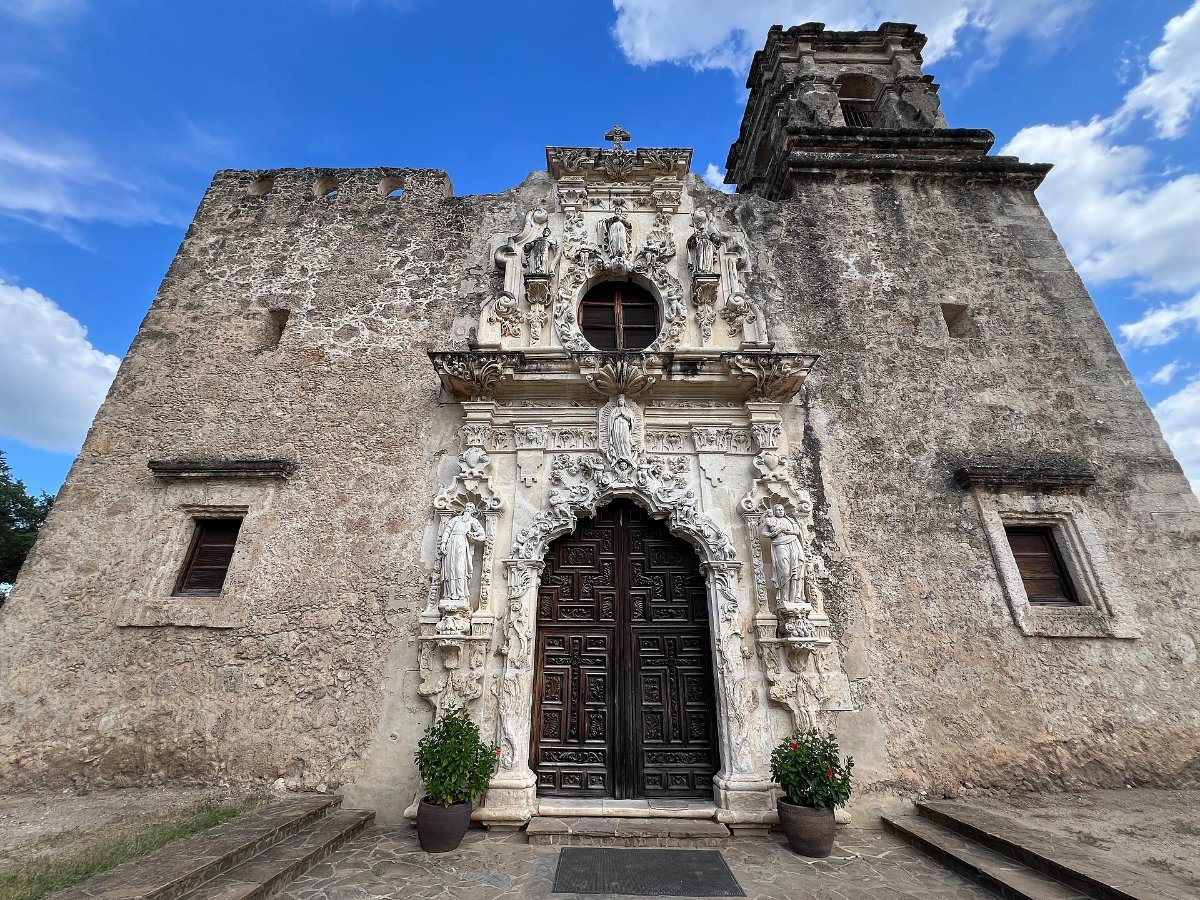
Four Spanish colonial missions from the 1700s run south along the river, and together with the Alamo they’re a UNESCO World Heritage Site. They’re active parish churches as well as monuments.
Mission San Jose is the grandest, with a restored granary, mill and the famous Rose Window. Mission Concepcion has original frescoes still on the walls. San Juan and Espada are smaller and quieter.
All free. The Mission Reach hike-and-bike trail links them along the river, about eight miles, and hiring a bike is the best way to do the lot in a morning.
Day 2, Afternoon: Main Plaza and the Old Centre
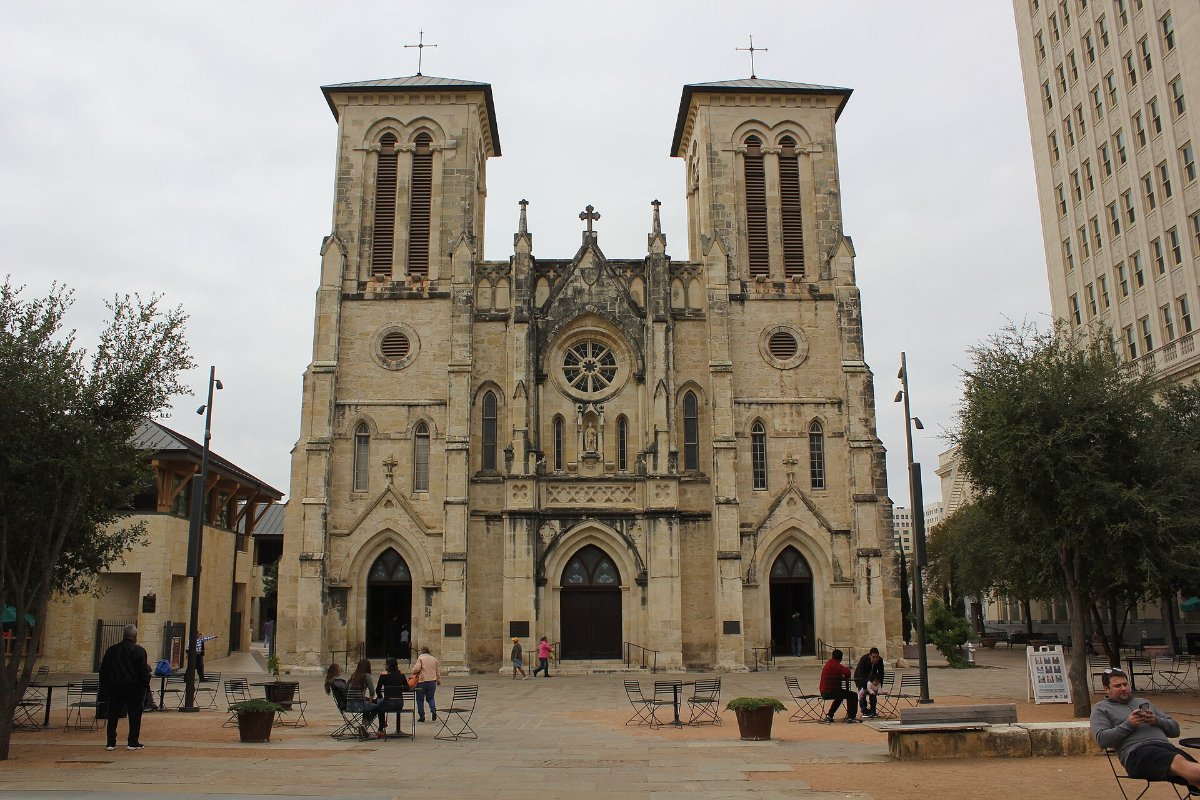
San Fernando Cathedral on Main Plaza was founded in 1731, which makes it one of the oldest cathedrals in the United States.
At night, a light show called San Antonio, The Saga is projected onto the cathedral facade several evenings a week. Free, about 25 minutes, and genuinely well done.
Nearby, La Villita is a restored village of craft shops, and Market Square is the largest Mexican market in the US, which is touristy and worth an hour for the food.
The Spanish Governor’s Palace, a block away, is a low whitewashed 18th century house with a courtyard and almost nobody in it.
Day 3: Choose Your Own
Three good options depending on who you’re travelling with.
Families: SeaWorld and Six Flags Fiesta Texas are both here and both are full days. The Witte Museum and the DoSeum are better value and closer in.
History and art: the McNay is an art museum in a Spanish colonial revival mansion with grounds, and it’s lovely. The Briscoe Western Art Museum sits on the river.
Outdoors: the Japanese Tea Garden in Brackenridge Park is free and built into an old limestone quarry. The Natural Bridge Caverns are half an hour north.
Or use the day for the Hill Country, with Fredericksburg about 90 minutes away.
Eating in San Antonio
Tex-Mex was essentially invented here and the city takes it seriously. Puffy tacos are the local speciality: fried masa shells that puff up in the oil.
Breakfast tacos are a daily institution and cost a couple of dollars each. Barbacoa on a Sunday morning, traditionally with pan dulce, is the weekend ritual.
The Mexican food here is more interior Mexican and less Tex-Mex than in Austin or Dallas, reflecting who actually lives here.
Skip the River Walk chains for dinner. Southtown, the Pearl and the King William district all do better for the same money 🙂
Getting Around
Downtown, the Alamo, the River Walk and La Villita are all walkable from each other.
For the missions you’ll want a bike or a car. There’s a bus route that serves them, and the VIA Viva service links the main attractions.
Parking downtown is manageable and cheaper than most big American cities. The airport is only 15 minutes out.
When to Go
March to May and October to November. Warm, not brutal, and the wildflowers are out in spring.
Summer is genuinely hot, regularly 35 to 38 degrees with humidity, and the River Walk’s shade and the river breeze become a real advantage.
Fiesta San Antonio in April is an eleven day citywide festival with parades, including one that takes place on the river. Book far ahead for that week.
Winter is mild and quiet and the city does Christmas lights on the river beautifully.
Common Questions
How many days do you need in San Antonio? Three. Two for downtown and the missions, one for whatever suits your group.
Is the Alamo worth visiting? Yes, for an hour, as long as you know it’s small and surrounded by modern downtown.
Is the River Walk touristy? The central loop, very. The Museum Reach and Mission Reach are quiet and much better.
Do I need a car? Not for downtown. Yes for the missions unless you cycle, and for any day trips.
San Antonio or Austin? San Antonio for history, missions and walkability. Austin for music, food trucks and nightlife. They’re 80 minutes apart, so do both.