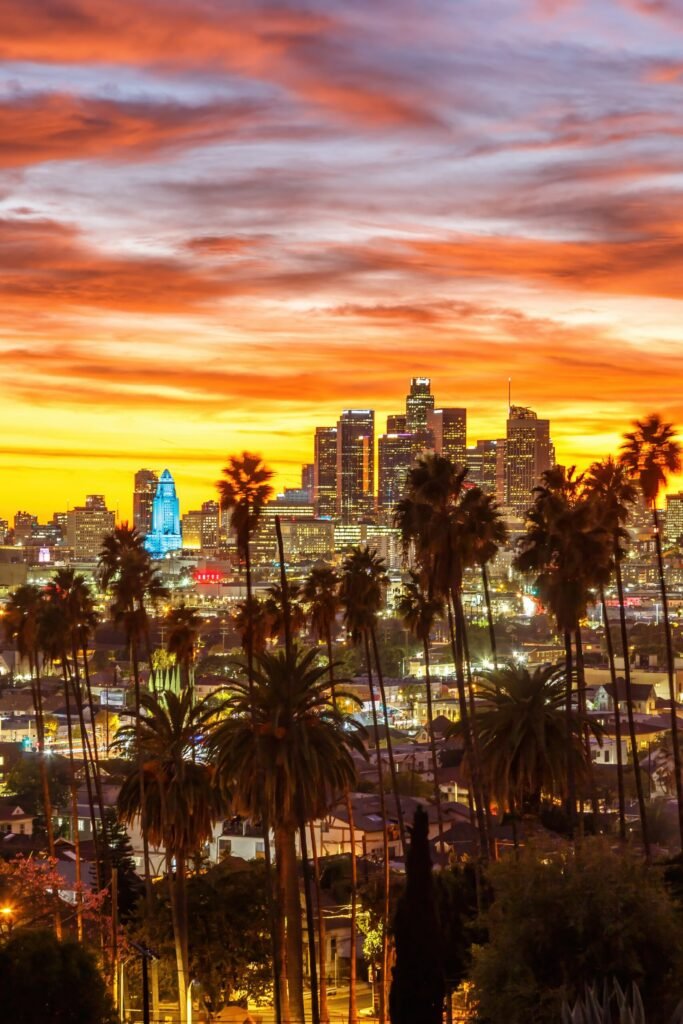
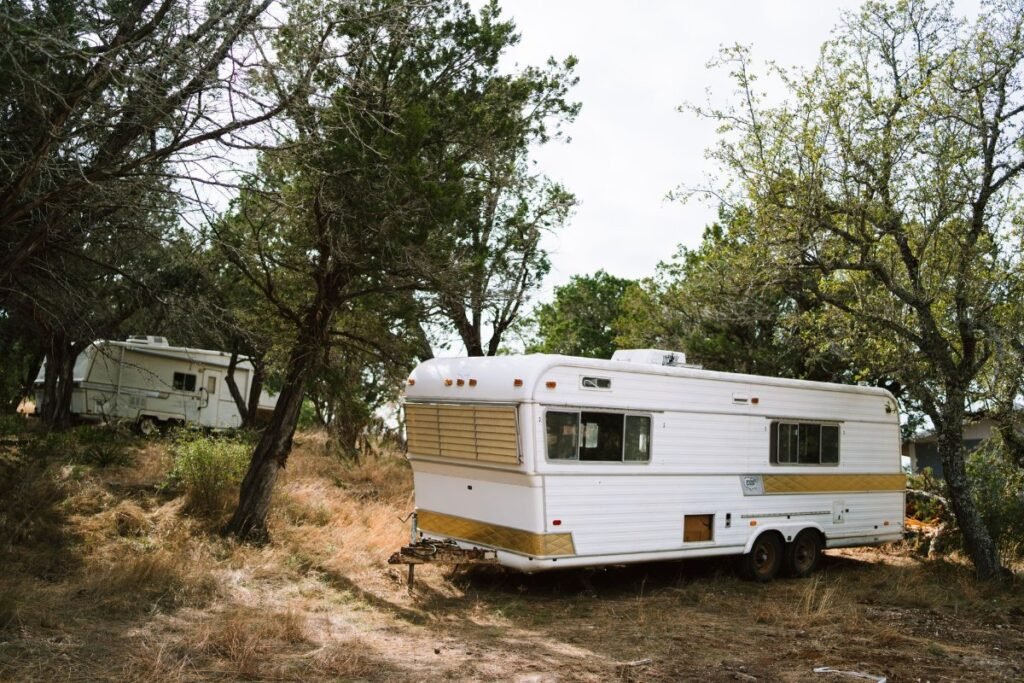
Most people’s idea of Texas is flat, brown and enormous. The Hill Country is none of those things.
It’s a limestone plateau west of Austin and north of San Antonio, all rolling hills, spring-fed rivers, oak groves and small towns founded by German settlers in the 1840s. There are vineyards. There are peach orchards.
You can loop the best of it in three days from either city. Here’s the route.
Fredericksburg, the Obvious Base
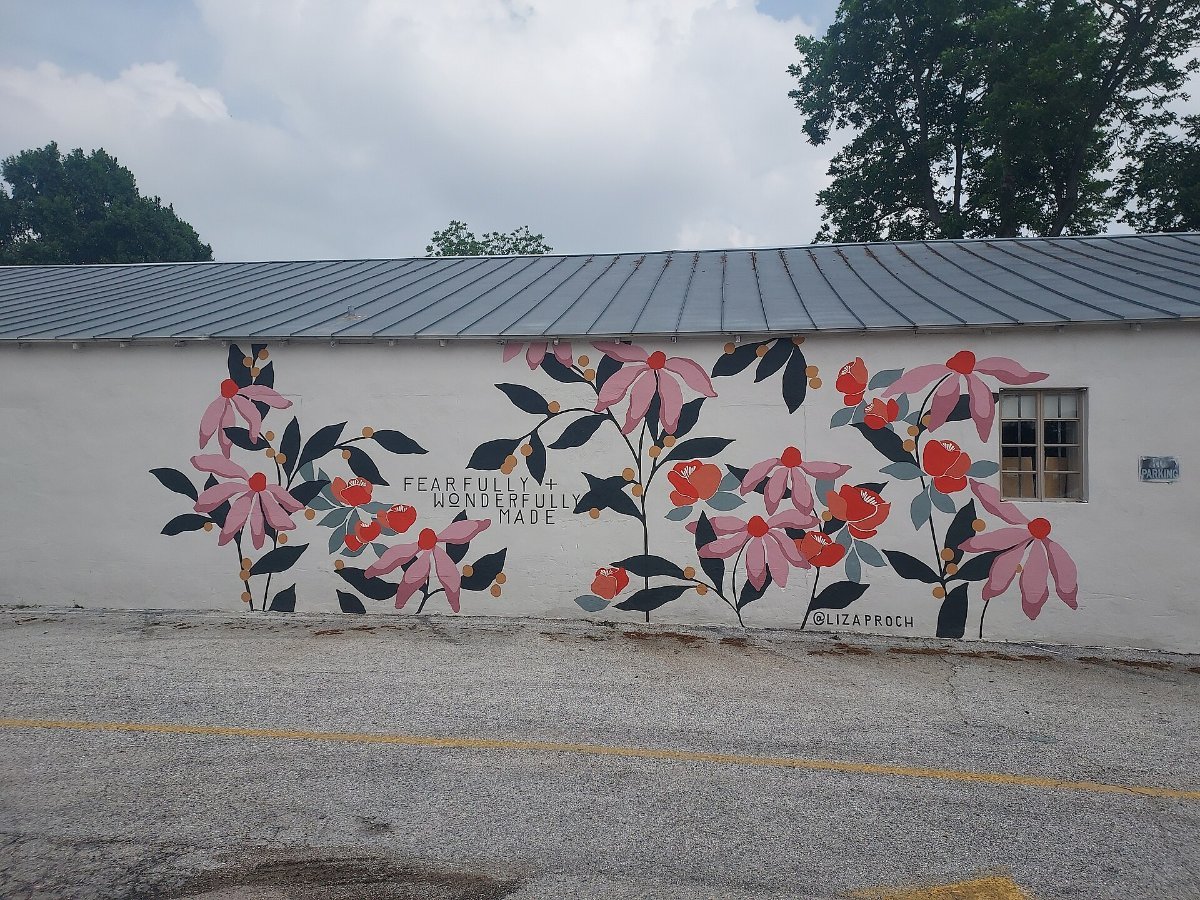
Founded in 1846 by German immigrants, and the German thing is not a gimmick. Street names are German, there are biergartens, and until the mid 20th century a local dialect called Texas German was still spoken.
Main Street is a long run of limestone buildings with shops, tasting rooms and bakeries. It’s touristy in a pleasant, well-kept way.
The National Museum of the Pacific War is here, which sounds like an odd fit until you learn Admiral Nimitz was born in the town. It’s excellent and it takes half a day.
Stay here for two nights. It’s central to everything else on this list.
Wine Country, Which Surprises People
Texas is now one of the largest wine-producing states in America and most of it happens along Highway 290 east of Fredericksburg.
Around 50 wineries sit along a 20 mile stretch. Tempranillo, viognier and mourvedre do well in the heat, and the quality has climbed sharply in the past decade.
Weekends get very busy with party buses. Go on a weekday and you’ll have the tasting rooms largely to yourself.
Designate a driver or book a tour. The road is a highway and the sheriffs are attentive.
▶ Watch This Before You Go
Enchanted Rock
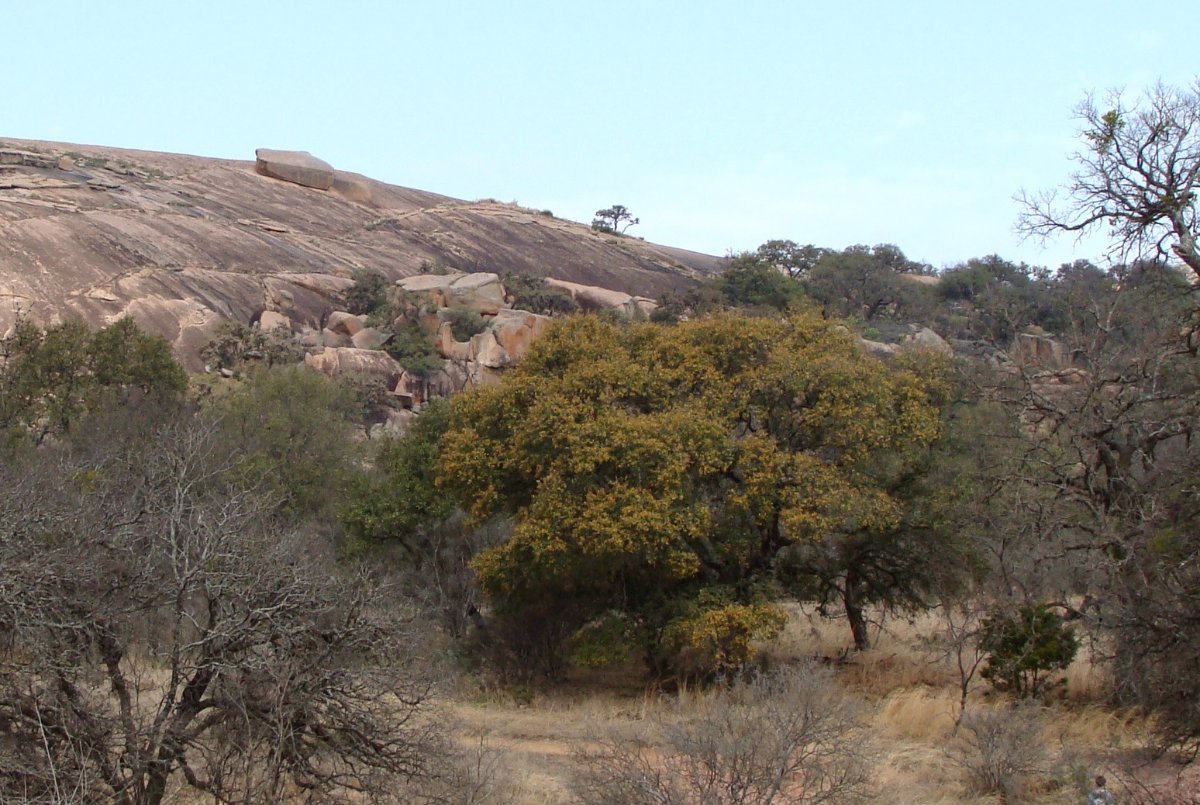
A pink granite dome rising 425 feet out of the surrounding scrub, and the second largest of its kind in the United States.
The summit trail is 0.8 miles each way and steep, more of a climb up bare rock than a hike. Forty minutes up, and the view runs for miles in every direction.
The Comanche and Tonkawa believed the rock made noises at night, which it does, as the granite cools and contracts. Hence the name.
Day passes must be booked online in advance and they sell out on weekends. Go early, the rock gets brutally hot by midday and there’s no shade at all.
Luckenbach, Population Roughly Three
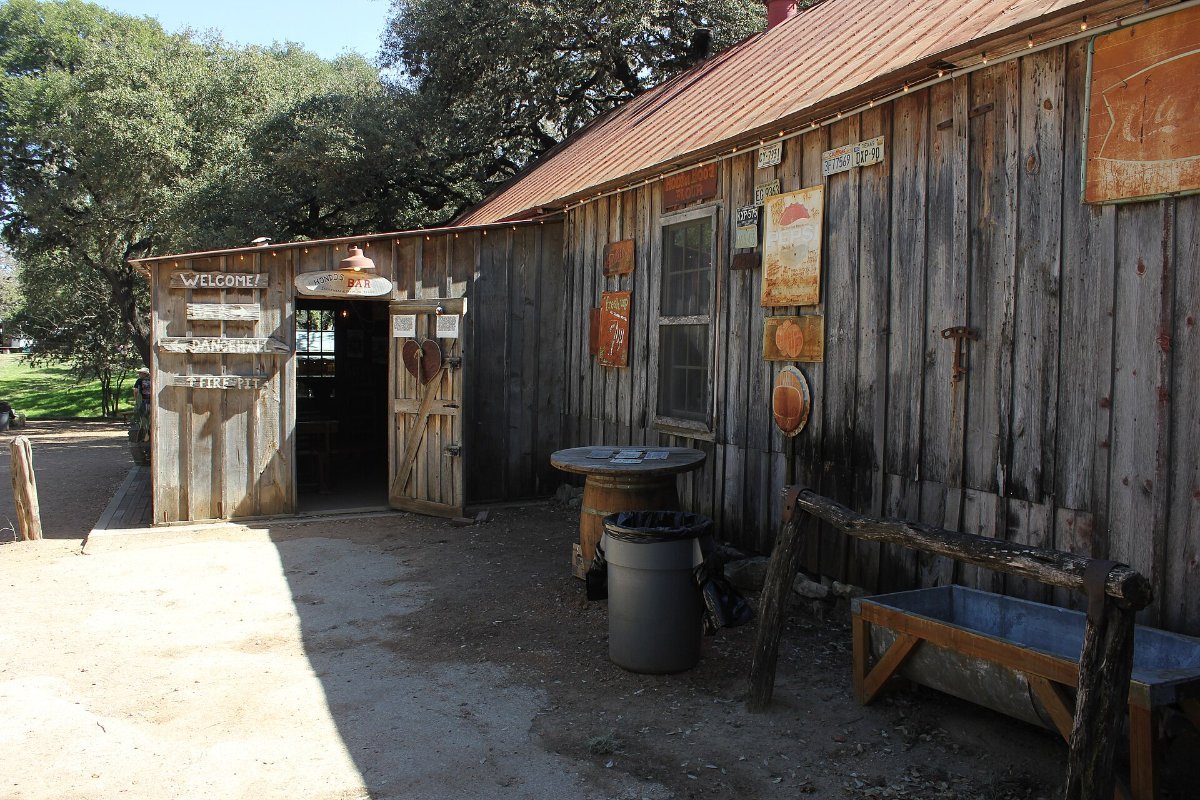
A general store, a post office and a dance hall under oak trees, made famous by the Waylon Jennings and Willie Nelson song in 1977.
There’s live music most afternoons, usually someone with a guitar under the trees, and people just sit around listening with a beer. Chickens wander through.
It takes an hour and it’s completely free unless you buy something. It’s also the single most Texas thing in this article.
Gruene and the Dance Halls
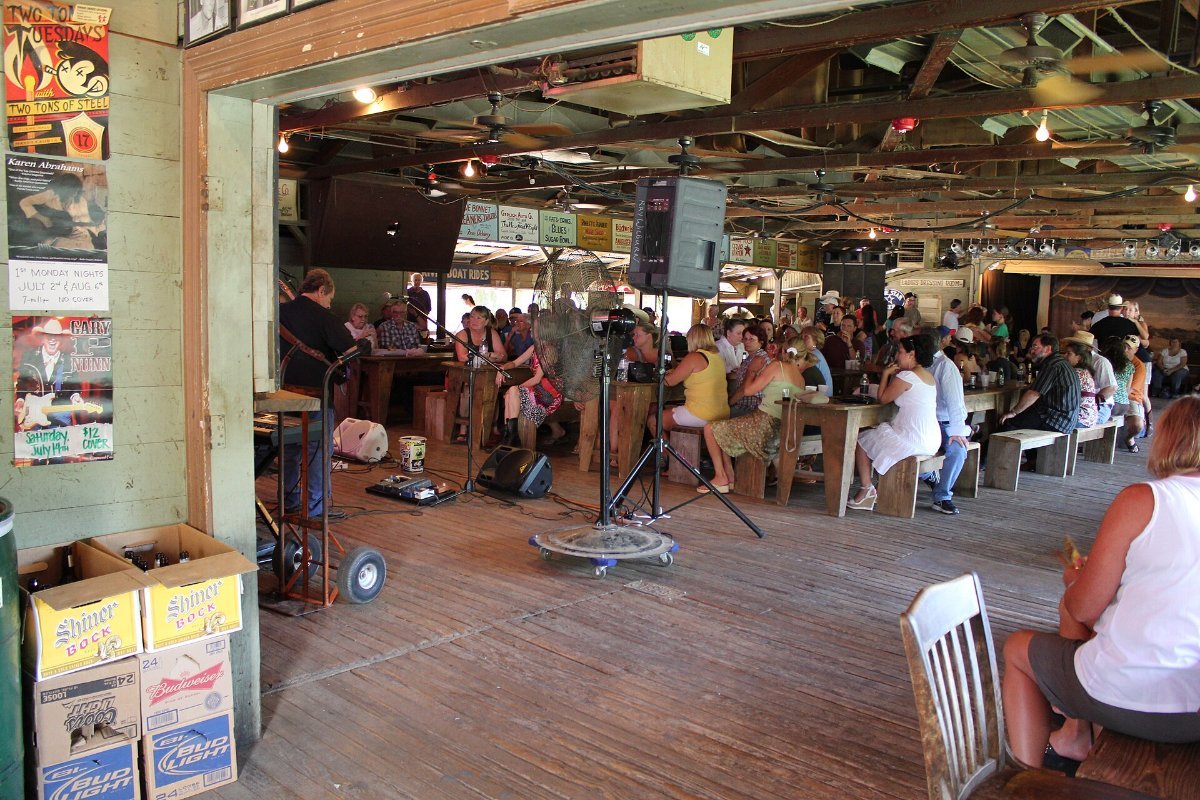
Pronounced “green”. A historic district within New Braunfels, with the oldest dance hall in Texas, opened 1878 and barely altered since.
Gruene Hall has no air conditioning, side flaps that open onto the fields, and a stage that’s hosted Willie Nelson, Lyle Lovett and George Strait. There’s live music most nights and often no cover charge.
The Hill Country dance hall tradition came over with the German and Czech settlers and there are still dozens scattered across the region. Twin Sisters, Anhalt, Kendalia.
Go to one. It’s a genuine living tradition rather than a heritage exhibit.
The Swimming Holes
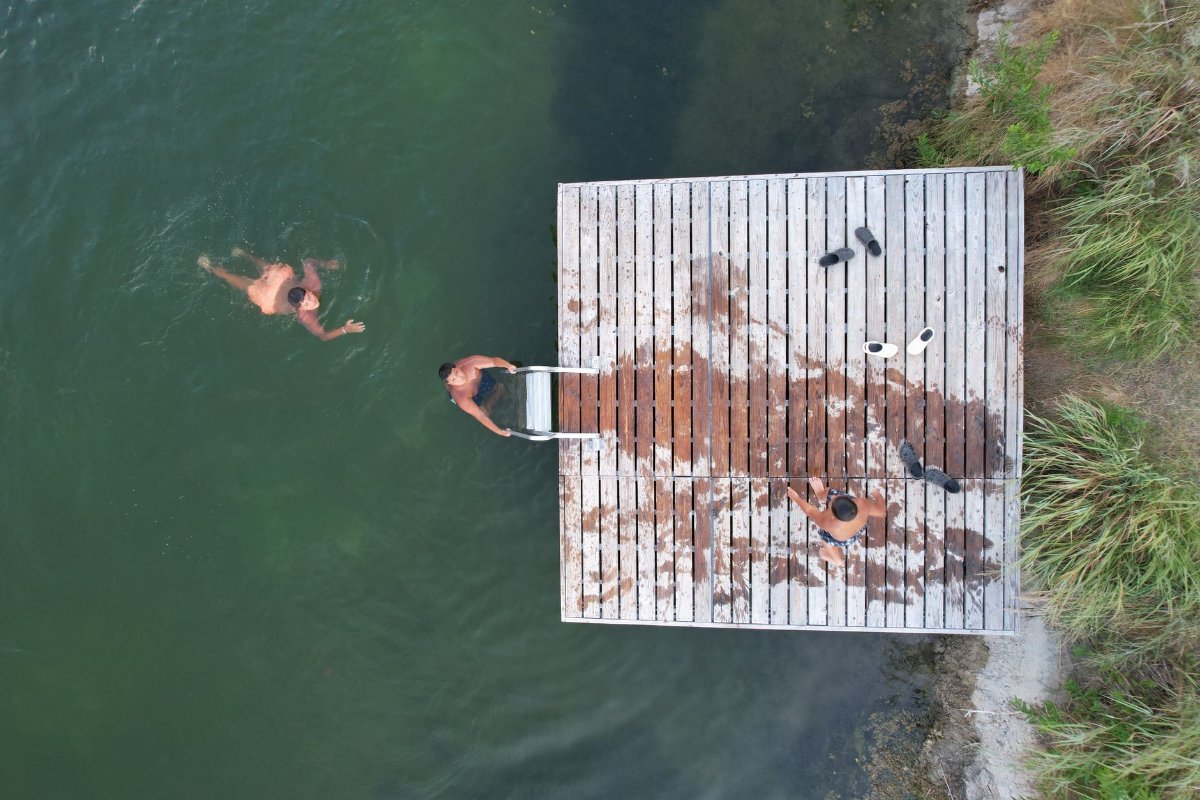
The Hill Country runs on spring-fed water and it stays around 20 degrees Celsius year round, which in a Texas August is the entire point.
Hamilton Pool is a collapsed grotto with a waterfall dropping into a jade green pool. Reservations are essential and open months ahead. Swimming is sometimes closed for bacteria levels, so check.
Jacob’s Well near Wimberley is a deep artesian spring, and also requires booking. Krause Springs is privately owned, less regulated and lovely. Blue Hole in Wimberley has cypress trees with rope swings.
Tubing the Guadalupe or Comal rivers is the other local ritual: hire an inner tube, float for a few hours, get a shuttle back.
The Towns Worth the Detour
Wimberley for the square, the galleries and the Wednesday market. Comfort has an intact 19th century business district and almost no tourists.
Bandera calls itself the Cowboy Capital of the World and has rodeos and dude ranches, which is either charming or a lot depending on your mood.
Marble Falls and Burnet sit on the Highland Lakes at the northern edge. Blanco has a courthouse square and a very good lavender farm in June.
Johnson City has the LBJ ranch and boyhood home, run by the National Park Service and free.
Barbecue, Which Deserves Its Own Section
Central Texas barbecue is beef, salt, pepper and post oak smoke, and nothing else. No sauce on the meat. Brisket is the measure of a place.
Lockhart, an hour east, is the official Barbecue Capital of Texas by act of the legislature, and has four legendary places within a few blocks.
The famous joints open early and sell out by early afternoon. Queueing for two hours is normal and, at the best of them, entirely justified.
Served on butcher paper, eaten with white bread, pickles and onions. Do not ask for a plate 🙂
When to Go
Late March and April, without hesitation. That’s bluebonnet season, when the state flower covers the roadsides and fields in blue, and the temperature sits around 24 degrees.
It’s also peak season, so book ahead. The wildflower timing shifts each year depending on winter rain, and the state publishes reports.
October and November are the quieter second choice, with mild weather and a bit of colour on the cypress trees.
June to September is very hot, regularly 37 degrees plus. Doable if you plan around the swimming holes, unpleasant otherwise.
Common Questions
How many days do you need in the Texas Hill Country? Three is right for a loop from Austin or San Antonio. Two if you base in Fredericksburg and stay close.
When do the bluebonnets bloom? Late March into April, peaking for about three weeks and varying with winter rainfall.
Do I need to book the swimming holes? Hamilton Pool and Jacob’s Well, yes, well in advance. Krause Springs and Blue Hole are easier.
Is Texas wine any good? Genuinely, yes, and it has improved a lot. Tempranillo and viognier are the standouts.
Austin or San Antonio as a base? San Antonio is slightly closer to the southern Hill Country and cheaper. Austin has better flight connections.