
The Real Cost of Living in Madrid in 2026
Madrid has gone up. Anyone who tells you it’s still the cheap European capital hasn’t rented here recently.

In this guide
It’s still considerably cheaper than London, Paris, Amsterdam or Dublin. It is no longer cheaper than Lisbon or Porto, and the gap with Valencia has widened a lot.
Here’s what it actually costs, with real numbers rather than the aggregator sites that are usually two years out of date.
Rent, Which Is the Whole Story
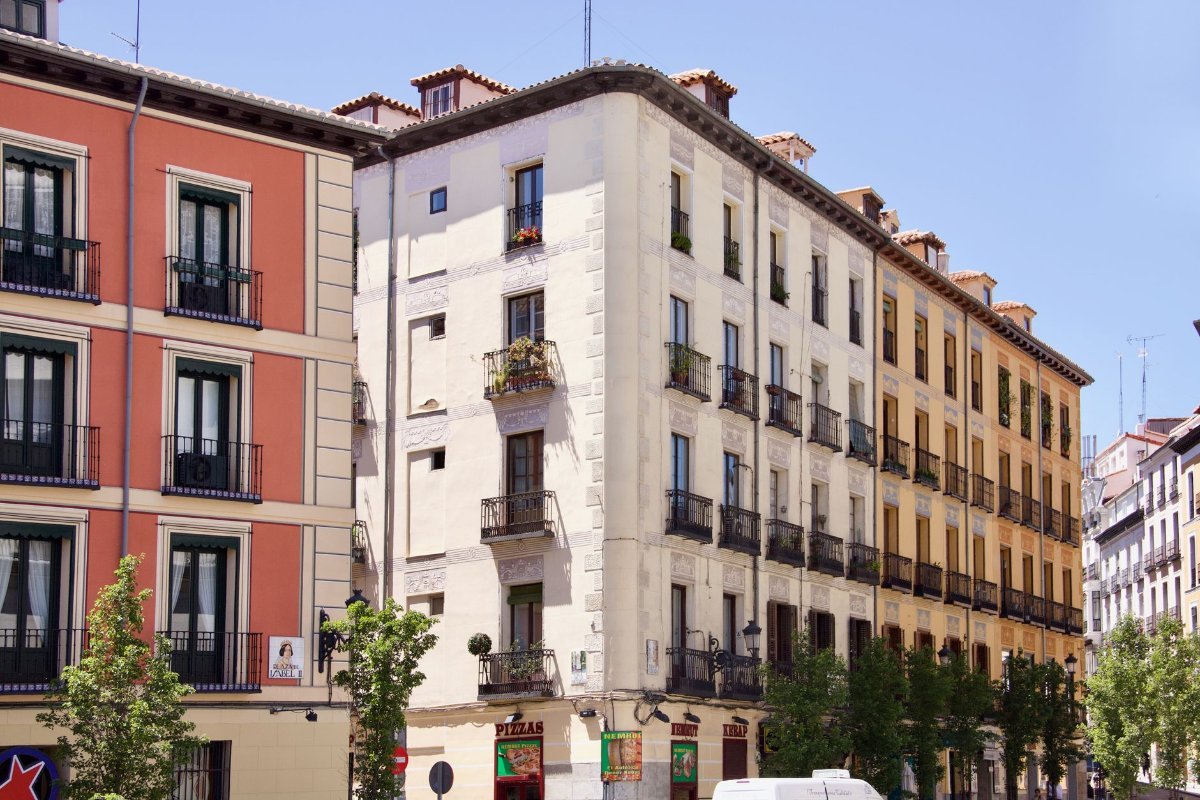
Rent is where your money goes and where Madrid has changed most. Prices have risen sharply since 2021 and supply is genuinely tight.
Rough monthly figures for an unfurnished one-bedroom flat: central barrios like Malasana, Chueca, La Latina or Salamanca run around 1,100 to 1,500 euros. One ring out, in Chamberi, Lavapies or Arganzuela, roughly 900 to 1,200. Further out in Tetuan, Carabanchel or Vallecas, around 700 to 950.
A room in a shared flat runs 450 to 700 euros depending on how central and how nice.
Two things bite. Agencies often charge a month’s fee, and landlords typically want two months’ deposit plus proof of income at three times the rent. Getting a flat without a Spanish work contract is genuinely difficult.
The Neighbourhood Trade-Off
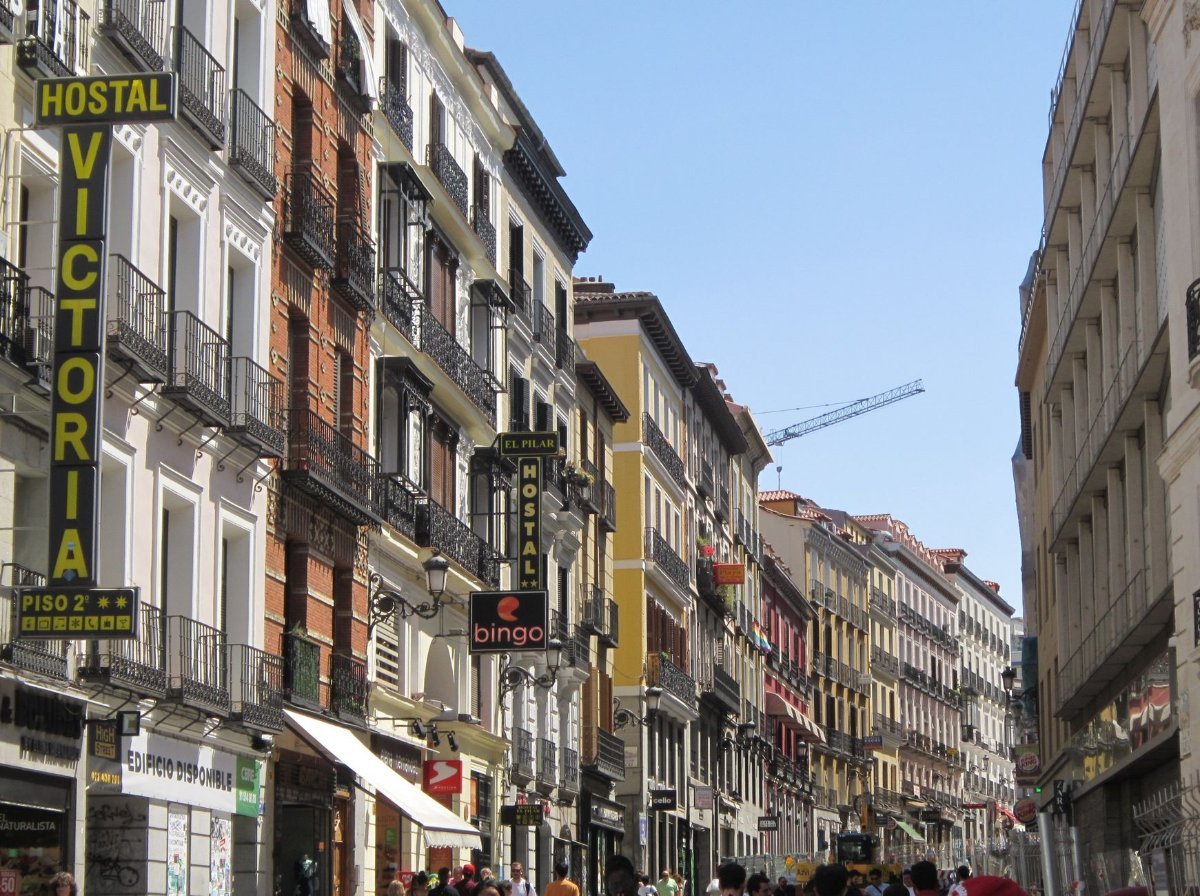
Malasana and Chueca are the fun ones: bars, small shops, young crowd, noisy at weekends. You pay for it and you will hear the street until 3am on a Saturday.
Chamberi is the quiet middle-class one, extremely liveable, and probably the best value for how central it is. La Latina is old Madrid, gorgeous, and the flats are small and old with it.
Salamanca is the smart, expensive, slightly sterile district. Lavapies is the most mixed and the cheapest of the central options.
Going one metro stop further out saves you 200 euros a month, reliably. That’s the single biggest lever most people don’t pull.
▶ Watch This Before You Go
Bills and Utilities
Electricity is the one that surprises people. Spain has high electricity prices and Madrid flats are often poorly insulated with no central heating.
Budget 60 to 120 euros a month for electricity, swinging high in January and August when you’re heating or cooling hard. Gas, if you have it, adds 30 to 50 in winter.
Water is cheap, around 25 to 35 euros a month. Internet with a decent fibre package is 30 to 45. Mobile with a lot of data runs 10 to 20.
Community fees are usually the landlord’s problem in a rental, but check, because sometimes they aren’t.
Food and the Weekly Shop

This is where Madrid is still genuinely good value. A single person doing a normal shop spends roughly 200 to 280 euros a month.
Mercadona and Lidl are where most people go. Carrefour is bigger and slightly dearer. The neighbourhood markets are better quality and cost more, though the fruit and veg stalls are often cheaper than the supermarket.
The menu del dia is the great Spanish institution: a fixed three-course lunch with bread and a drink, typically 12 to 16 euros in Madrid now, up from around 10 a few years ago.
Dinner out at a normal neighbourhood place with wine runs 25 to 40 euros a head. A cana of beer is 2 to 3.50 depending on the barrio, and it usually still comes with something to eat.
Getting Around

Transport in Madrid is genuinely cheap and very good, which offsets a lot of the rent.
The monthly abono for zone A is around 55 euros for adults, and under 26 it drops to about 20 euros for the whole region, which is remarkable.
Metro runs until 1:30am, buses run all night, and most central residents don’t own a car. If you do, parking permits, insurance and fuel add several hundred a month.
Taxis and ride apps are cheaper than northern Europe. A cross-city trip is usually 10 to 15 euros.
Healthcare
If you’re working and paying social security, public healthcare is free at the point of use and generally good.
If you’re on a non-lucrative or digital nomad visa, you need private insurance. That runs roughly 50 to 120 euros a month depending on age and cover.
Plenty of residents who qualify for public healthcare still take out cheap private cover to skip specialist waiting lists. That’s a common and sensible middle path.
What a Month Actually Looks Like
Single person, one-bedroom flat one ring out from the centre, living reasonably but not extravagantly:
Rent 1,000. Utilities and internet 150. Food shopping 250. Eating and drinking out 250. Transport 55. Phone 15. Gym 40. Insurance 70. That’s roughly 1,830 euros a month.
Sharing a flat instead drops that to about 1,300. A couple sharing a one-bedroom lands around 2,500 to 2,800 combined, so meaningfully less each.
Comfortable rather than tight starts around 2,200 a month for one person. Anything under 1,500 means a shared flat and real care.
Madrid vs Valencia vs Barcelona

Valencia is roughly 25 to 35 percent cheaper on rent for a comparable flat, and it’s on the sea. That’s the honest comparison and it’s why so many people choose it.
Barcelona is broadly similar to Madrid on rent, sometimes higher, with a tighter market and more restrictions on tourist lets pushing prices about.
What Madrid buys you: more jobs, better transport, a bigger international scene, and the best rail connections in Spain. It’s the trade of sea for opportunity.
The Things That Catch People Out
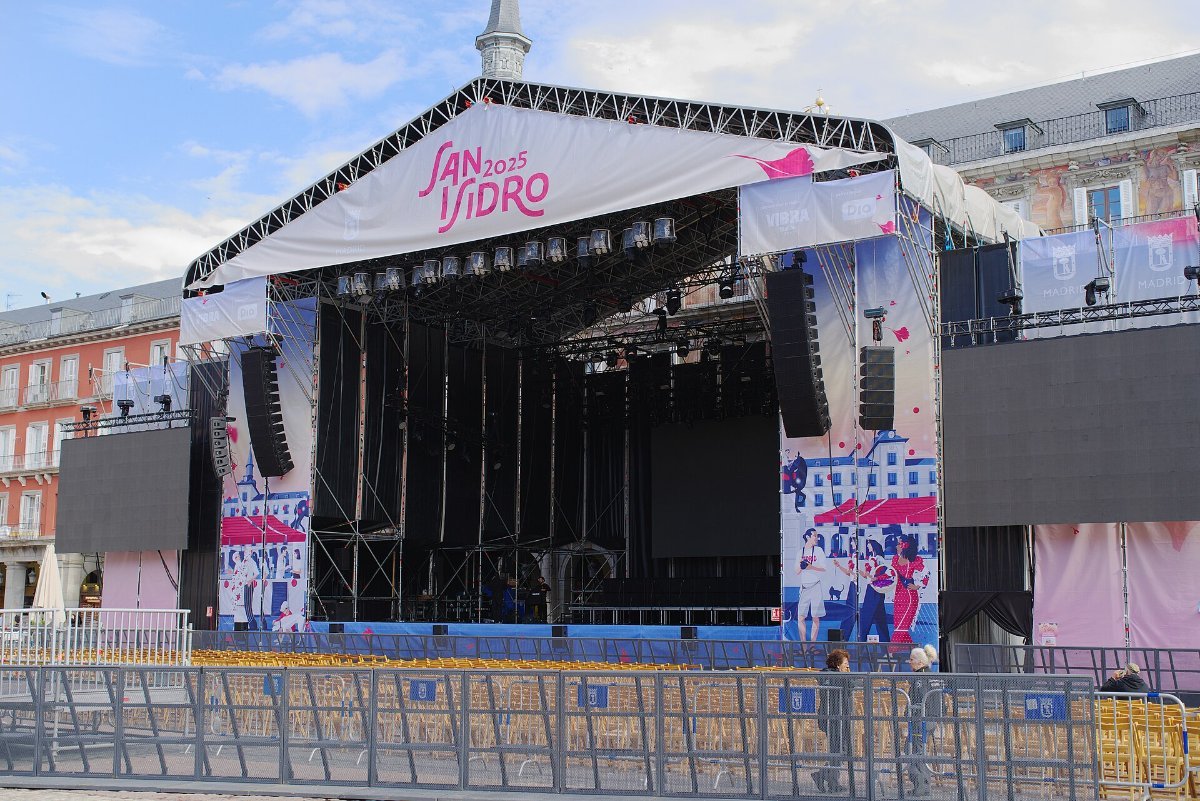
August. The city genuinely empties and a lot of small businesses shut for the month. It’s also 38 degrees. Locals leave for a reason.
Bureaucracy takes time and money. NIE, empadronamiento, bank account, social security. Budget several hundred euros and a lot of appointments, and consider paying a gestor to handle it.
Salaries are lower than northern Europe. That’s the flip side of the cost of living, and if you’re earning locally rather than remotely the maths is much tighter than the price list suggests :/
Common Questions
How much do you need to live in Madrid?
Around 1,800 euros a month for a comfortable single life in a one-bedroom flat. About 1,300 sharing.
Is Madrid cheaper than Barcelona?
Marginally, on rent, and the difference has narrowed. Day-to-day costs are very similar.
What’s the cheapest area to live in Madrid?
Carabanchel, Usera, Vallecas and parts of Tetuan, all well connected by metro and 30 to 40 percent cheaper than the centre.
Do I need a car in Madrid?
No. Public transport is excellent and a car is a liability in the centre with the low-emission zone restrictions.
Can you live in Madrid on 1,500 euros a month?
Yes, in a shared flat, cooking most meals and not going out heavily. In your own place it’s very tight.