
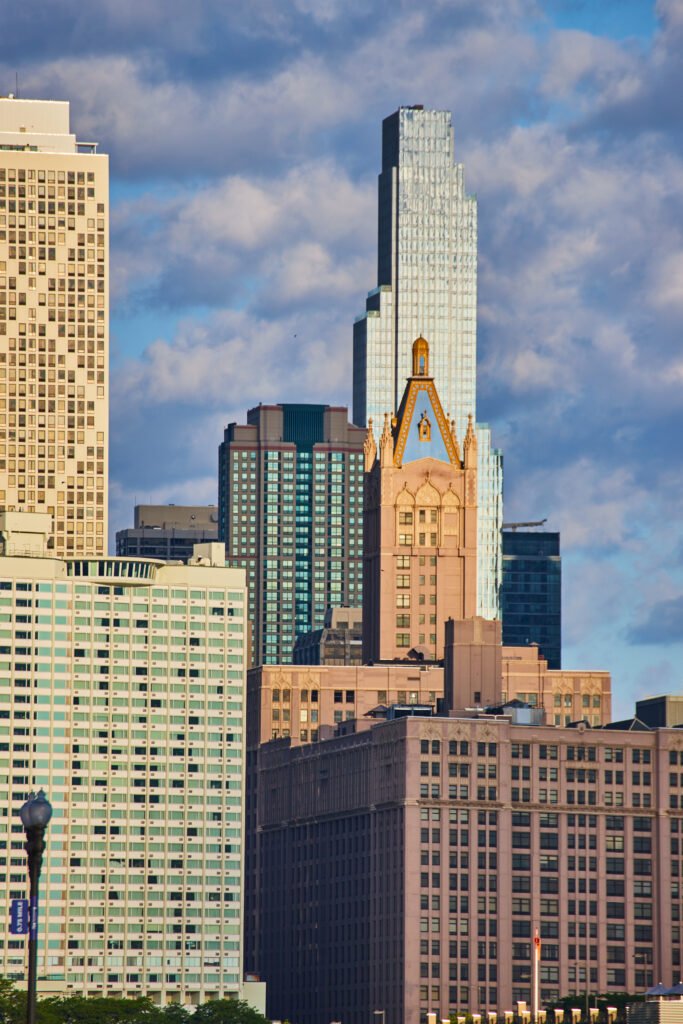
Chicago rewards a well-planned three days better than almost any other American city, since the highlights cluster into walkable neighborhoods without the exhausting sprawl of somewhere like LA. You get iconic architecture, genuinely excellent food, and lakefront views without needing a car for most of it.
Here’s a day-by-day breakdown covering everything worth your limited time.
Three days is enough to hit the essentials without feeling rushed, as long as you group your stops by neighborhood instead of bouncing across the city.
Day 1: The Loop and Millennium Park
Start downtown at Millennium Park, home to the Cloud Gate sculpture that everyone calls “The Bean.” Arrive early if you want photos without dozens of other tourists crowding your shot, since this spot gets packed by mid-morning.
From there, walk to the Art Institute of Chicago, one of the best art museums in the country and genuinely worth a full morning if you’re into art at all. The museum’s collection of Impressionist works alone justifies the ticket price for most visitors.
Spend your afternoon exploring the Loop’s architecture, ideally with a river architecture boat tour that explains the buildings you’re seeing from the water. Chicago’s skyline tells the story of modern architecture better than any other American city, and a guide makes that history click in a way that just looking up doesn’t.
Day 1 Evening: Deep Dish and the Skydeck
Grab deep dish pizza for dinner, since skipping this on your first night in Chicago feels like a genuine missed opportunity. Reservations matter at the famous spots, especially on weekends, so book ahead rather than showing up and waiting an hour.

Head up the Willis Tower Skydeck or the 360 Chicago observation deck afterward for sunset views over the lake and skyline. Is one significantly better than the other? Genuinely, they’re comparable, so pick whichever fits your evening’s geography better.
Day 2: Museum Campus and the Lakefront
Museum Campus houses the Field Museum, Shedd Aquarium, and Adler Planetarium all within walking distance of each other, making this an easy full-day stop if you love museums. Pick one or two rather than all three, since trying to properly see all of them in a single day leaves you rushing through each.
The Field Museum’s dinosaur collection genuinely impresses even visitors who don’t consider themselves museum people. Sue, the massive T-Rex skeleton, remains one of the most complete specimens ever found and anchors the museum’s main hall.
A few practical things to know about visiting Museum Campus:
- Combo tickets save real money if you’re planning to hit more than one museum
- Weekends run busiest, so weekday visits mean shorter lines and calmer crowds
- The lakefront trail connects all three museums, making walking between them genuinely pleasant
- Free admission days exist for Illinois residents, worth checking if that applies to you
- Parking is expensive downtown, so consider rideshare or public transit instead
Day 2 Afternoon: Navy Pier and the Lakefront Trail
Navy Pier gets mixed reviews from locals, who often consider it overly touristy, but it’s still worth a walk for the lake views and the historic Ferris wheel. Skip the pricier attractions here unless you’re traveling with kids who’d genuinely enjoy them.
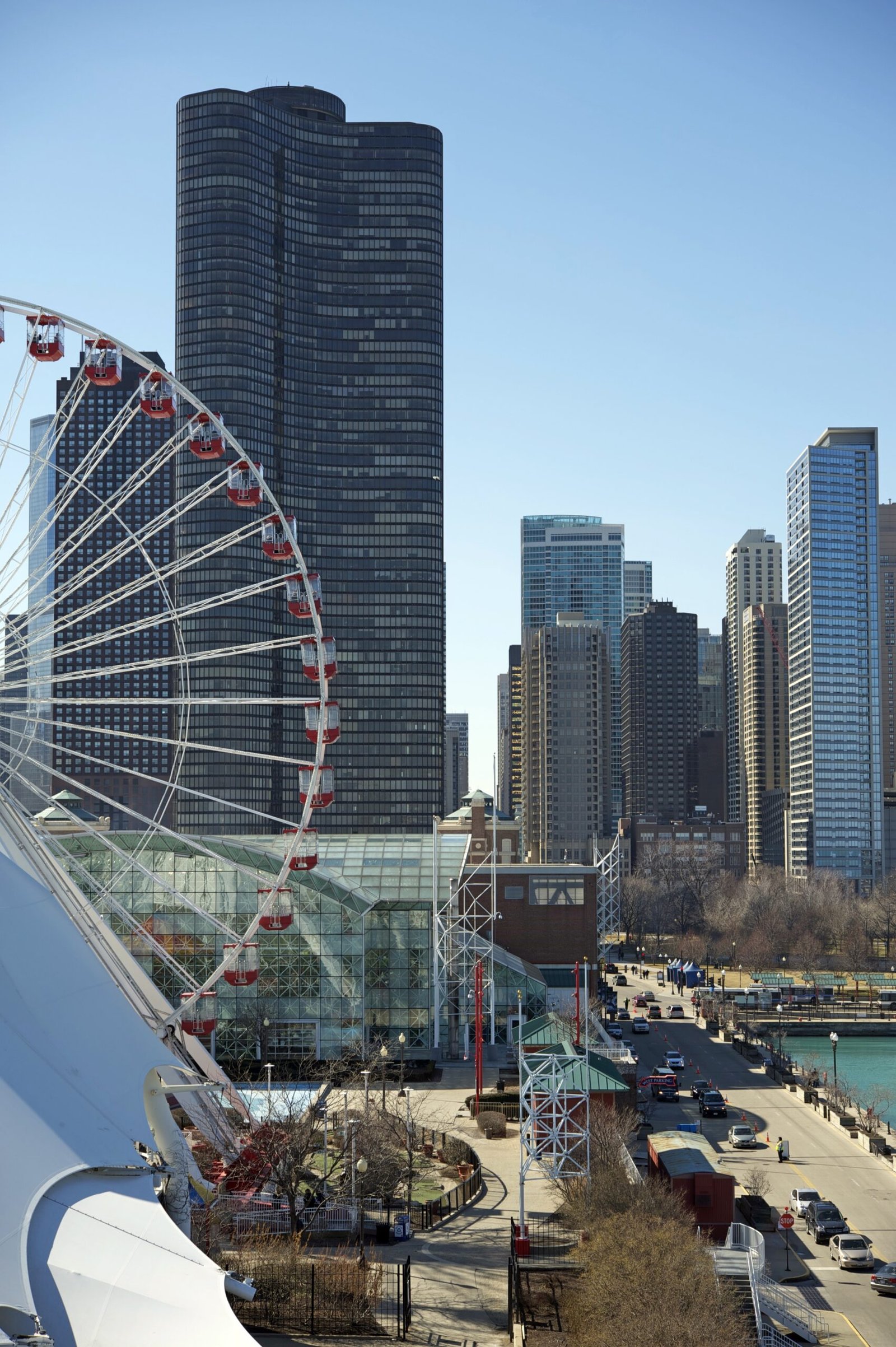
The lakefront trail stretching along Lake Michigan offers some of the city’s best skyline views, and renting a bike here for an hour makes for a genuinely scenic afternoon. IMO the lakefront is one of Chicago’s most underrated features, since visitors often focus entirely on downtown and miss how much the water shapes the city’s character.
Day 2 Evening: Neighborhood Dining Beyond Downtown
Venture into a neighborhood like Wicker Park, Logan Square, or the West Loop for dinner, since Chicago’s best food increasingly lives outside the immediate downtown core. The West Loop specifically has become a genuine dining destination, with restaurants that rival anything you’d find in the Loop at often better prices.
Real talk, skipping downtown restaurants entirely for at least one dinner gives you a much better sense of how Chicagoans actually eat. The neighborhood scenes here feel distinctly different from the tourist-heavy stretches near Michigan Avenue.
Day 3: Wrigleyville or Hyde Park
Your final day depends heavily on personal interest and season. Baseball fans should absolutely visit Wrigley Field, whether or not a game is happening during your trip, since the neighborhood surrounding it has a genuine energy worth experiencing.
Alternatively, Hyde Park offers the University of Chicago’s beautiful campus and the Museum of Science and Industry, a quieter but genuinely rewarding half-day if massive crowds aren’t your thing. This neighborhood feels noticeably different from downtown, with a more academic, residential character.
Day 3 Continued: Magnificent Mile Shopping
If shopping interests you, the Magnificent Mile along Michigan Avenue delivers a dense stretch of major retailers and department stores. This isn’t uniquely Chicago, so treat it as a lower priority if your time is limited and other cities have already satisfied your shopping itch.
Water Tower Place anchors this stretch with an indoor mall if weather turns, which happens often enough in Chicago to be worth knowing about ahead of time.
What’s Overrated on a Short Trip
The Chicago Riverwalk gets a lot of hype but delivers a fairly standard waterfront walk that doesn’t quite match the buzz around it. It’s pleasant, sure, but don’t reroute significant time away from other priorities just to walk its full length.
Getting Around Chicago
The L train system covers most of what visitors need efficiently, and a three-day CTA pass genuinely simplifies your logistics compared to constant rideshare costs. Download the Ventra app before you arrive, since it makes fare payment and trip planning noticeably easier.
Walking works well within neighborhoods, but the city’s size means you’ll want the train for longer hops between areas like downtown and Wrigleyville.
What This Trip Actually Costs
Budget $180-250 per day for a comfortable mid-range trip covering a solid hotel, two real meals, museum admissions, and transit. Chicago runs cheaper than New York or San Francisco for genuinely comparable hotel quality.
Want to trim costs? Skip one of the pricier museums, eat lunch from a neighborhood spot instead of a downtown restaurant, and rely on the L train instead of rideshare for most trips.
Best Time to Visit Chicago
Late spring through early fall hits Chicago’s sweet spot, when lakefront activities and outdoor dining genuinely shine. Winter brings brutally cold winds off the lake that make outdoor exploration considerably less pleasant.
Whatever season you land in, pack layers regardless. Chicago’s weather swings dramatically even within a single day, especially near the water.
Common Mistakes First-Timers Make
Trying to cram every major attraction into three days leaves no room to actually enjoy any of them properly. Pick two or three priorities per day and build in buffer time, since Chicago rewards a slightly slower pace better than a checklist-style sprint.
Underestimating how cold the lakefront wind gets, even in shoulder seasons, catches plenty of visitors off guard. Pack a real jacket regardless of what the forecast says for inland temperatures. 😅
Chicago delivers genuinely world-class architecture, food, and lakefront scenery in a package that’s easier to navigate than most major American cities. Hit the highlights downtown, but leave real time for at least one neighborhood beyond the Loop, and your three days will feel complete rather than rushed.