Verona sits between Milan and Venice, and most people either skip it or give it two hours built entirely around a balcony that was added to a building in the 1930s.
Which is a shame, because Verona has a Roman amphitheatre still in use, a genuinely lovely river, and one of the best squares in Italy.
It’s compact enough for a day and good enough to justify a night. Here’s the order I’d do it in.
Start With the Arena
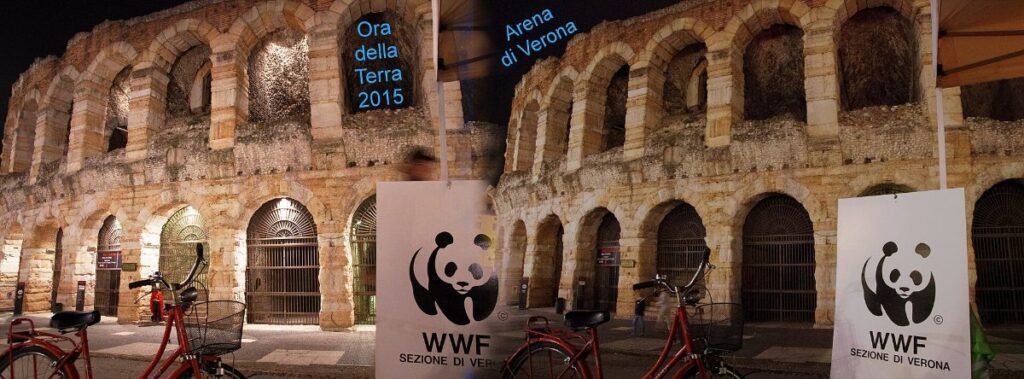
Built around 30 AD, which makes it older than the Colosseum, and it is still in use, which the Colosseum is not.
It seats around 15,000 for the summer opera festival, which has been running since 1913. If you’re here between June and early September, going to a performance is one of the best evenings available anywhere in Italy, and the cheap stone steps at the top cost very little.
Bring a cushion for those seats, and note that people bring candles and light them at dusk before the performance starts. It’s a proper spectacle before anything happens on stage.
In the daytime you can walk in and around the tiers for a small ticket. Half an hour is plenty.
Piazza Bra and the Passeggiata
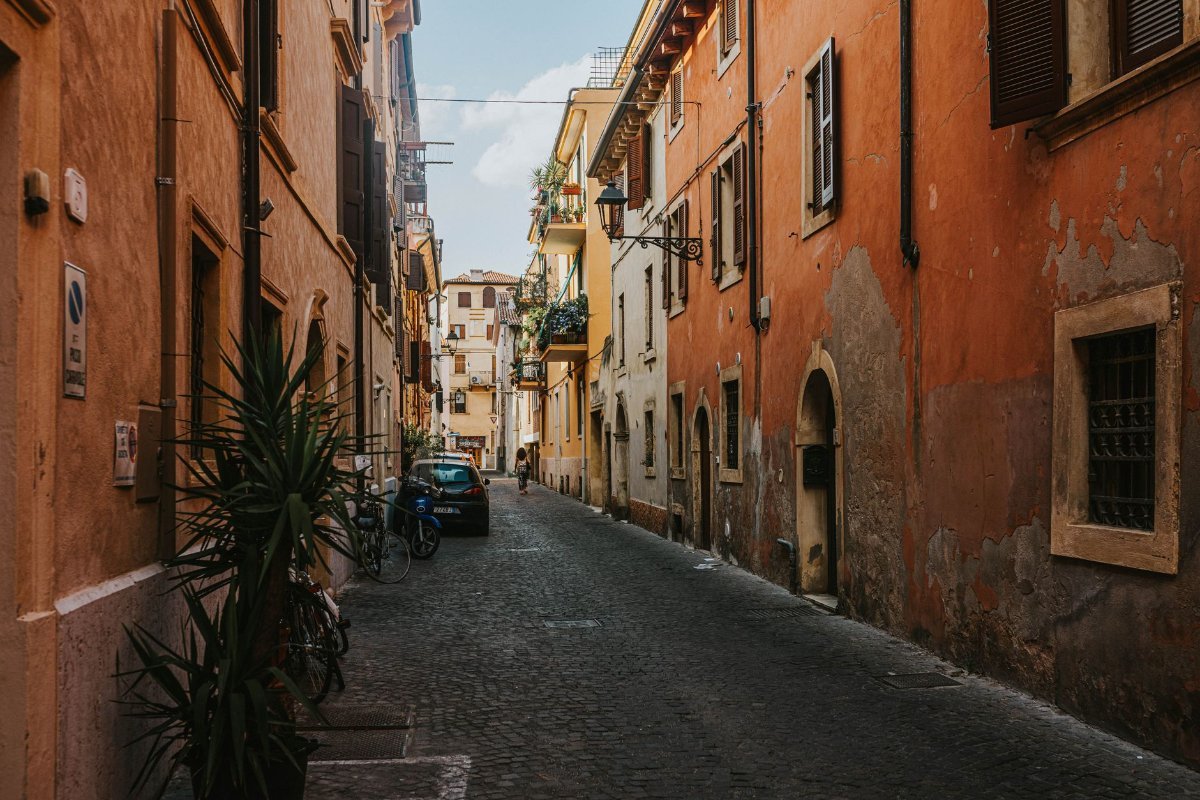
The arena sits on Piazza Bra, which is one of the largest squares in Italy and is lined on one side with a broad pavement called the Liston.
This is where Verona walks in the evening. Cafes, gelato, everyone out. It’s touristy and it’s also genuinely what locals do.
Prices on the square are square prices. Walk a street back and they halve.
▶ Watch This Before You Go
Piazza delle Erbe, the Real Heart
Five minutes north and, in my opinion, the better square. It sits on the footprint of the Roman forum, it’s long and narrow, and every building around it is a different century.
There’s a market in the middle, frescoed facades, a fountain with a Roman statue, and the Torre dei Lamberti standing over it.
Climb the tower. There’s a lift most of the way and then some steps, and the view over the terracotta roofs and the river bend is the best in the city.
The arch between Erbe and the neighbouring Piazza dei Signori has a whale’s rib hanging under it, put there centuries ago, and nobody agrees why.
Juliet’s Balcony, Since You’ll Ask
Let’s be straightforward. The Casa di Giulietta is a real medieval house that belonged to a family called Dal Cappello, which is close enough to Capulet that the city leaned into it.
The balcony was added in 1936. Shakespeare never came to Verona. Juliet did not exist.
The courtyard is free and it’s a crush of people photographing a wall covered in chewing gum and love notes, plus a bronze statue whose right breast has been rubbed shiny by visitors.
Look in for two minutes if you’re passing. Paying to stand on the balcony is, in my honest opinion, the least rewarding ticket in northern Italy :/
Cross the River
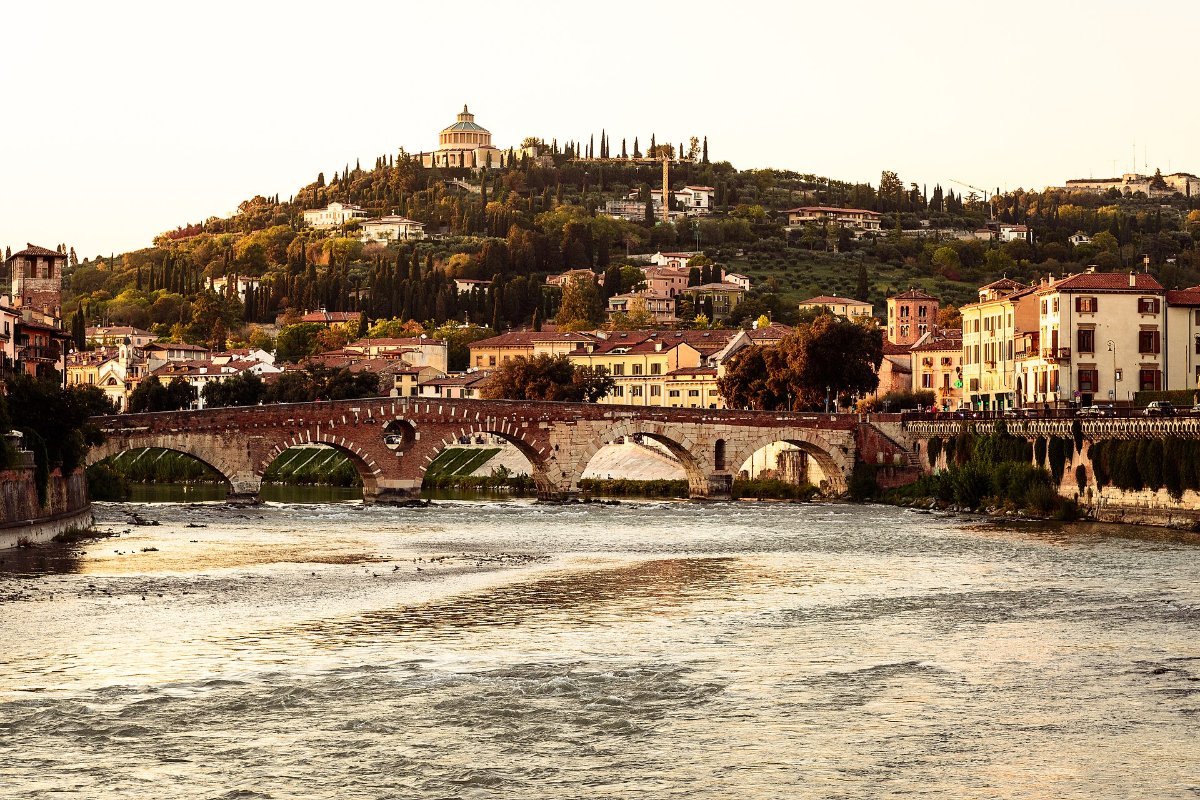
This is the part people skip and it’s the best hour of the day.
Ponte Pietra is a Roman bridge, rebuilt after being blown up in 1945 using the original stones dredged from the river. The mix of white and red stone shows which parts are which.
Cross it and climb to Castel San Pietro. There’s a funicular if you’d rather, or a stepped path that takes about fifteen minutes.
From the terrace at the top you see the whole city: the river looping around the old town, the arena, the towers, the hills behind. It’s free and it’s the photograph you’ll actually keep.
Go around an hour before sunset.
The Roman Theatre
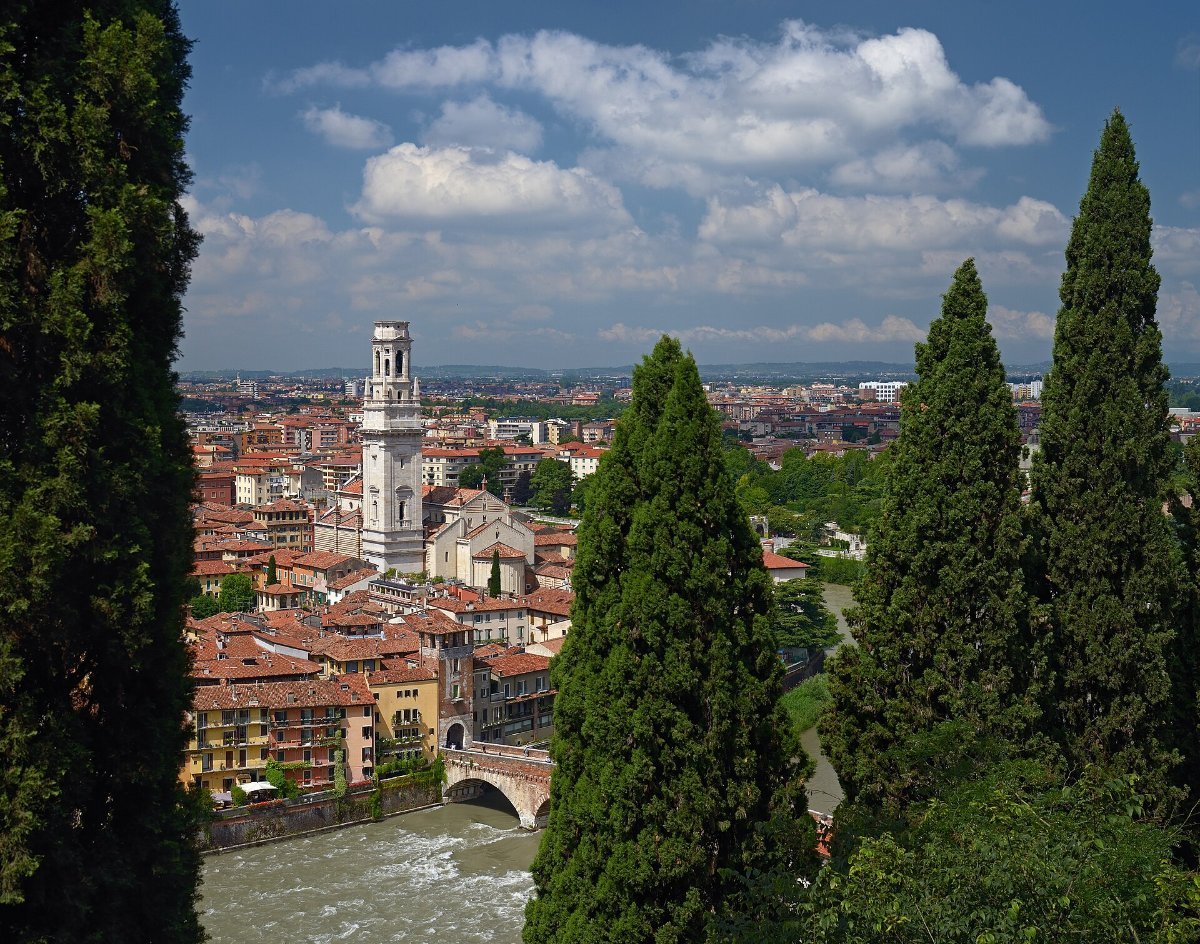
At the foot of the same hill, and separate from the arena. A first-century BC theatre built into the slope above the river, with an archaeological museum in the monastery above it.
It still hosts a summer Shakespeare festival, which is a nice piece of circularity given the balcony downtown.
Quiet, cheap and almost empty compared to the arena.
Castelvecchio
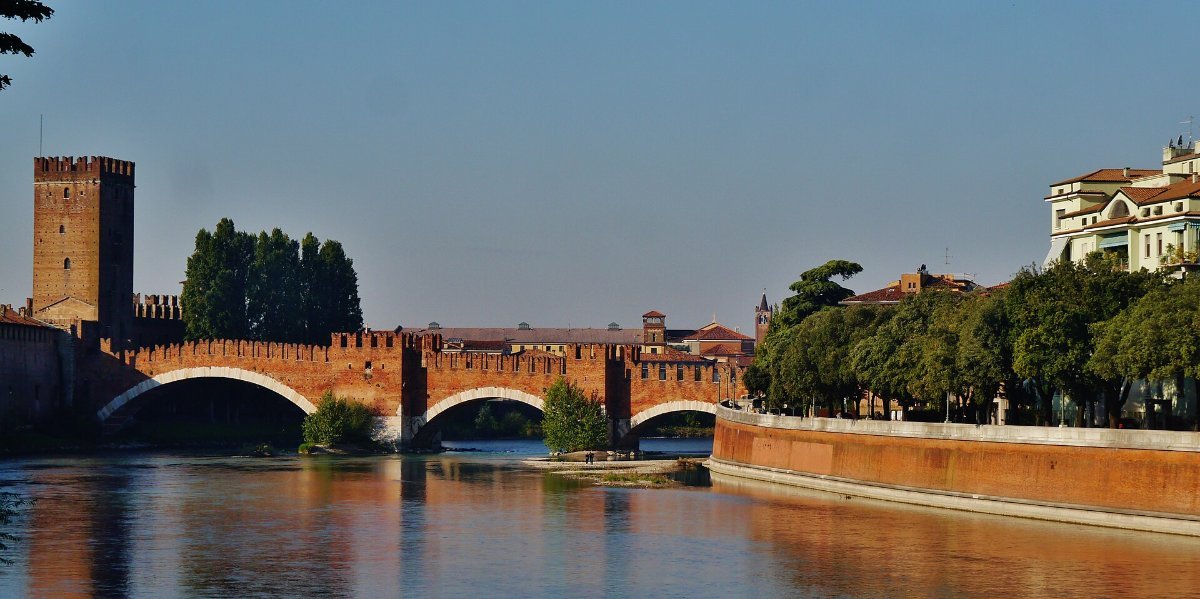
A red brick fortress on the river from the 1350s, with a fortified bridge running off it in matching swallowtail battlements.
The museum inside was redesigned in the 1960s by Carlo Scarpa and is studied by architecture students, because the way he inserted modern concrete and steel into the medieval structure is considered a masterpiece of restoration.
Even if you skip the museum, walk across the Ponte Scaligero. It’s free and it’s a lovely bridge.
Eating in Verona
Verona is in the Veneto and the food is northern: risotto, polenta, horse meat if you’re curious, and pastissada, a slow-cooked stew.
The wine is the real draw. Valpolicella, Amarone and Soave all come from the hills around the city, and Bardolino from the shore of Lake Garda twenty minutes west.
Amarone is made from partly dried grapes and it’s rich, strong and expensive. Try a glass at least once here, where it’s cheaper than anywhere else you’ll find it.
The wine bars around Piazza delle Erbe do tasting flights for reasonable money.
Practical Things
Verona Porta Nuova station is on the main Milan to Venice line. Milan is about 75 minutes, Venice about 70, Bologna about an hour. It’s one of the easiest stops to add to a northern Italy trip.
The station is a fifteen minute walk from Piazza Bra, or a short bus.
The VeronaCard covers the main sights and the buses and pays for itself if you’re doing the arena, the tower and Castelvecchio.
Everything in this article is within about twenty minutes’ walk of everything else. You don’t need transport.
Common Questions
Is one day enough for Verona? Yes for the sights. Stay a night if the opera is on, because that’s an evening event and worth building around.
Is Juliet’s balcony worth visiting? The courtyard is free and takes two minutes. Paying to go up is widely regarded as a waste.
What’s the best view in Verona? Castel San Pietro, free, about fifteen minutes uphill or a short funicular ride.
Can I visit Verona as a day trip? Easily, from Milan, Venice, Bologna or Lake Garda. All are around an hour by train.
When is the opera season? Roughly mid June to early September in the arena. Cheap unreserved stone seats are sold on the day and are part of the experience.