Rome carries an enormous reputation, and enormous reputations inevitably invite the question of whether reality actually lives up to the hype. The honest answer sits somewhere in the middle, with genuine highlights alongside some experiences that don’t fully justify their fame.
Here’s an honest breakdown of what’s actually worth it in Rome and what you can reasonably skip.
None of this means Rome isn’t worth visiting. It just means going in with realistic expectations makes for a better trip.
The Colosseum: Genuinely Worth It
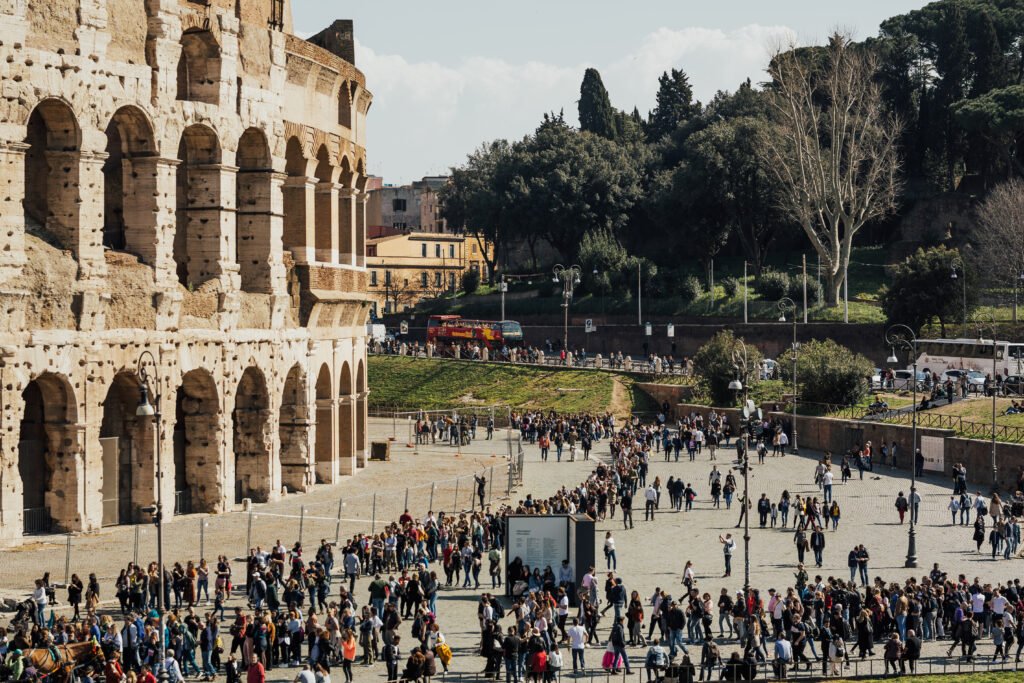
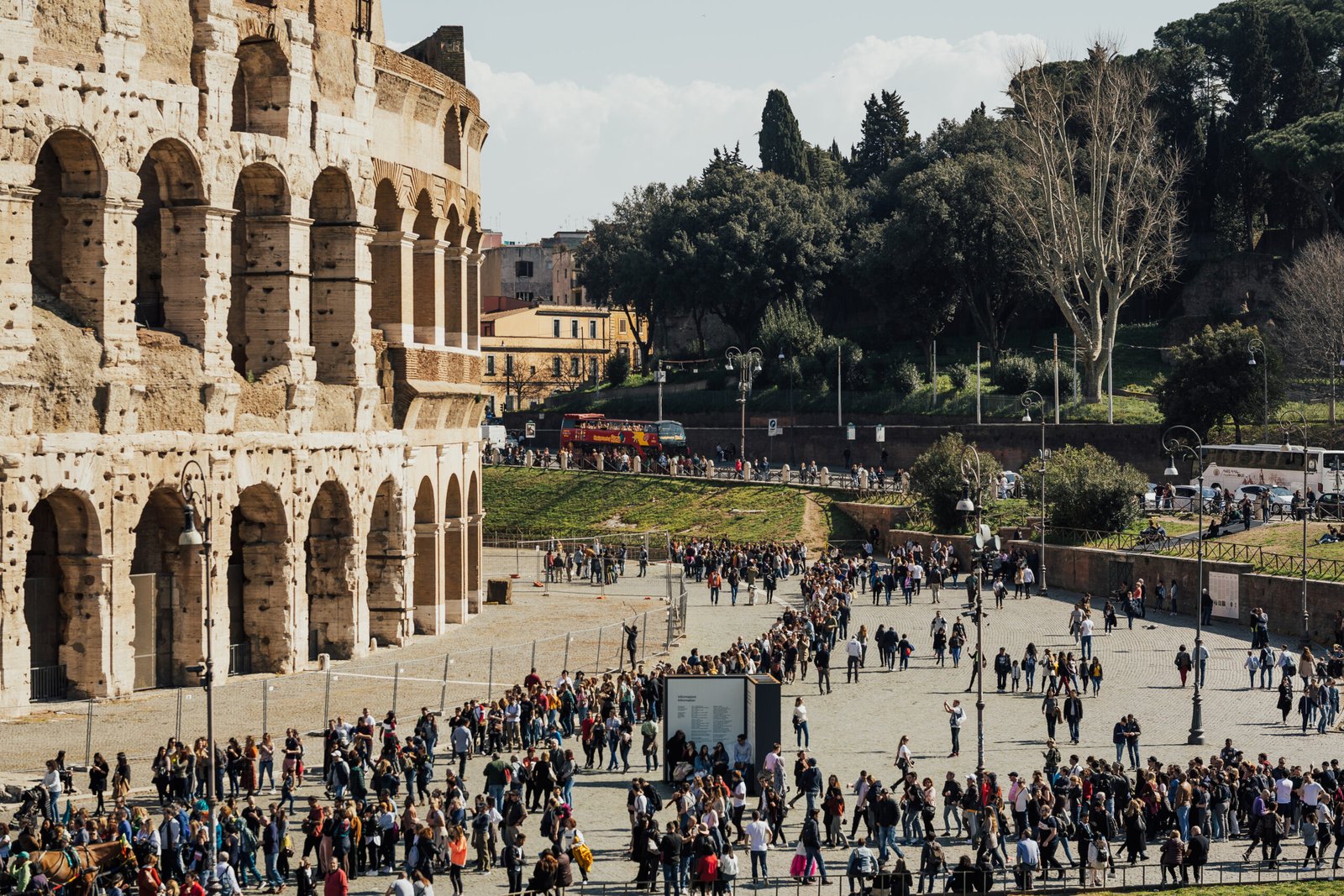
The Colosseum earns its reputation as one of the world’s great ancient structures, and standing inside it delivers a genuine sense of scale that photos never quite capture. Booking a guided tour or skip-the-line ticket transforms the experience from a crowded slog into something genuinely fascinating with proper historical context.
Is the hype around the Colosseum justified? Genuinely, yes, since few ancient structures anywhere in the world deliver this combination of scale, preservation, and historical weight.
The Trevi Fountain: Overrated for the Crowds
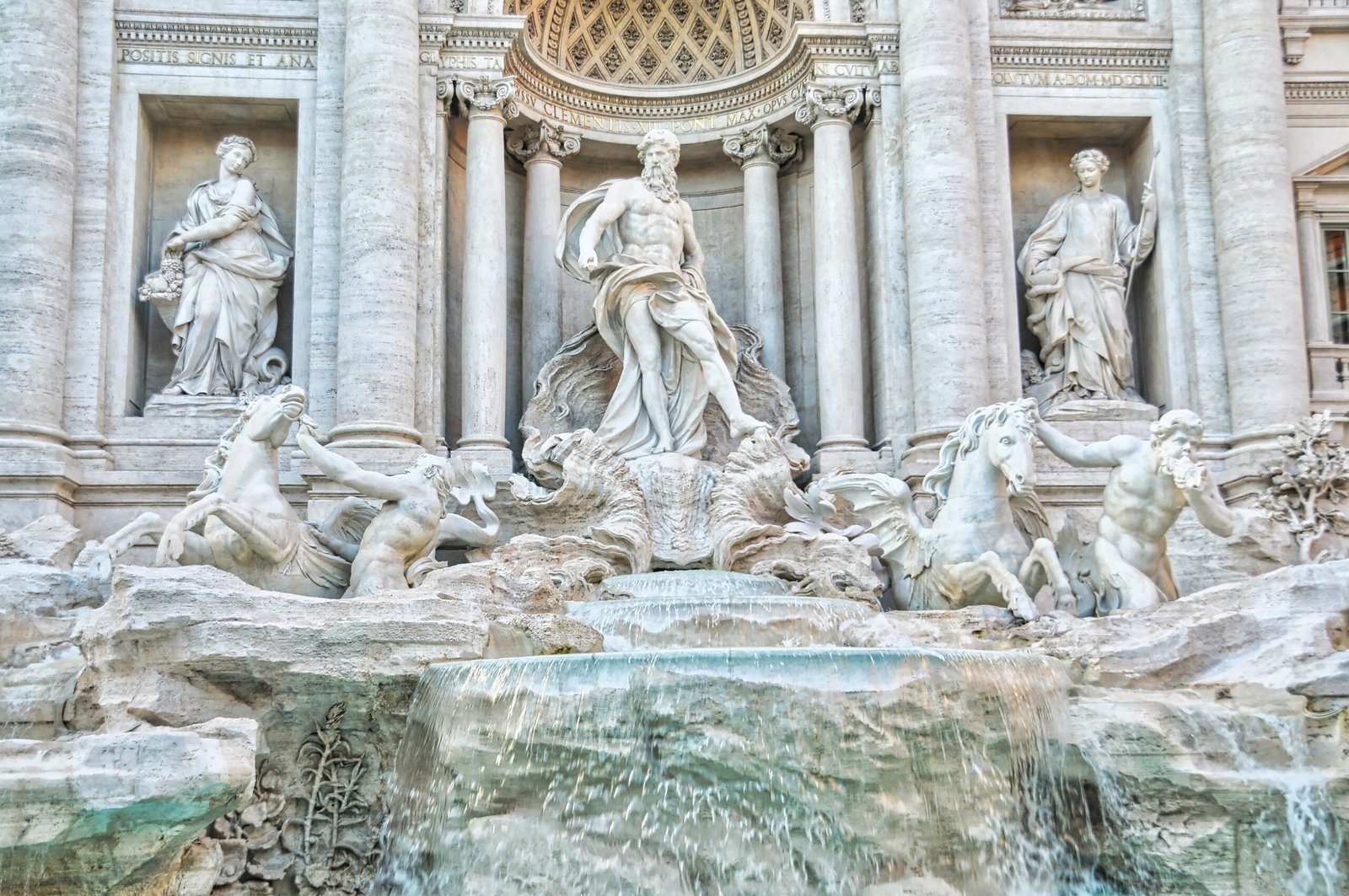
The Trevi Fountain itself is genuinely beautiful, but the reality of visiting involves shoulder-to-shoulder crowds that meaningfully diminish the experience most of the day. Visiting very early morning or late evening dramatically improves things, revealing the fountain’s actual beauty without fighting through tour groups for a photo.
Real talk, the fountain deserves its fame architecturally, but the typical midday visitor experience genuinely undersells what makes it special.
The Vatican Museums and Sistine Chapel: Worth It Despite the Crowds
The Vatican Museums and Sistine Chapel deliver genuinely unmatched art and history, even though the crowds here rank among the worst anywhere in Rome. Booking early morning entry slots specifically reduces crowds enough to actually appreciate Michelangelo’s ceiling without feeling rushed through by the surrounding masses.
A few practical things worth knowing about managing this specific crowd challenge:
- Early morning slots consistently deliver a meaningfully calmer experience than midday entry
- Guided tours move faster through security and provide context worth the added cost
- The dome climb at St. Peter’s rewards effort with views most visitors skip entirely
- Photography restrictions in the Sistine Chapel are strictly enforced, so know before you go
- Late afternoon visits sometimes catch a second, smaller crowd dip before closing
The Pantheon: Genuinely Underrated
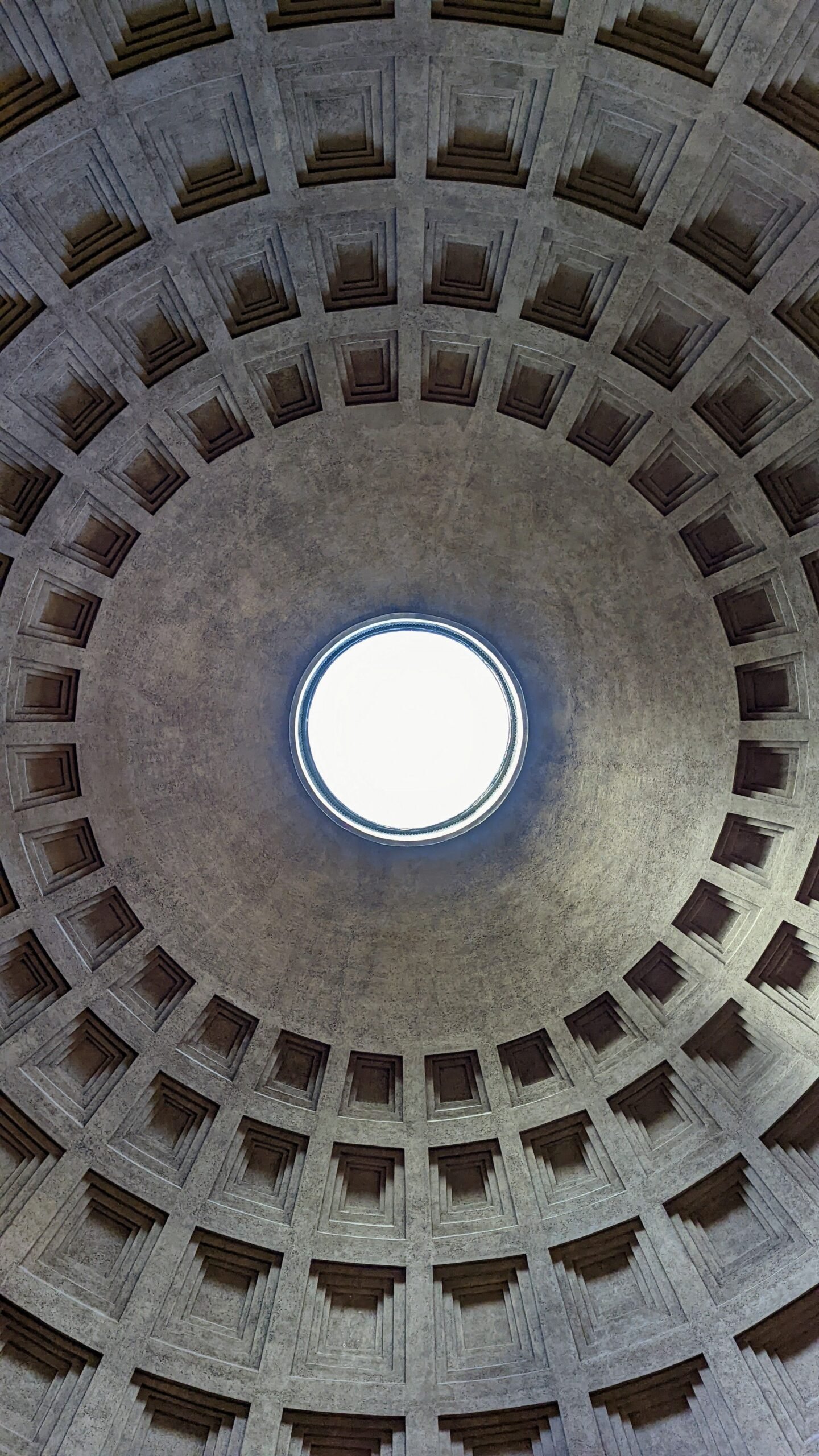
The Pantheon receives far less hype than the Colosseum or Vatican, yet delivers an equally impressive engineering feat with its nearly two-thousand-year-old dome. Entry now requires a ticket, but the modest cost and shorter lines make this one of Rome’s best value major sights.
IMO the Pantheon deserves more attention than it typically gets in standard itineraries, since the interior genuinely rivals anything else in the city for pure architectural impact. 😅
Piazza Navona: Pleasant But Not Essential
Piazza Navona offers a genuinely lovely square with beautiful Baroque fountains, but it doesn’t deliver anything dramatically different from Rome’s many other attractive piazzas. A quick stop while passing through makes sense, but this shouldn’t anchor significant dedicated time in a short trip.
Is Piazza Navona worth a special detour? For most itineraries, not really, since you’ll likely pass near it naturally while exploring the historic center anyway.
The Spanish Steps: Genuinely Overrated
The Spanish Steps deliver a brief, pleasant moment but don’t warrant the significant hype or extended time that many itineraries allocate to them. A quick photo stop covers what most visitors actually need here before moving on to genuinely richer experiences elsewhere.
Real talk, the surrounding luxury shopping streets hold little interest unless designer retail specifically appeals to you, making this a lower-priority stop overall.
Trastevere: Genuinely Worth the Detour
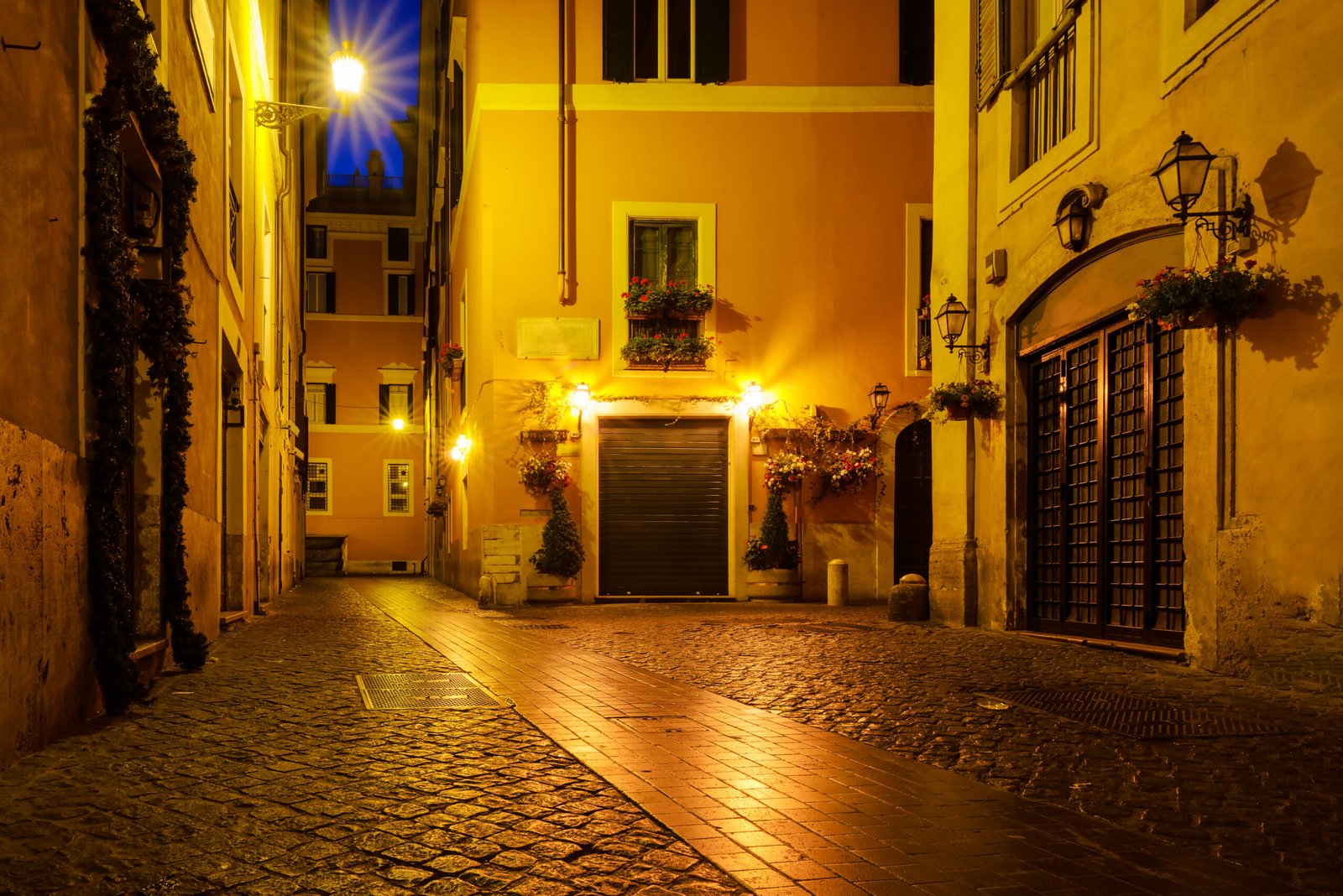
Trastevere delivers a completely different, more authentic side of Rome than the monument-heavy historic center, with genuinely excellent food and charming, less touristy streets. Evening visits specifically showcase this neighborhood at its best, when the narrow streets fill with locals and the restaurant scene comes alive.
Is Trastevere worth prioritizing over another major monument? For travelers wanting a fuller picture of Rome beyond ancient ruins, absolutely, since this neighborhood shows how the city actually lives today.
The Roman Forum: Worth It With Context
The Roman Forum’s scattered ruins mean considerably less without historical context, making this a site where a guide or solid audio guide genuinely transforms the experience. Pairing your Forum visit with the Colosseum, since tickets typically bundle together, makes practical and experiential sense.
Without context, many visitors find the Forum’s ruins underwhelming compared to the Colosseum’s obvious grandeur, which is genuinely unfortunate given how much history the site actually holds.
Overrated Souvenir Shopping Near Major Sites
Souvenir shops clustered immediately around major tourist attractions charge inflated prices for generic merchandise that offers little authentic value. Shopping in neighborhoods away from the tourist core, like Monti or Trastevere, delivers better prices and more genuinely interesting finds.
This pattern holds true in nearly every heavily touristed city, and Rome offers no exception to the general rule about avoiding souvenir shops directly at major landmarks.
Restaurant Quality Near Tourist Attractions
Restaurants located directly adjacent to major sights like the Trevi Fountain or Spanish Steps consistently deliver worse food at higher prices than restaurants just a few blocks away. Walking ten minutes further from any major attraction before choosing a restaurant genuinely, consistently improves both quality and value.
Is this pattern really as dramatic as people claim? Genuinely, yes, and it holds true specifically in Rome more than in many other major tourist cities.
What Genuinely Lives Up to the Hype
Beyond the Colosseum and Pantheon, Rome’s overall atmosphere, food scene, and sheer density of historical layers genuinely justify its reputation as one of the world’s great cities. The experience of turning a corner into an ancient ruin casually integrated into modern city life happens repeatedly and never quite loses its impact.
This ambient magic, more than any single specific sight, represents what makes Rome genuinely live up to its considerable hype for most visitors.
Managing Expectations for Your Trip
Going into Rome expecting some crowded disappointments alongside genuine highlights sets you up for a more satisfying trip than expecting uniform perfection everywhere. Prioritizing early mornings for the most crowded major sights consistently delivers the best version of Rome’s genuine highlights.
Building in unstructured wandering time, rather than rushing between every famous sight, often produces the most memorable moments of any Rome trip.
What This Trip Actually Costs
Budget $130-190 per day for a comfortable mid-range trip covering hotels, major sight tickets, and meals in the historic center. Skip-the-line tickets and guided tours add meaningful cost but genuinely improve the experience at Rome’s most crowded major sights.
Prioritizing your spending on skip-the-line access for the Colosseum and Vatican, while eating in neighborhoods away from tourist zones, stretches your budget considerably further.
Rome genuinely earns much of its massive reputation, though a handful of specific experiences fall short of the hype once you account for realistic crowds and context. Prioritize the Colosseum, Pantheon, and Vatican with smart timing, spend a genuine evening in Trastevere, and keep expectations realistic about spots like the Spanish Steps, and Rome delivers a trip that honestly earns its legendary status.