Tuscany’s hill towns deliver the version of Italy most people picture when they imagine the countryside: rolling vineyards, medieval stone streets, and views that stretch for miles from every high point. A road trip through the region rewards genuine wandering more than any fixed checklist.
Here’s a breakdown of the hill towns worth building your route around, and which ones you can skip if time runs short.
Renting a car genuinely transforms a Tuscany trip, since the region’s best moments happen between the famous stops, not just at them.
San Gimignano: The Postcard Town
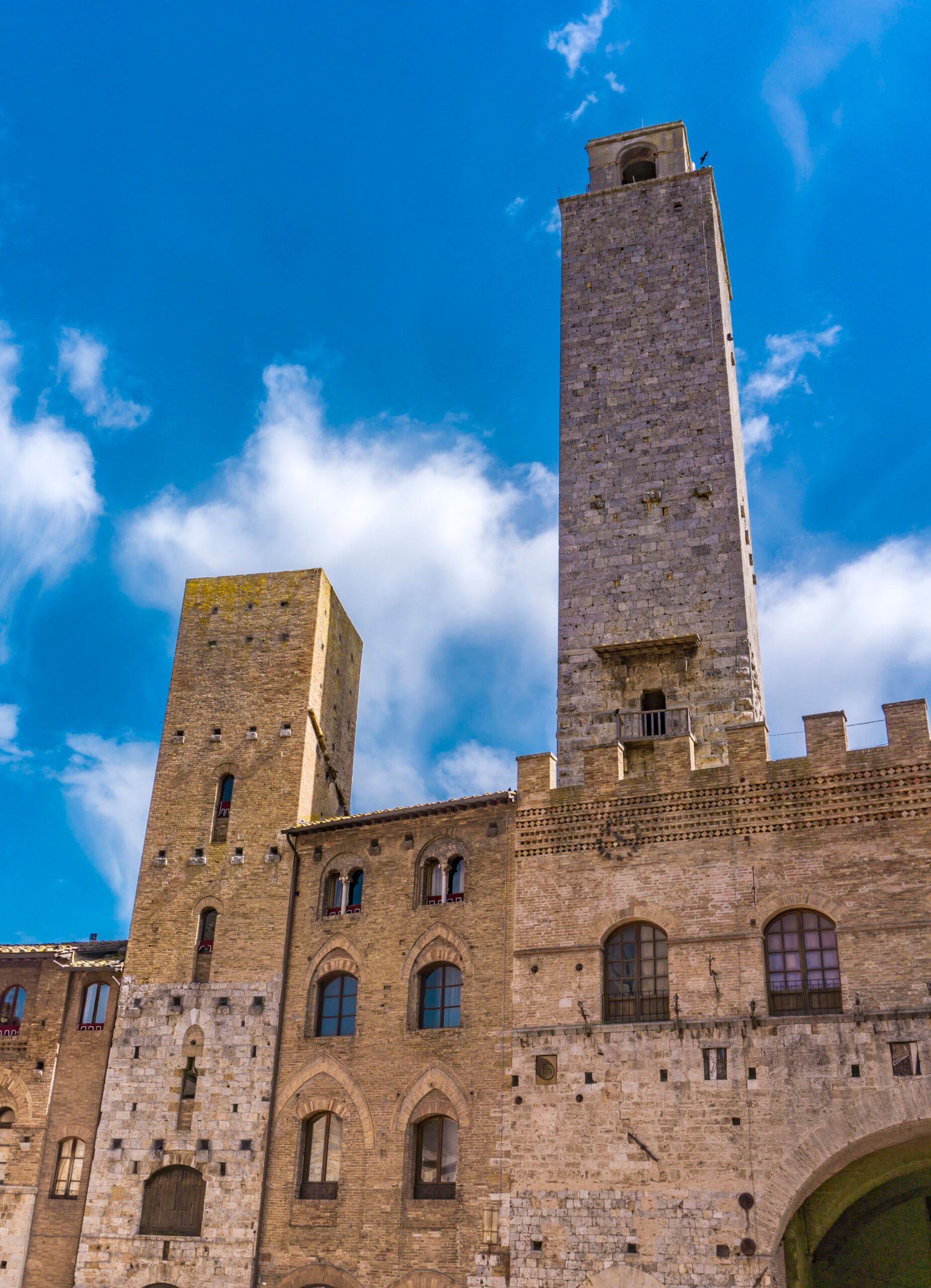
San Gimignano’s medieval towers rising above the Tuscan hills make it one of the most photographed towns in the entire region, and the reputation holds up in person. Arrive early or stay overnight if you want to experience the town without the substantial midday tour bus crowds.
The town’s Vernaccia white wine, produced locally for centuries, pairs perfectly with a lunch stop at one of the small restaurants tucked into the historic center. Climbing the Torre Grossa rewards you with a panoramic view over the surrounding countryside that’s genuinely worth the ticket price.
Montepulciano: Wine and Views Combined
Montepulciano sits higher than most Tuscan hill towns, delivering some of the region’s best sweeping views alongside its famous Vino Nobile wine. Wine tastings here run more relaxed and less touristy than in some of the bigger-name wine regions, making this a genuinely rewarding stop for casual wine drinkers, not just enthusiasts.
Is Montepulciano worth the slightly longer drive compared to towns closer to Florence? Genuinely, yes, especially if wine plays any role in your trip priorities.
Volterra: The Underrated Alternative
Volterra sees meaningfully fewer tourists than San Gimignano or Montepulciano despite offering comparably stunning medieval architecture and views. Real talk, this town might be the single most underrated stop on this entire route, precisely because it hasn’t caught on the way its more famous neighbors have.
The town’s Etruscan history runs deeper than most Tuscan hill towns, and the small archaeological museum here genuinely rewards a visit if ancient history interests you at all.
Pienza: Cheese, Views, and Renaissance Planning
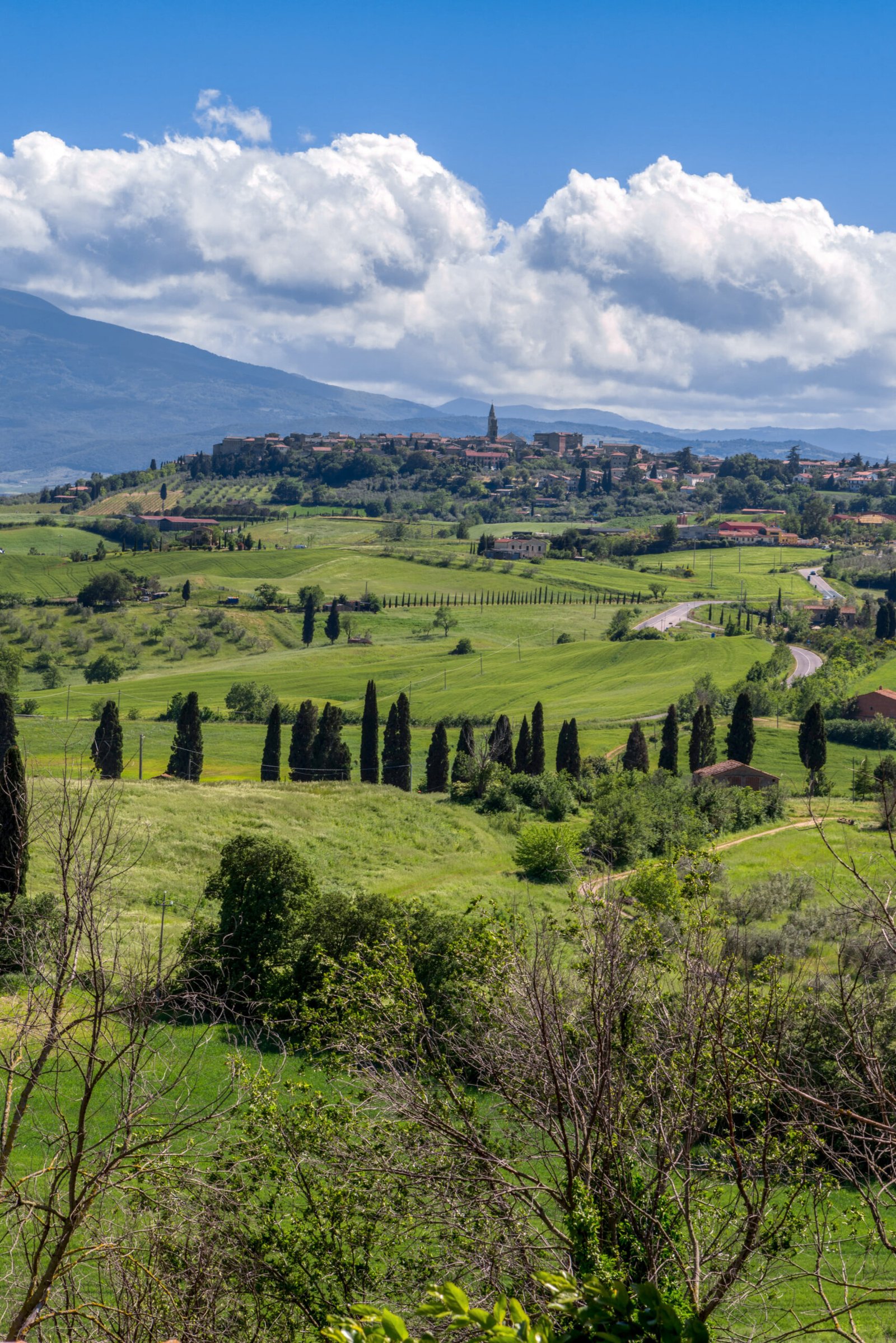
Pienza stands out as a rare example of intentional Renaissance urban planning, giving the town a cohesive architectural feel that’s different from the more organically grown medieval towns nearby. Pecorino cheese, produced locally and sold throughout the town, makes for one of the best food souvenirs of your entire trip.
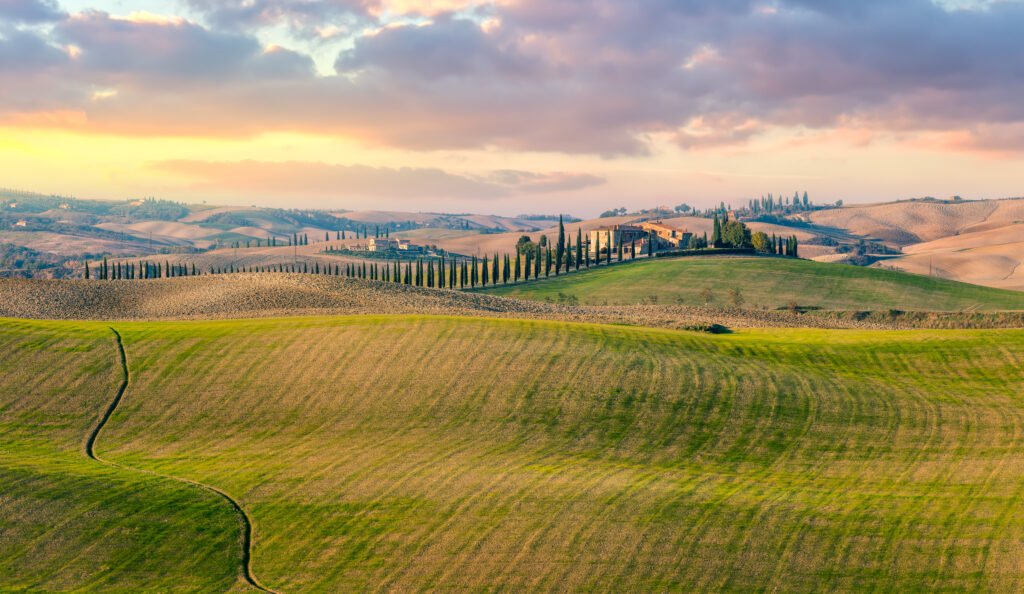
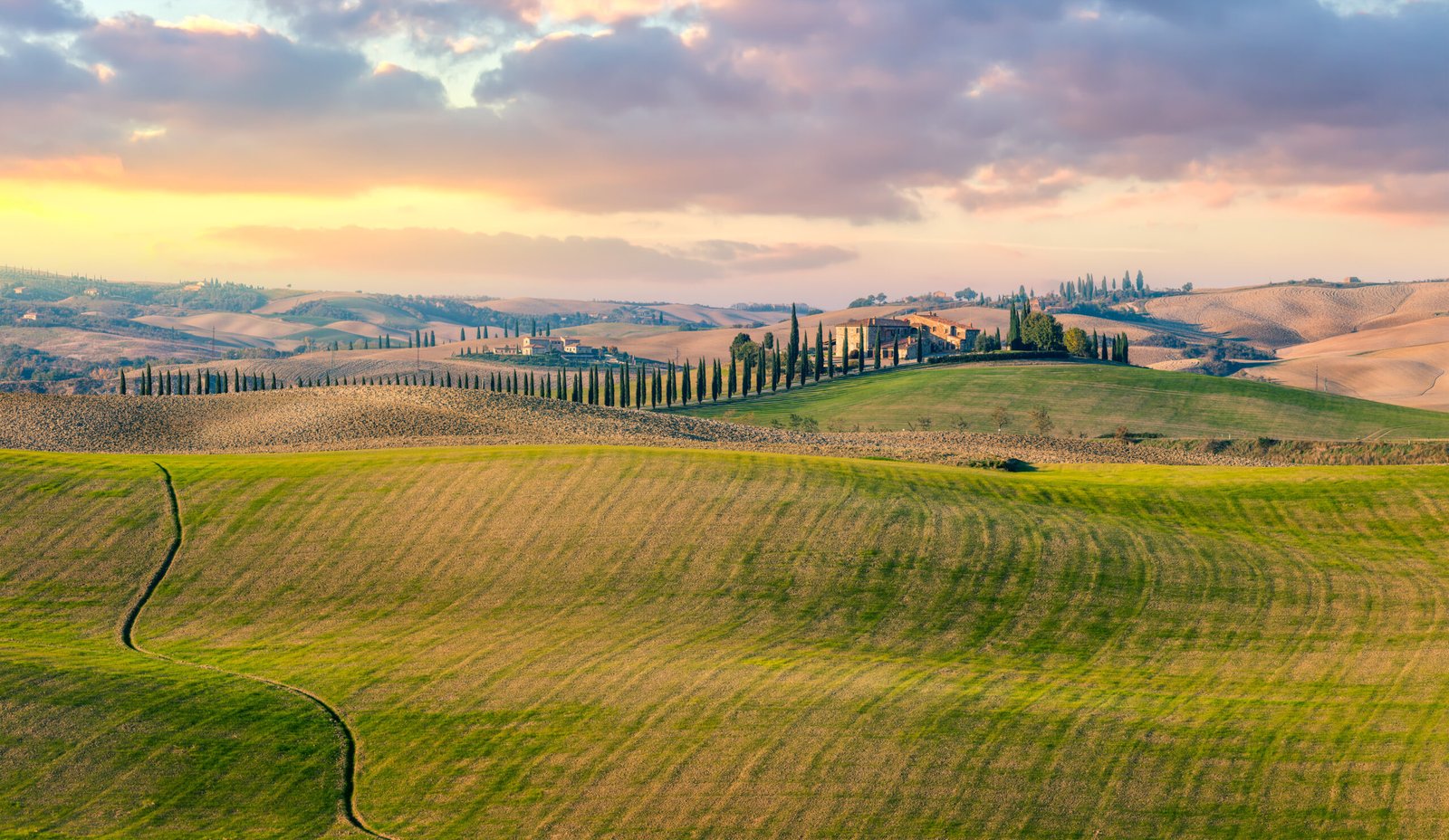
The views from the town’s edge overlooking the Val d’Orcia valley rank among the most iconic Tuscan landscapes, the kind of rolling green hills you’ve likely seen in countless photos without knowing the exact location.
Cortona: Beyond the Movie Reputation
Cortona gained fame partly through a bestselling memoir and subsequent film, and while that brought crowds, the town itself genuinely earns the attention independent of the pop culture connection. The steep streets and hillside setting deliver some of the most dramatic views in this part of Tuscany.
A few practical things worth knowing about visiting Cortona specifically:
- Parking sits outside the historic center, so budget extra walking time up the hill
- The steep terrain makes comfortable shoes essential, more so than in flatter hill towns
- Sunset views from the town’s upper edge rank among the best in the region
- Smaller crowds than San Gimignano make this a calmer stop despite its fame
- Nearby Lake Trasimeno offers an easy add-on if you have extra time
Monteriggioni: The Quick Detour
Monteriggioni’s compact, fully intact medieval walls make it one of the fastest hill town stops on this route, requiring maybe an hour to properly explore. This works well as a quick stop between Siena and San Gimignano rather than a dedicated destination in its own right.
IMO Monteriggioni is worth the brief detour specifically because it requires so little time investment for a genuinely striking medieval atmosphere. 😅
Building Your Actual Route
A loop starting from Florence or Siena, hitting four to five of these towns over three to five days, balances driving time against actual exploration time reasonably well. Don’t try to cram all seven towns into a short trip, since the driving between them, while scenic, adds up faster than the distances suggest on a map.
Basing yourself in one central location, like a countryside agriturismo, and doing day trips to different towns often works better than constantly changing hotels.
Staying at an Agriturismo
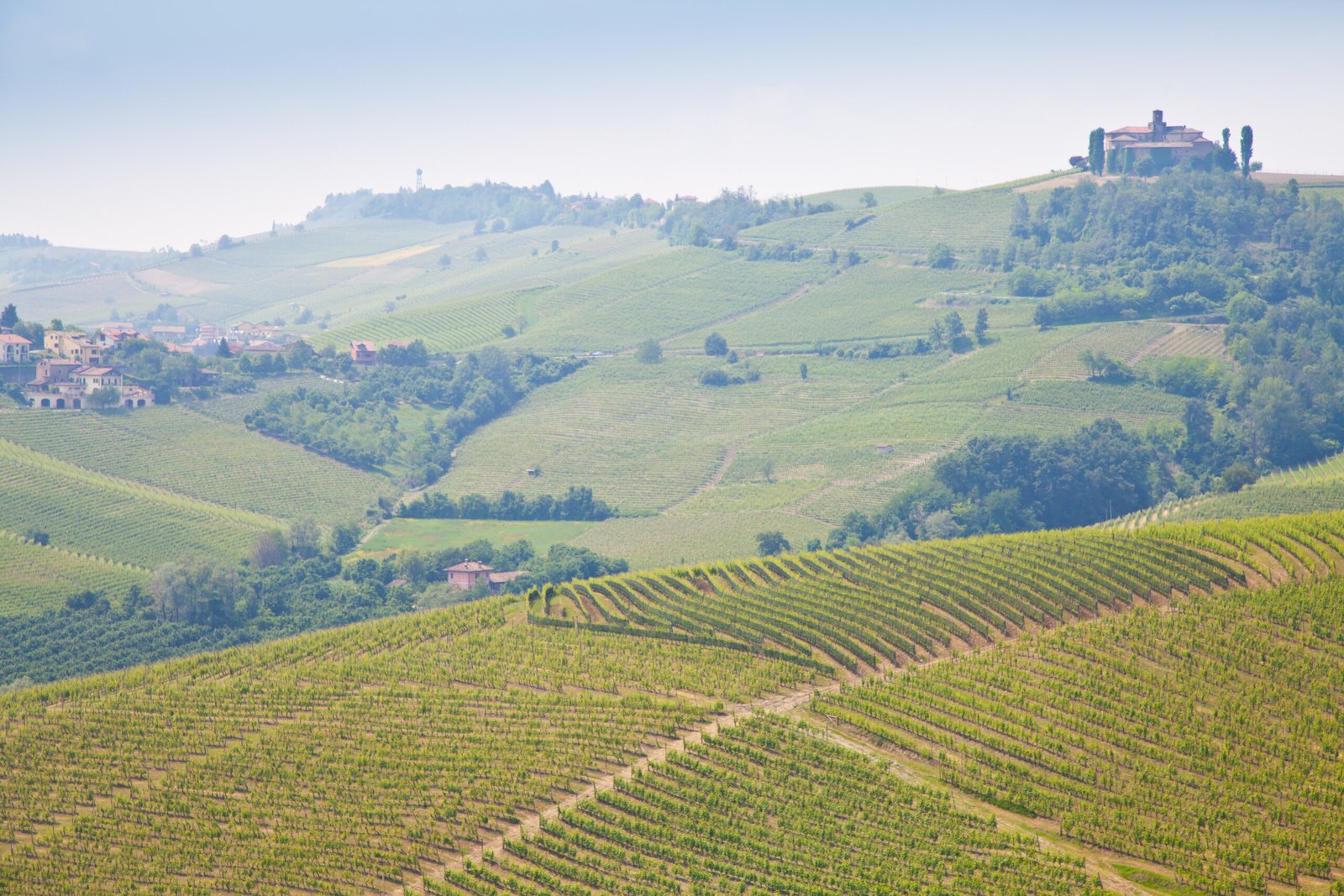
Farm-stay accommodations called agriturismi genuinely deliver one of the best lodging experiences in rural Tuscany, often including home-cooked meals made from the property’s own produce. Book directly with the property when possible, since many agriturismi run family operations that appreciate skipping the booking platform fees.
These stays work especially well as a home base for day trips to multiple hill towns, since you get the quiet countryside experience at night while still keeping driving times to nearby towns reasonable. Is an agriturismo worth the sometimes longer drive to towns compared to staying centrally? Genuinely, yes, since the property itself often becomes one of the most memorable parts of the entire trip.
What’s Overrated on This Route
Some visitors overhype Siena itself as a hill town stop, when it’s genuinely more of a small city with a different character than the smaller, quieter towns on this list. It’s still worth visiting, but treat it as its own separate stop rather than lumping it in with the true countryside hill towns.
Driving Tips for the Tuscan Countryside
Tuscany’s rural roads run narrow and winding, genuinely beautiful but requiring more careful, slower driving than you might expect from main highways. Zona Traffico Limitato (ZTL) zones exist in historic centers throughout the region, so always check before driving directly into a town rather than parking outside and walking in.
Renting a smaller car specifically pays off here, since many hill town streets and parking areas weren’t designed with larger vehicles in mind.
What to Eat Along the Way
Beyond the famous Pecorino and local wines, Tuscan hill towns deliver excellent bread-based soups like ribollita and pappa al pomodoro, genuinely hearty regional specialties worth prioritizing. Wild boar, prepared in various forms throughout the region, shows up on menus more than visitors expect and is worth trying at least once.
Every town has its own small, family-run trattoria worth seeking out over anything catering obviously to tour groups. The food quality difference between the two is usually significant.
What This Trip Actually Costs
Budget $120-170 per day for a comfortable mid-range road trip covering a rental car, gas, countryside accommodation, and meals. Tuscany runs comparably priced to Rome or Florence for equivalent quality, sometimes slightly less in the more rural stretches.
Wine tastings add a real but manageable cost if you’re visiting multiple towns known for their local vintages, so budget an extra $20-40 per tasting stop if that’s a priority.
Best Time to Visit
May, June, and September hit Tuscany’s sweet spot between pleasant temperatures and manageable crowds. July and August bring genuine heat and the region’s biggest crowds, particularly at the more famous towns.
Whatever season you choose, book accommodation well ahead if you’re targeting the peak wine harvest season in early autumn, since that period draws specific crowds beyond the usual summer tourists.
Tuscany’s hill towns reward slow travel more than almost any other Italian region, since the real charm lives in wandering without a rigid schedule. Rent the car, pick a manageable handful of towns, and leave room for the countryside views between them that end up being the actual highlight of the trip.