Umbria is the region next to Tuscany that gets none of the attention, and the locals are quietly fine with that. Same hill towns, same cypress trees, same food culture, roughly half the visitors and noticeably lower prices.
It’s also the only Italian region with no coastline and no border with another country, which is part of why it stayed inward-looking and why the towns still feel like towns rather than exhibits.
Assisi is the one everyone’s heard of
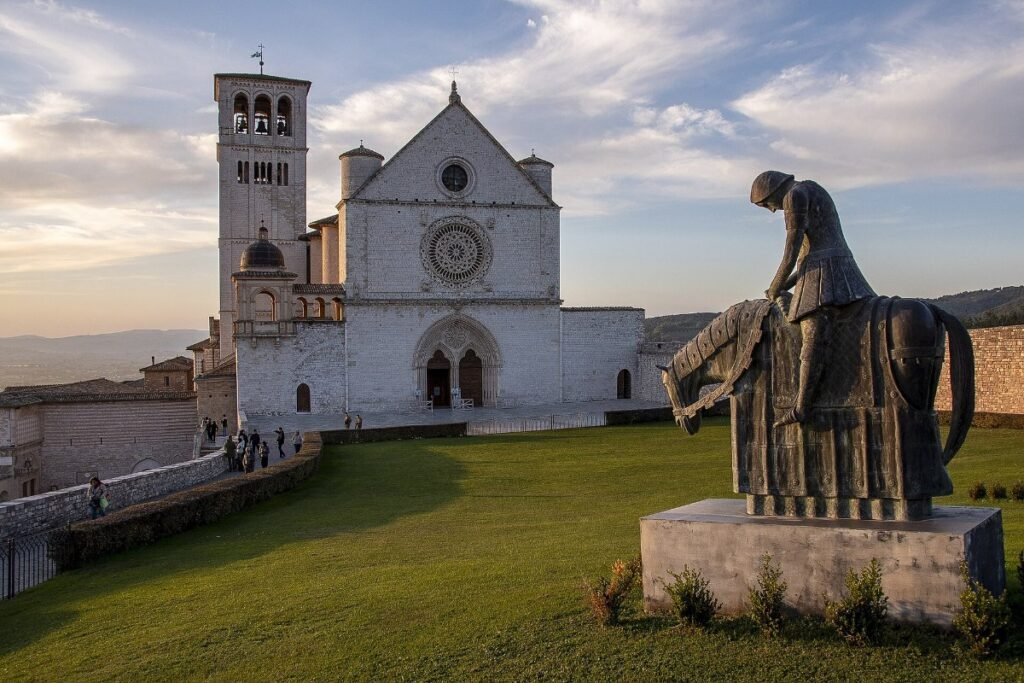
A pink-stone town on the side of Monte Subasio, and the birthplace of St Francis. It receives four to five million visitors a year, which sounds like a lot until you realise most of them are day-tripping pilgrims who leave by five.
The Basilica di San Francesco is the reason to come. Two churches stacked on top of each other, the upper one covered in a fresco cycle of the life of St Francis attributed to Giotto, the lower one darker and older with work by Cimabue and Lorenzetti. Free to enter, modest dress required, no photography inside.
Stay overnight. Assisi after the coaches leave, with the valley going gold below and the town nearly empty, is a completely different place.
It’s worth knowing that the basilica was badly damaged in the 1997 earthquake, which brought down part of the upper church vault and destroyed frescoes that had survived seven hundred years. What you see now is the result of a restoration effort that involved reassembling something like 300,000 fragments. Nobody makes a fuss about it and there’s no exhibit explaining it, which is very Umbrian, but it changes how the ceiling looks once you know.
Perugia is the city
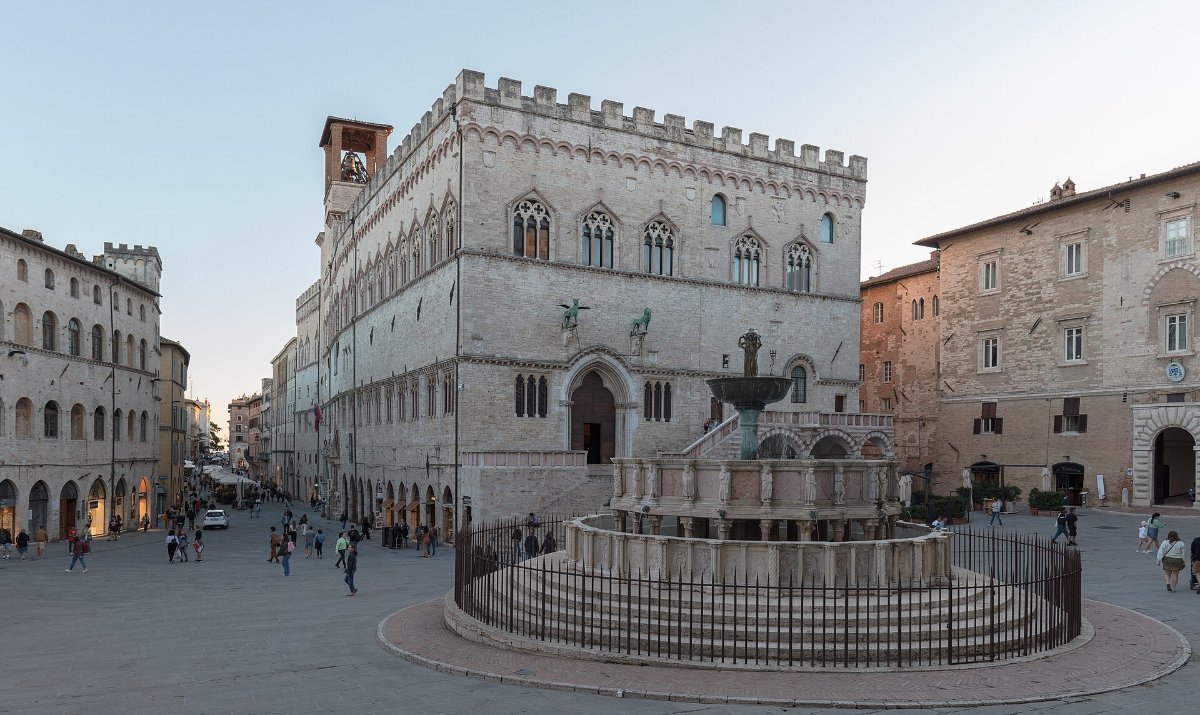
Umbria’s capital, about 165,000 people, sitting on a hilltop with medieval walls and an Etruscan arch that’s been standing since the third century BC.
The centre is Corso Vannucci, a wide pedestrian street that fills every evening with the passeggiata, and Piazza IV Novembre with the Fontana Maggiore in the middle.
Two things make Perugia feel different from a museum town. First, it’s a university city with a large international student population, so there’s actual nightlife. Second, it hosts Umbria Jazz in July, one of Europe’s biggest jazz festivals, and Eurochocolate in October, because Perugia is where Baci chocolates are made.
Practical quirk: the historic centre is on top of a hill and you reach it by the Minimetrò, a small automated train, or by a series of escalators that run up through the underground remains of a 16th-century fortress. That’s not a metaphor. You genuinely take an escalator through a buried castle.
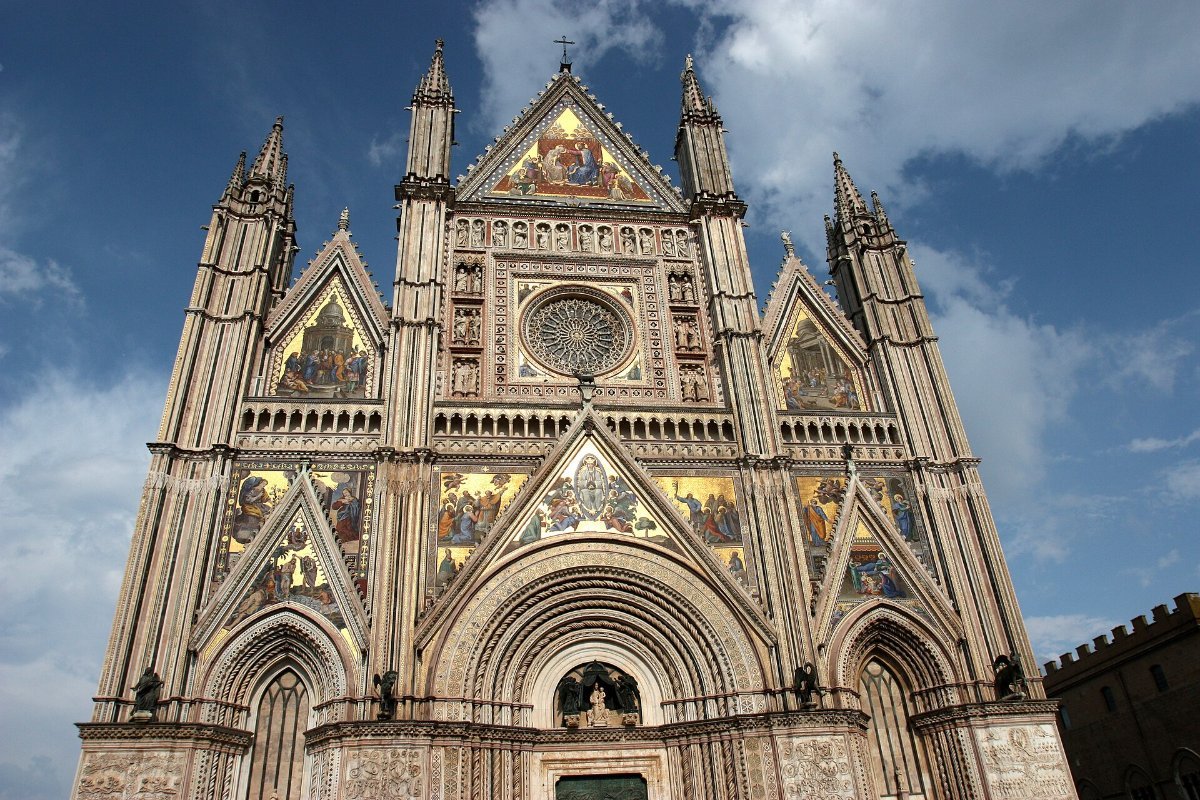
Orvieto has the best facade in Italy
Technically arguable, practically hard to dispute. Orvieto Cathedral’s front is a wall of gold mosaic and carved marble that took three centuries to finish, and seeing it at the end of a narrow street is a genuine moment.
Inside, the San Brizio Chapel has Signorelli’s Last Judgement frescoes, which Michelangelo studied before painting the Sistine Chapel.
Orvieto also sits on a plug of volcanic rock riddled with over a thousand caves dug by the Etruscans and used ever since. Underground tours run daily.
It’s on the main Rome–Florence line, which makes it the easiest Umbrian town to reach and a very good day trip from Rome — about 75 minutes.
▶ Watch This Before You Go
The towns most people never reach
Spello — small, walled, and covered in flowers. In June it holds the Infiorata, when the streets are carpeted in elaborate pictures made of flower petals.
Gubbio — severe grey stone, a Roman theatre, and a funicular where you stand in a metal basket that carries you up the mountain. Not for the nervous.
Spoleto — a Roman aqueduct turned bridge, 80 metres above a gorge, and a serious arts festival in summer.
Todi — regularly voted one of the most liveable small towns in the world, and it’s easy to see why.
Norcia — the home of Italian pork butchery, to the point that norcineria means a butcher’s shop anywhere in Italy. Badly damaged by the 2016 earthquake and still rebuilding, so check what’s open.
Eating in Umbria
Black truffles from Norcia, and they’re in season roughly November to March. Umbria produces a large share of Italy’s black truffle.
Strangozzi — the local hand-rolled pasta, usually with truffle or tomato.
Porchetta — whole roast pork with fennel and rosemary, sold from vans at markets.
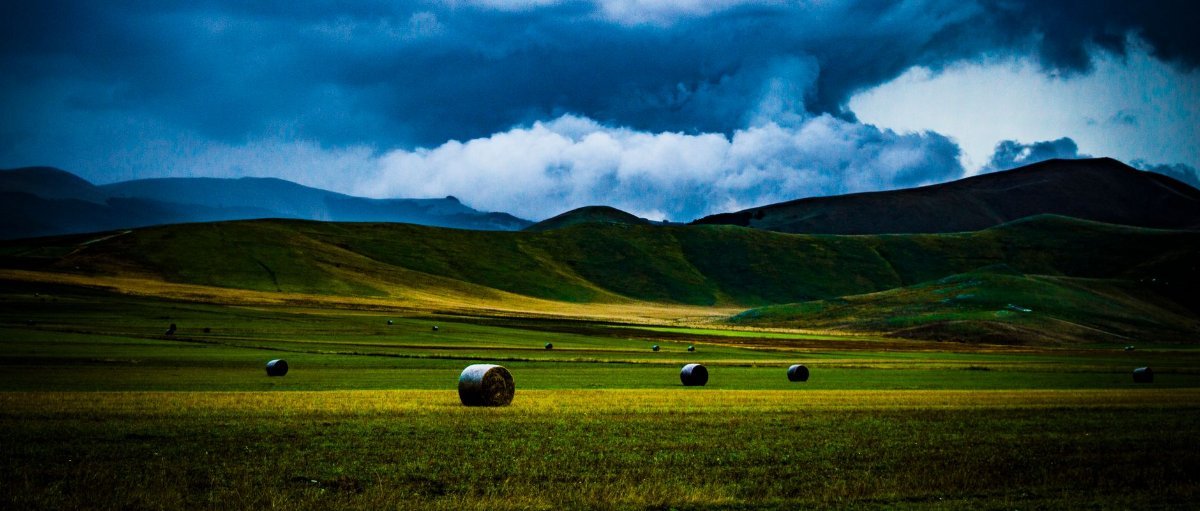
Lentils from Castelluccio, grown on a high plain that turns purple and yellow with wildflowers in late June.
Wine — Sagrantino di Montefalco, a big tannic red that’s genuinely one of Italy’s most interesting wines and still under-priced. Orvieto Classico for whites.
Getting around
Hire a car. The train network reaches Perugia, Assisi, Spoleto and Orvieto, but the small towns and the countryside — which is the point of Umbria — need driving.
Distances are small. Perugia to Assisi is 25 minutes, to Orvieto about an hour, to Gubbio 45 minutes. You can base yourself in one place and see the whole region.
Where to base: Perugia for city amenities and transport, Assisi for atmosphere, or an agriturismo in the countryside between them, which is what I’d do.
On the agriturismo point specifically: Umbria is one of the best regions in Italy for them because the farms are still working farms rather than converted villas with a token olive tree. You’ll pay somewhere around 80 to 130 euros a night for a room, often with dinner available if you ask in the morning, and the food will be whatever they grew or raised. It’s cheaper than a hotel in Assisi and it’s a considerably better version of the trip.
When to go
May, June, September, October — the obvious answer, and correct. Late June for the Castelluccio wildflowers and Spello’s Infiorata.
July for Umbria Jazz if that appeals, though it’s hot.
November to February for truffle season, low prices and empty towns. Cold and some places close, but it’s the connoisseur’s option.
FAQ
How does it compare to Tuscany? Greener, hillier, quieter, cheaper. Fewer world-famous sights, better value, and it feels less curated.
How many days? Four to five for the main towns. A week to include the small ones and the countryside.
Can I visit from Rome? Orvieto easily as a day trip. Assisi and Perugia are two to two and a half hours and better as an overnight.
Is it good for a first Italy trip? As an add-on, yes. As a first trip on its own, most people want Rome or Florence first.
Do people speak English? Less than in the big tourist cities. In the small towns, considerably less. Bring some Italian.