
Spanish Bureaucracy Explained: NIE, Empadronamiento & More
Nobody moves to Spain dreaming about paperwork. But the NIE, the empadronamiento, the TIE, the alphabet soup of Spanish admin is the one thing standing between you and your new life.

In this guide
- First, a Reality Check
- The NIE: Your Spanish ID Number
- The Empadronamiento: Registering Where You Live
- Residency and the TIE Card
- The Order That Saves Your Sanity
- Why a Gestor Is Worth Every Cent
- Booking the Dreaded Cita Previa
- Documents to Bring Every Time
- Social Security and Healthcare Registration
- Opening a Spanish Bank Account
- How Long It All Actually Takes
- Common Bureaucracy Mistakes to Avoid
- The Bottom Line
Here’s the thing: it’s not actually that complicated once someone explains it in plain English. It’s just slow and easy to do in the wrong order.
So let me break down Spanish bureaucracy into what each thing is, why you need it, and the order to tackle it.
First, a Reality Check
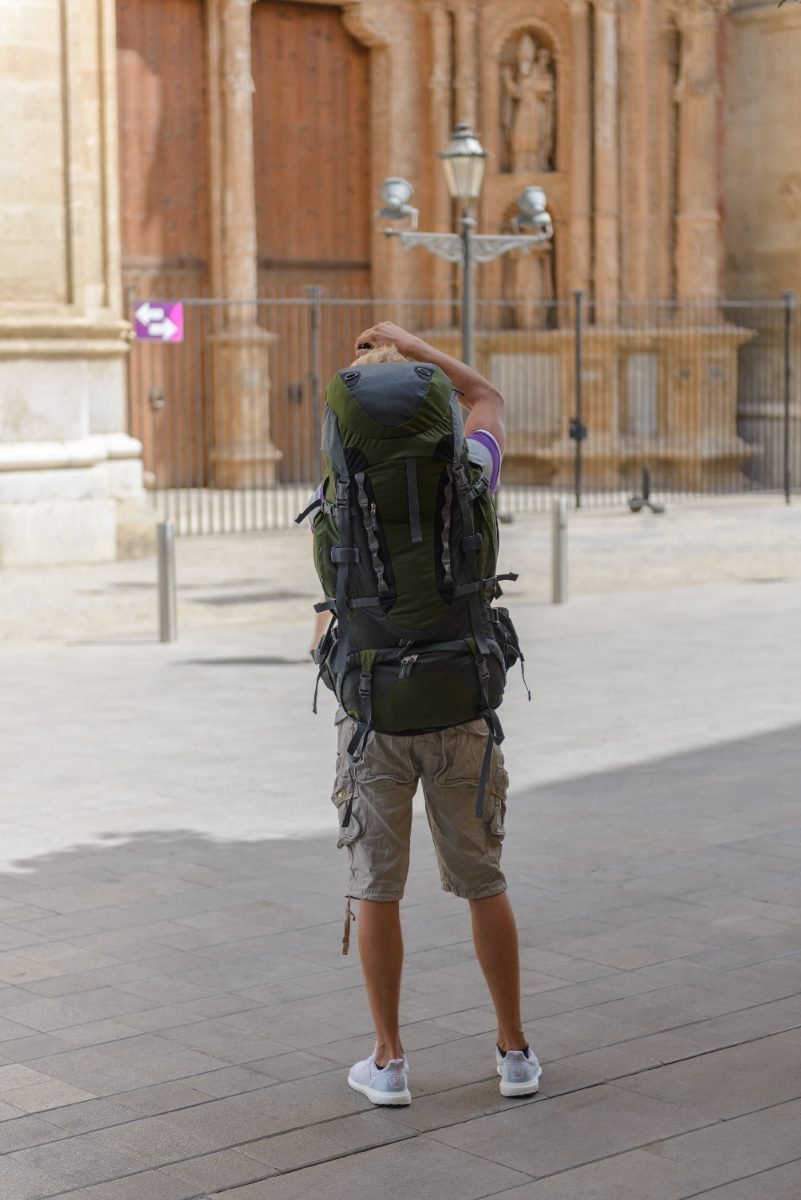
Spanish bureaucracy is slow, paper-loving, and inconsistent. The same task can go smoothly in one office and sideways in another.
**Bring every document, plus copies, plus copies of the copies.** Patience is the real requirement here, and a good gestor can save you weeks of frustration.
The NIE: Your Spanish ID Number

The NIE (Número de Identidad de Extranjero) is your foreigner ID number, and almost nothing happens without it. Bank account, contract, job, phone plan, all of it needs your NIE.
It’s a number assigned to you for life. Getting it usually means an appointment, a form (the EX-15 or EX-18), proof of why you need it, and a small fee. Sort this early, because everything else depends on it.
The Empadronamiento: Registering Where You Live

The empadronamiento, or padrón, is simply registering your address at the local town hall (ayuntamiento). It proves you actually live in your municipality.
You’ll need it for residency, healthcare, getting a local doctor, and even enrolling kids in school. Bring your passport, NIE, rental contract, and sometimes a recent utility bill. It’s free and quick, when the office cooperates.
▶ Watch This Before You Go
Residency and the TIE Card

Non-EU citizens turn their visa into residency and get a TIE card, the physical ID that proves your legal status. EU citizens instead register and receive a green certificate.
This step has its own appointment, fingerprints, photos, and fees. Watch the office hours too, since many close early and Spanish admin does not wait around for you.
The Order That Saves Your Sanity
Do it in roughly this sequence and you’ll avoid most of the circular nightmares:
- 1. Sort your visa (if non-EU) before arriving
- 2. Get your NIE as soon as you can
- 3. Open a Spanish bank account using the NIE
- 4. Register your address (empadronamiento) at the town hall
- 5. Apply for residency / TIE or the green certificate
- 6. Sort social security and healthcare once you’re working or registered
Get these out of order and you’ll hit walls. Follow the chain and each step unlocks the next.
Why a Gestor Is Worth Every Cent
If there is one shortcut through Spanish bureaucracy, it is hiring a gestor. These paperwork specialists know exactly which form, which office, and which stamp you need, and they save you weeks of trial and error.
For a modest fee they book your appointments, prepare your documents, and often attend with you to translate and troubleshoot. For anyone whose Spanish is shaky, the value is enormous.
Think of it as buying back your sanity and your time. Most expats consider their gestor the best money they spent all year.
Booking the Dreaded Cita Previa
Almost every official task requires a cita previa, an appointment booked online in advance. The catch is that slots vanish fast, and the websites are clunky and only sometimes in English.
Check early in the morning, refresh often, and be ready to book the first slot you see even if it is weeks out. Some people use appointment-finding services or a gestor purely to land a cita.
Master the cita previa and you have cleared the hardest hurdle. Everything downstream depends on getting that appointment first.
Documents to Bring Every Time
Spanish offices love paper, so over-prepare for every appointment. Bring your passport, your NIE, the relevant form filled out, proof of address, and photocopies of absolutely everything.
Add passport photos, proof of funds or insurance, and any fee already paid at the bank, since some offices will not take payment on site. Missing one document usually means starting the whole appointment over.
When in doubt, bring more. The cost of an extra photocopy is nothing next to a wasted appointment and a new month-long wait.
Social Security and Healthcare Registration
Once you are working or registered, social security unlocks public healthcare and a local doctor. Employees are usually signed up by their employer, while the self-employed register as autónomo and pay a monthly contribution.
With that done, you get a health card and access to Spain’s excellent public system. Many newcomers keep private insurance too, for speed and English-speaking doctors while the paperwork catches up.
Sort this step and one of life’s biggest worries is handled. Healthcare in Spain is a genuine perk once you are in the system.
Opening a Spanish Bank Account
You will need a Spanish bank account for rent, bills, and salary, and it is one of the easier steps. Most banks just want your passport, NIE, and proof of address, though some accept non-resident accounts to start.
Online-friendly banks and a few expat-focused options make setup painless, often in a single visit. Having the account early smooths almost every other piece of admin that follows.
Knock this out near the start. So much of Spanish life flows through that account, from your lease to your phone plan.
How Long It All Actually Takes
Set realistic expectations and the process feels far less maddening. Getting fully set up, NIE, padrón, residency, healthcare, typically takes a few weeks to a couple of months, mostly spent waiting for appointments.
Some steps are quick once you are in the office, while others stall purely because slots are scarce. The work is rarely hard, it is the queuing and the sequencing that test your patience.
Budget a couple of months of intermittent admin and you will not be blindsided. Front-load it and the rest of your Spanish life opens up.
Common Bureaucracy Mistakes to Avoid
A few classic slip-ups stretch the process out needlessly. Doing steps in the wrong order is the big one, since each unlocks the next, and arriving at an appointment missing a single document is a close second.
People also leave it all too late, then panic when slots are booked for weeks. Start early, follow the right sequence, and keep a master folder of every document and copy.
Avoid those traps and Spanish bureaucracy goes from nightmare to nuisance. It is slow, but it is beatable with a plan.
The Bottom Line

Spanish bureaucracy is the worst part of moving here, and it’s almost entirely front-loaded. Grind through it once and you rarely touch it again.
Book appointments early, over-prepare your documents, and seriously consider a gestor for the tricky bits. Then close the laptop, head to a terrace, and enjoy the life all that paperwork was protecting. 🙌