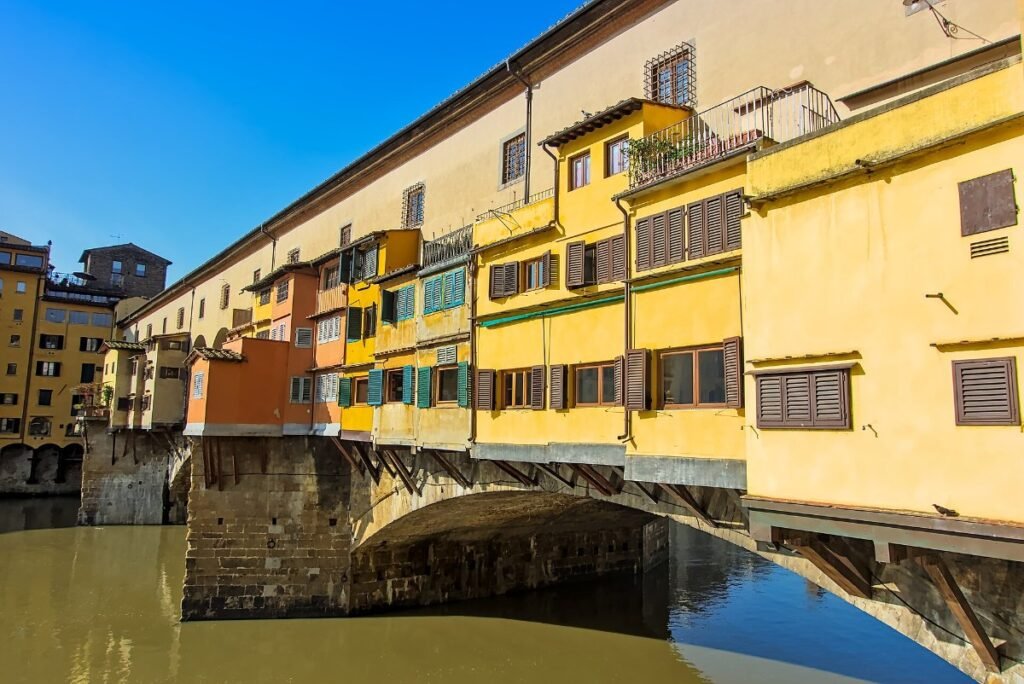

You’re in a beautiful place, you’ve paid to be there, and you cannot make yourself care about another old town. The cathedral is fine. The view is fine. You’d quite like to lie down.
This is travel burnout, it’s extremely common on trips longer than about three weeks, and almost nobody admits to it because it sounds ungrateful.
What it actually is
Travel is a continuous stream of small decisions. Where to sleep, how to get there, what’s safe, what things cost, which queue is the right queue, what the word on the menu means. At home most of that runs on autopilot. Abroad, none of it does.
Add disrupted sleep, irregular meals, no routine and no personal space, and you’re spending far more mental energy than a normal week — while telling yourself you’re on holiday and should be enjoying it.
The guilt is the part that makes it worse. Feeling flat in Rome feels like a personal failing rather than a predictable consequence of six weeks of decisions.
How to spot it before it flattens you
- You’re photographing things out of obligation rather than interest.
- You’re choosing accommodation by wifi rather than location.
- You’ve started eating at the same familiar chain repeatedly.
- The thought of another travel day produces dread, not anticipation.
- You’re irritable about small things — a queue, a delay, someone walking slowly.
- You’re spending evenings scrolling rather than going out.
Two or three of those over several days is the signal. It isn’t a sign the trip is wrong; it’s a sign the pace is.
The single most effective fix: stay put
Almost all travel burnout is caused by moving too often. Two nights per city sounds efficient and it means you never stop doing logistics — packing, checking out, transit, finding the new place, working out the new transport system, repeat.
Book somewhere for five to seven nights and don’t sightsee for the first two. Find a café you like and go back to it three days running. Do laundry. Cook something. Go to a supermarket.
The counterintuitive bit: you’ll see more of a place in a week of low-effort days than in two days of forced sightseeing, and you’ll remember it better.

Rebuild a few anchors
Burnout comes partly from having no structure at all. A few fixed points restore a surprising amount.
Keep one routine from home. A morning run, coffee at the same hour, reading before bed. It doesn’t matter which; it matters that it’s the same.
Eat properly at regular times. Long-term travellers drift into snacks and one big evening meal, and it wrecks energy levels.
Sleep in one place long enough to sleep well. Dorms and night buses are fine occasionally and corrosive continuously.
Book a private room. If you’ve been in dorms for weeks, a door that closes is worth more than the money it costs.
Give yourself permission to skip things
You do not have to see the cathedral. You do not have to do the free walking tour. You are not being graded.
The “I’m here, I might never come back, I have to see everything” instinct is what produces the exhaustion in the first place. Half the famous sights in any city are worth 20 minutes and people give them three hours because they queued.
A day spent in a park with a book, in a city you’ve travelled a long way to reach, is not a wasted day. It’s frequently the one you’ll remember.
▶ Watch This Before You Go
Change the type of travel, not the destination
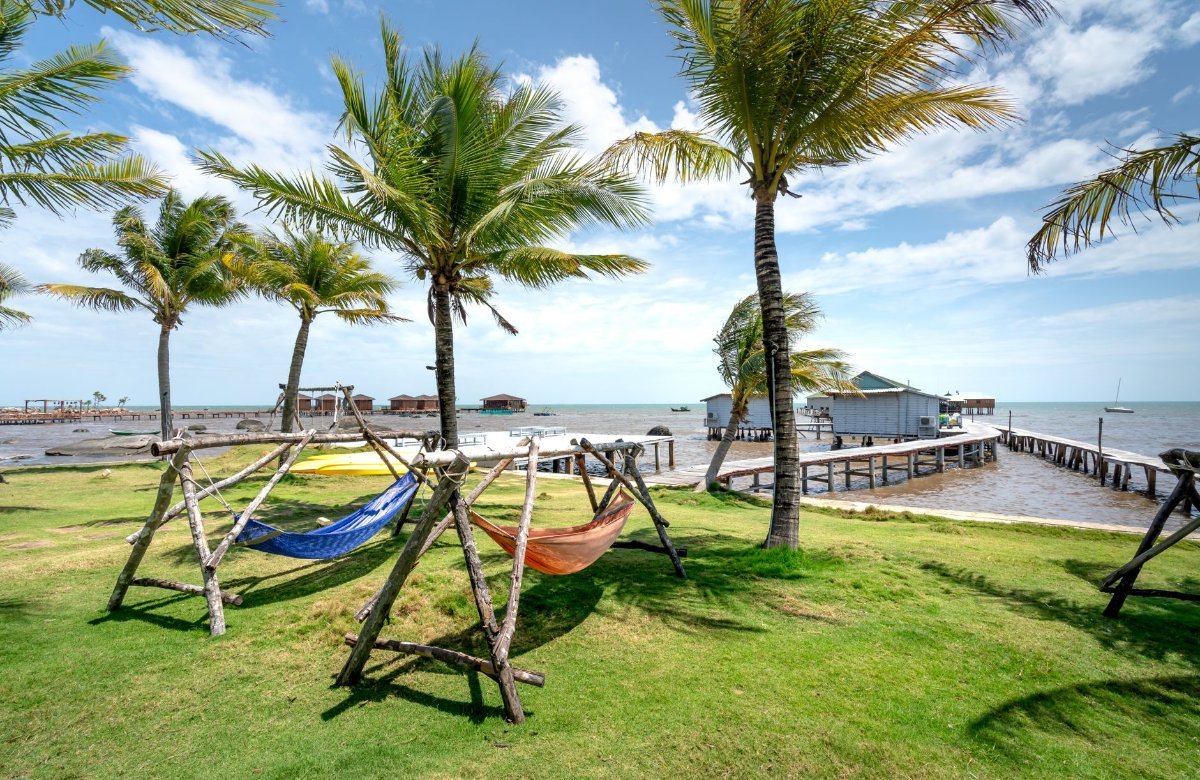
If cities have become a blur, go somewhere rural. If you’ve been hiking for three weeks, go and sit in a city with good restaurants. If you’ve been in hostels, get a quiet apartment.
Burnout is usually about sameness of effort rather than sameness of place. Switching mode resets more than switching country does.
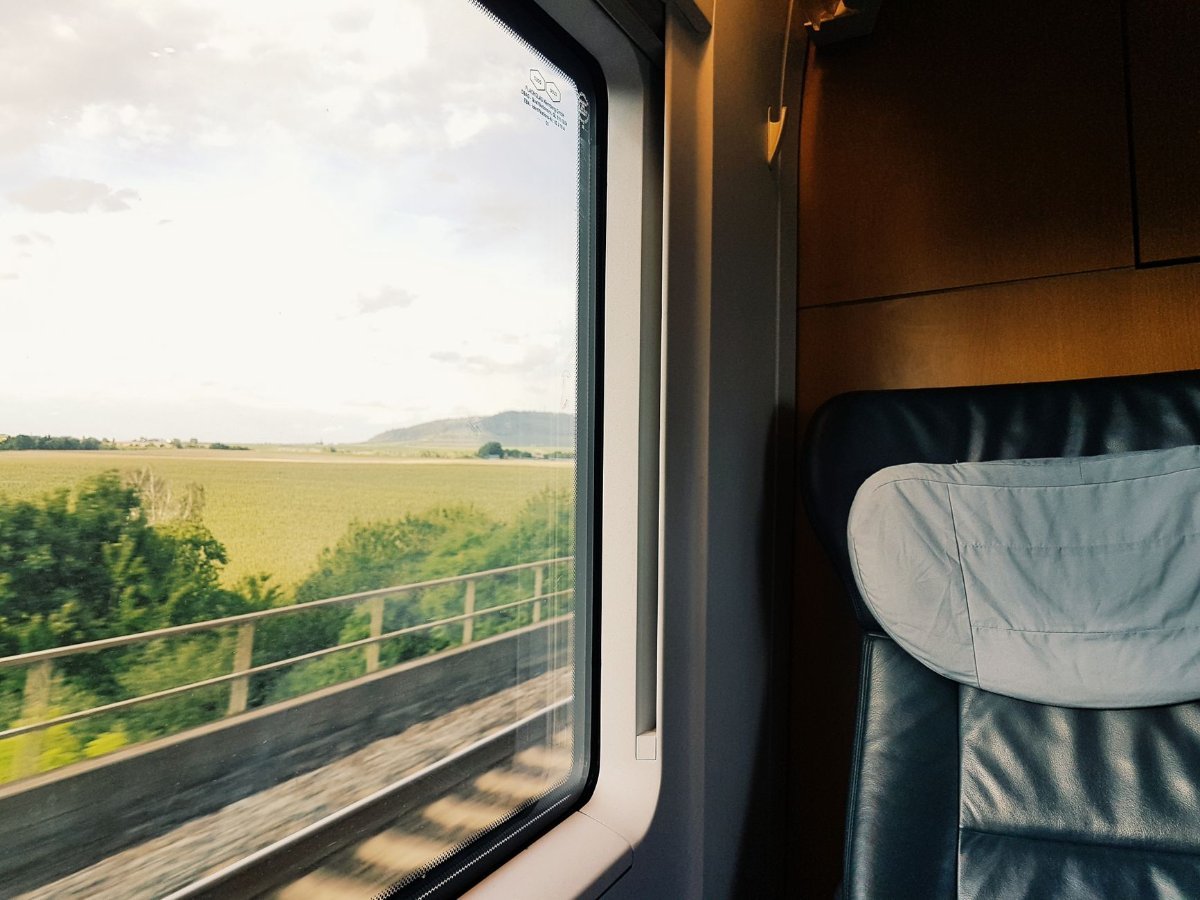
Slow transport helps too. A long train journey where you can’t do anything but look out of a window is genuinely restorative in a way a two-hour flight with a 5am start is not.
The option people resist: go home
If you’ve tried slowing down and it hasn’t lifted after a week or two, going home early is a completely legitimate outcome.
Long trips acquire a strange moral weight — you told people you were going for six months, and coming back at four feels like failure. It isn’t. Nobody is keeping score, and the people who care about you would rather have you back well than away miserable.
A shortened trip you enjoyed beats a full one you endured. That’s true of six-month backpacking trips and two-week holidays equally.
Prevention, for next time
Plan fewer stops than feels right. Whatever your instinct says, cut it by a third.
Build in deliberate nothing days — one in seven, planned in advance so you don’t feel guilty taking them.
Don’t pre-book a rigid chain of accommodation. The ability to stay an extra two nights somewhere you like is the single best defence against burnout.
Alternate intensity. A demanding city, then somewhere quiet. Not four capitals in a row.
FAQ
How long before burnout typically hits? Three to six weeks on a continuous trip, or around day ten of a fast-paced two-week holiday.
Is it the same as homesickness? No, though they overlap. Homesickness is about missing specific people and places. Burnout is depletion, and it doesn’t lift when you call home.
Will taking a week off ruin my itinerary? Almost certainly not, and it will improve everything after it.
Does it happen to experienced travellers? More, if anything. Long-term travellers push through it for longer before admitting it.
What if I’m travelling with someone? Say it out loud. There’s a good chance they feel the same and are also being polite about it. Split up for a day; it helps enormously.
Is it worth pushing through? For a day or two, sometimes. For weeks, no — you’re just spending money to be miserable somewhere expensive.