
How to Stay Safe Traveling Alone (Without Being Paranoid)
“Isn’t it dangerous to travel alone?” If I had a euro for every time someone asked me that, I could fund another trip. The honest answer: not if you’re a little bit smart about it.

In this guide
- Stay Aware, Not Afraid
- Share Your Plans With Someone Back Home
- Protect Your Documents and Money
- Trust Your Gut Over Politeness
- Be Smart About Nights and Strangers
- Your Quick Safety Checklist
- Research Safety Before You Go
- Choosing Safe Accommodation
- Getting Around Safely
- Drink and Nightlife Safety
- Protecting Your Tech and Data
- Extra Considerations for Women
- What to Do in an Emergency
- The Bottom Line
Solo travel safety isn’t about fear or paranoia. It’s about a handful of simple habits that let you relax and actually enjoy the freedom.
Here’s how to stay safe traveling alone, without spending the whole trip looking over your shoulder.
Stay Aware, Not Afraid
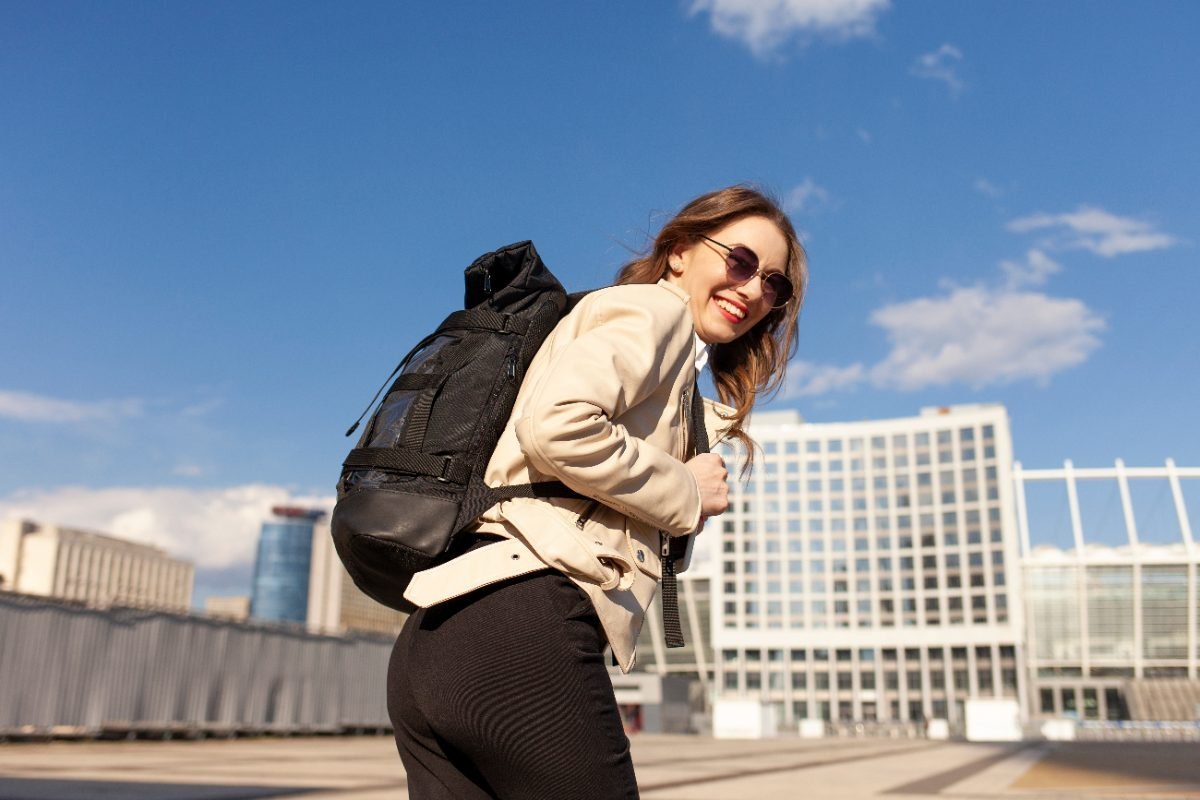
The single best safety tool you have is awareness. Walk like you know where you’re going, even when you don’t, and keep your head up instead of buried in your phone.
**Confidence deters trouble.** Most problems target people who look lost, distracted, or nervous, so own the street and you’ve already won half the battle.
Share Your Plans With Someone Back Home
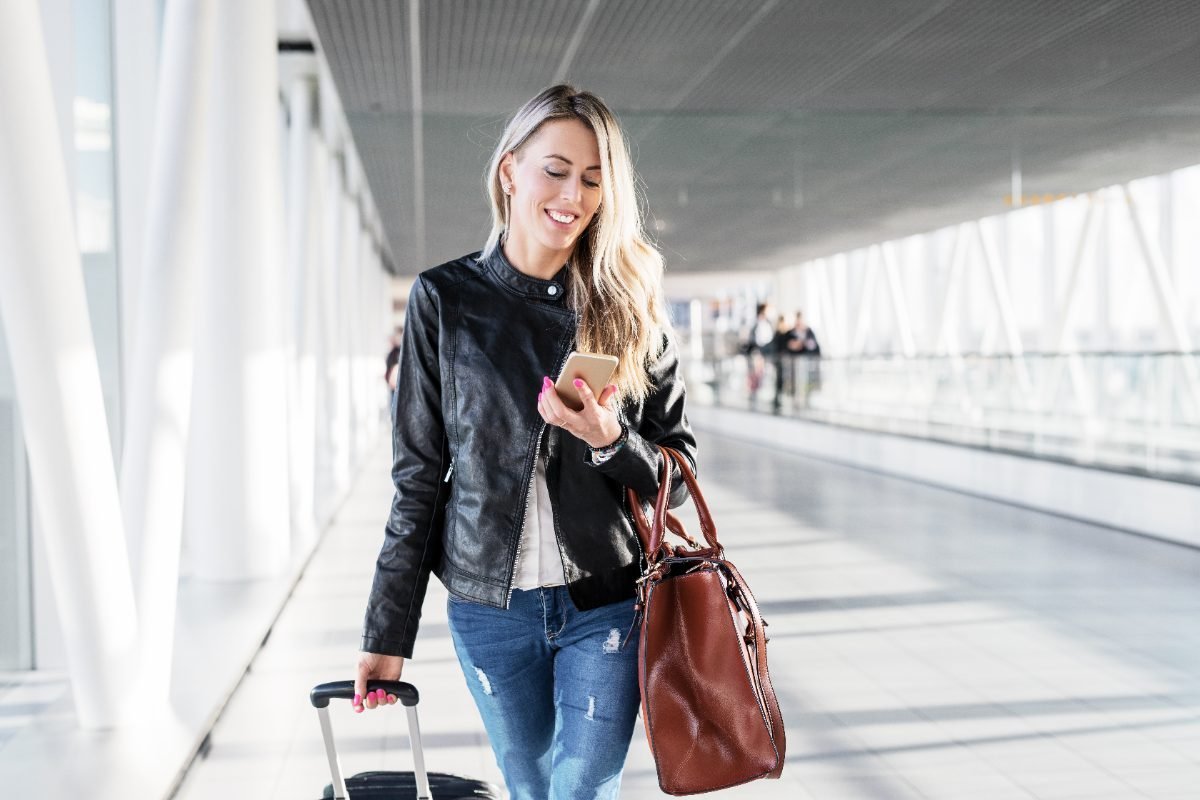
Always have one person who knows roughly where you are. Send them your accommodation, your rough itinerary, and a quick check-in each day.
It costs you nothing and means someone would notice fast if anything went wrong. A shared live location with a trusted friend is the modern travel safety net.
Protect Your Documents and Money
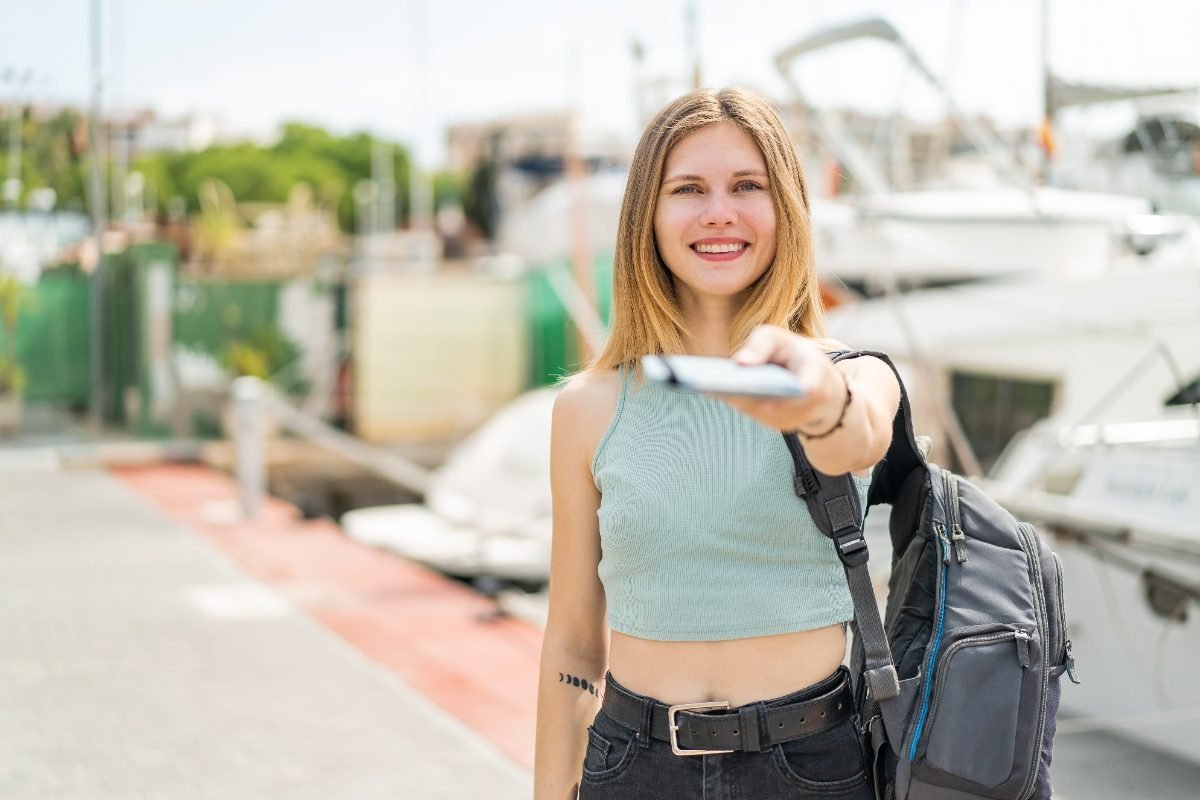
Keep digital copies of your passport and cards saved offline and emailed to yourself. Carry a backup bank card stored separately from your main one.
Use a hotel safe or a hidden pouch for the bulk of your cash, and only carry what you need for the day. Lose a wallet and it’s an annoyance, not a disaster.
▶ Watch This Before You Go
Trust Your Gut Over Politeness
If a person, street, or situation feels off, leave. You never owe a stranger your time, your trust, or an explanation.
Solo travelers who get into trouble often ignored an early gut feeling to avoid seeming rude. Be the slightly-too-cautious one. It’s always the right call.
Be Smart About Nights and Strangers
Avoid arriving somewhere new late at night, and screenshot your accommodation’s address before you land. Don’t broadcast to strangers that you’re traveling completely alone.
Watch your drinks, know how you’re getting home before you go out, and keep a little cash for an emergency taxi. Simple stuff, huge difference.
Your Quick Safety Checklist
Tick these and you’re genuinely covered:
- Share your itinerary and check in daily with someone at home
- Save offline maps and your address screenshots
- Carry a backup card and cash stored separately
- Keep digital copies of your passport and documents
- Trust your gut and leave anything that feels off
- Plan your nights out, including how you’ll get back
That’s it. None of it is dramatic, and all of it becomes second nature within a trip or two.
Research Safety Before You Go
Smart safety starts before you even pack. Read up on your destination’s safe and sketchy areas, common scams, local laws, and emergency numbers, so nothing catches you off guard on arrival.
Government travel advisories, recent traveler reviews, and women’s travel forums give a realistic picture beyond the headlines. Knowing what is normal somewhere helps you spot what is not.
A little homework turns anxiety into preparedness. You arrive informed rather than guessing, which is half the battle.
Choosing Safe Accommodation
Where you sleep shapes how safe you feel, so choose with care. Read recent reviews with an eye for comments on safety and location, and favor central, well-reviewed places over a bargain in a dodgy area.
Check for secure locks, lockers, and 24-hour reception, and note how you will get there safely after dark. Arriving somewhere new late at night is best avoided entirely when you can.
A solid base makes everything else easier. Feeling secure where you sleep frees you to enjoy where you explore.
Getting Around Safely
Transport is where a little caution pays off. Use official taxis or trusted ride apps, sit near the driver or other people on buses and trains, and keep your bag in sight and zipped in crowds.
Plan your route before you set off so you look purposeful rather than lost, and avoid empty stations or streets late at night. Screenshot your destination in case your phone dies.
Move like you know where you are going and most trouble passes you by. Confidence and a plan are your best transport tools.
Drink and Nightlife Safety
A night out solo can be brilliant with a few sensible habits. Watch your drink being made, never leave it unattended, and pace yourself so you stay aware and in control.
Know how you are getting home before you go out, keep cash for a taxi, and tell someone your plans. Trust your read of a place, and leave any bar or situation that feels off without a second thought.
Have fun, just keep the basics covered. Staying a little sharper than everyone else is what keeps the night a good story.
Protecting Your Tech and Data
Your phone is your lifeline, so guard it and your data. Use a strong passcode, back up your documents to the cloud, and be cautious on public Wi-Fi, ideally with a VPN for anything sensitive.
Keep a backup bank card and digital copies of your passport stored separately, so a lost or stolen phone is a hassle rather than a disaster. Avoid flashing expensive gear in crowded spots.
A little digital hygiene saves a lot of grief. Losing a phone should never mean losing access to your money or your identity.
Extra Considerations for Women
Solo female travel is wonderfully rewarding and safe in countless places, with a few added habits worth keeping. Dress with an eye on local norms, project confidence, and do not feel obliged to share that you are travelling alone.
A fake wedding ring, a vague reference to meeting friends, and trusting your gut over politeness all help in tricky moments. Connecting with other women travelers and local women adds both safety and joy.
None of this is about fear, it is about freedom. A few smart habits let you say yes to the world with confidence.
What to Do in an Emergency
Hope for the best, but know your plan for the worst. Save the local emergency number and your country’s nearest embassy, and keep your insurance details and a small emergency fund accessible.
If something goes wrong, getting somewhere safe and public comes first, then contacting the right help. Travel insurance is non-negotiable, since it turns a potential catastrophe into a manageable claim.
Prepared travelers handle emergencies calmly because they planned for them. The goal is not paranoia, it is the quiet confidence that you could cope if you had to.
The Bottom Line
Solo travel is far safer than the people back home assume. The world is mostly full of kind strangers, and a few sensible habits handle the rest.
Stay aware, trust your instincts, and keep someone in the loop. Do that and you’re free to do the actual point of solo travel: enjoy it. 🙌