Eight islands, off the coast of Africa, that happen to be Spain. They’re closer to Morocco than to Madrid, they have subtropical weather year-round, and they are not interchangeable — picking the wrong one is the main way people have a disappointing Canaries holiday.
Here’s the honest breakdown.
Tenerife — the biggest, and the most varied
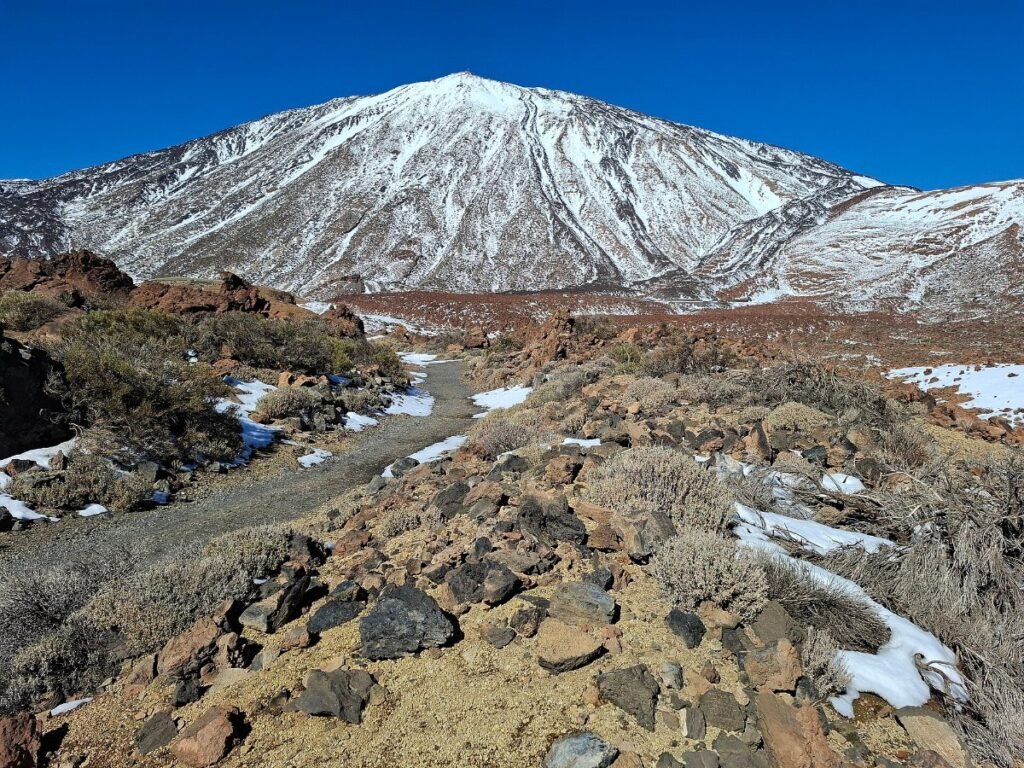
Spain’s highest mountain is here: Mount Teide, 3,715 metres, in a national park of volcanic desert that looks like another planet. The cable car takes you to 3,555 metres, and going to the actual summit needs a free permit booked well ahead.
Tenerife splits sharply in two. The south is dry, sunny and where the big resorts are. The north is green, wetter, and has the old towns — La Laguna is a UNESCO site, Puerto de la Cruz is a proper Canarian town.
Anaga, in the northeast, is an ancient laurel forest on knife-edge ridges and one of the best hiking areas in the archipelago.
Pick Tenerife if you want everything on one island and don’t mind that it’s the busiest.
Lanzarote — the strange and beautiful one
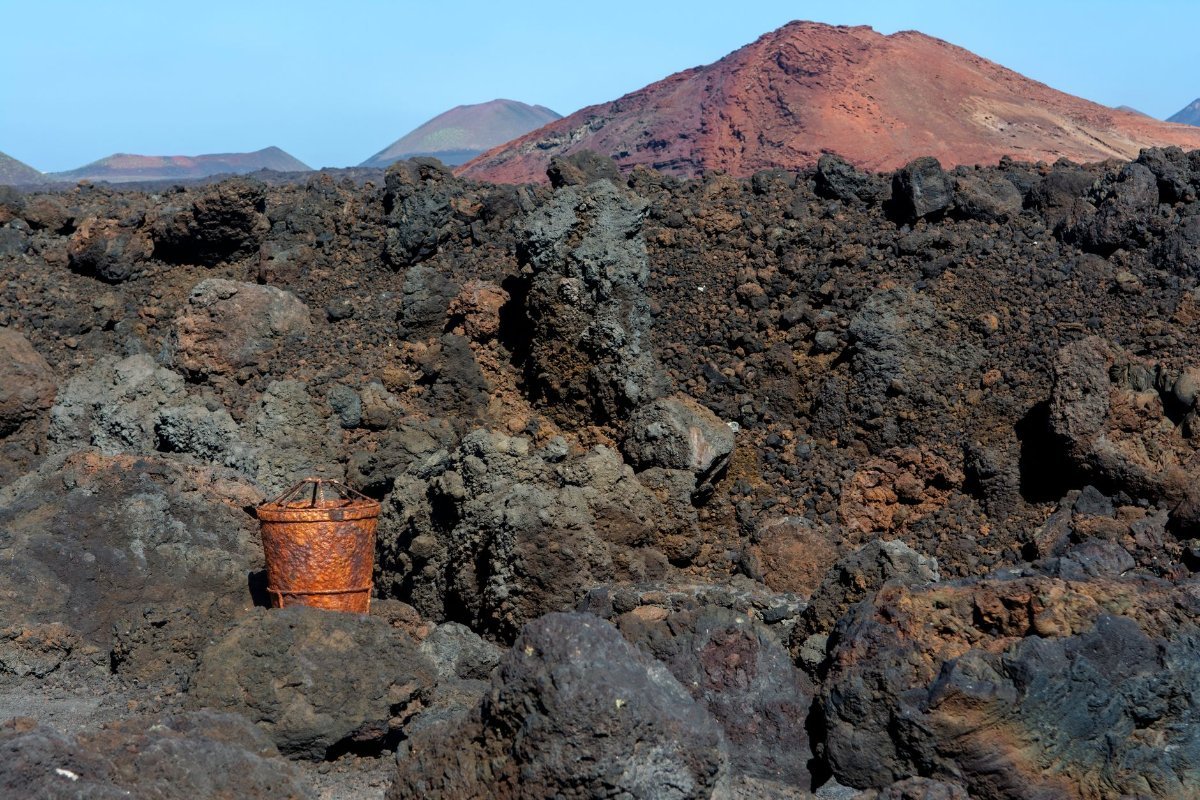
Almost no vegetation, black lava fields, whitewashed cube houses. It looks stark in photos and extraordinary in person.
Timanfaya National Park sits on eruptions from the 1730s that buried a quarter of the island. Ground temperature a few metres down is still around 600°C — they demonstrate by pouring water into a borehole and producing a geyser, and grill food over a hole in the ground.
The island’s character comes largely from one man, the artist César Manrique, who fought to ban high-rise development and built a series of sites into the volcanic landscape — Jameos del Agua, Mirador del Río, his own house inside five lava bubbles. There are no billboards and almost no buildings above two storeys because of him.
La Geria is the wine region, where vines grow in individual hollows dug into black ash with stone walls around them. It looks like nothing else in the wine world.
Pick Lanzarote if you want landscape, design and quiet over nightlife.
Gran Canaria — a continent in miniature
Fair claim. In an hour you go from beach to pine forest to a mountainous interior with villages at 1,500 metres.
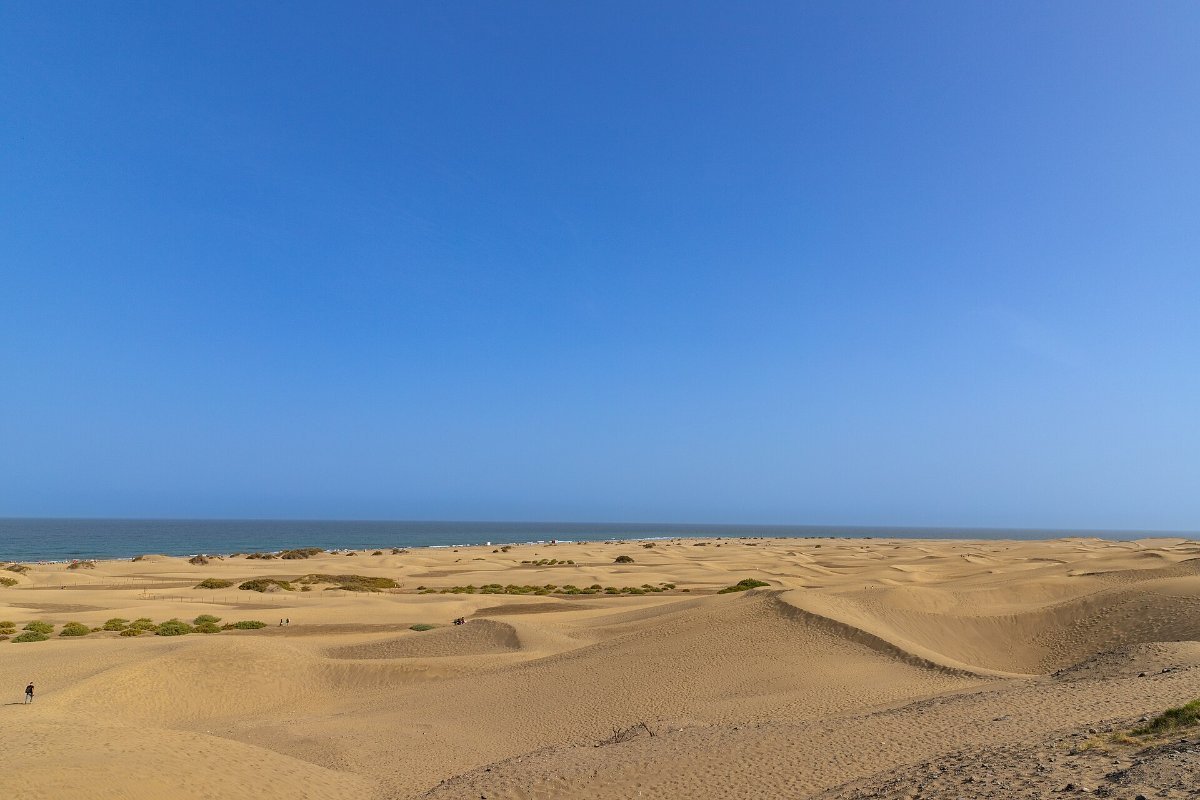
Maspalomas in the south has genuine sand dunes running to the sea. Las Palmas in the north is a real city of 380,000 with a good beach in the middle of it and a proper old quarter.
Roque Nublo and the central mountains are the surprise for most visitors — an easy walk to a 65-metre monolith with Teide visible across the water.
Pick Gran Canaria if you want a city plus beaches plus mountains, and the best nightlife in the islands.
Fuerteventura — the beach one
The oldest island, worn flat, with the best beaches by a distance — long white sand, dunes at Corralejo, turquoise water.
It’s also the windiest, which makes it a world-class windsurfing and kitesurfing destination and a slightly less relaxing sunbathing one.
Least to do beyond the beach. That’s either the appeal or the problem.
Pick Fuerteventura if beaches and watersports are the point.
▶ Watch This Before You Go
La Palma, La Gomera, El Hierro, La Graciosa — the quiet ones
La Palma — “la isla bonita”. Steep, green, with the Caldera de Taburiente and some of the clearest skies on Earth, which is why the major observatories are here. The 2021 Cumbre Vieja eruption reshaped part of the island and the lava fields are now a visitor site in their own right.
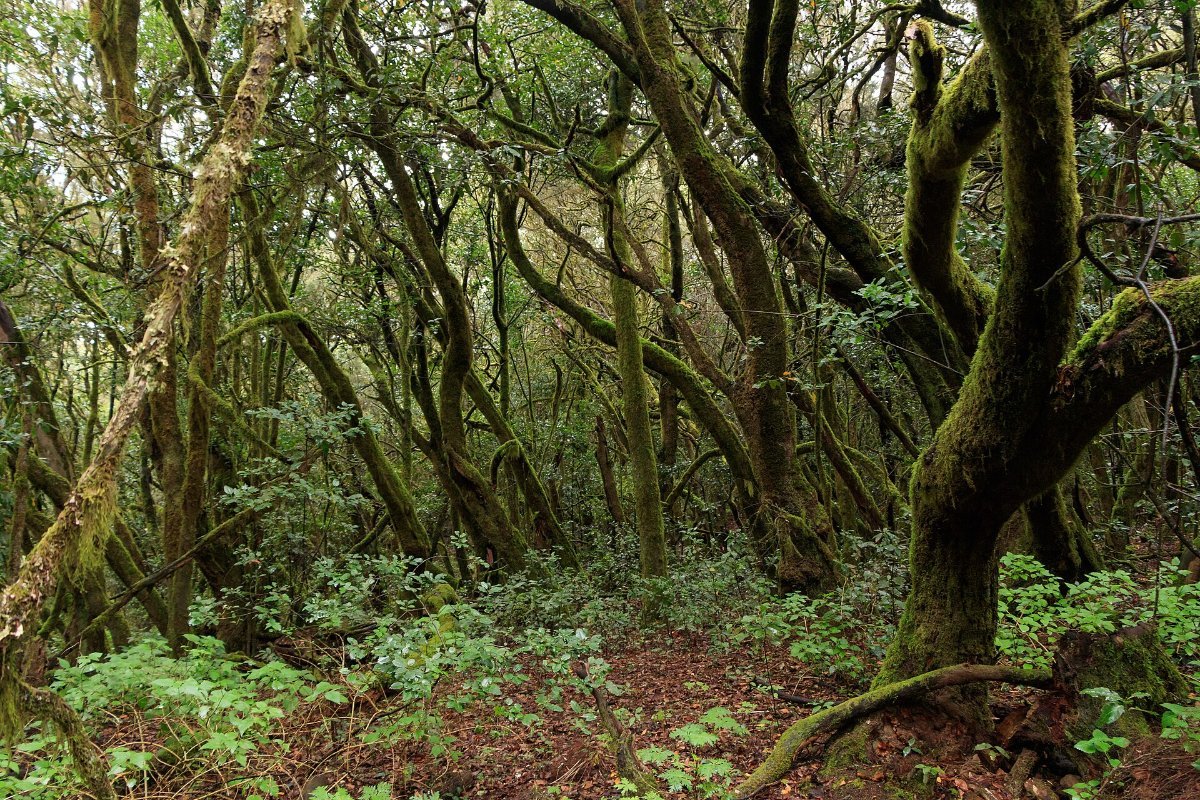
La Gomera — reached by ferry from Tenerife in under an hour. Garajonay National Park is a laurel forest that survived the last ice age, permanently misted, genuinely primeval. The island also has silbo gomero, a whistled language used to communicate across ravines, taught in schools and recognised by UNESCO.
El Hierro — the smallest and remotest, aiming to run entirely on renewables. For divers and people who want nothing.
La Graciosa — no paved roads. Ferry from Lanzarote in 25 minutes.
Which to pick, in one line each
- First visit, want variety — Tenerife.
- Landscape and design — Lanzarote.
- City plus beach plus mountains — Gran Canaria.
- Beaches and wind sports — Fuerteventura.
- Hiking and stars — La Palma.
- Forests and total quiet — La Gomera.
The weather, which is the whole selling point
Highs of 20 to 22°C in January and 26 to 29°C in August, on almost every island. This is why northern Europeans come in winter.
Two caveats. The north of each island is wetter and cloudier than the south — on Tenerife it can be raining in Puerto de la Cruz and blazing in Los Cristianos on the same afternoon. And the calima, a Saharan dust wind, occasionally brings haze, heat and poor air for a few days.
Sea temperature runs 19 to 23°C year-round. Refreshing rather than warm.
Practical bits
All the main islands have airports with direct European flights. Inter-island flights (Binter, Canaryfly) are cheap and take 30 to 45 minutes; ferries take longer but carry cars.
Hire a car on any island you want to see properly. Resort-only trips don’t need one.
A week per island is comfortable. Two islands in a week is doable if they’re close.
The Canaries have a lower rate of VAT than mainland Spain, so alcohol, tobacco and electronics are noticeably cheaper.
FAQ
Which is best for winter sun? The south of Tenerife, Gran Canaria or Fuerteventura. Most reliable sunshine December to February.
Can I island-hop easily? Yes, especially Tenerife–La Gomera and Lanzarote–Fuerteventura, both short ferries.
Are they expensive? No. Cheaper than mainland Spanish resorts in many cases, particularly outside peak weeks.
Is Teide worth it? Yes, and it’s free to enter the park. Book the cable car ahead, and the summit permit much further ahead.
Best island for hiking? La Palma or La Gomera, with Tenerife’s Anaga close behind.
Do I need Spanish? Not in the resorts. Useful elsewhere.