A nine-hour layover is either a dead day or a free extra city, and the difference is about twenty minutes of planning done before you fly rather than while you’re standing at the carousel.
Here’s how to work out which one you’ve got.
First: can you actually leave?
Three things decide this, and you need all three.
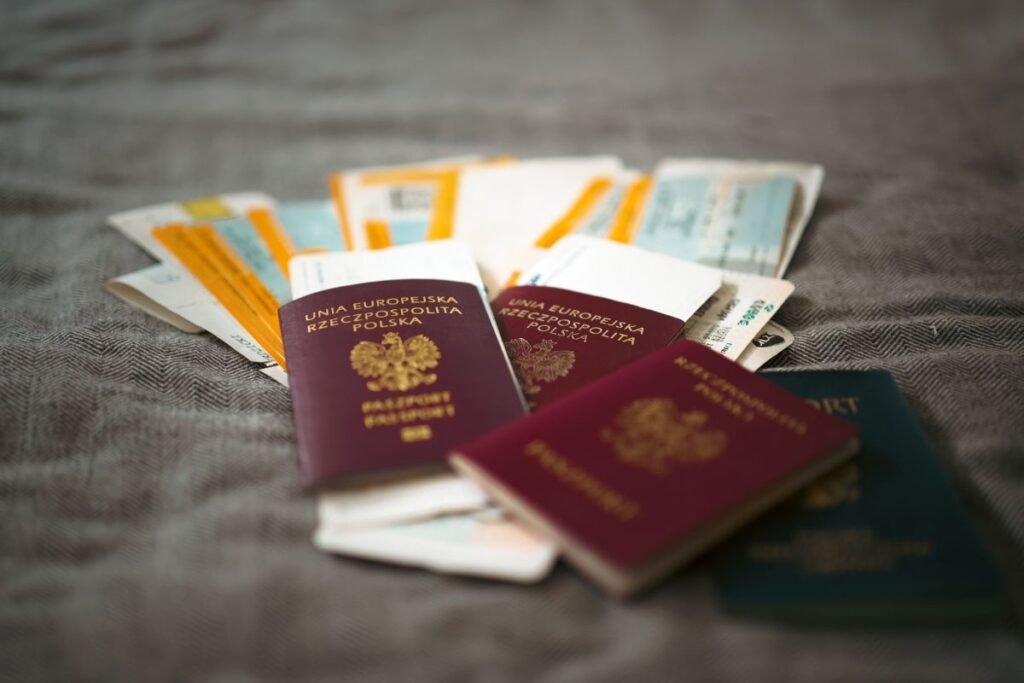
1. Do you have the visa to enter? Transiting airside is different from entering a country. The US is the big one — there’s no international transit without entering, so you need an ESTA or visa even if you never leave the airport. Same for Canada with an eTA. Check this before anything else.
2. Is your bag checked through? If it is, you can walk out with hand luggage and it’ll be on the next flight. If you have to collect and recheck it, you’ve lost an hour at each end and there may be a bag drop that isn’t open yet.
3. How long is the layover really? Take the total, subtract 90 minutes for immigration and getting out, subtract 2.5 hours for getting back and through security, and subtract the round-trip transit time to the city. What’s left is your actual time.
Rough rule: under 6 hours, stay in the airport. 6 to 8, only if the centre is under 30 minutes away. Over 8, go.

Airports where leaving is genuinely easy
Singapore Changi — 20 minutes to the centre by MRT, and the airport itself has a butterfly garden, a rooftop pool and a 40-metre indoor waterfall. Free city tours for eligible transit passengers with long enough layovers.
Amsterdam Schiphol — 15 minutes by train to Centraal. Possibly the easiest big airport in the world for this.
Istanbul — Turkish Airlines runs free guided TourIstanbul trips for transit passengers, and free hotels for very long layovers on their tickets. Worth checking the current terms.
Tokyo Haneda — 15 minutes to central Tokyo. Far better than Narita for this.
Reykjavík Keflavík — the Blue Lagoon is 20 minutes away and roughly halfway to the city, and it has luggage storage.
Doha, Dubai, Zurich, Copenhagen, Hong Kong — all straightforward with fast rail links.
Ones to not bother with: most large US airports, Paris CDG (45+ minutes and immigration queues), London Heathrow at rush hour, São Paulo.
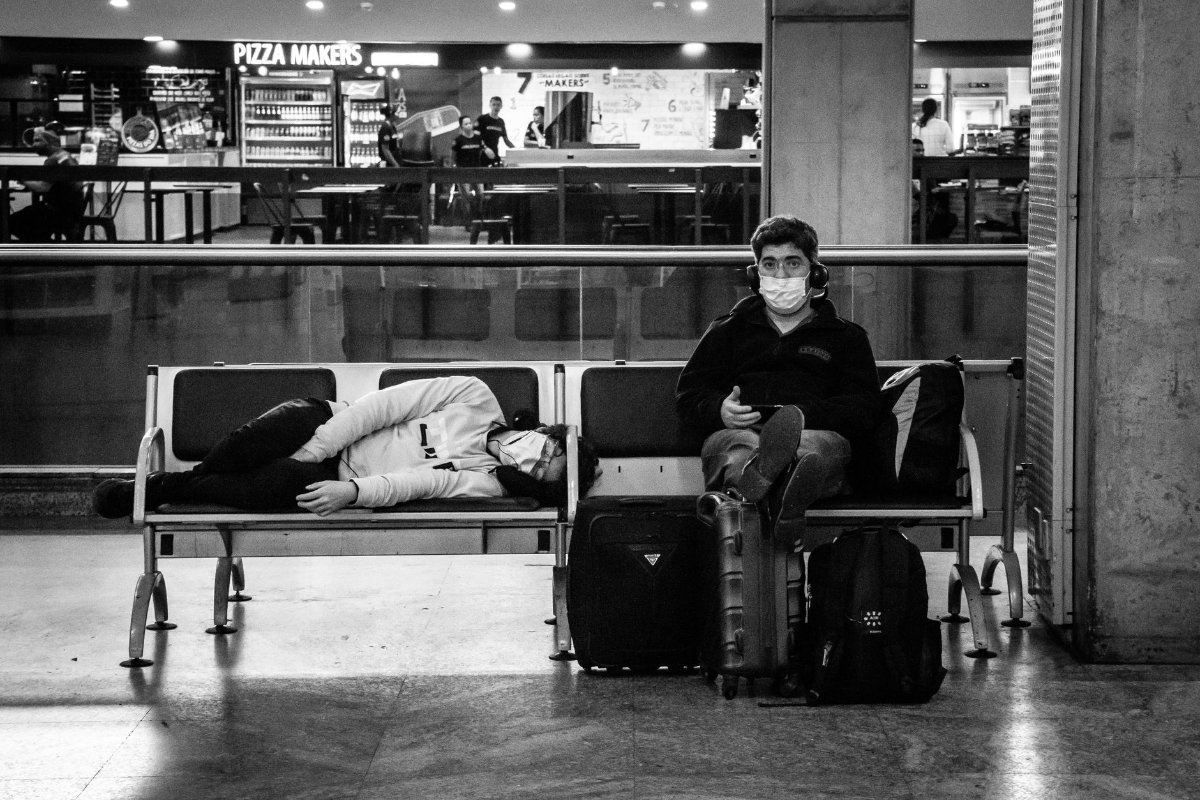
If you’re staying in the terminal
Lounges are buyable. You don’t need status or business class. Priority Pass, LoungeBuddy, or paying at the door usually runs $30 to $60, and for a six-hour wait that’s food, a shower, a seat and wifi. It’s frequently the best value purchase in travel.
Showers change everything on a long-haul connection. Many lounges have them, and some airports have paid shower facilities separately.
Sleep pods and transit hotels exist at Changi, Dubai, Doha, Munich, Amsterdam and dozens more, bookable in blocks of a few hours.
Find the quiet zone. Most big airports have a designated rest area, and they’re rarely signposted well. Ask, or check the airport map before you land.
Airport-specific tricks: Changi has free cinemas and a slide. Munich has a brewery. Amsterdam has a Rijksmuseum annexe. Vancouver has an aquarium exhibit. Incheon has an ice rink and a museum of Korean culture.
▶ Watch This Before You Go
The practical kit
A layover is much better with: a power bank, a proper eye mask, earplugs or noise-cancelling headphones, a spare pair of socks, a toothbrush, and a change of t-shirt. That’s a very small bag and it converts a grim wait into a manageable one.
Also a refillable water bottle. Airport water is expensive and dehydration is most of what makes long transits feel awful.
Worth adding one deliberately low-tech item: something to do that isn’t a screen. After about four hours in a terminal most people have exhausted their patience for phones and laptops, and a paperback or a puzzle book carries the last stretch far better than another episode of something. It also survives a dead battery, which is exactly when you’ll need it most.
If you leave, do it properly
Store your bags. Most major airports have left luggage, roughly €5 to €15 per bag. Dragging a cabin case around a city for six hours ruins the point.
Pick one thing. One neighbourhood, one museum, one meal. Trying to “see” a city in five hours produces nothing but a stressful commute.
Set an alarm for the return, and set it early. Whatever time you think you should head back, go 45 minutes before that.
Have the airport’s train times saved offline and know the last useful departure.
Keep your boarding pass and passport on you, not in the stored bag. Obvious, and people do it.
The bit that catches people out
If your layover is on separate tickets rather than one booking, you are responsible for the connection. If the first flight is late and you miss the second, the airline owes you nothing.
On a single ticket, the airline has to rebook you at no cost. That’s the single most important difference between a cheap self-connected itinerary and a slightly pricier through-ticket, and it’s worth the difference on a tight schedule.
Some airports also require you to clear immigration and recheck bags even on a single ticket — the US and, for many itineraries, Canada. Build that in.
FAQ
What’s the minimum layover I should book? 90 minutes domestic, 2 hours international at a familiar airport, 3 hours if you’re changing terminals or airlines.
Can I get a free hotel? Some carriers — Turkish, Qatar, Emirates, China Airlines among others — offer them on long transits, subject to conditions. Check when you book, not on arrival.
Do I get compensation for a long layover? Not for one you booked. Only if a disruption caused it.
Is airport wifi reliable? Usually free now, often time-limited. Download entertainment before you fly rather than relying on it.
What if I miss my onward flight? On one ticket, go straight to the transfer desk; they’ll rebook you. On separate tickets, you’re buying a new flight.
Best layover airport overall? Singapore Changi, and it isn’t close.