
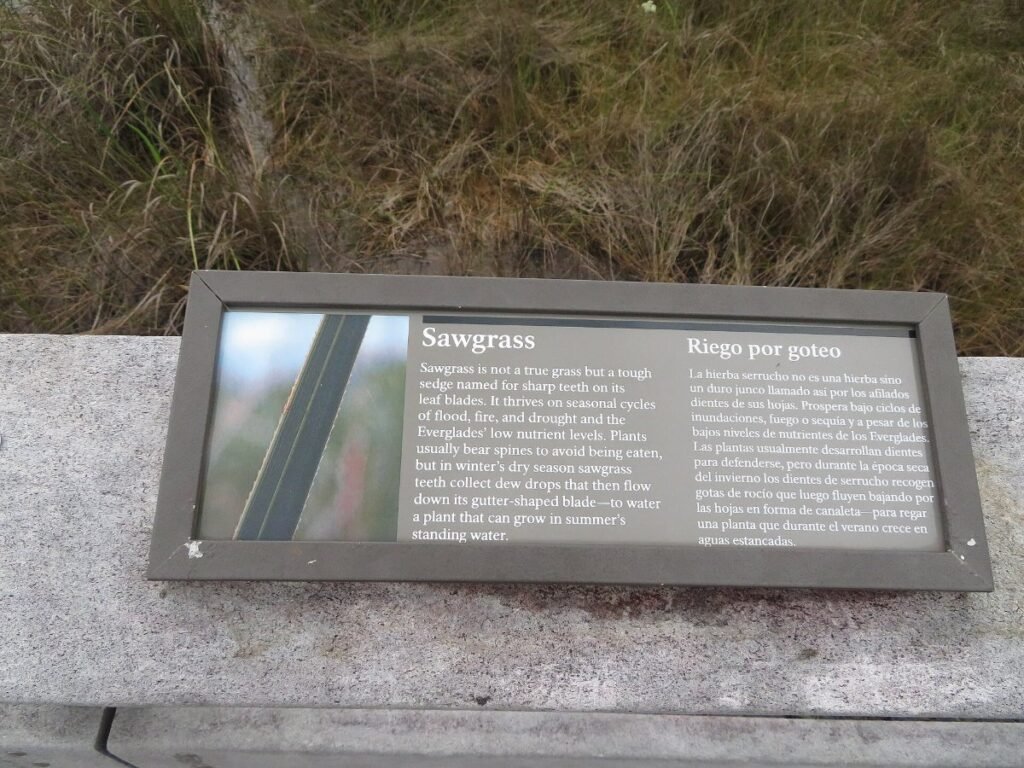
The Everglades is not a swamp. It’s a river — 60 miles wide, a few inches deep, moving so slowly you can’t see it happen. The Seminole called it Pa-hay-okee, grassy water, and that’s a better description than anything on a park sign.
It’s also the only place on Earth where alligators and crocodiles live side by side, and it’s an hour from Miami.
Which entrance you use decides your whole trip
This is the thing people get wrong. There are three entrances and they don’t connect inside the park. You cannot drive between them.
Homestead / Ernest Coe (southeast, an hour from Miami) is the main one. A 38-mile road runs down to Flamingo on Florida Bay, with the best walking trails along it. If you’re doing one entrance, do this one.
Shark Valley (north, on the Tamiami Trail) is a 15-mile paved loop through sawgrass with a 20-metre observation tower at the far end. You cycle it, walk it, or take the tram. The highest concentration of alligators in the park, easily.
Gulf Coast / Everglades City (west) is the gateway to the Ten Thousand Islands and is essentially boat-only.
Because the entrances don’t connect, the mistake people make is booking a hotel near one and then discovering the thing they wanted to see is two hours’ drive away round the outside. Homestead and Florida City are the practical base for the main entrance and the Keys; Everglades City suits the Gulf side. If you want both Shark Valley and the Flamingo road, Homestead still works, because Shark Valley is a straightforward drive up and along the Tamiami Trail.
The trails worth doing
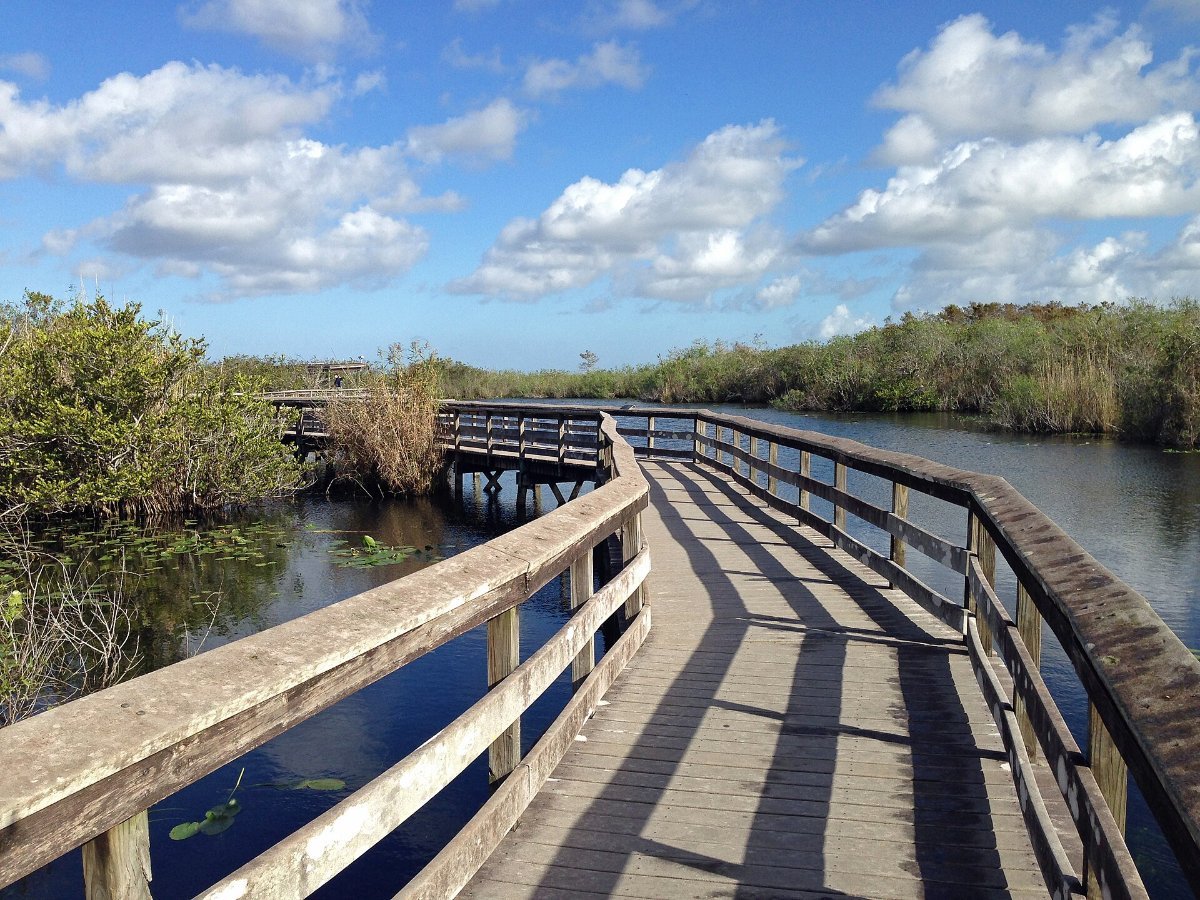
Anhinga Trail — 1.2km of boardwalk near the Homestead entrance, and the single best wildlife walk in Florida. Alligators, anhingas, herons, turtles, all within a few metres. Half an hour, wheelchair accessible.
Gumbo Limbo Trail — right next to it, through a hardwood hammock. Completely different habitat, shady, short.
Pa-hay-okee Overlook — a short boardwalk to a platform over the sawgrass prairie. This is where the “river of grass” makes sense.
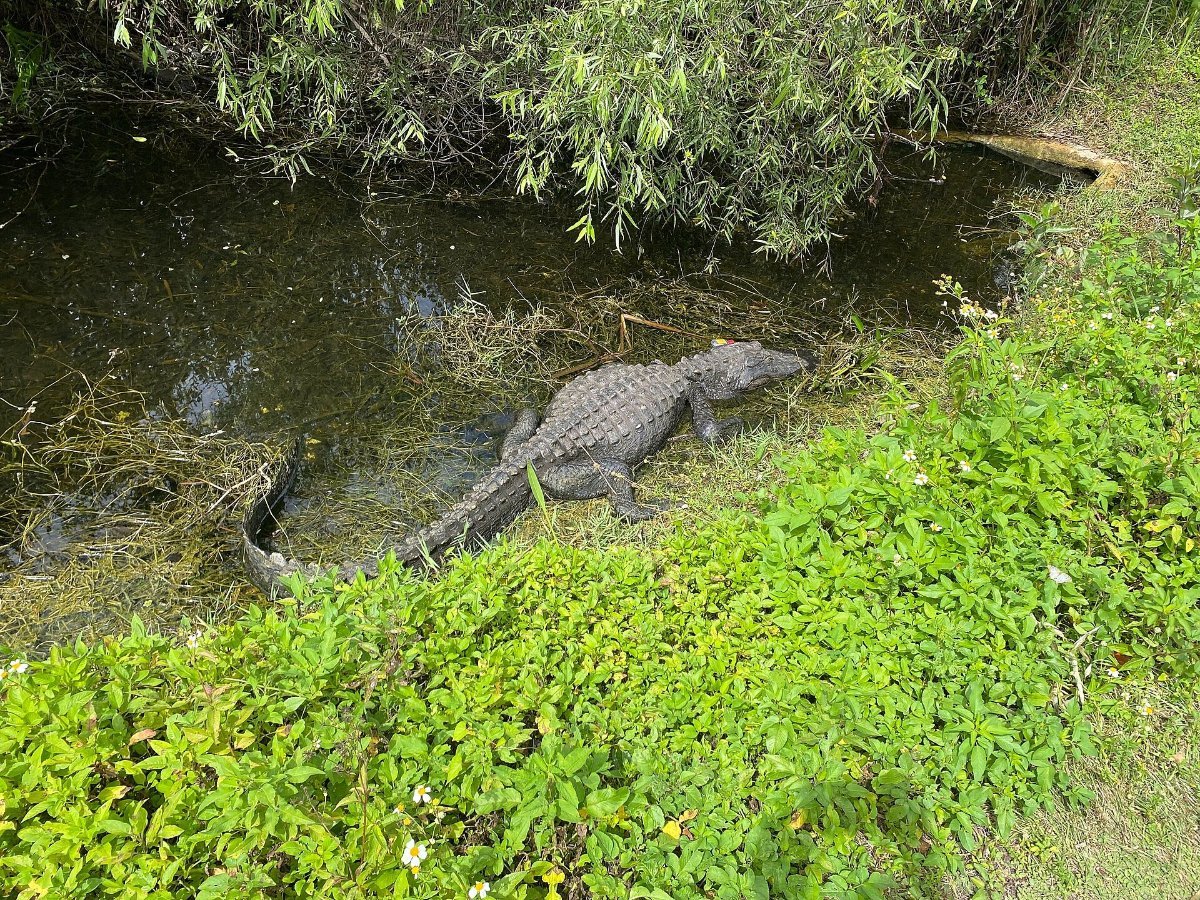
Shark Valley loop — 15 miles return. Hire a bike at the entrance for about $25, allow three hours, and expect to ride past alligators lying on the path. They ignore you. Give them room anyway.
Airboats: the honest answer
Airboats are not permitted in most of the national park. The ones you’ll see advertised on the Tamiami Trail operate on tribal land or in the adjacent water conservation areas.
They’re loud, fast and fun, and they’re not a good way to see wildlife — the noise clears everything out. If you want an airboat ride because an airboat ride sounds fun, have one. If you want to see the Everglades, take a slow boat or a kayak instead.
The park’s own concession runs boat tours from Flamingo and the Gulf Coast, which are quieter and better for wildlife.
▶ Watch This Before You Go
Alligator or crocodile?
Both live here and it’s the only place they overlap.
Alligators — broad rounded snout, dark, prefer fresh water. Everywhere in the park, thousands of them.
American crocodiles — narrower pointed snout, greyish-green, tolerate salt water. Mostly in Florida Bay around Flamingo. Perhaps 2,000 in the state, and a conservation success story after being close to gone.
Also here: manatees in the warmer months around Flamingo, roseate spoonbills, wood storks, and Florida panthers, of which there are only a couple of hundred left and which you will almost certainly not see.
There’s an invasive species story here too that’s worth knowing about, because you’ll hear it discussed constantly. Burmese pythons, released or escaped from the pet trade, have established a breeding population in the park and have devastated the mammal population — raccoon, opossum and rabbit sightings along the main road have collapsed since the 1990s. The state runs an annual removal challenge that attracts thousands of participants. It’s the reason the park feels emptier of small mammals than you’d expect from somewhere this wild.
Timing is everything here
December to April is the dry season and it’s when to come. Water levels drop, wildlife concentrates around the remaining pools, temperatures sit around 20 to 26°C, and — critically — there are far fewer mosquitoes.
May to November is the wet season. Hot, humid, daily thunderstorms, and mosquitoes in numbers that genuinely end trips. The park’s own mosquito meter runs from “enjoyable” to “hysterical” and that’s not a joke, it’s a real sign.
If you must go in summer, go early morning, cover up, and use serious repellent.
The Gulf coast, if you want beaches too
The Everglades pairs naturally with Florida’s southwest coast, which is a completely different holiday.
Naples — an hour and a half west, upmarket, wide white beaches, a pleasant walkable centre.
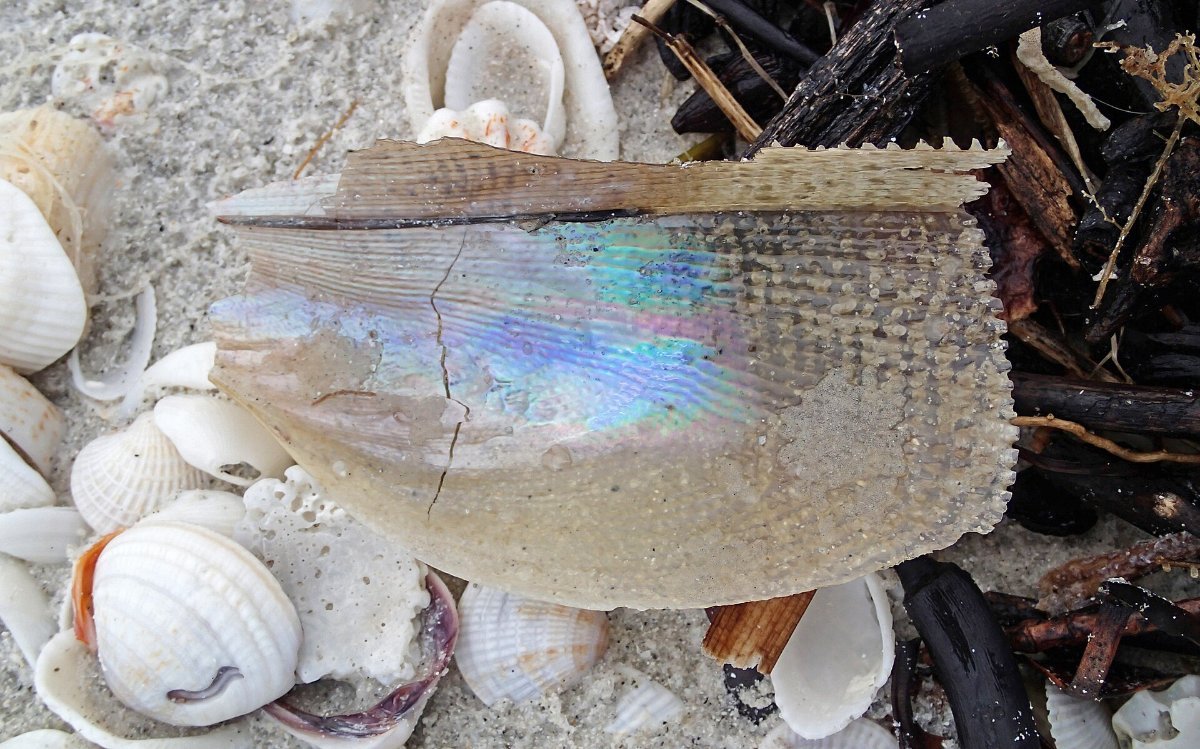
Sanibel and Captiva — famous for shelling, because the islands sit east-west and catch shells from the Gulf. The “Sanibel stoop” is a real term. Note that Hurricane Ian did serious damage here in 2022 and recovery is ongoing, so check what’s open.
Marco Island — the gateway to the Ten Thousand Islands and closest to Everglades City.
A good week: three days Everglades and Homestead, three days on the Gulf coast, driving across the Tamiami Trail between them with a Shark Valley stop.
Practical bits
Entry is $35 per vehicle for seven days, covering all entrances.
You need a car. There’s no public transport to any entrance.
Bring insect repellent with DEET or picaridin even in winter, plus water and sun protection. There’s almost no shade.
Don’t feed the wildlife, and it’s illegal to do so. Don’t swim in fresh water anywhere in the park.
Signal is poor once you’re inside. Download maps.
FAQ
How long do I need? One day at Homestead and half a day at Shark Valley covers it well.
Is it a good day trip from Miami? Yes. Shark Valley is about 45 minutes and Homestead about an hour.
Will I definitely see alligators? In the dry season, on the Anhinga Trail or at Shark Valley, essentially guaranteed.
Is it safe to cycle among them? Yes, they’re habituated and uninterested. Keep about five metres and never get between one and the water.
What about the Keys? Homestead is on the way. Everglades then Key West makes a natural route.
Is it worth it in summer? Only if it’s your only option, and go at dawn. The mosquitoes are not exaggerated.