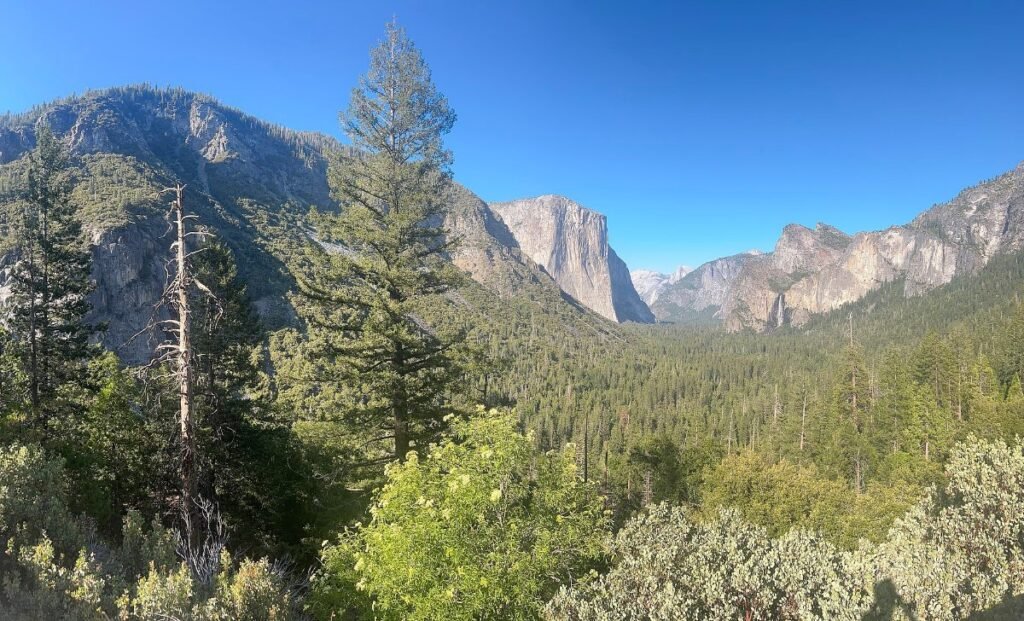
Yosemite Valley is about 11 square kilometres. The park is 3,000. Roughly 90% of visitors go to that 11, which tells you both what’s worth seeing and why it feels the way it does in July.
There’s a lot of advice out there about beating the crowds. Most of it boils down to two things: go at the right time of day, and go slightly further than everyone else.
You probably need a reservation now
Yosemite has run some form of peak-hours entry reservation system in recent years, typically required for arrivals between mid-morning and mid-afternoon during the busiest months. The exact dates and rules have changed year to year, so check the park’s official site before you plan.
The reliable workaround, and the better trip anyway: arrive before 6am or after 4pm. Entry outside the reservation window has generally been unrestricted, and the light is better at both ends.
Entry is $35 per vehicle for seven days.
Worth understanding why the system exists at all, because it makes the rules easier to live with. Yosemite Valley has a fixed number of parking spaces and one road in and out. On the worst summer days the queue to enter has run for hours and the valley loop has effectively become a car park. The reservation window is a blunt instrument aimed at a genuinely hard problem, and going early sidesteps it entirely while also giving you the better version of the park.
Tunnel View, and then keep going
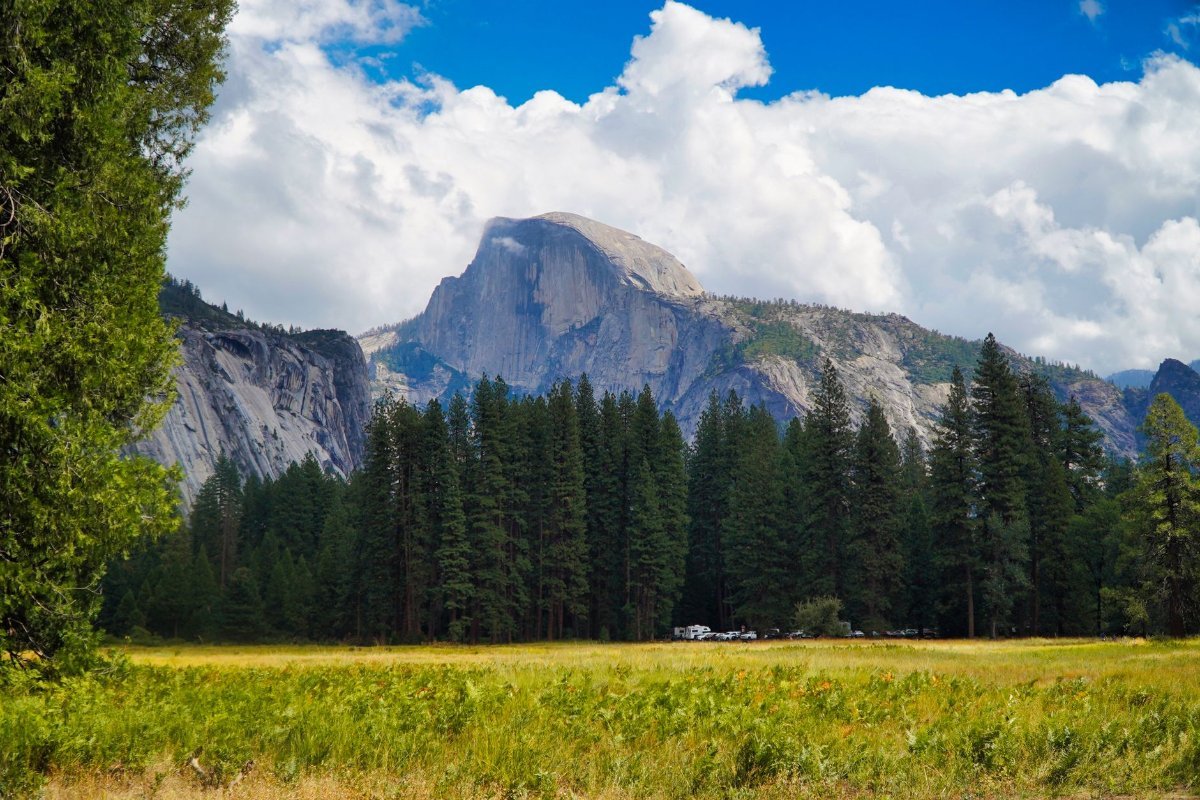
Tunnel View is the shot — El Capitan on the left, Bridalveil Fall on the right, Half Dome at the back. It’s right off Highway 41 and there’s a car park.
Go at sunrise. The valley fills with mist, the crowd is maybe six people, and it’s genuinely the best half hour of the trip.
Then drive down into the valley. Valley Loop Road is one-way in parts and there’s a free shuttle in summer, which is worth using because parking in the valley is brutal after 9am.
The hikes, by how much effort you want to spend
Barely any: Lower Yosemite Fall, 1.6km paved loop, 30 minutes. Bridalveil Fall, even shorter. Cook’s Meadow Loop for the classic Half Dome view with no climbing.
Moderate: Mist Trail to Vernal Fall footbridge, 2.4km return with a steady climb. Continue to the top of Vernal Fall via 600 granite steps and you’ll get soaked in spring, which is the point.
Serious: Upper Yosemite Fall, 11.6km return, 800 metres of climbing, 6 to 8 hours. Brutal and spectacular.
Very serious: Half Dome, 23km, 1,460 metres, 10 to 14 hours, and the final 120 metres is up cables bolted into bare granite. Permits are by lottery and required. Do not attempt without one, and do not attempt if the cables are down or wet.
Glacier Point is the easiest big payoff
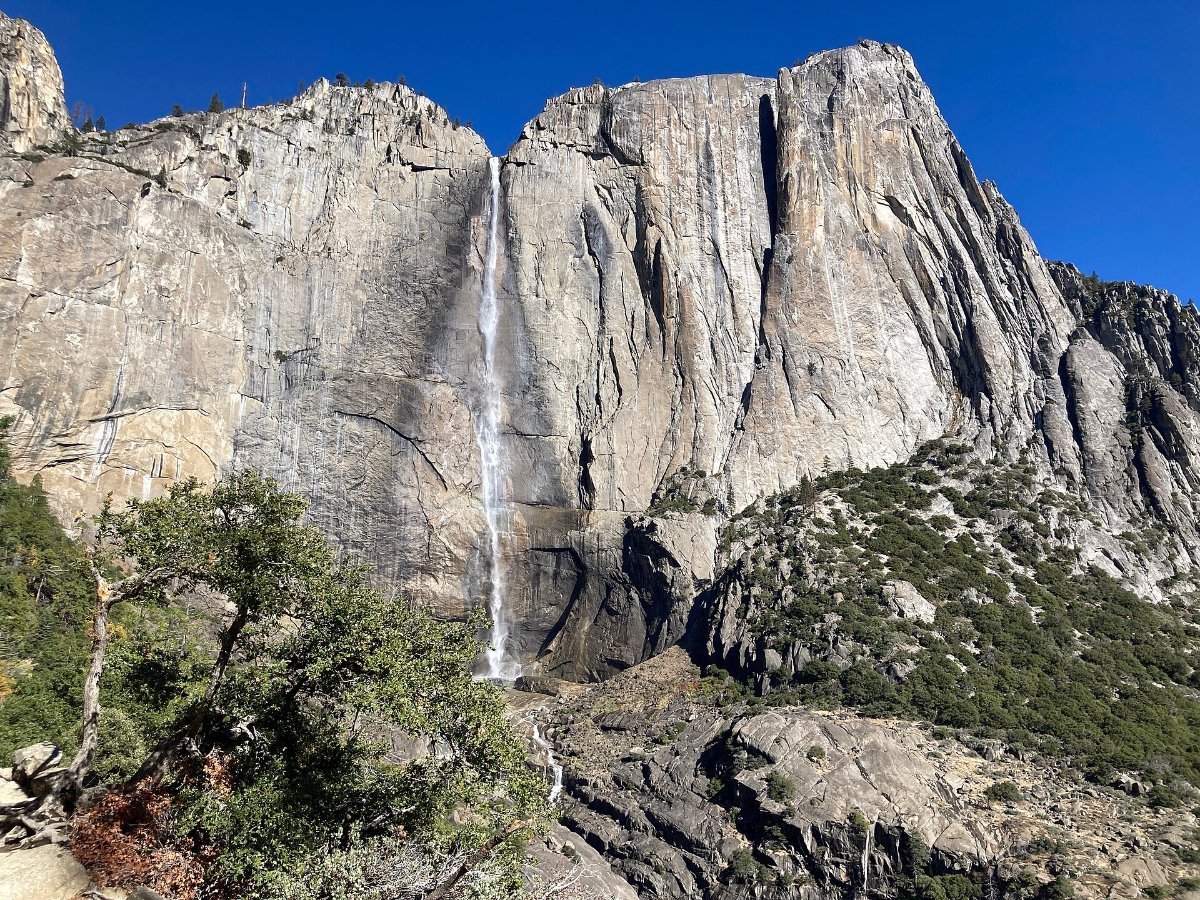
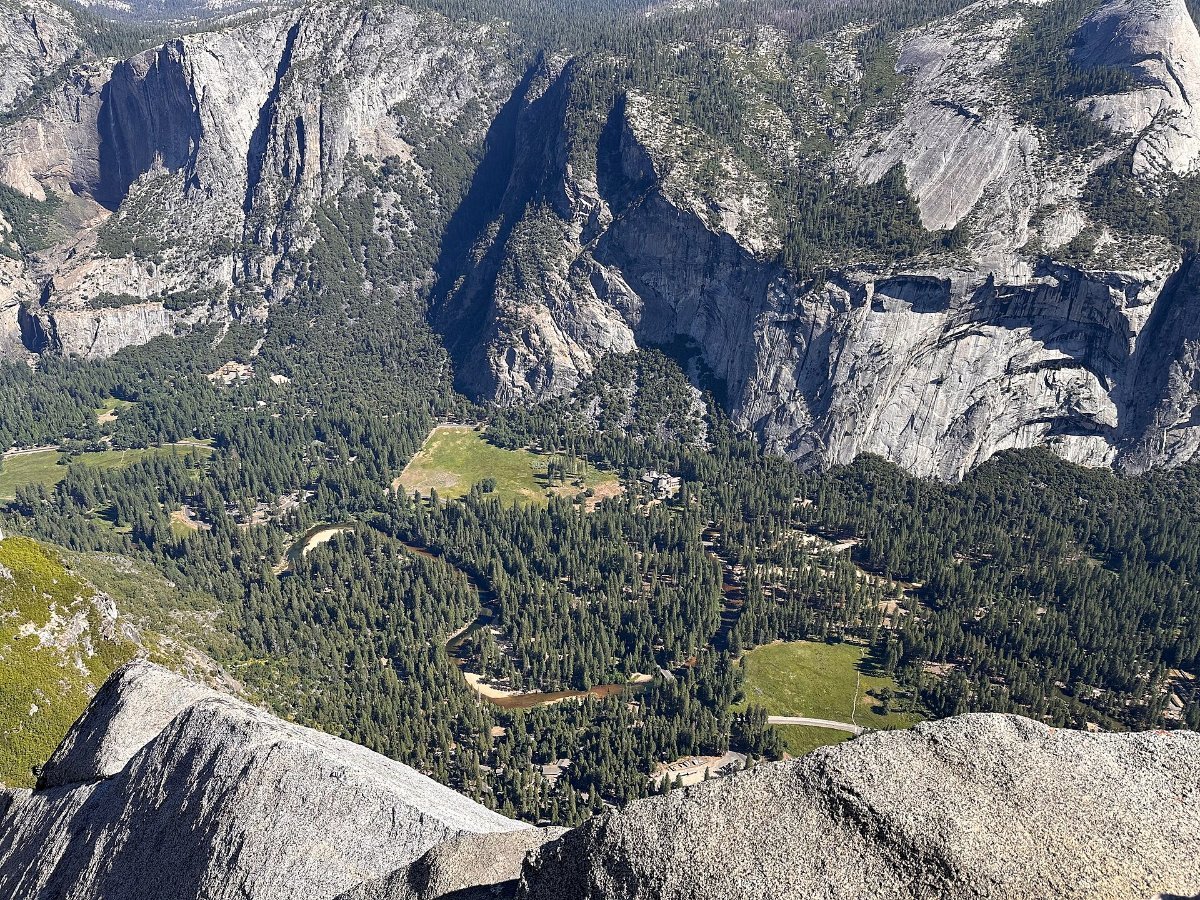
An hour’s drive from the valley floor, and you’re looking down on Half Dome from level with its shoulder, with Vernal and Nevada Falls below you. Almost no walking from the car park.
The road is open roughly late May to October or November depending on snow. Closed the rest of the year.
Sunset here is exceptional. So is stargazing — the park runs astronomy programmes in summer.
If Glacier Point Road is closed when you visit, the consolation prize is Sentinel Dome and Taft Point, both short hikes from the same road when it is open, and Olmsted Point on the Tioga Road, which gives you the back of Half Dome from an angle almost nobody photographs. It’s a completely different-looking mountain from that side and it’s worth the detour if you’re heading up to Tuolumne anyway.
▶ Watch This Before You Go
Where nobody goes
Tuolumne Meadows, up the Tioga Road at 2,600 metres. Alpine meadows, granite domes, completely different landscape from the valley, and a fraction of the people. The road is only open roughly late May or June to October.
Mariposa Grove, in the south, with around 500 giant sequoias including the Grizzly Giant, which is somewhere around 2,000 years old. A shuttle runs from the welcome plaza in season.
Hetch Hetchy, a valley in the northwest that was dammed in 1923 and now supplies San Francisco’s water. John Muir fought and lost over it. Very few visitors, good spring waterfalls, and open year-round.
Timing the waterfalls
This matters more than people realise. Yosemite’s falls are snowmelt-fed, which means:
- April to June — peak flow. Yosemite Falls thundering, Bridalveil blowing sideways. This is when to come for waterfalls.
- July to August — declining fast.
- September to October — many falls are a trickle or completely dry. Yosemite Falls often stops entirely by late summer.
If waterfalls are why you’re going, come in May. If you want the high country and open roads, come in September.
Staying
In-park lodging (The Ahwahnee, Yosemite Valley Lodge, Curry Village) books 12 months ahead and is expensive. Campgrounds release on a rolling window and go in minutes.
Outside: El Portal and Mariposa to the west, Oakhurst and Fish Camp to the south, Groveland to the northwest. All 30 to 60 minutes from the valley.
Staying outside means driving in every morning, which means the reservation question again. Book in-park if you possibly can.
Practical bits
Bear canisters are required for overnight backcountry trips, and you must not leave food in your car overnight anywhere in the park. Bears break into cars constantly and they’re very good at it.
Mobile signal is patchy at best. Download maps.
Tioga Road and Glacier Point Road close for winter, usually November to late May. Check status before planning around them.
Petrol inside the park is limited and expensive. Fill up outside.
One more thing about the bears, because people assume this is boilerplate. Yosemite’s black bears have learned that cars contain food, and they will peel a door open for a wrapper left in a footwell. There are food storage lockers at every trailhead and campground, and using them is not optional. A car break-in here is expensive, and it also ends badly for the bear, which is the part that should actually persuade you.
FAQ
How long do I need? Two days for the valley highlights. Three to four to include Glacier Point, Mariposa Grove and Tuolumne.
Best time to visit? May for waterfalls, September for weather and open roads, February for Horsetail Fall’s firefall effect if you’re lucky with conditions.
Which airport? Fresno is closest at about 2.5 hours. San Francisco is 4 hours and has far more flights.
Is it good in winter? Yes and it’s beautiful and quiet, but Tioga and Glacier Point roads are closed and you may need chains.
Can I do it as a day trip from San Francisco? Technically. It’s 8 hours of driving for a few hours in the park. Don’t.
Do I need a permit for day hikes? Only Half Dome. Everything else is walk-up.