The Alhambra sells around 8,500 tickets a day and they go months in advance. That’s the single fact that determines whether your Granada trip works, and it’s the one most people find out about a week before they fly.
So: book the Alhambra first, then plan everything else around the slot you get. Everything below assumes you’ve done that.
Booking the Alhambra, properly
Tickets go on sale up to a year ahead on the official site and sell out weeks to months out in high season. General admission is around €19.
The critical part: your ticket has a timed half-hour slot for the Nasrid Palaces specifically. Miss it and you don’t get in, no exceptions, no refund. The rest of the complex you can wander freely within your morning or afternoon session, but that half hour is fixed.
Sold out? Options: the official guided tours, which release separate inventory; the “Dobla de Oro” combined ticket; or the night visit to the Nasrid Palaces, which is a different and genuinely atmospheric experience with better availability.
Bring the passport or ID you booked with. They check names at the gate and they do turn people away.
Give yourself a buffer of at least half an hour before your Nasrid slot, too. The complex is large, the entrance you need may not be the one nearest your taxi, and the walk from the main ticket area to the palaces takes longer than the map suggests, especially uphill in summer. People miss their slot by five minutes every single day and there is nothing anybody at the gate can do about it.
What you’re actually walking through
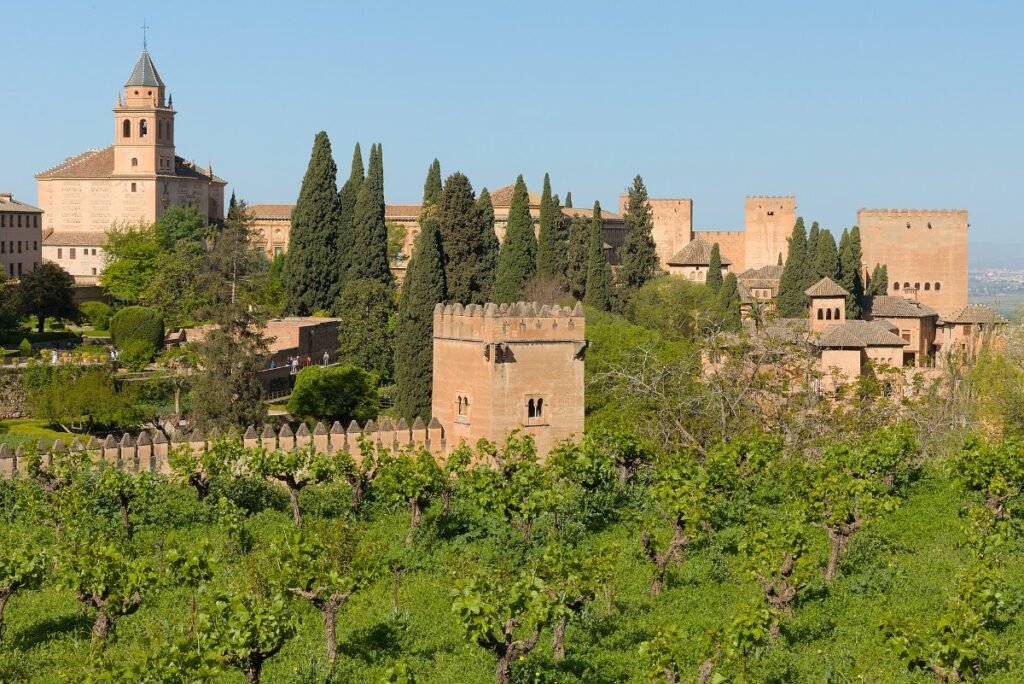
The Alhambra isn’t one building. It’s a fortified city on a hill with roughly four parts:
- The Alcazaba — the oldest bit, a military fortress. Climb the Torre de la Vela for the view over the whole city.
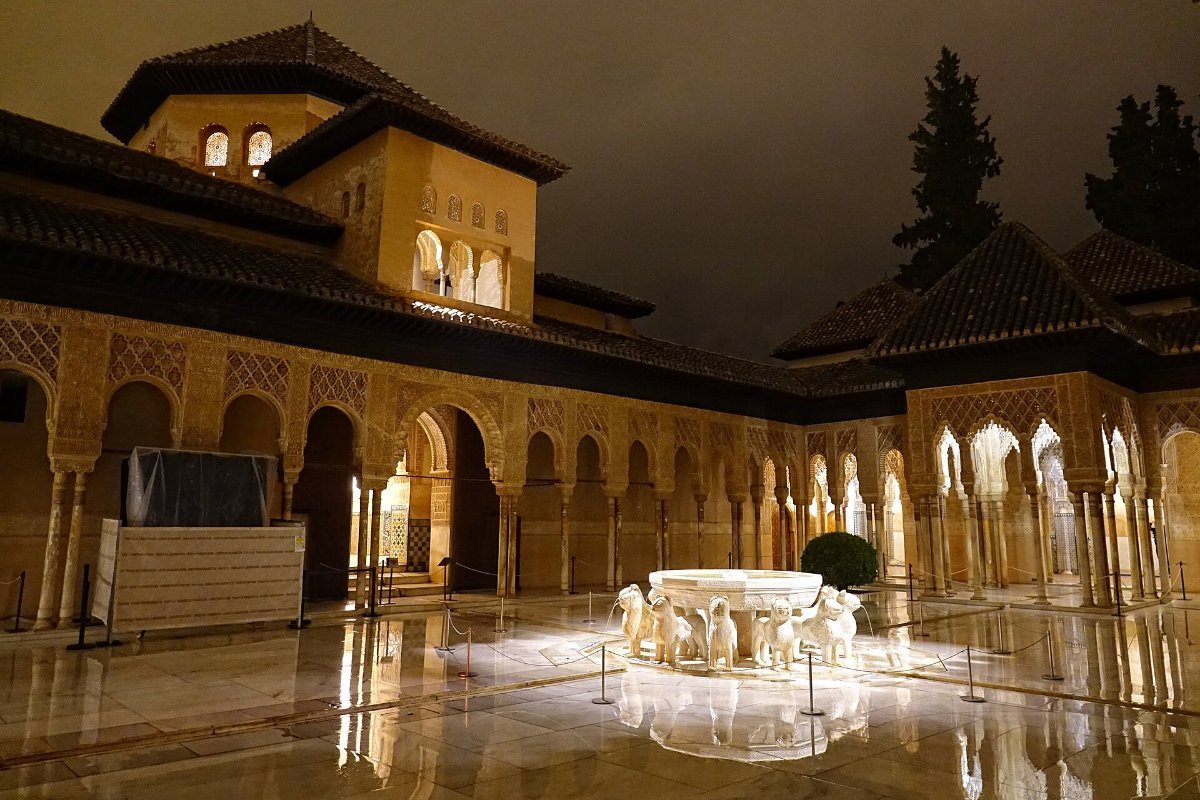
- The Nasrid Palaces — the reason you came. Fourteenth-century Islamic palace architecture, the Court of the Lions, carved stucco so fine it looks like lace. This is where your timed slot applies.
- The Palace of Charles V — a Renaissance building dropped into the middle after the Reconquista. Jarring, and interesting for exactly that reason.
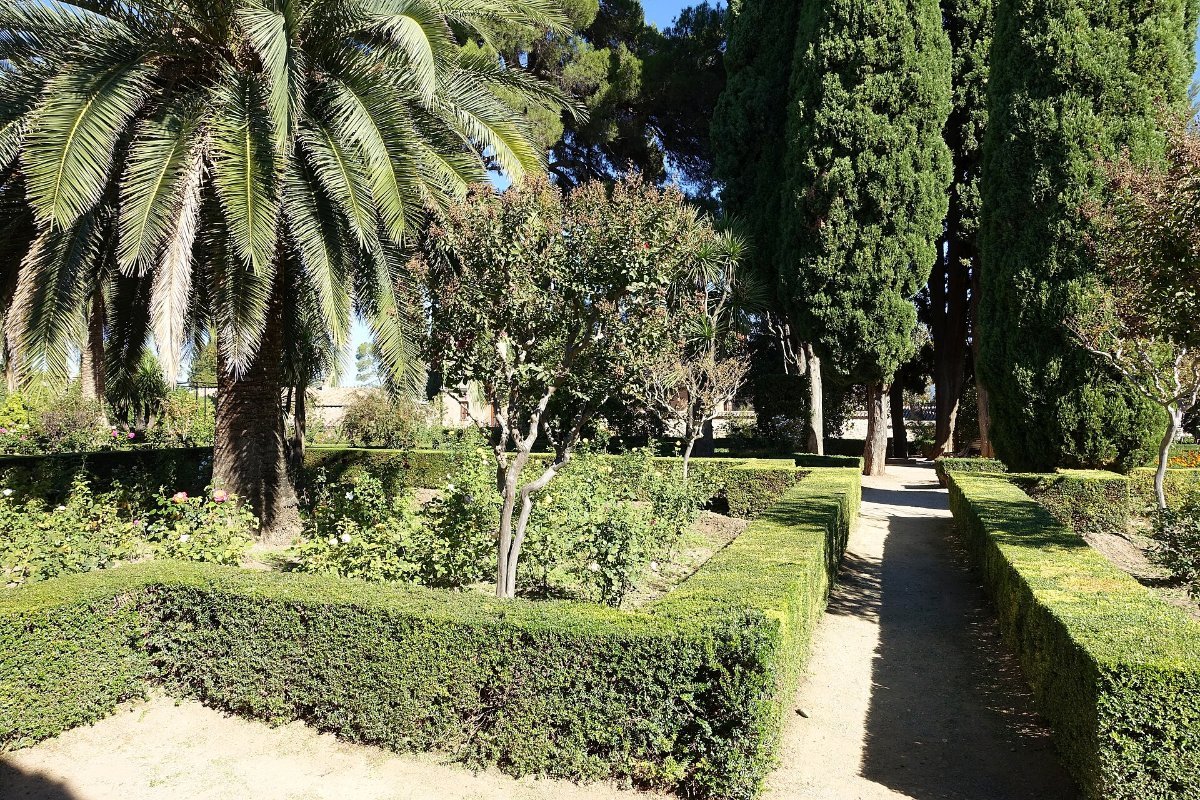
- The Generalife — the summer palace and gardens, up the hill. Water everywhere, and the best views back at the palaces.
Allow three to four hours minimum for all of it. It’s bigger than people expect and much of it is outdoors and uphill.
▶ Watch This Before You Go
The Albaicín is the other half of Granada
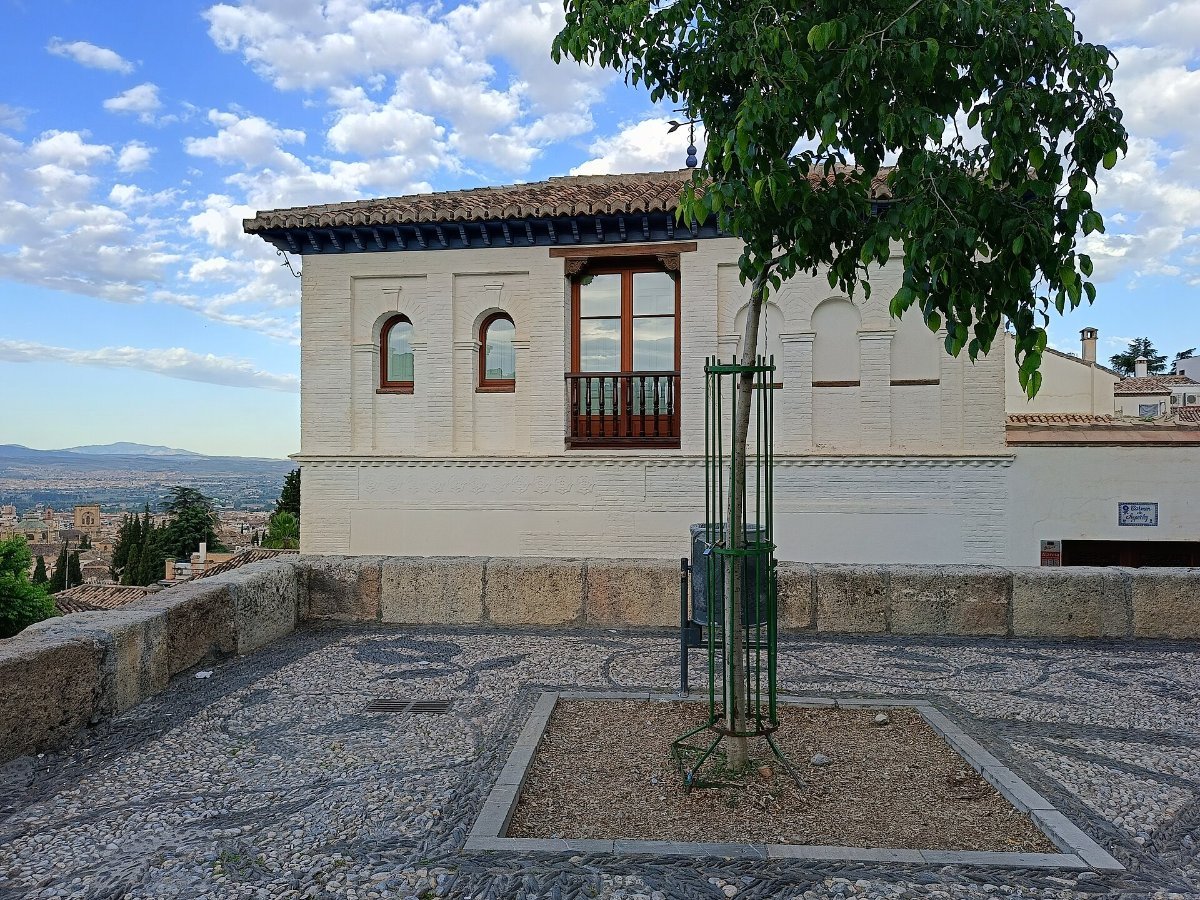
Across the valley from the Alhambra, the Albaicín is the old Moorish quarter — a hillside of whitewashed houses and lanes too narrow for cars, and a UNESCO site in its own right.
The Mirador de San Nicolás is the famous viewpoint, looking straight across at the Alhambra with the Sierra Nevada behind it. Sunset here is the photo. It’s also extremely crowded at sunset, so consider the smaller Mirador de San Cristóbal or the terrace at the Mezquita Mayor nearby.
Get properly lost in the streets in the afternoon. That’s the actual experience.
Free tapas is real and it’s the best thing here
Granada is one of the last Spanish cities where a drink automatically comes with a free tapa. Not a bowl of olives — a proper plate. Order a beer or a wine for €2.50 to €3.50 and food arrives.
The tapa usually gets better with each round at the same bar, because they’re rotating through what they’ve got.
Where to do it: Calle Elvira and the streets around it, Campo del Príncipe, and the Realejo (the old Jewish quarter) which is less touristy than Elvira.
You can genuinely eat dinner for €10 doing this. Three or four drinks, four tapas, done. It’s the cheapest good night out in Spain.
Sacromonte and flamenco
Up the hill beyond the Albaicín, Sacromonte is the historic Roma quarter, with houses built into caves in the hillside. This is where zambra flamenco developed.
Cave flamenco shows here are touristy but the good ones are genuinely good. Look for smaller venues rather than the big dinner-and-show packages. Expect €25 to €35.
The Museo Cuevas del Sacromonte explains the cave-dwelling history and is worth 45 minutes in daylight.
What else is worth your time
The Cathedral and Royal Chapel. Ferdinand and Isabella are buried in the Royal Chapel — the monarchs who completed the Reconquista and funded Columbus. Historically enormous, and it’s a small quiet building. About €6.
The Arab baths (hammam). Several in town, around €35 to €45 for a session. Touristy and also lovely after a day of hills.
The Sierra Nevada. Skiing from December to April, 45 minutes from the city. You can genuinely ski in the morning and be on the Costa Tropical beach in the afternoon, which is a slightly absurd thing to be able to do.
Practical bits
Granada is steep. The Albaicín and Sacromonte are both hillside neighbourhoods with cobbles and steps. Small minibuses (C31, C32, C34) run up into them and are the sensible option.
Two to three days is right. One day only works if you’ve booked the Alhambra and accept you’ll see nothing else properly.
Summer is very hot — over 35°C regularly, and the Alhambra has limited shade. Book a morning slot. Winter is cold at night with snow visible on the mountains, and much quieter.
Getting there: about 1.5 hours from Málaga, 3 hours from Seville, 4.5 from Madrid on the high-speed train. Granada’s own airport is small; most people fly into Málaga.
FAQ
How far ahead should I book the Alhambra? Two to three months for summer, one month off-season. Longer never hurts.
Is a guided tour worth it? The audio guide is fine for most people. A guide adds a lot of context if you’re interested in the Islamic period specifically.
Can I see the Alhambra without a ticket? You can walk the grounds and see the exterior for free. The Alcazaba, Nasrid Palaces and Generalife all need one.
Where should I stay? The Albaicín for atmosphere, the centre near the cathedral for convenience, the Realejo for a balance of both and better food.
Is Granada walkable? The flat centre, yes. The interesting hilly bits, less so. Good shoes.
Best time of year? April to May and September to October. Spring has the gardens at their best.