Two days in Florence is either perfect or absurd depending on who you ask. Art historians will tell you it’s an insult to the Uffizi. Realistically, most people have a long weekend and a budget, and Florence is small enough that 48 hours genuinely works.
The historic centre is about 1km across. You can walk from the Duomo to the Ponte Vecchio in eight minutes. That compactness is the whole reason this itinerary holds together.
Book these two things before you do anything else
The Uffizi and the Accademia. Both sell timed-entry tickets, both sell out in high season, and both have queues that will eat two hours of a two-day trip if you turn up hopeful.
Book them for specific slots, ideally the Uffizi first thing on day one and the Accademia first thing on day two. If you’re climbing the Duomo dome, that’s a separate reservation and also needs booking ahead — it’s not included in general cathedral entry.
FYI museums are closed on Mondays for the most part, including the Uffizi and Accademia. Landing on a Sunday for a Monday-Tuesday trip is the single most common way people ruin this.
Day one: the Duomo, the Uffizi, and sunset over the river
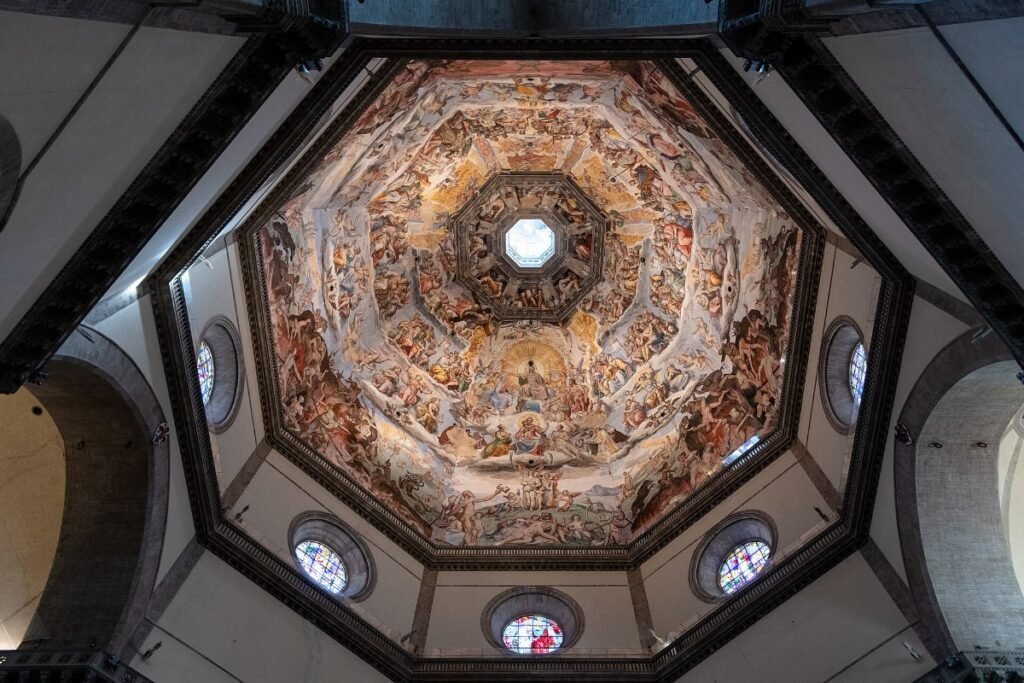
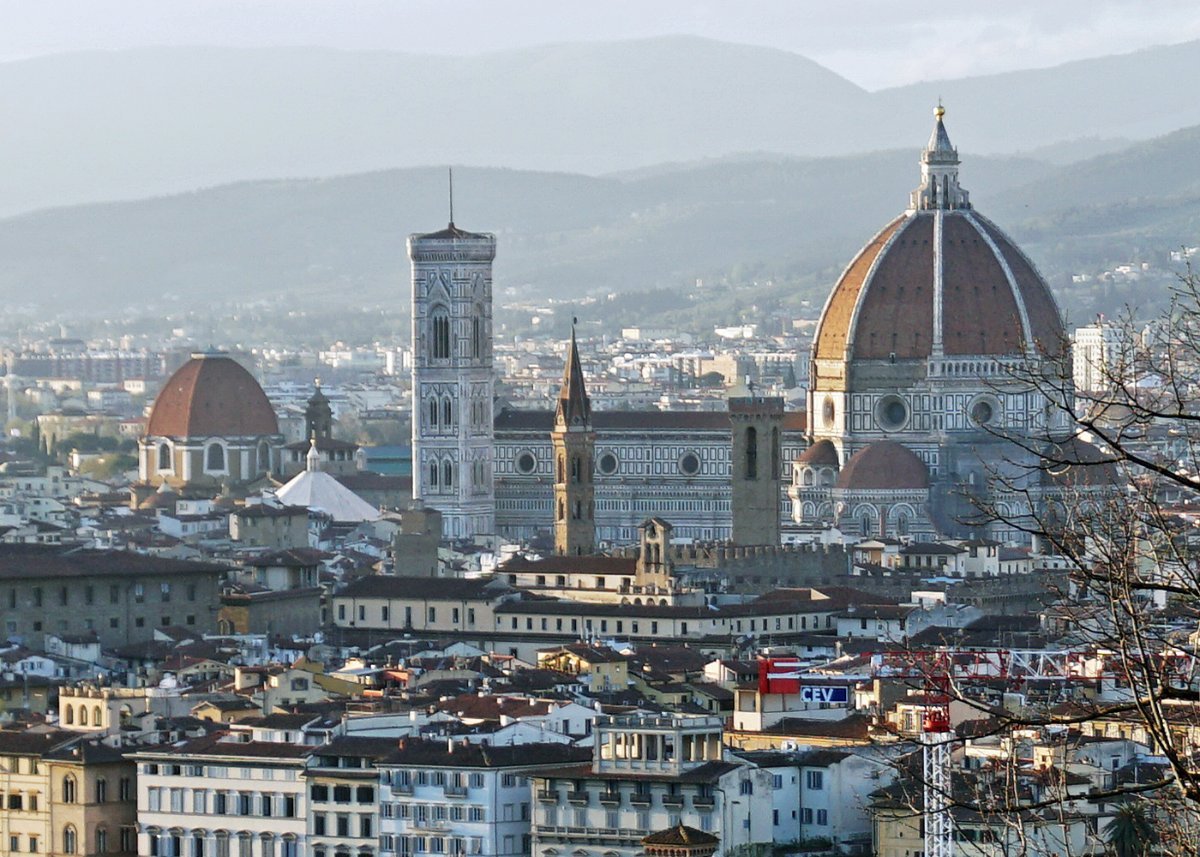
Morning. Start at the Duomo complex. The cathedral itself is free but the queue moves slowly, and honestly the interior is the least impressive part. What you want is the dome climb — 463 steps, no lift, genuinely narrow near the top, and the view is worth every one of them. The Baptistery doors and Giotto’s bell tower are in the same complex.
Lunch. Walk five minutes away from the cathedral before you eat. Anything with a view of the Duomo is charging you for the view.
Afternoon. The Uffizi. Give it three hours. Botticelli’s Birth of Venus and Primavera are in room 10-14, the Caravaggios are near the end, and there’s a corridor overlooking the Arno that most people walk straight past. Don’t try to see everything — you’ll hate it by hour four.
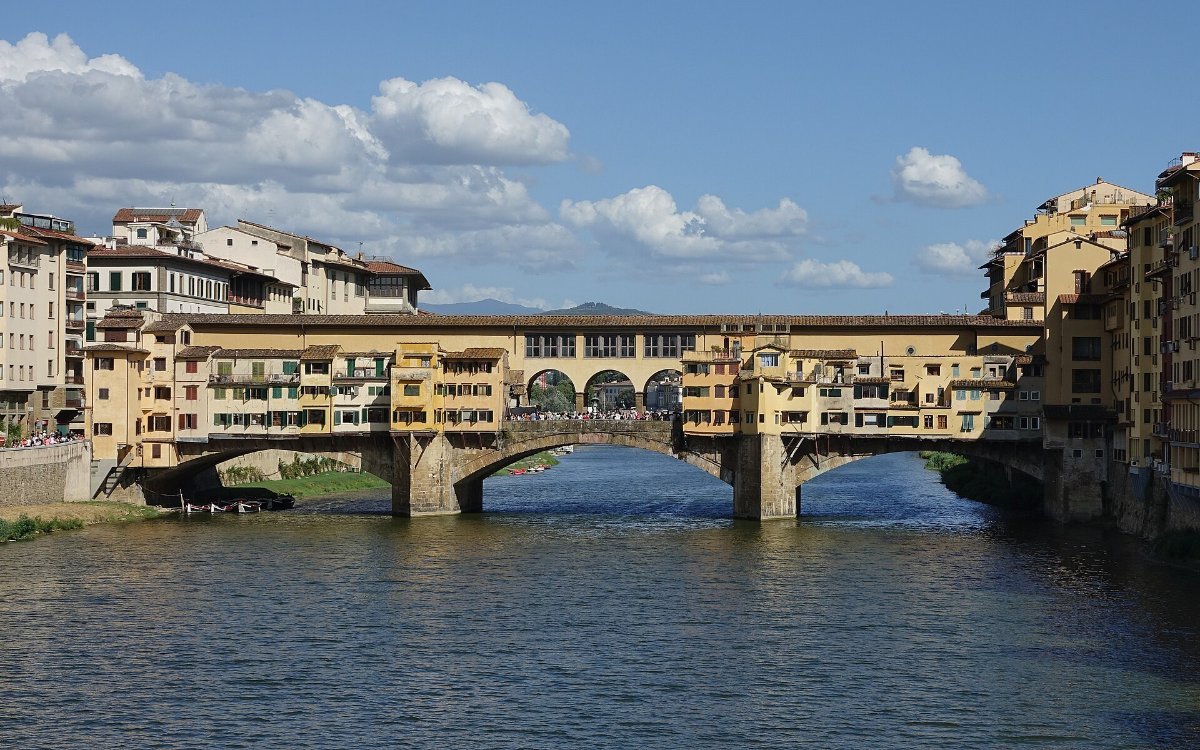
Evening. Cross the Ponte Vecchio at golden hour, then walk 20 minutes uphill to Piazzale Michelangelo for the classic view over the city. Bring a drink. Everyone else does.
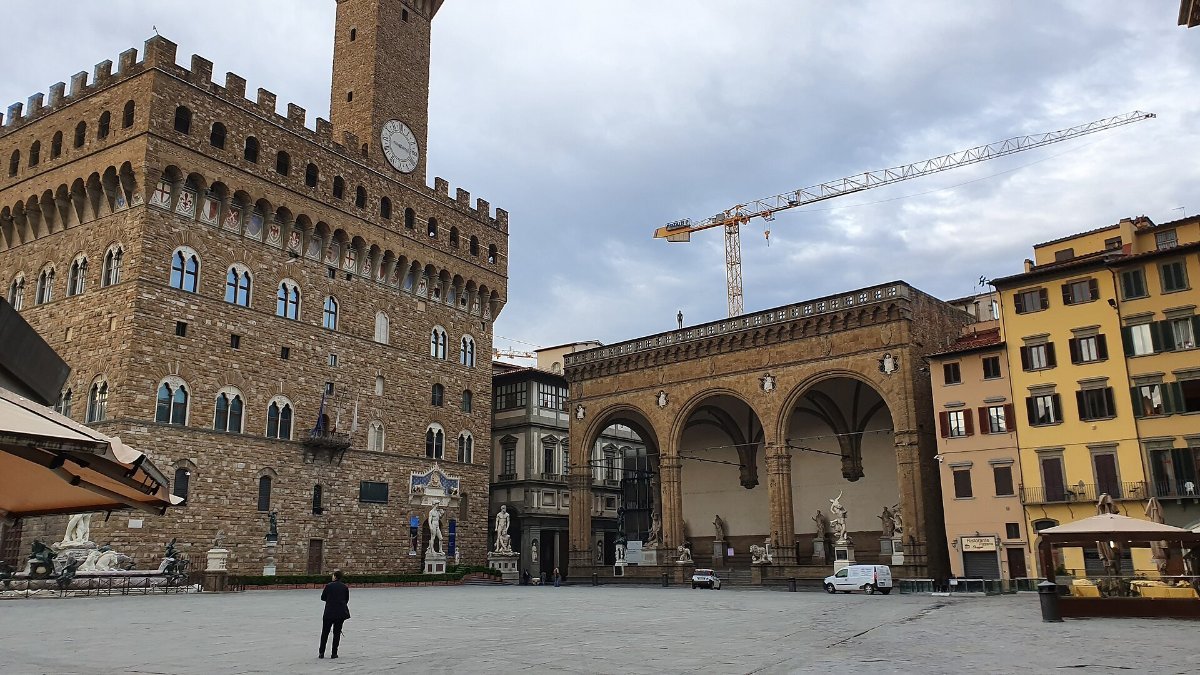
Day two: David, the Oltrarno, and actual Florentine life
Morning. The Accademia, for David. Yes it’s one statue and yes you’ll be in and out in 45 minutes and yes it’s still worth it — the scale of the thing doesn’t come across in photographs at all. He’s 5.17 metres tall and the hands are deliberately oversized.
▶ Watch This Before You Go
Late morning. Mercato Centrale for lunch. Ground floor is a proper working food market, first floor is a modern food hall. Get a lampredotto panino if you’re brave — it’s tripe, it’s the Florentine street food, and it’s much better than that sentence suggests.
Afternoon. Cross to the Oltrarno, the south side of the river. This is where Florence stops feeling like a museum and starts feeling like a city. Artisan workshops, leather and gold and bookbinding, actual residents. The Palazzo Pitti and Boboli Gardens are here if you want more sightseeing, or you can just wander, which I’d honestly recommend more.
Evening. Dinner in Santo Spirito. The square fills with locals at aperitivo hour and the restaurants around it are noticeably better value than anything near the Duomo.
What to skip without guilt
The Ponte Vecchio shops. They’re jewellers charging tourist prices and the bridge is better looked at than shopped on.
Any restaurant with a person outside inviting you in. Same rule as Rome, same reason.
The leather market at San Lorenzo, mostly. Some of it is real Florentine leather and a lot of it isn’t, and telling the difference takes knowledge you probably don’t have. If you want leather, go to a workshop in the Oltrarno instead.
Galileo’s finger at the Museo Galileo. I mean, do go if you like science museums, it’s excellent. But it’s a finger in a jar and it’s not the highlight some people claim.
Eating well without trying too hard
Florentine food is simple and meat-heavy. The famous one is bistecca alla fiorentina, a T-bone about 4cm thick, served rare whether you like it or not, sold by weight and usually a minimum of 1kg. It’s designed for two people minimum and costs €50 to €80. Worth doing once.
Cheaper and just as good: ribollita (bread and bean soup), pappa al pomodoro, crostini di fegato. All under €10, all what people here actually eat.
Wine is Chianti country and the house red in a decent trattoria will be genuinely good for €4 a glass.
Getting around and staying somewhere sensible
Walk. The centre is pedestrianised, taxis are expensive and slow, and there’s no metro. The one time you’ll want transport is getting to Piazzale Michelangelo, and bus 12 or 13 does that.
Stay in the centro storico if budget allows, or the Oltrarno for better value and more atmosphere. Avoid anything near Santa Maria Novella station that’s advertising how close it is to the station — there’s a reason that’s the selling point.
Florence is a 90-minute train from Rome and 2 hours from Venice, both on fast direct services. It slots into a bigger Italy trip easily.
FAQ
Best time of year? April to May or September to October. July and August are hot, crowded and expensive. November is quiet and cheap and it rains.
Is the Firenze Card worth it? At €85 for 72 hours, only if you’re doing five or more paid sites. For a two-day trip hitting the Uffizi and Accademia, buy individual tickets.
How much should I budget? Around €130 to €180 a day per person mid-range including accommodation, or €70 to €90 in hostels eating simply.
Can I do a day trip from Florence? Siena, Pisa and Lucca are all under 90 minutes by train. But on a two-day trip, don’t. Florence has more than enough.
Do I need to book restaurants? For dinner at anywhere well known, yes. A day ahead is usually fine.